

Breguet ha scelto di celebrare in modo memorabile i propri 250 anni. Non con feste, eventi mirabolanti o interessanti tavole rotonde, ma andando al sodo, a ciò che meglio sa fare: creare orologi unici. Come lo splendido Classique 7225, protagonista di questo articolo. Un segnatempo che segue alcune delle meraviglie che abbiamo visto nei mesi scorsi, come il Tradition Seconde Rétrograde 7035, il Classique Tourbillon Sidéral 7255, i nuovi Type XX, il Classique Souscription. Il più recente orologio che si aggiunge a questa impressionante lista di eccellenze è l’omaggio di Breguet a una delle sue ultime innovazioni, il bilanciere a perno magnetico e lo scappamento ad alta frequenza a 10 Hz che troviamo anche nel Classique Chronométrie 7727. Il Classique 7225 ne è, in un certo senso, il degno contraltare.
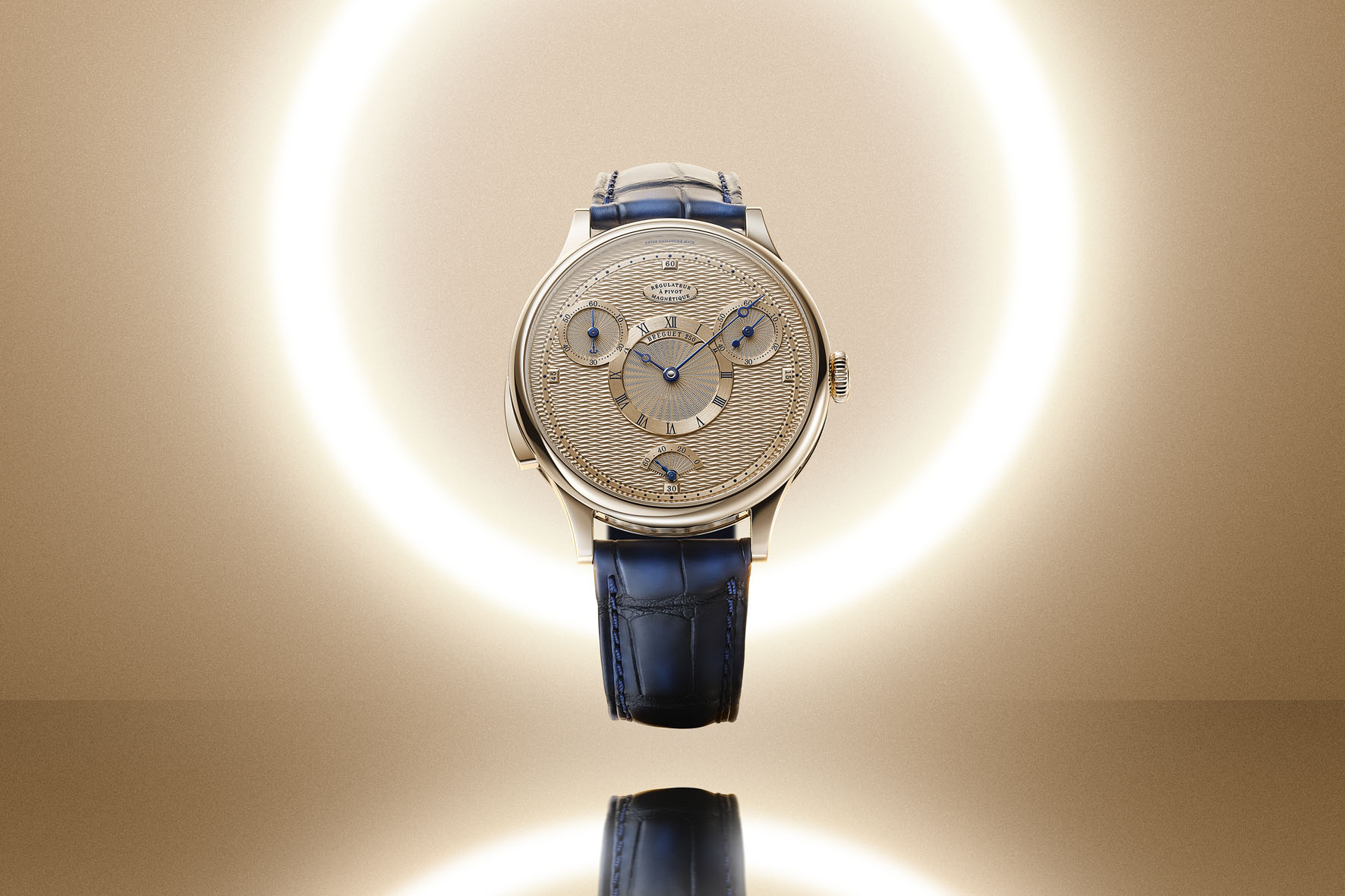
EREDE DELL’INNOVAZIONE DI BREGUET
L’invenzione meccanica alla base del calibro che anima questo orologio non poteva che venire che da Breguet, il quale storicamente è il marchio delle innovazioni. A partire da Abraham-Louis e dal tourbillon, dal paracadute e da altre intuizioni che hanno cambiato il corso dell’orologeria. Il bilanciere a perno magnetico è solo l’ultima, in ordine di tempo, di questa onda di eccezionalità tecnica. Questa invenzione non è recentissima, perché risale a oltre 10 anni fa (era il 2013) e, pur nella sua innovatività, fu “mascherata” dalla Maison sotto il manto della classicità. Quella che richiamava il Chronometrie 7727, il quale sotto un’estetica totalmente Breguet nascondeva un’intuizione tecnica rivoluzionaria.
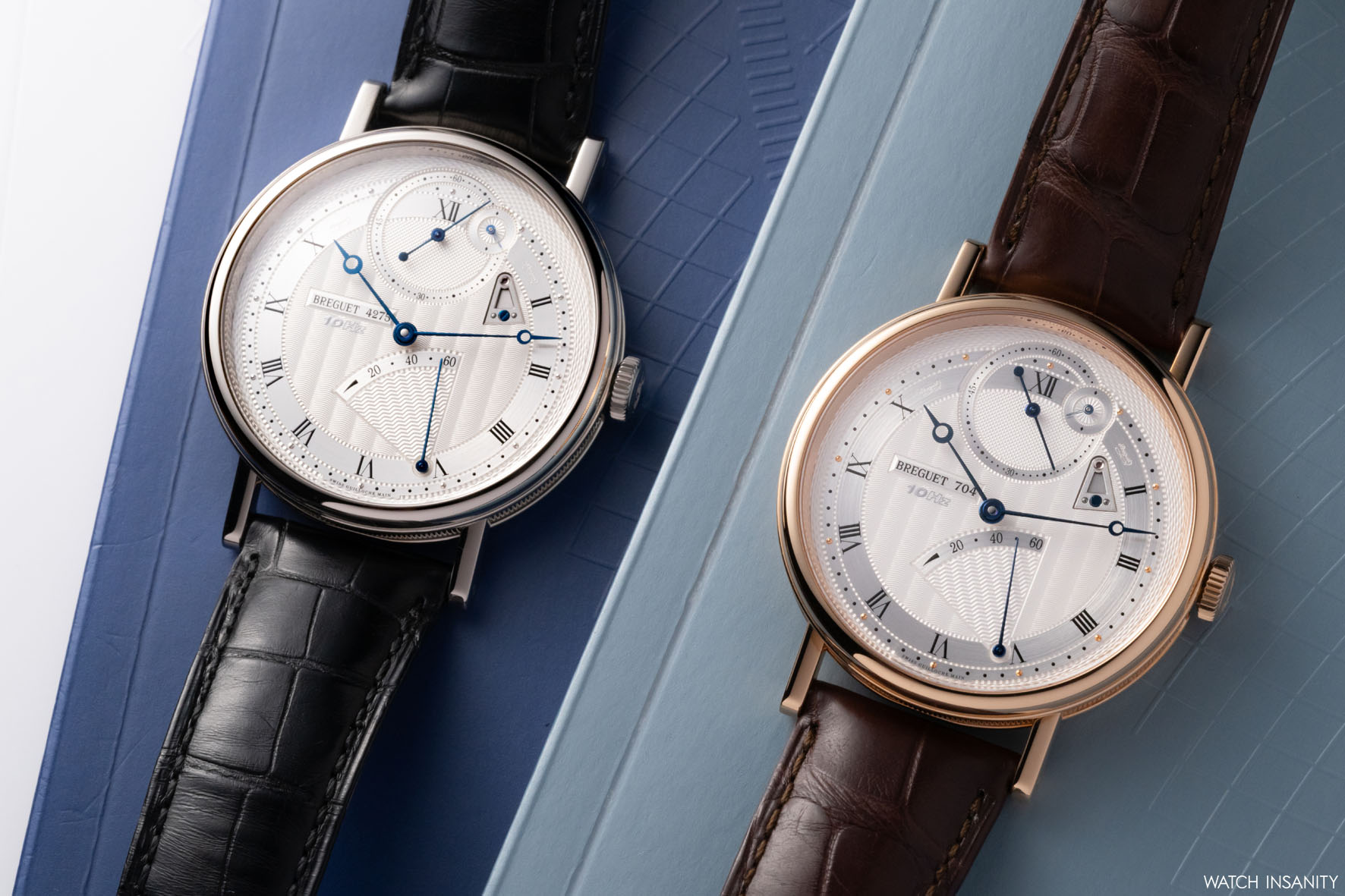
Perché? Perché sfruttava quello che è considerato il peggior nemico dell’organo regolatore di un orologio, ossia il magnetismo, per ottenere una elevatissima precisione. Il tutto in un calibro, il 574DR, che oscillava a 72.000 alternanze/ora, ossia 10 Hz, una frequenza mostruosa per un orologio meccanico. Per rinfrescarvi la memoria sul funzionamento del perno magnetico, potete leggere questo articolo.
IL QUADRANTE DEL CLASSIQUE 7225
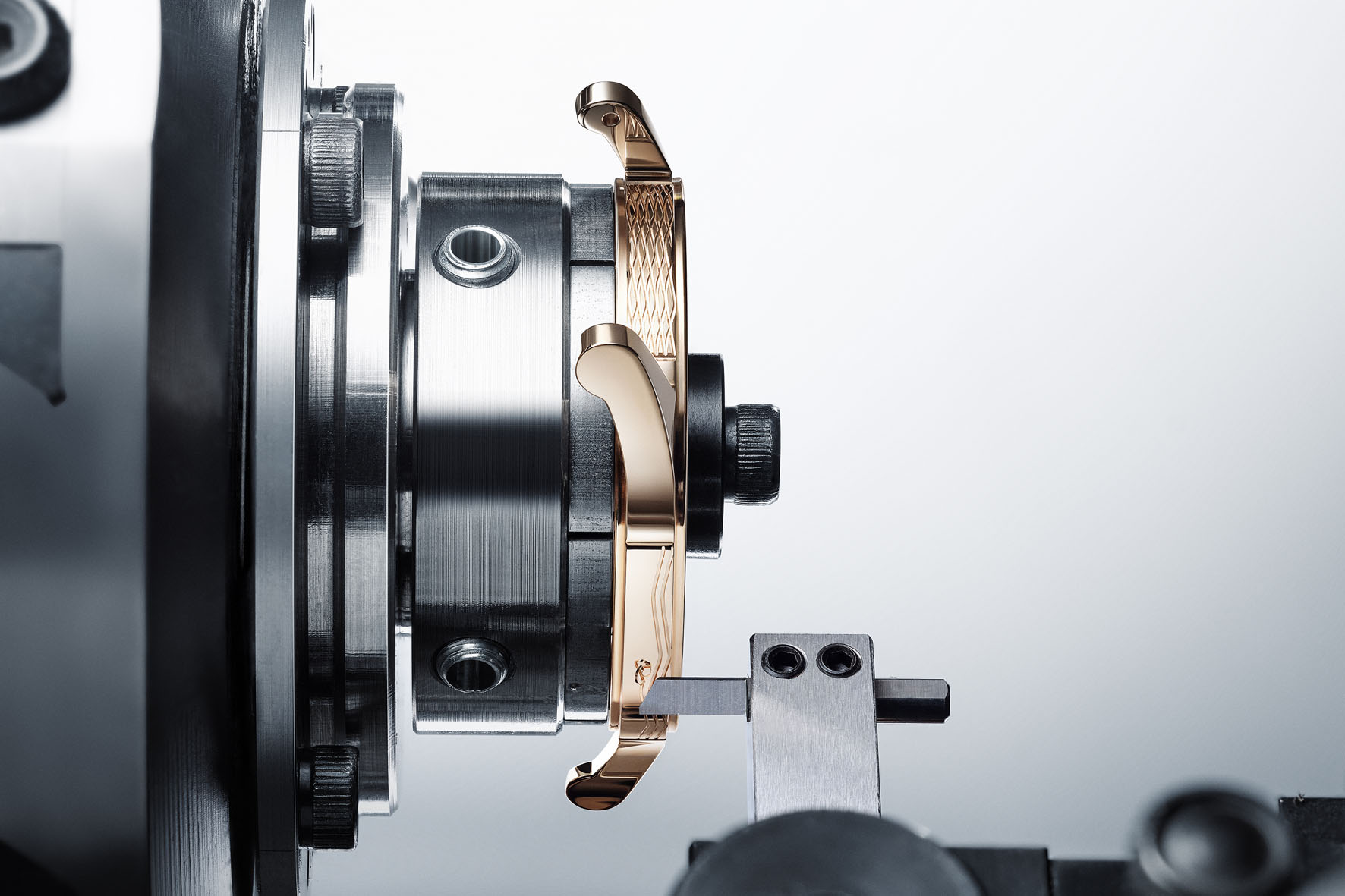
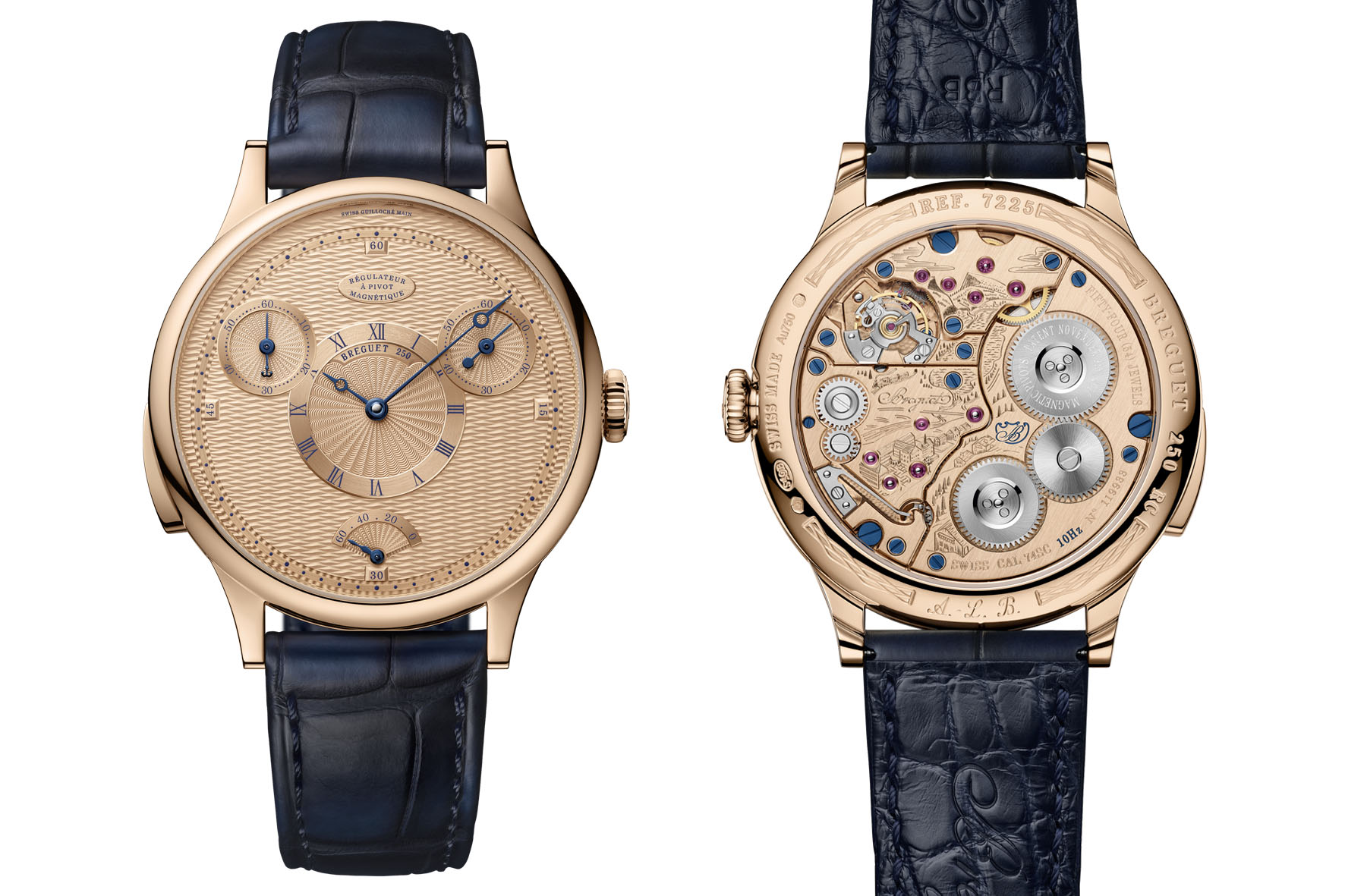
Forte di questa eccellenza meccanica, Breguet ne ha fatto un asse fortissimo su cui costruire uno degli orologi usciti nell’anno del suo 250esimo, il Classique 7225. In questo senso, il segnatempo si allinea nell’estetica a quelli del 2025 e rende, se possibile, ancora più elegante l’abito con cui veste l’oscillatore a 10 Hz. Che porta in sé la linea stilistica scelta per l’anniversario: cassa in oro Breguet 18 carati, assenza della classica carrure “a moneta” e delle anse saldate. Al posto della zigrinatura, il lato cassa reca un elegante lavorazione a guilloché; la cassa misura 41 mm e ha una costruzione più classica, con le anse integrate e un profilo leggermente incurvato che ricorda il Souscription. Contenuto anche lo spessore: 10,7 mm, per nulla “disturbati” dalla bombatura de vetro zaffiro.
Il quadrante è in oro Breguet 18 carati e nella sua estetica può vantare l’ispirazione a un illustre predecessore: l’orologio n. 1176 di Abraham-Louis Breguet, uno dei pezzi più celebri mai prodotti dal maestro e uno dei primi con tourbillon a quattro minuti. La disposizione dei contatori prevede infatti ore e minuti centrali, un indicatore della riserva di carica a forma di ventaglio a ore 6, due contatori dei secondi piccoli a ore 10 e ore 2.
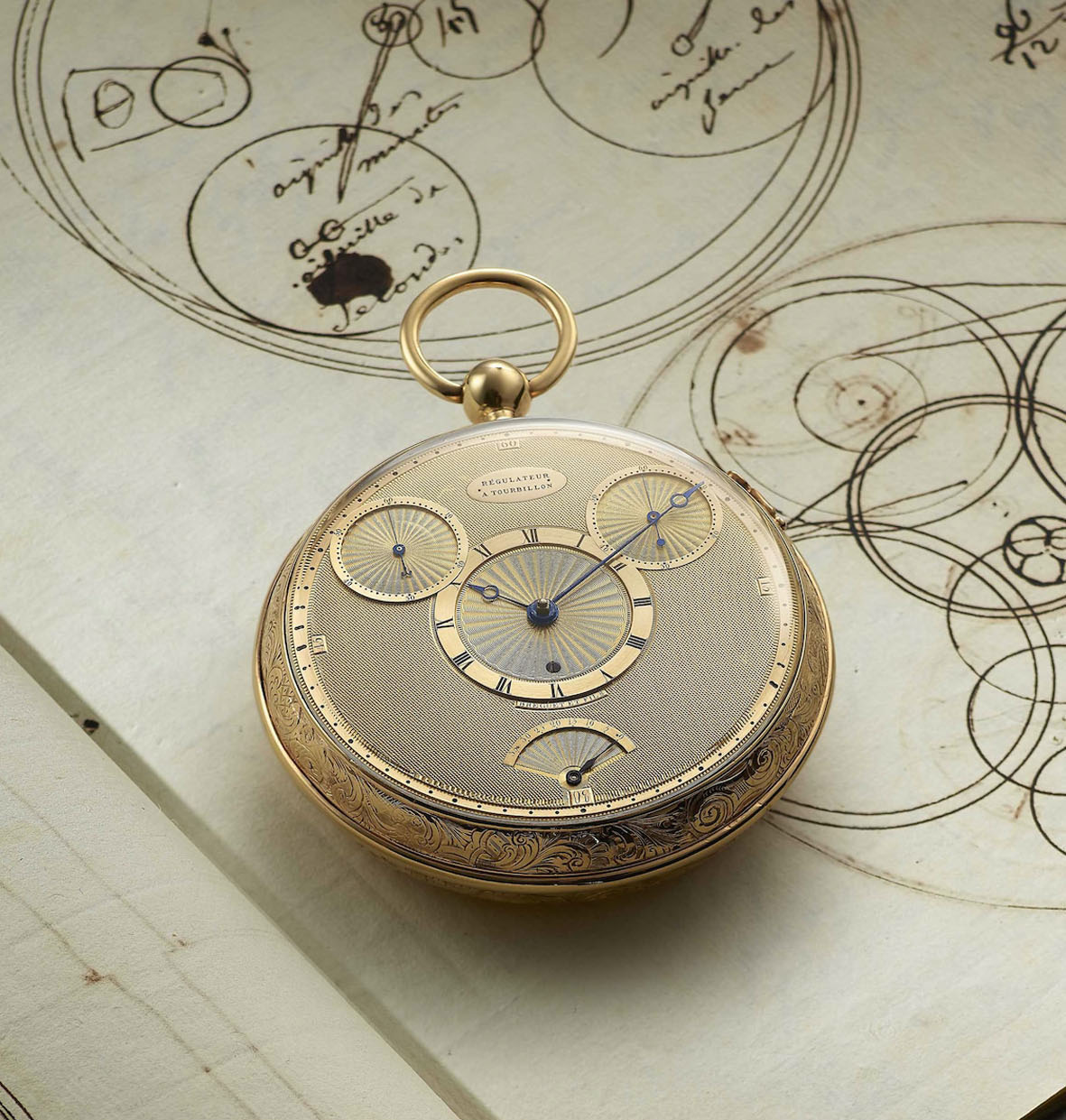
Perché due contatori così? Perché quello a ore 2 indica i piccoli secondi “classici”, quello a ore 10 ha la lancetta dotata di una funzione flyback che si aziona tramite la pressione del pulsante sulla carrure a ore 8, la cui forma ricorda quella della “slitta” di una ripetizione minuti. In sostanza, con questa lancetta è possibile misurare la durata di due eventi che avvengono in simultanea oppure i tempi intermedi. Una sorta di piccolo cronografo a 60 secondi nascosto dalla classicità delle forme.
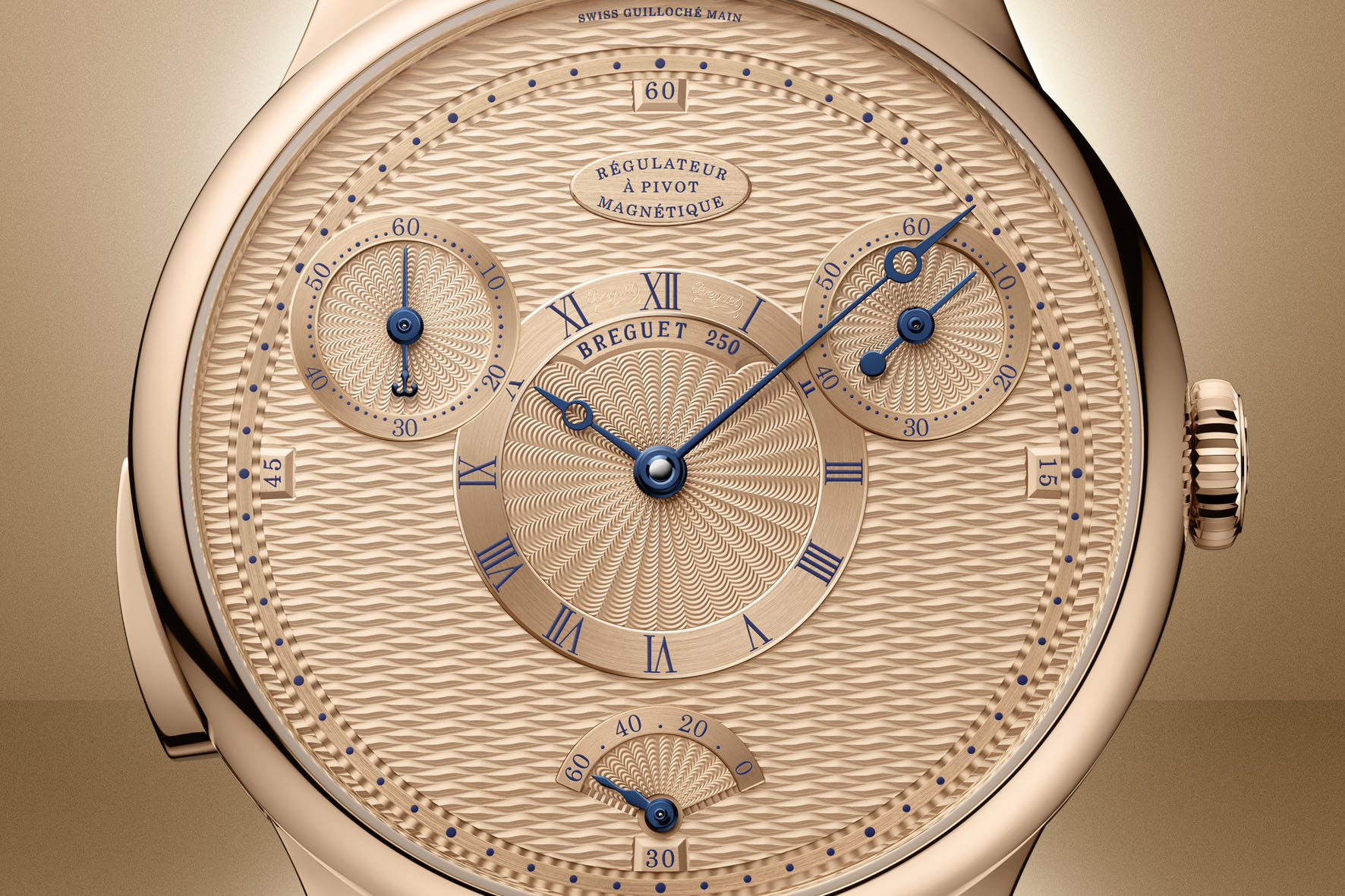
Il tutto è armonizzato all’interno di una varietà di finiture da capogiro. Le parti centrali dei tre contatori e quella dell’indicatore dell’autonomia residua sono lavorate con un guilloché a ventaglio, che si irradia dal centro alla periferia in una esplosione di luce. Il quadrante ha un motivo ondulato anch’esso guilloché, che si interrompe con il giro esterno della minuteria satinato circolare, per poi riprendere alla periferia. La satinatura circolare si ritrova nei cerchi dei tre contatori – ore e minuti (con incisa anche la firma segreta di Breguet) e i due dei piccoli secondi -, oltre che nel ventaglio della riserva di carica. Un alternanza di lavorazioni che dà all’intero quadrante del Classique 7225 una coerenza stilistica magnifica.
IL CALIBRO 74SC: BREGUET E L’ORGANO REGOLATORE A PERNO MAGNETICO
Tanta bellezza estetica non deve però farci dimenticare che anche nella cassa c’è un’abbagliante bellezza meccanica, ossia il calibro 74SC, la cui architettura di base e la cui tecnologia sono state riprese da quelle del 574DR che animava il Classique Chronométrie 7727. Ricordiamo che in questi calibri, l’impiego del perno magnetico punta a ottenere una frequenza maggiore, senza che le parti del movimento possano andare sotto stress per la velocità di oscillazione. Il perno viene infatti mantenuto stabile grazie al campo generato tra due magneti, facendo sì che la sua azione di rotazione non subisca gli effetti della gravità e che si riduca l’attrito.
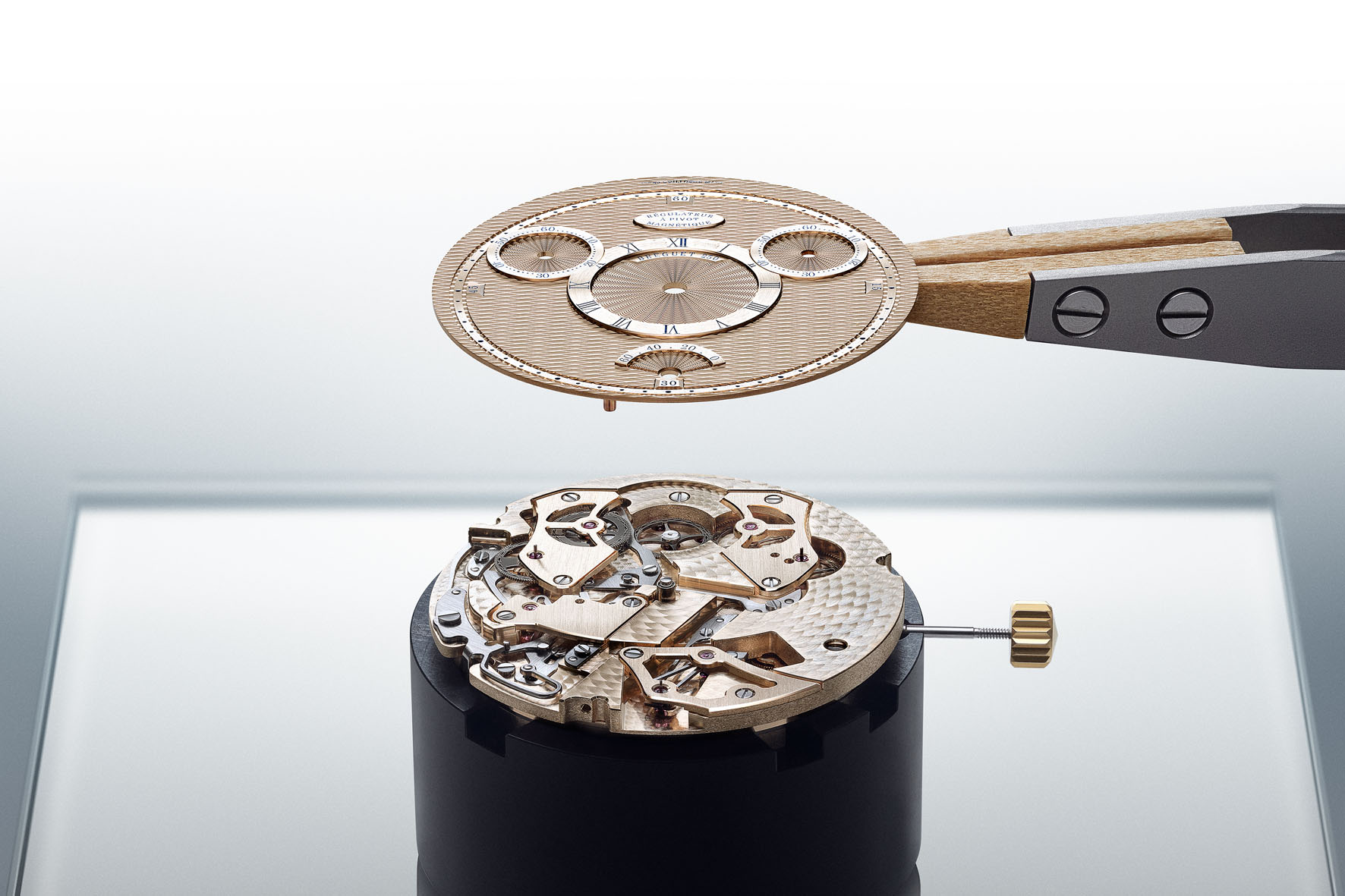
Per arrivare a questo risultato, nel movimento del Classique 7225 Breguet ha posizionato un micro-magnete sui due lati del bilanciere; essi, insieme, creano un intenso flusso magnetico nel quale un sottile squilibrio mantiene un’estremità dell’asse in costante contatto con il rubino alla sua base. Se l’orologio dovesse subire un forte urto, le forze magnetiche ricentrano l’asse in modo automatico; così il bilanciere risulta incredibilmente stabile in termini di amplitudine. L’impiego del perno magnetico riduce in modo sensibile anche l’attrito e la conseguente usura del componenti, come nel caso dell’asse: la sua punta, infatti, ruota contro un solo rubino, quindi su una superficie minima.
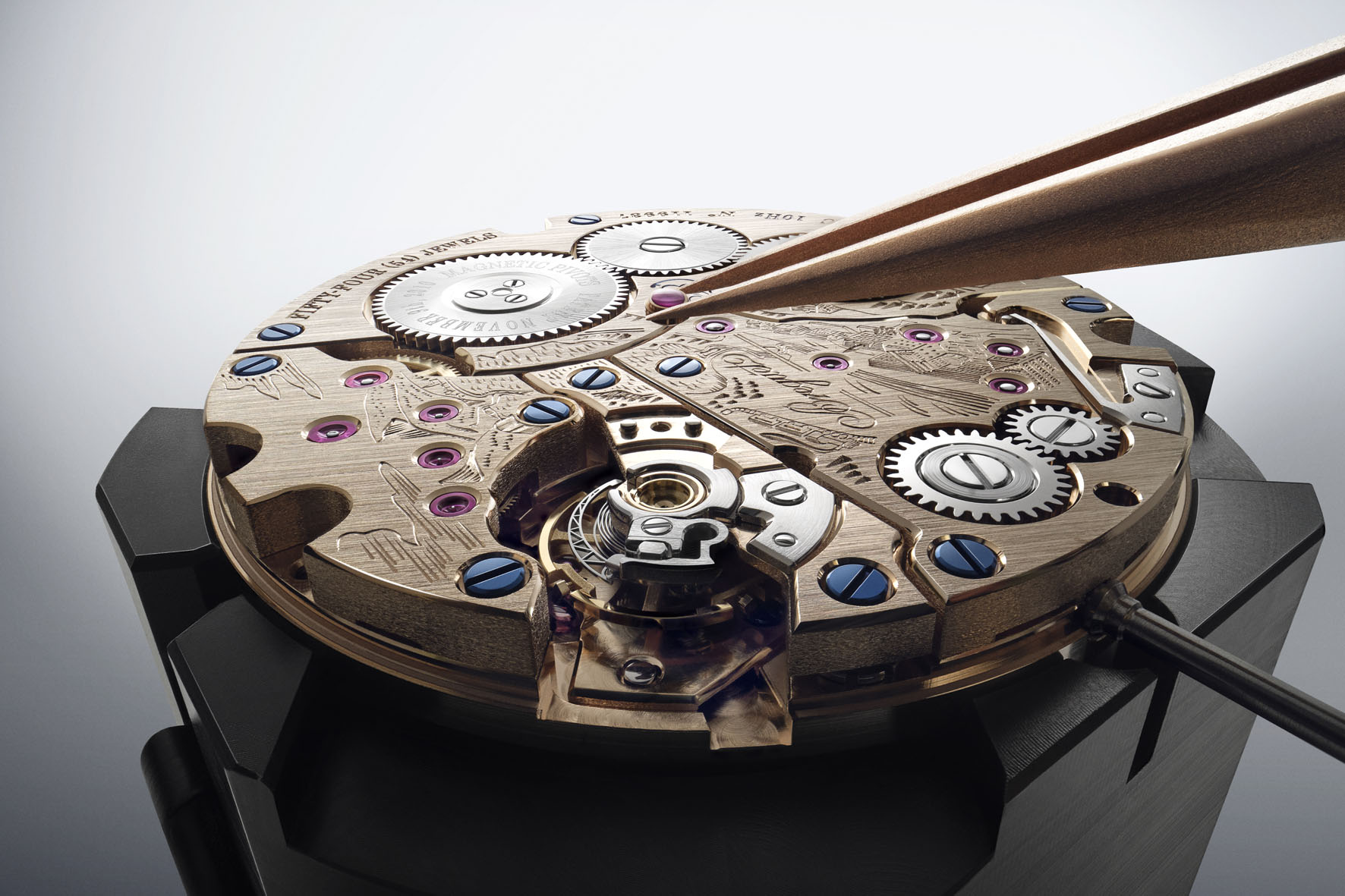
Questo risultato non sarebbe stato ottenuto senza un’attenta progettazione del movimento e, soprattutto, senza l’impiego dello stato dell’arte dei materiali nella realizzazione dei componenti. Il sistema magnetico funziona alla perfezione anche perché la doppia spirale del bilanciere, la leva del pallet e la ruota di scappamento del Classique 7225 sono in silicio, noto per le sue proprietà antimagnetiche. Tutto ciò contribuisce a una deviazione sulla precisione che è incredibile tanto quanto la frequenza di oscillazione: +/-1 secondo al giorno.
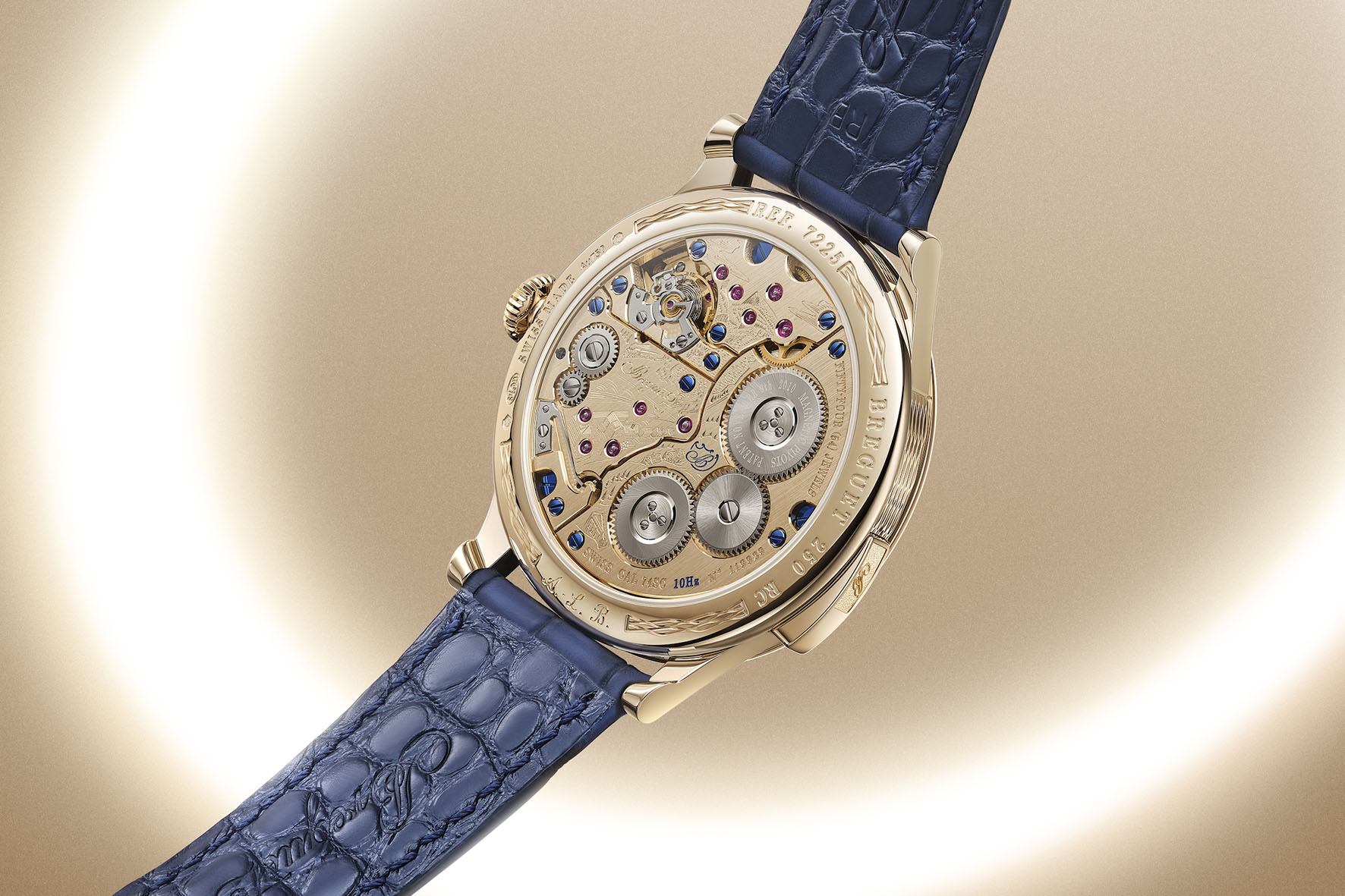
In linea con la coerenza estetica che caratterizza tutti gli orologi dei 250 anni, anche il movimento del Classique 7225 è rifinito secondo standard altissimi, con i ponti e le platine rivestiti in oro Breguet 18 carati; la loro decorazione incisa a mano riproduce la veduta della valle dove ha sede la manifattura Breguet. Infine, una chicca di cui può godere solo il proprietario dell’orologio. Sfruttando l’altissima velocità di oscillazione, la ruota della scappamento genera un’animazione che, grazie alla comparsa di 20 immagini al secondo, fa apparire le scritte “1775” e “2025”, che si alternano tra loro in modo fluido.
IL PUNZONE BREGUET
Tanta eccellenza è certificata dal Punzone Breguet. Chi ci legge con regolarità sa di che cosa parliamo. A chi lo fa un po’ di meno, ricordiamo che si tratta di un sigillo di garanzia apposto sulla cassa dell’orologio finito e sulla fibbia con il quale la Maison certifica la qualità dei componenti, le prestazioni dell’orologio e l’etica costruttiva. Si riferisce infatti non solo alle finiture, ma anche al modo in cui sono state ottenute e alla coerenza del design complessivo, il tutto sottoposto a un rigoroso disciplinare interno, supervisionato da un apposito comitato.
Il Punzone Breguet è associato a ogni orologio identificato da un numero individuale, rifinito e assemblato, controllato in ogni fase della produzione e certificato al momento del controllo finale, per verificare le prestazioni complessive di ogni orologio. Per esempio, in base al Punzone Breguet classifica ciascun segnatempo, in termini di precisione giornaliera, a seconda che sia “Scientifico” (+/- 1 secondo), “Civile & Sport” (+/- 2) o “Sera & Gioielleria” (-2/+6). Un’ulteriore garanzia assicurata dal Punzone Breguet riguarda il fatto che tutti i componenti dei suoi orologi sono stati fabbricati in Svizzera secondo i più alti standard dell’alta orologeria.
Alla luce di tutto questo, la scritta a ore 12 sul quadrante del Classique 7225 assume un significato potente. “Regulateur à pivot magnétique”, ossia “Organo regolatore a perno magnetico”: non solo un nome che accompagna il segnatempo, ma una vera firma. Che ricorda quanto questo prodigioso orologio non sia per tutti, pur non essendo una edizione limitata: 89.200 euro sono un prezzo riservato a pochi. Gli stessi pochi in grado di capire, apprezzare, valutare una referenza così.
By Davide Passoni