

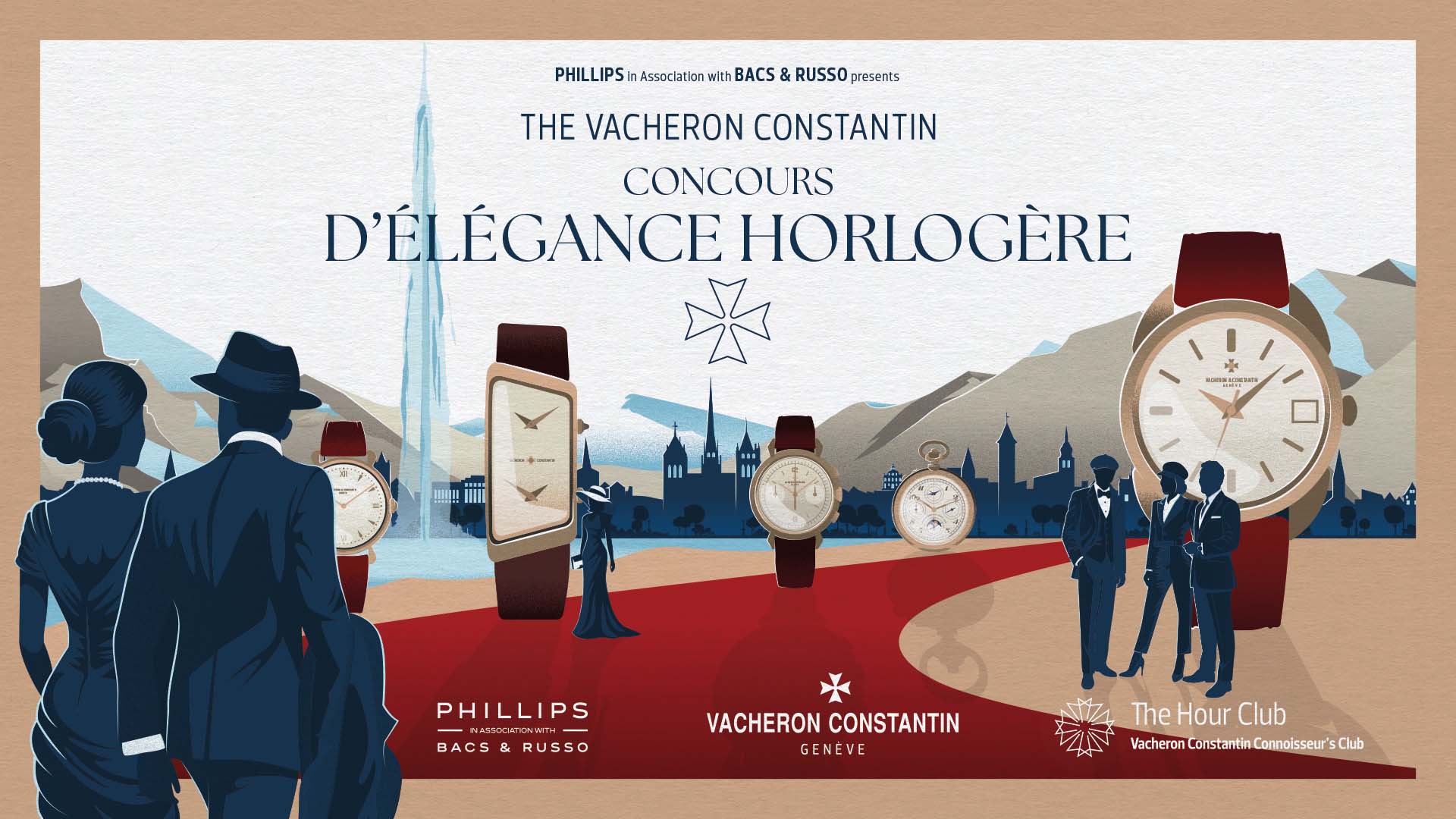
From the great automotive concours d’elegance to Haute Horlogerie. An ambitious idea: bringing to the world of watchmaking a format that has celebrated historic automobiles, rarity, design and the stories behind collections for decades. Aurel Bacs turned this vision into reality through an initiative by Phillips in Association with Bacs & Russo, developed together with Vacheron Constantin, which celebrated the first edition of the Concours d’Élégance Horlogère in Geneva on 10 November.
We at WATCH INSANITY had the pleasure of attending the event, spending two days in the Swiss city, including an exclusive visit to the Manufacture and the awards ceremony at the Hotel President Wilson. It was an opportunity to gain a closer understanding of a project that brought together leading international collectors and revealed exceptional timepieces, many of which are rarely seen by the public.
HOW A CONCOURS D’ELEGANCE DEDICATED TO WATCHMAKING CAME TO LIFE
It all began with the desire to celebrate Vacheron Constantin’s heritage from a different perspective. As Christian Selmoni explained, following the celebrations of the Maison’s 270th anniversary, the aim was to develop an initiative that would directly engage vintage watch enthusiasts. It was during a meeting with Phillips that Aurel Bacs proposed taking the concept of the great concours d’elegance and applying it to watches.
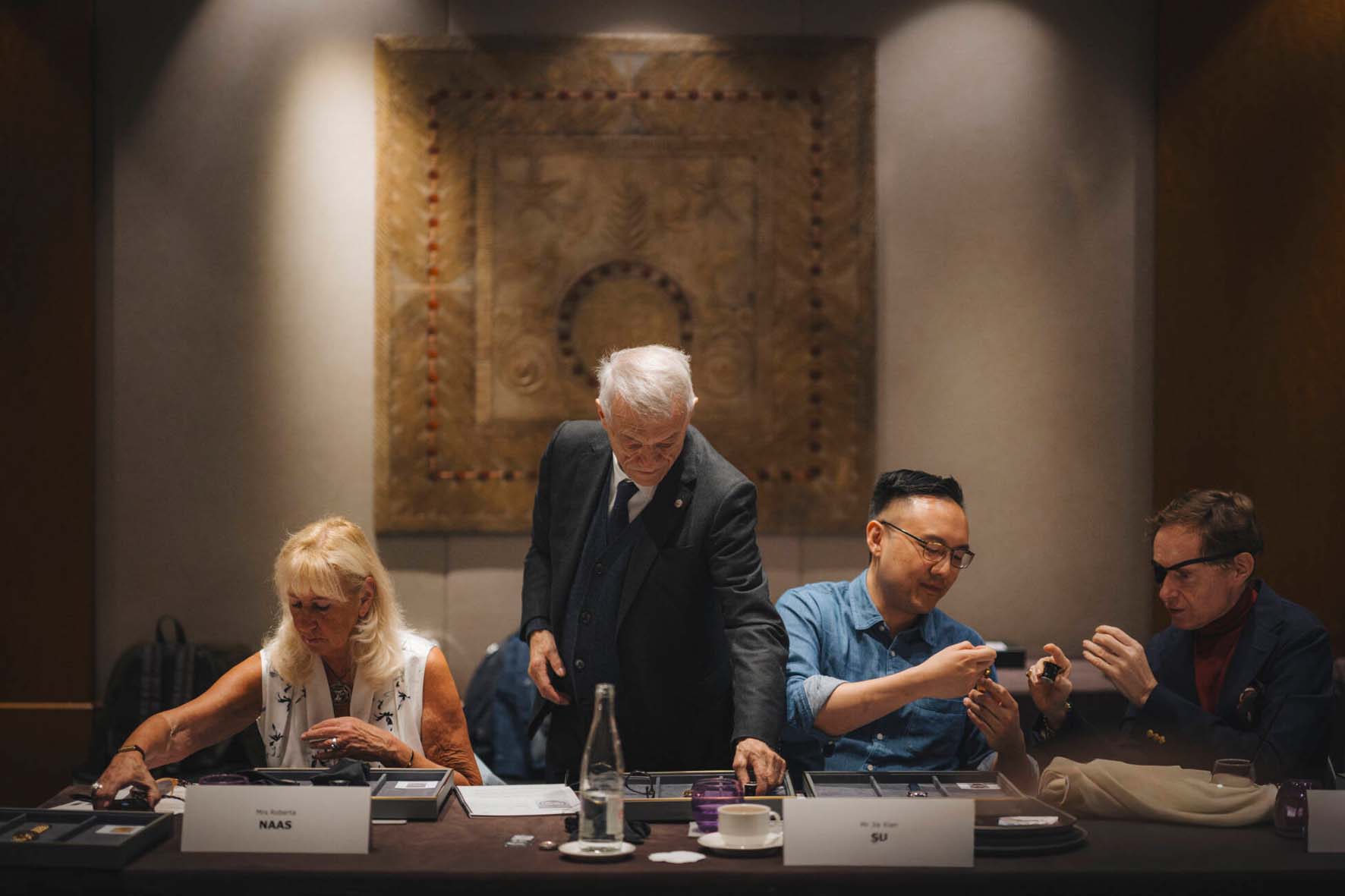
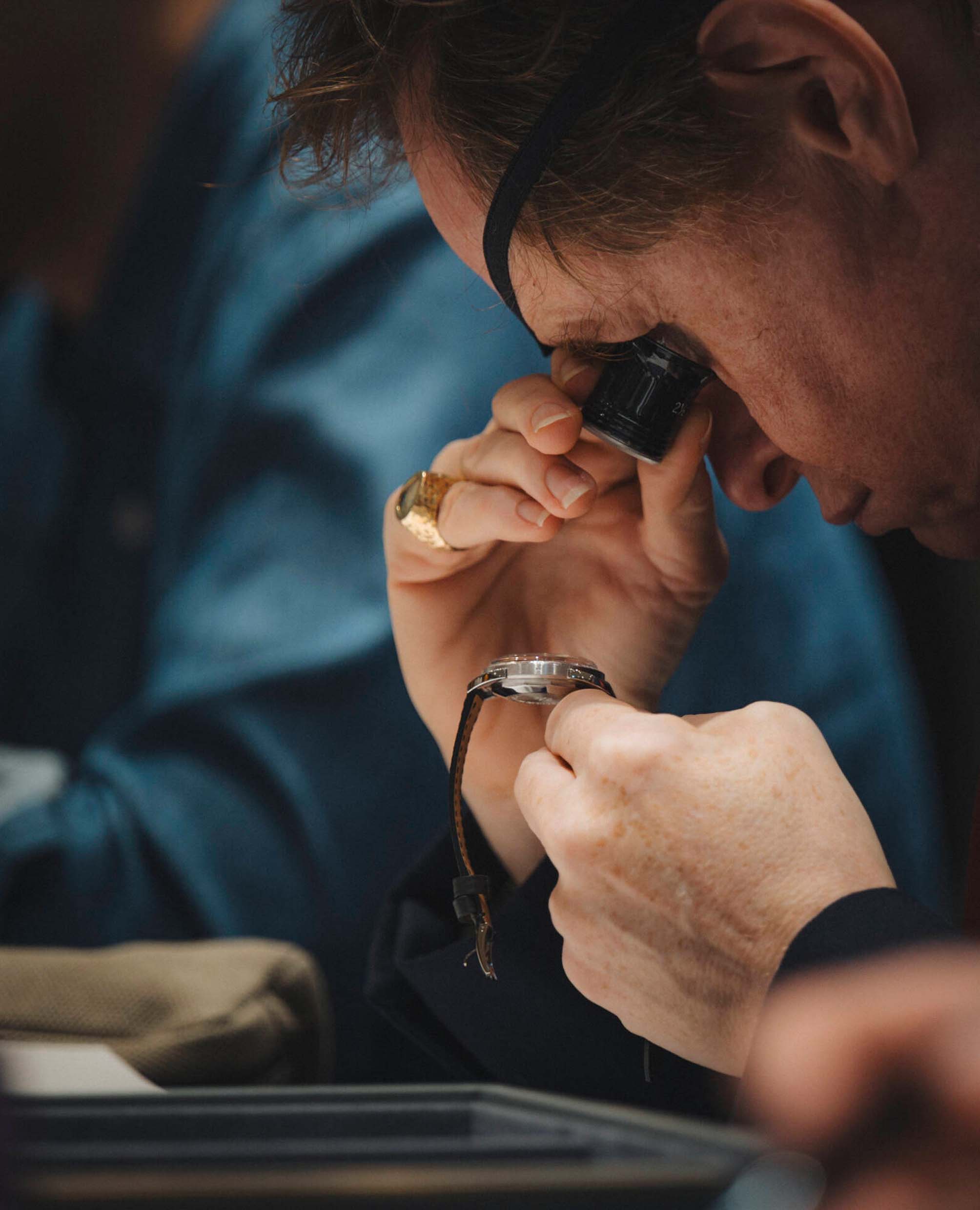
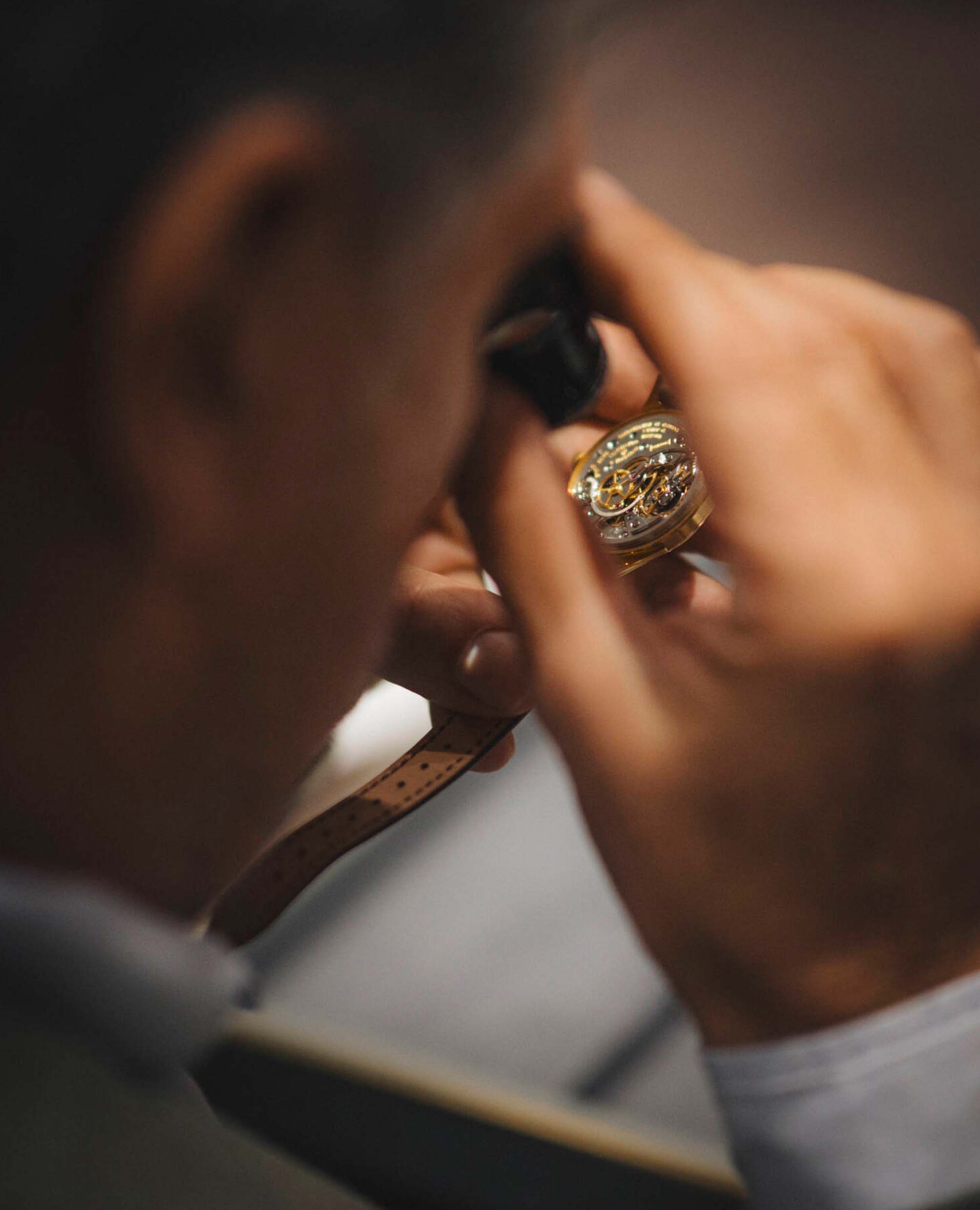
A seemingly simple idea, but one that was far from straightforward to bring to life. Evaluating a historic timepiece means looking beyond its aesthetic and technical qualities, taking into account its rarity, provenance, originality, condition and the stories that have accompanied it over the years.
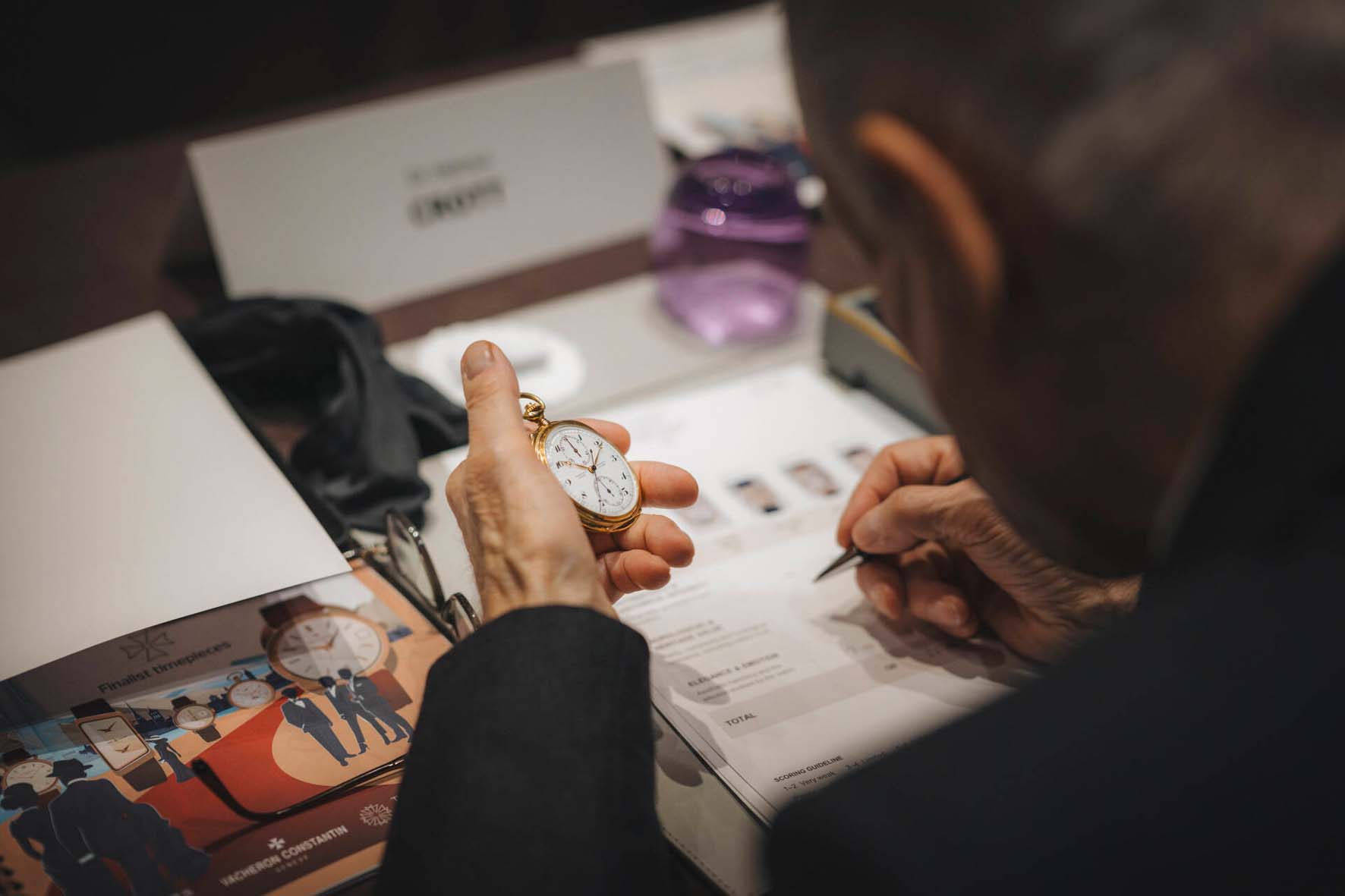
Collectors responded enthusiastically. More than 550 entries from around the world, including pocket watches and wristwatches produced between 1755 and 1999, were examined by Vacheron Constantin’s watchmakers and Heritage department specialists. An initial selection identified 95 timepieces, which were subsequently assessed by the jury before the 34 finalists were chosen across seven categories.
The process took months of work and enabled the Maison to deepen its knowledge of little-documented creations, some of which had never been examined directly by its own experts. The result was a competition that gave equal importance to horological and historical significance, while recognising the role of the people who have preserved these timepieces over the years.
AN INTERNATIONAL JURY, WITH TWO ITALIANS AMONG ITS MEMBERS
The jury was co-chaired by Aurel Bacs, Senior Consultant at Phillips in Association with Bacs & Russo, and Christian Selmoni, Style and Heritage Director at Vacheron Constantin. They were joined by twelve distinguished figures representing different areas of the international watchmaking world.
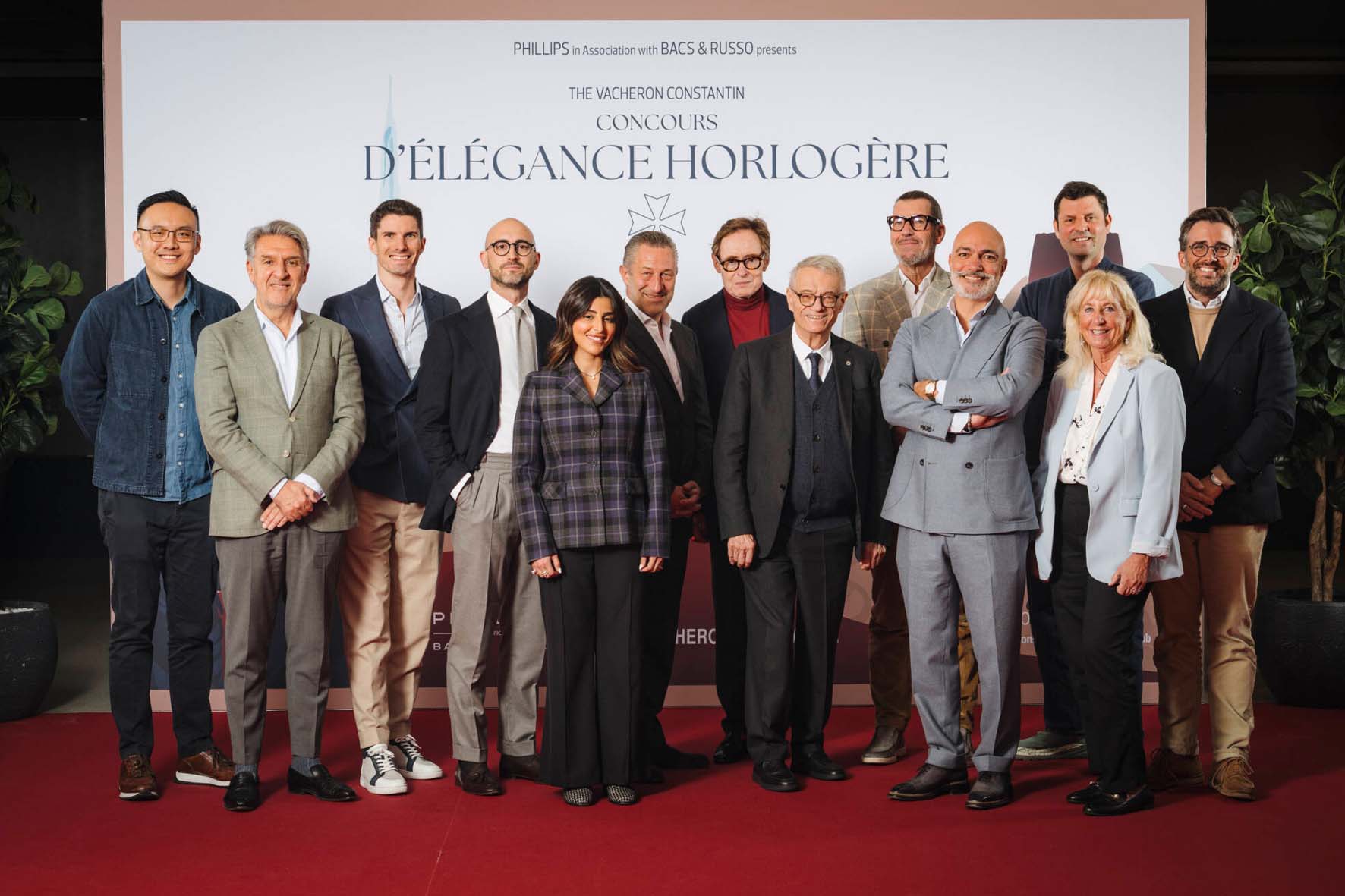
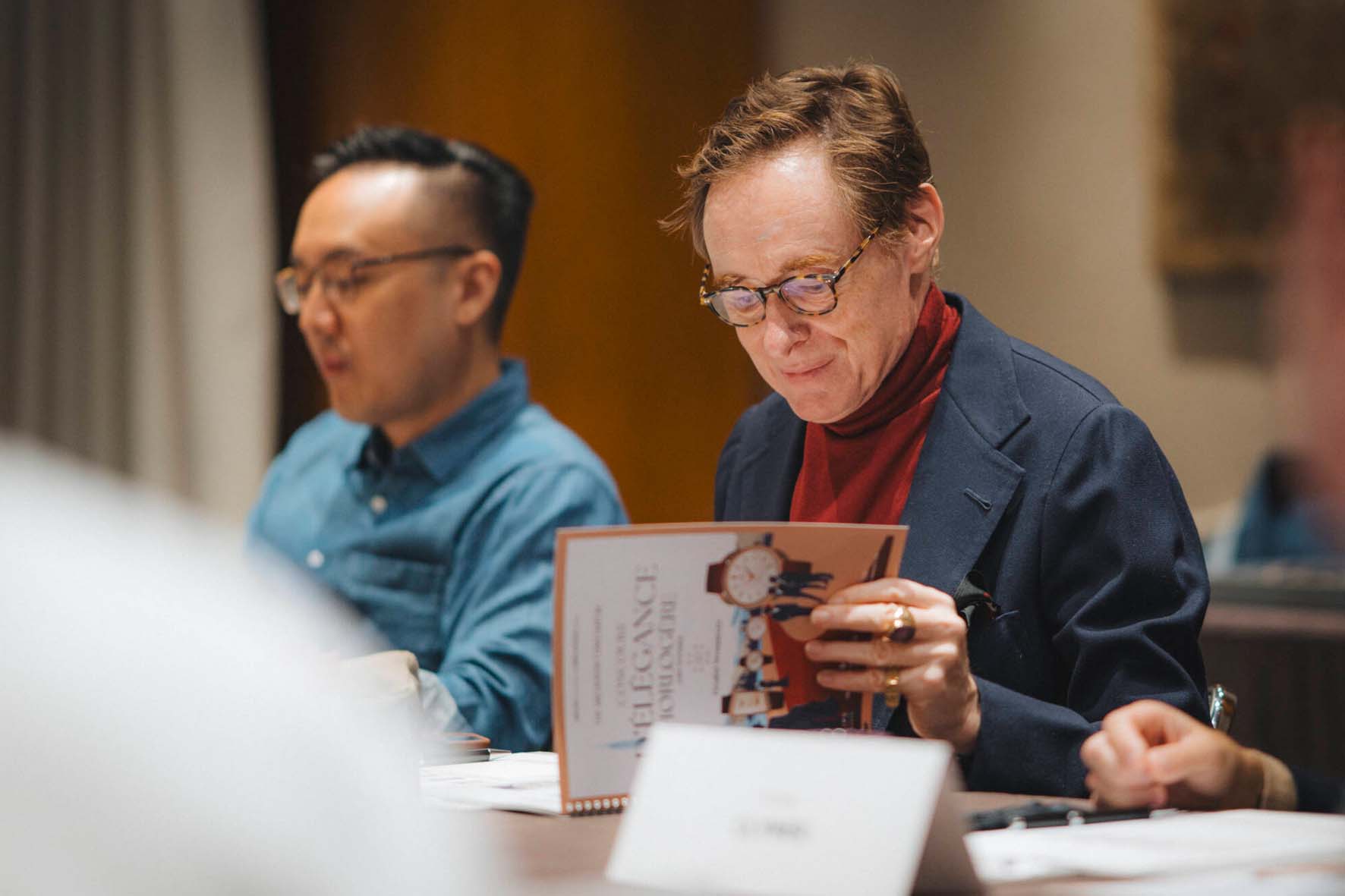
Among them were Carlos Alonso, founder of Tiempo de Relojes and SIAR, Yasmine Alshathry, collector and founder of CLÉ, Felix Baumgartner, co-founder and CEO of URWERK, and Benjamin Clymer, founder of Hodinkee. They were joined by Helmut Crott, vintage watch expert, collector and author, Nicholas Foulkes, historian and journalist, Alexandre Ghotbi, Vice President and Head of Phillips’ Europe and Middle East department, and Morgan Maillard, Style and Heritage expert at Vacheron Constantin.
Completing the jury were Roberta Naas, watch journalist and author, and Jia Xian Su, founder of SJX Watches.
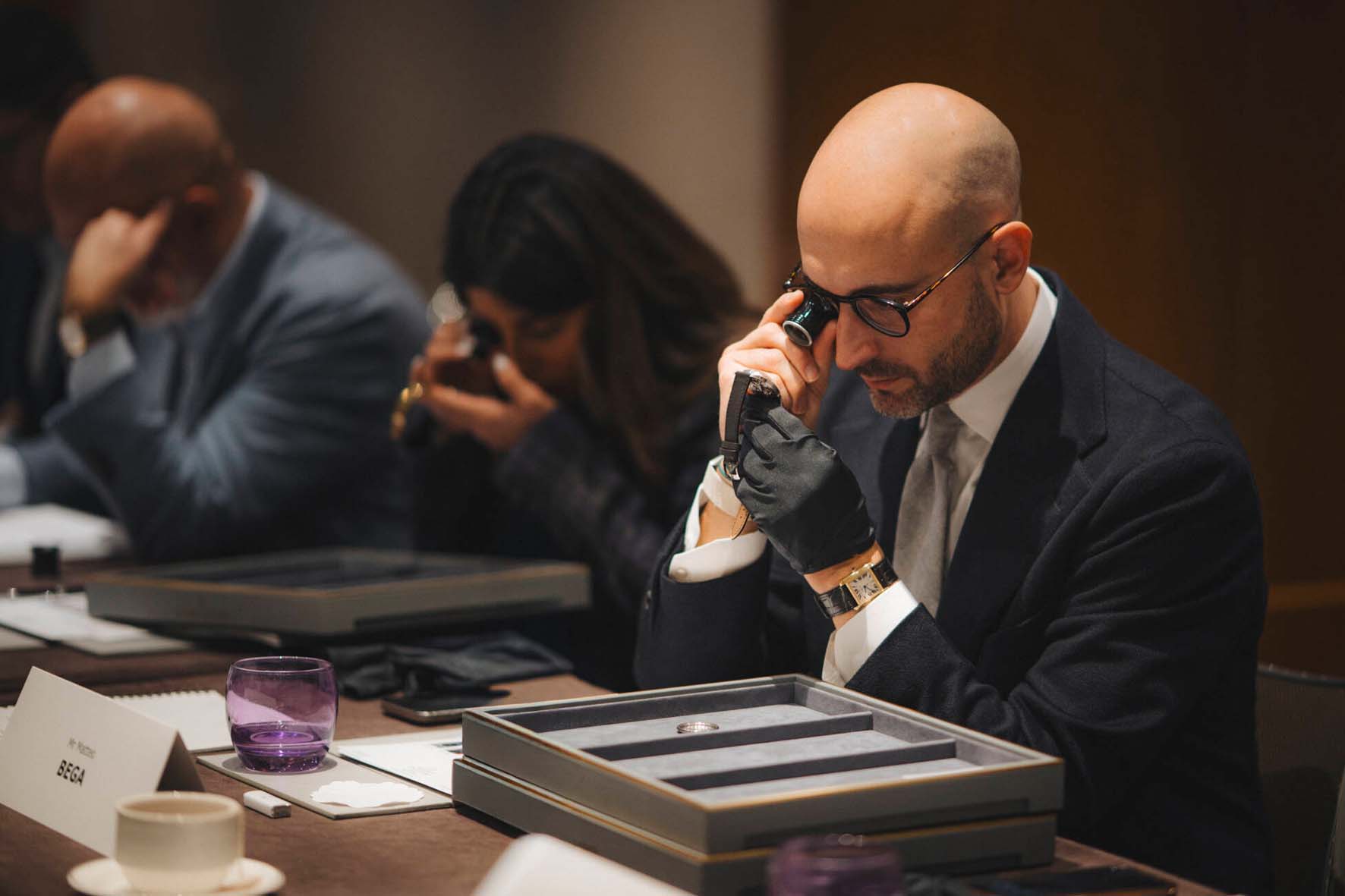
Two Italian names were also part of the jury: Auro Montanari, known in the collecting world as John Goldberger, an author and leading expert in vintage watches, and Matteo Bega, founder of Perpetual Passion and a colleague whom we had the pleasure of meeting in Geneva, sharing several moments of the evening together.
An accomplished panel bringing together technical expertise, historical knowledge and different aesthetic perspectives to assess timepieces that were often difficult to compare.
THE WINNERS OF THE CONCOURS D’ÉLÉGANCE HORLOGÈRE 2026
The ceremony on 10 November brought the selection process to a close with the presentation of seven category awards and the Best of Show, the jury’s special prize.
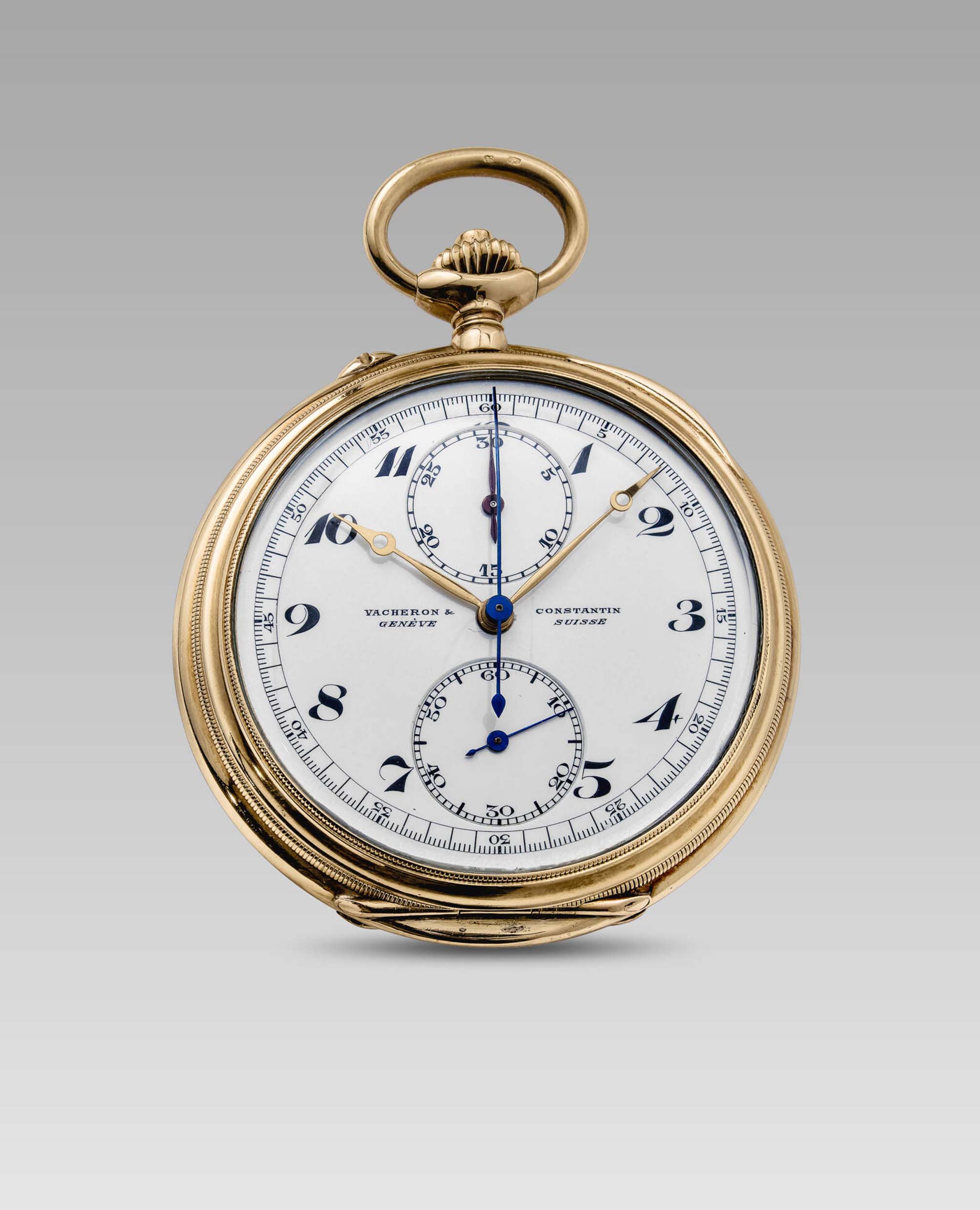
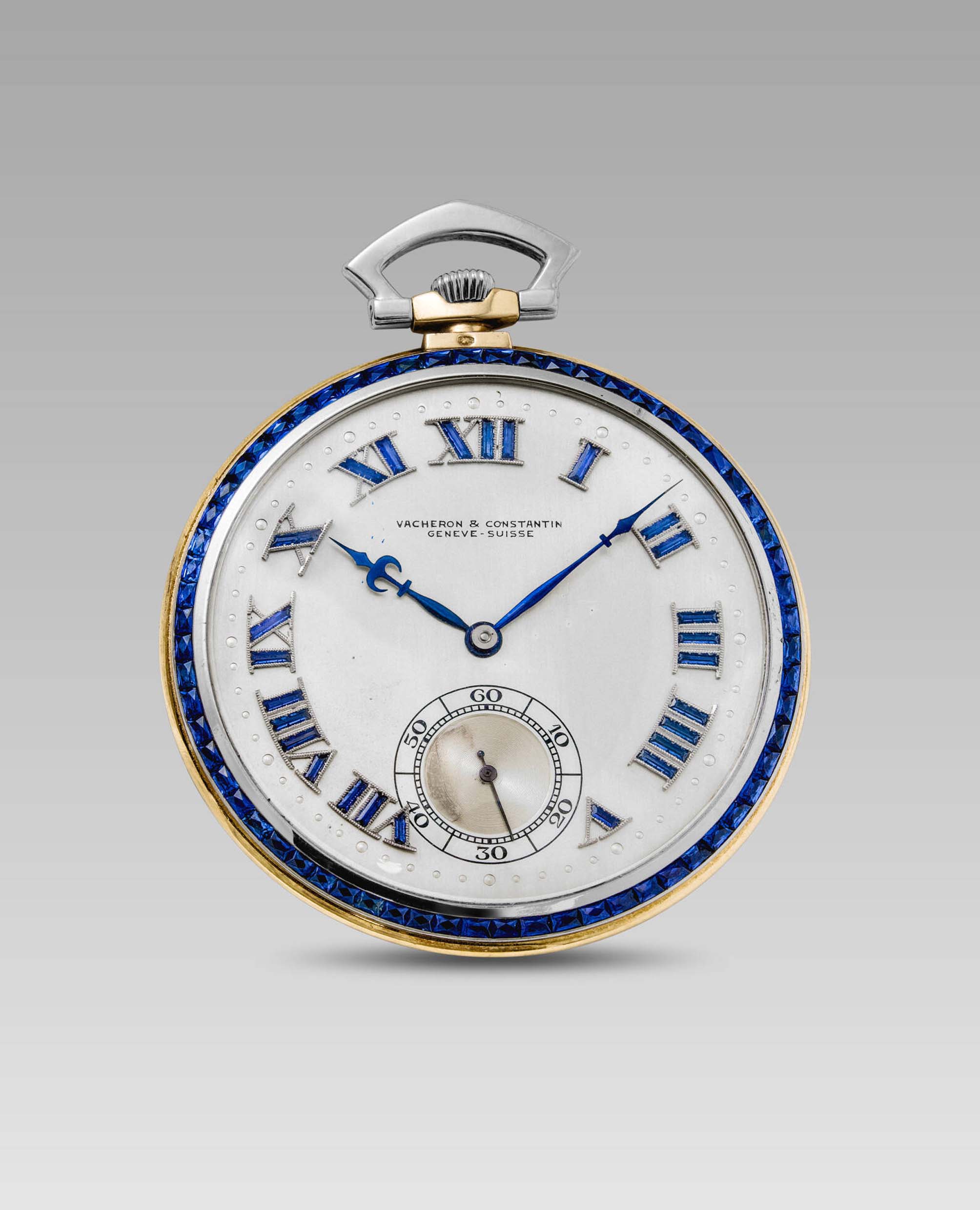
In the Chronographs category, the winner was a Pocket Watch – 1929, a yellow-gold monopusher pocket chronograph that once belonged to Gregorio Marañón, the celebrated Spanish physician and intellectual. The Métiers d’Art award went to a Pocket Watch – 1930, adorned with sapphires and linked to the history of King Alexander I of Yugoslavia.
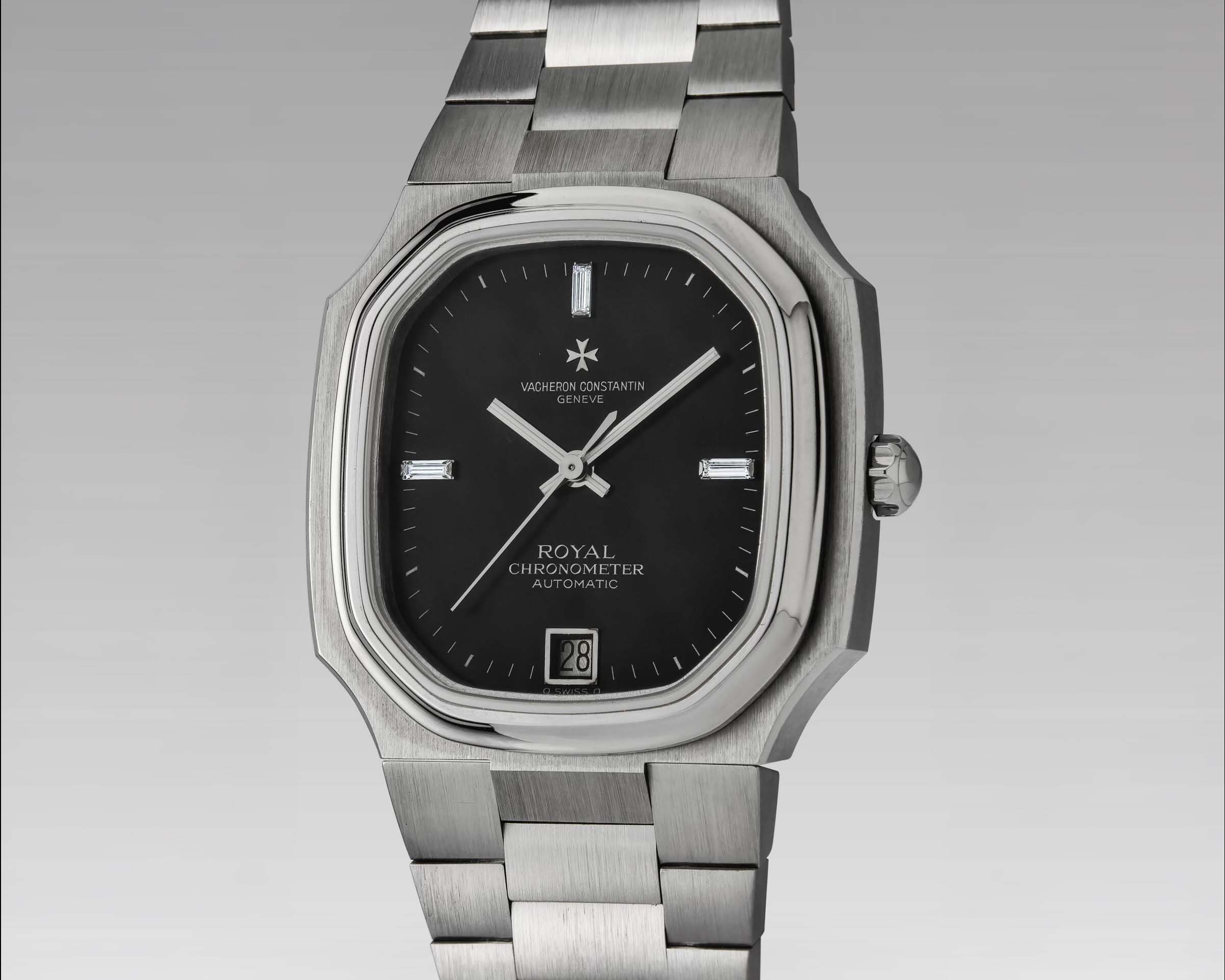
The Chronomètre Royal category was won by a Royal Chronometer – 1976, reference 2215, a stainless-steel model distinguished by its unusual shaped case and black dial with three diamond hour markers.
In the Multiple Complications category, the celebrated Retrograde Full Date and “Don Pancho” Minute Repeater – 1940 took the prize. A unique piece featuring a minute repeater, day-of-the-week indication and retrograde date, it was commissioned by Spanish entrepreneur Francisco Martínez Llano, who had made his fortune in Chile.
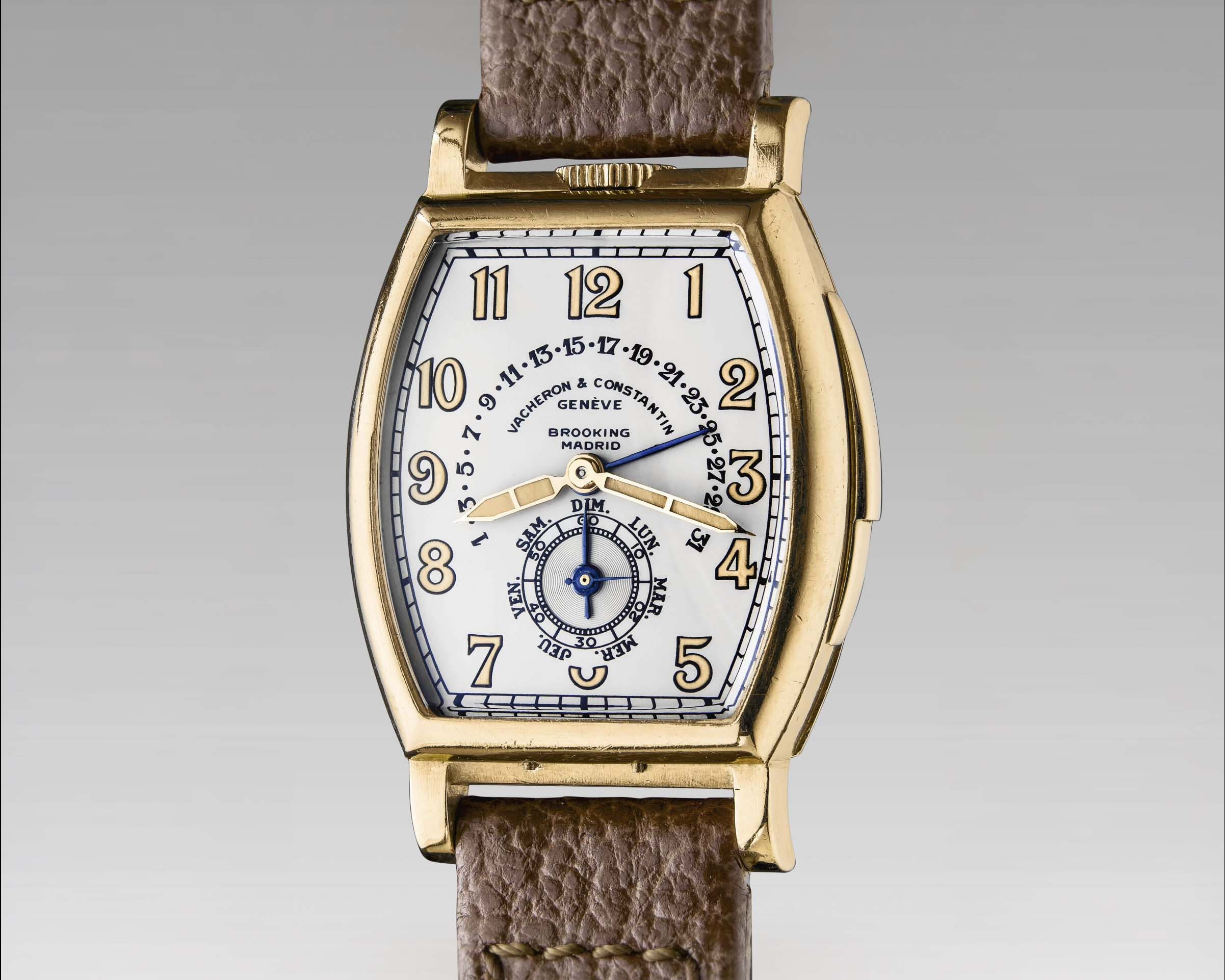
We had already covered this watch in 2020, during our interview with Marcello de Marco, Senior International Specialist at Phillips, in which we discussed some of the most significant results achieved at international watch auctions. Among them was the Don Pancho, which sold in Geneva in May 2019 for 740,000 Swiss francs. Seeing it among the winners of this inaugural Concours d’Élégance Horlogère adds another chapter to its remarkable history.
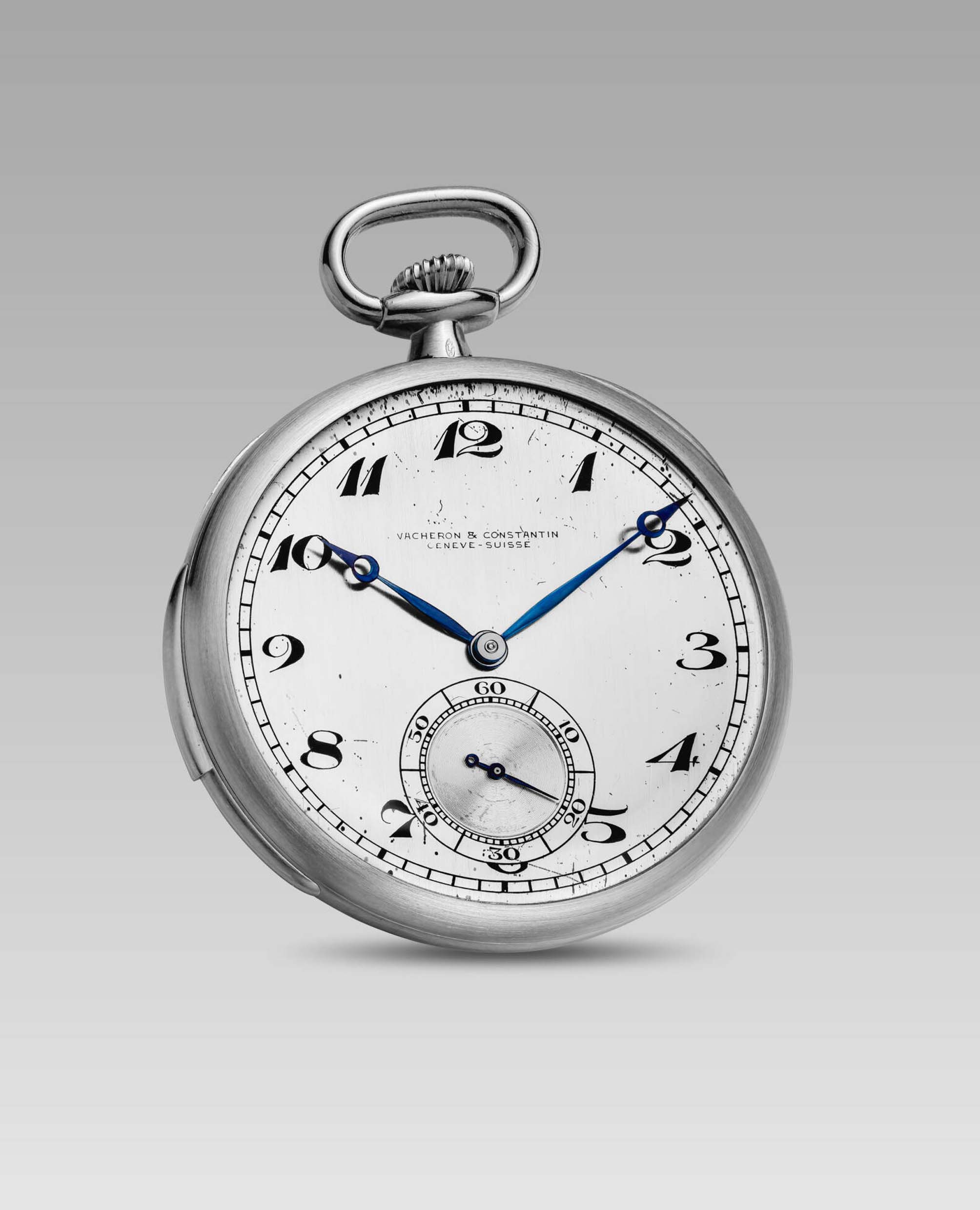
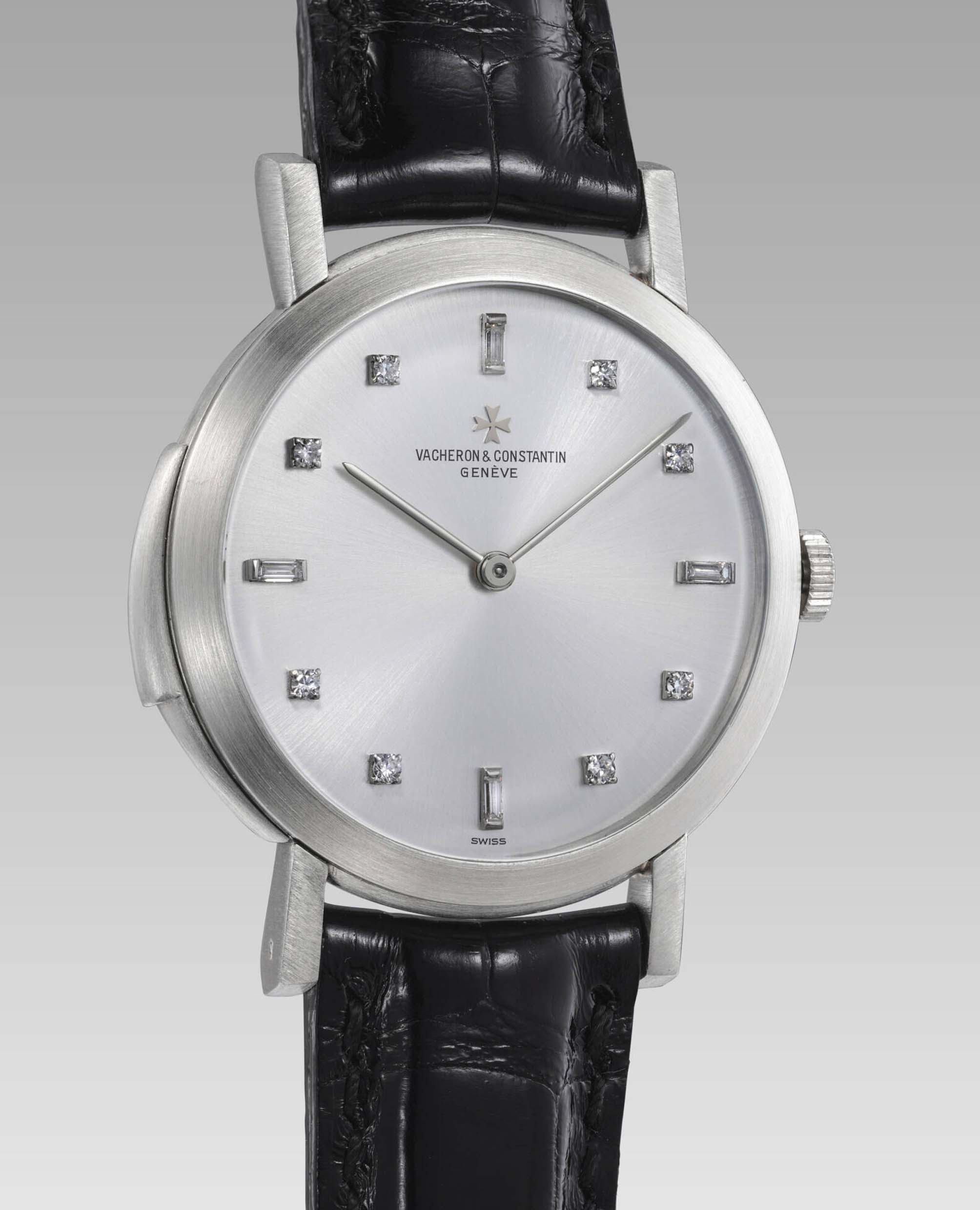
The Chiming Mechanisms award went to a Pocket Watch – 1926 in platinum with a minute repeater, while the Best of Show was awarded to the Minute Repeater Watch – 1962, reference 6448: a unique platinum timepiece with a silver-coloured dial and diamond hour markers, housing a sophisticated ultra-thin minute-repeating movement within a case of understated elegance.
SANDRO FRATINI: TWO AWARDS WITH AN ITALIAN CONNECTION
While the presence of two Italians on the jury was already a source of satisfaction, the awards ceremony brought a further surprise: two of the winning watches belong to the collection of Sandro Fratini, one of the most prominent figures in Italian and international watch collecting.
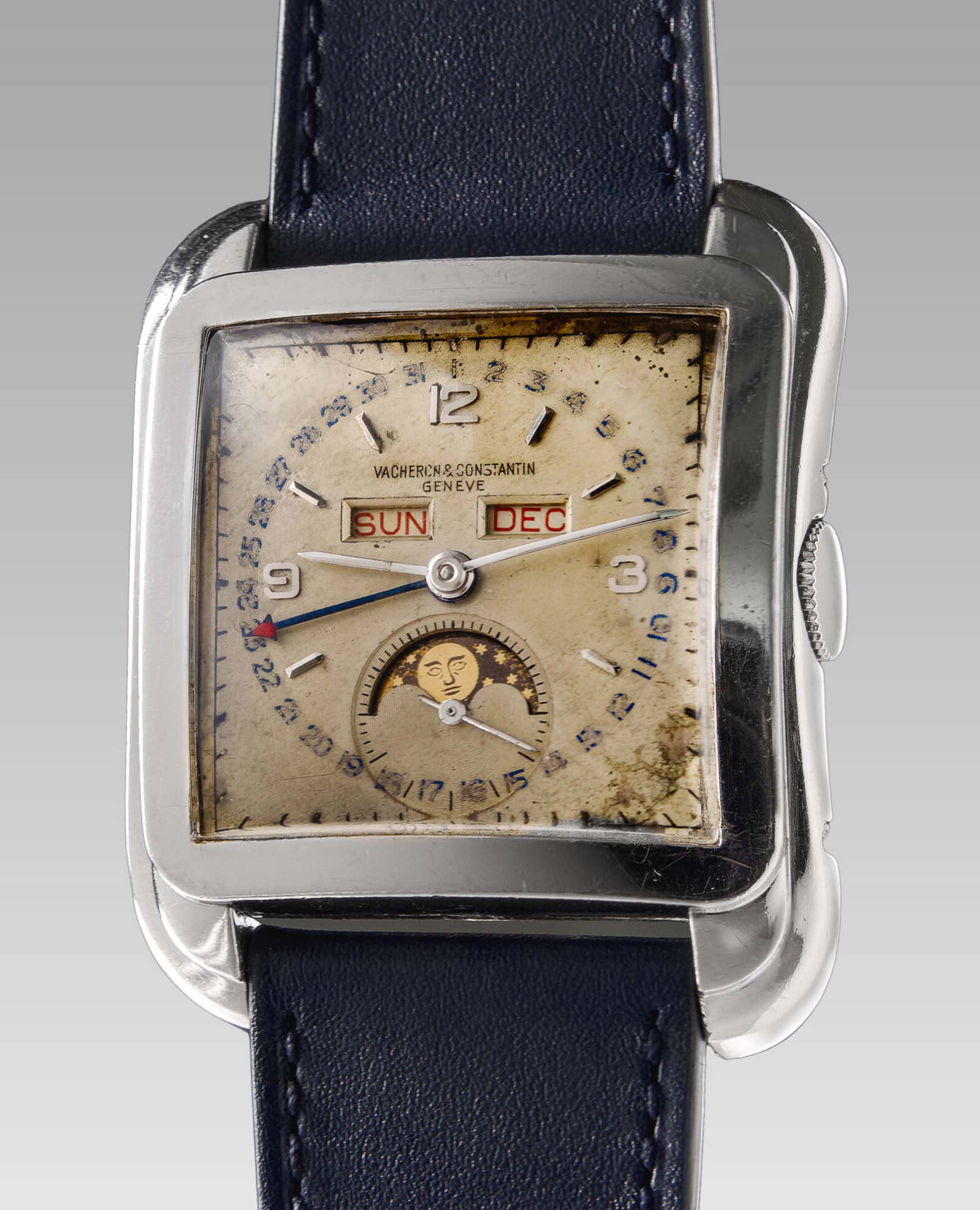
The first is a Full Date and Moon Phase – 1957, reference 4764, winner of the Astronomical Complications category. Known among enthusiasts as the Cioccolatone, it is a unique platinum timepiece featuring a rectangular 34 × 43 mm case and powered by the hand-wound calibre 495, with a complete calendar and moon-phase indication.
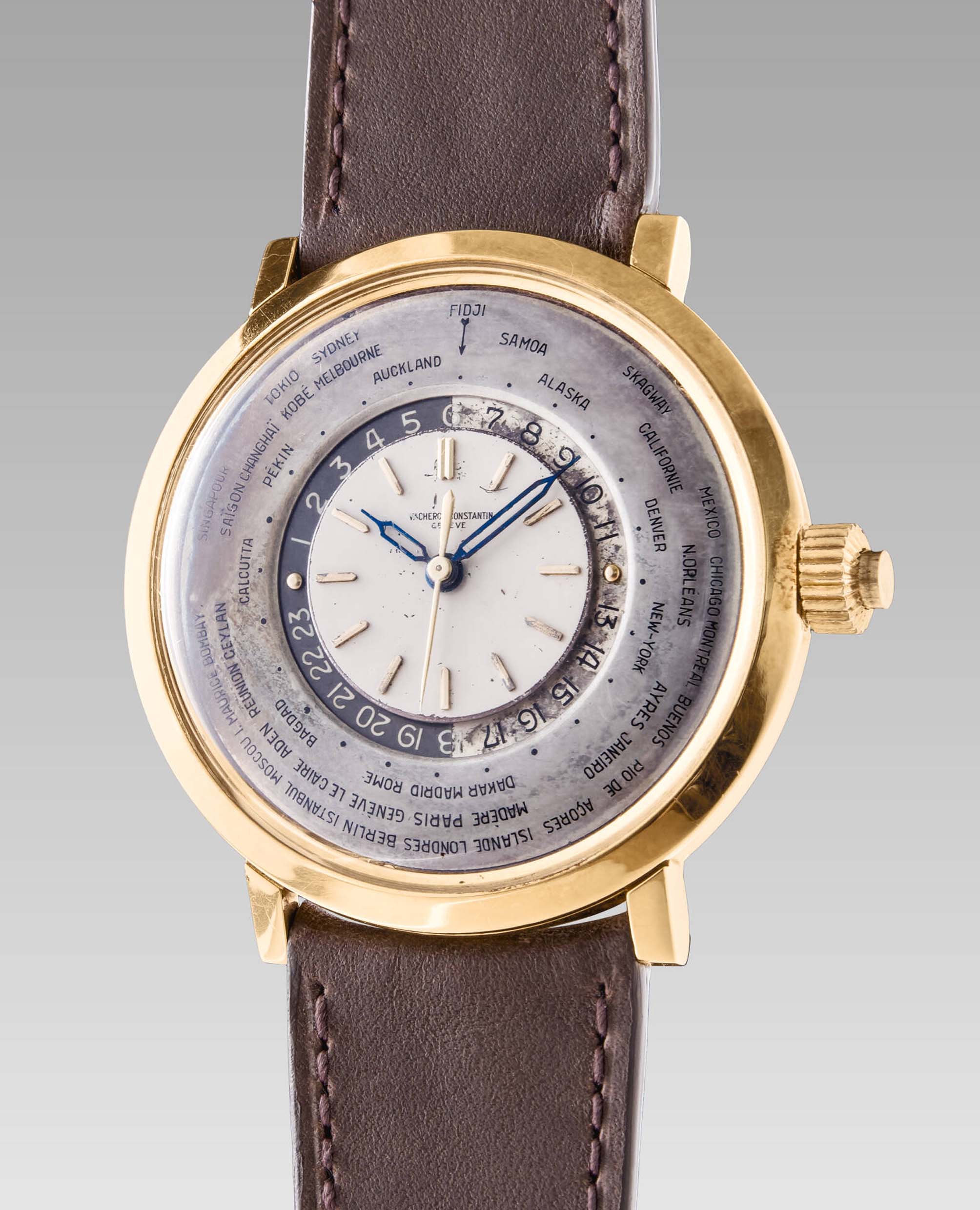
The second, awarded in the Design category, is an extremely rare Wristwatch – 1957, reference 6213, featuring a 40 mm yellow-gold case, the self-winding calibre 1019 and the world-time mechanism developed by Louis Cottier. A particularly significant model, acquired in Miami from the collection of Anna Colombo and considered by the Maison to be probably unique.
Two very different watches, one featuring astronomical complications and the other designed to display different time zones, which twice brought Italian watch collecting into the spotlight in Geneva. A result we welcomed with particular pride, especially considering the quality of the other competing timepieces and the expertise of the jury.
BEYOND THE AWARDS, THE VALUE OF THE STORIES
Beyond the awards themselves, one of the aspects that struck us most was the role of private collections in preserving horological heritage. Behind many of the timepieces presented lie personal stories, pieces handed down through generations and details that rarely find their way into official archives, yet help define their identity and significance.
And perhaps this is the greatest achievement of Aurel Bacs’ vision: creating an opportunity to bring these stories back into focus, giving a voice to those whose passion helps preserve them.
We are delighted to have been part of this first edition of the Concours d’Élégance Horlogère. Our two days in Geneva gave us the chance to discover a project we believe in and share our passion for watchmaking with people from around the world. We hope the initiative will continue to grow and establish itself as an important event on the horological calendar. And, of course, we hope to return and cover the editions to come.
By Jacopo Giudici