

From a workshop of just 15 square metres to a new space spanning more than 170 in the heart of Milan. With its new LAB, PISA 1940 returns to the symbolic place where it all began, transforming it into a centre dedicated to watch care, bringing collectors together and sharing watchmaking culture.
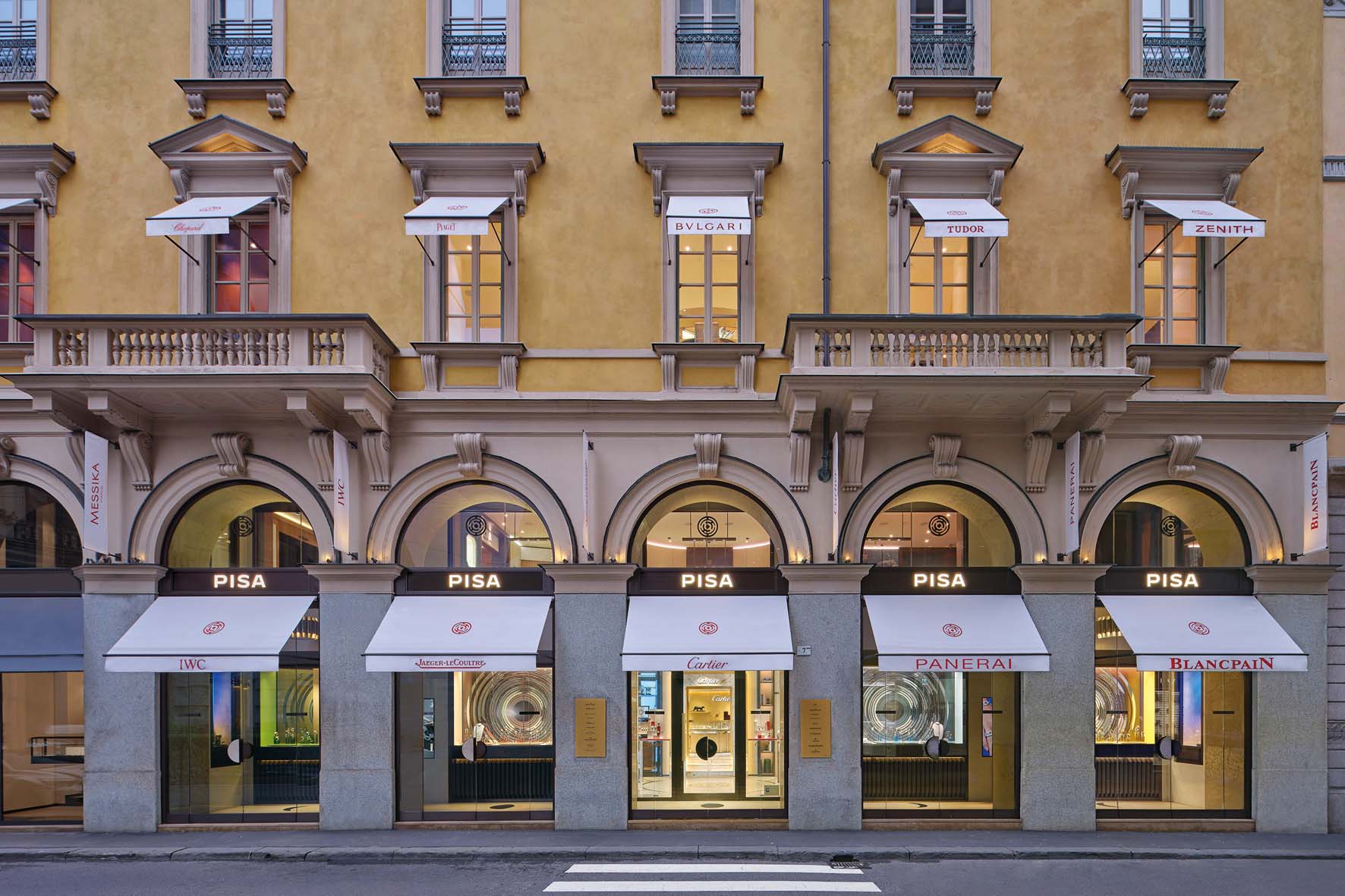
Before becoming one of Milan’s leading destinations for fine watchmaking, Pisa was a small 15-square-metre workshop on Via Verri, with just a single shop window. Behind that glass, among precision tools, watches and clocks waiting to be repaired, an approach to service based on technical expertise and trust began to take shape. Sales and after-sales service shared the same space, and the relationship with customers was built first and foremost on the ability to care for their timepieces. It was at that first workbench, in 1940, that a story began which would go on to accompany the evolution of watchmaking in Milan.
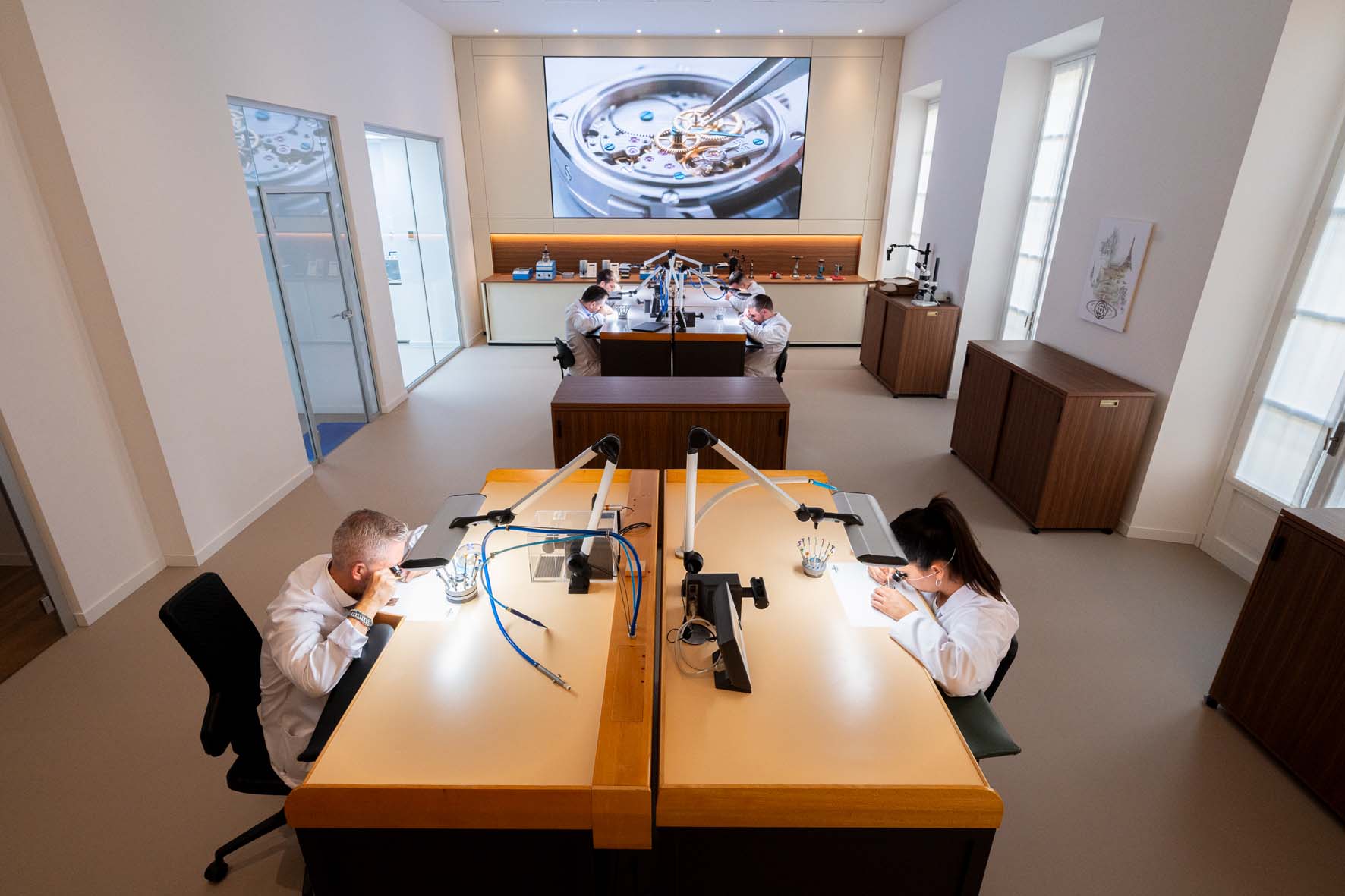
More than eighty years later, PISA 1940 symbolically returns to that first workbench with the opening of a new laboratory spanning over 170 square metres. The scale has changed, as have the tools, the expertise required and the complexity of the watches being serviced. Yet the underlying philosophy remains the same: the relationship with a timepiece does not end at the moment of purchase, but continues over the years through maintenance, servicing and the wealth of knowledge required to preserve its precision, beauty and value.
THE ORIGINS OF PISA 1940: A STORY BORN IN A WORKSHOP
The origins of PISA 1940 predate the opening of the Milan workshop by a few years. In the early 1930s, Divino Pisa, the second of thirteen siblings, founded Italy’s first watchmaking school in Milan, a place where young craftsmen could learn the trade. He was soon joined by his brothers Osvaldo and Ugo, who arrived from Emilia-Romagna with a passion for micromechanics that would eventually become the family profession.
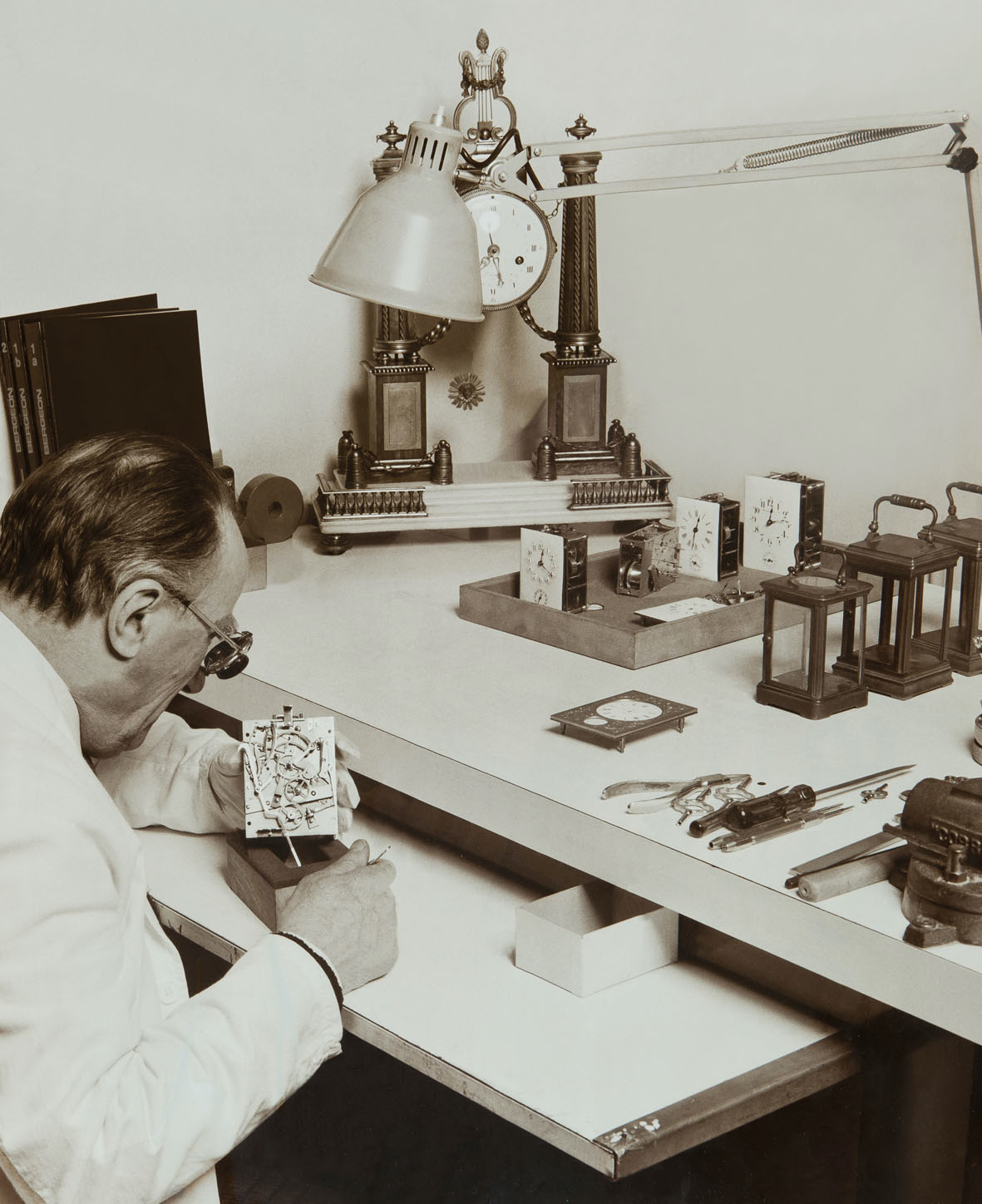
In 1940, Osvaldo opened the Fratelli Pisa workshop on Via Verri. The business, slowed by the war, regained momentum in 1946 with the arrival of Ugo, who saw a watch not merely as a technical object, but also as an expression of ingenuity, craftsmanship and beauty. Watches and clocks were repaired within those few square metres and, year after year, a reputation was built on professionalism and timely service. The workshop was not simply an ancillary part of the store: it was its very heart, the place where technical expertise and personal relationships came together.
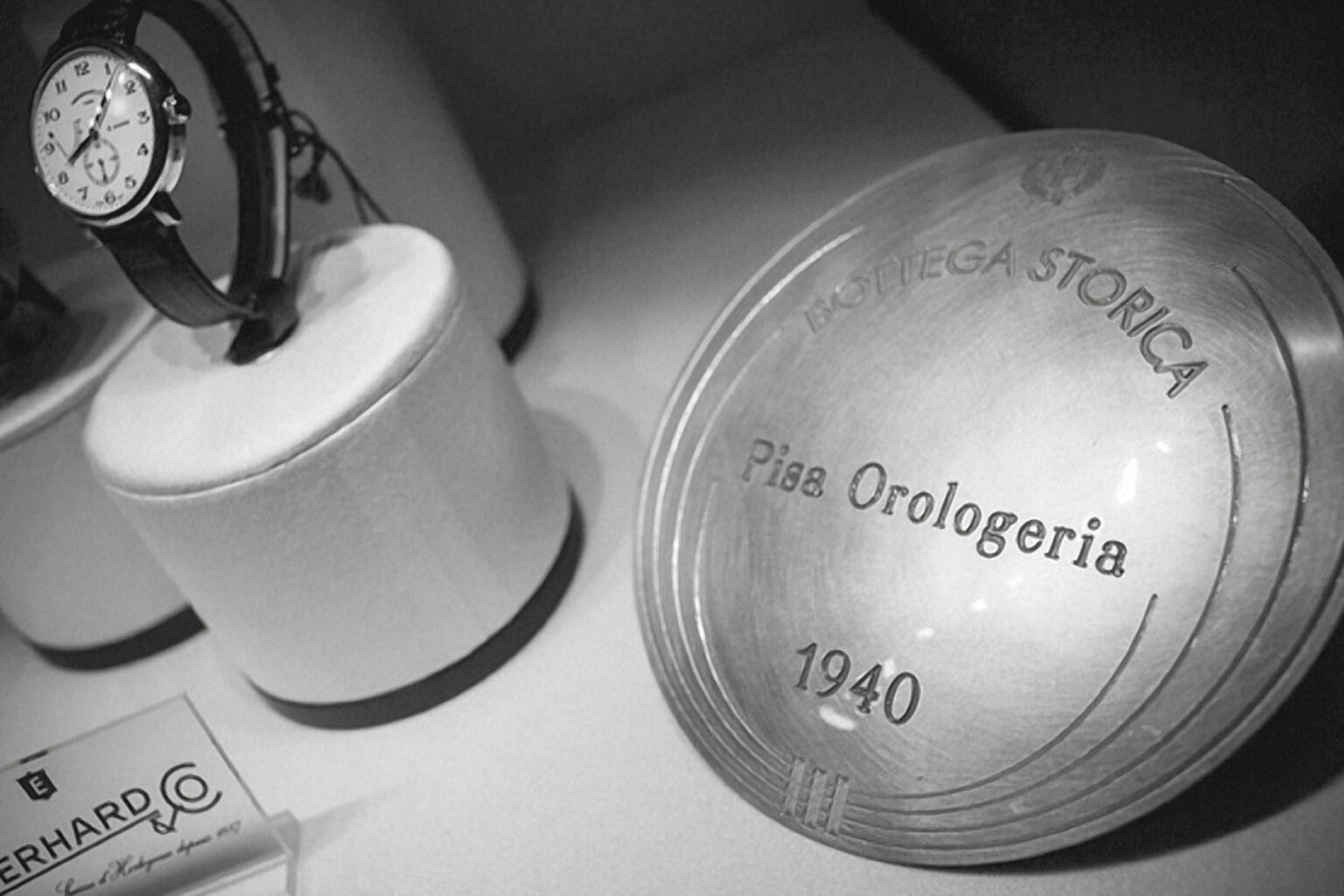
This is also why the opening of the new LAB represents a return to the company’s origins. It is neither an exercise in nostalgia nor an attempt to recreate the atmosphere of a workshop from the past, but rather a desire to bring back to the forefront the very foundation from which PISA 1940 began to grow. As Chiara Pisa recalls, her grandfather Ugo regarded watches as “living objects”, comparing their ticking to the beating of a heart. An image that captures both the nature of a mechanical object in constant motion and the personal bond that can develop between a timepiece and the person who wears it.
PISA 1940: MORE THAN EIGHTY YEARS OF EVOLUTION IN MILAN
The small workshop gradually evolved into a destination for fine watchmaking, frequented by Milanese and international clientele. Repairs were joined by a selection of timepieces chosen with an often forward-looking eye, while the spaces on Via Verri were progressively renovated to accommodate the growth of the business and respond to an ever-changing audience and market. Following Ugo Pisa’s death in 1971, Grazia and Maristella took up the family legacy and gave the business a new direction. In the 1980s, they opened PISA Minuti, dedicated to contemporary and creative watches; in the following decade, they renovated and expanded the historic premises, while also introducing a different way of presenting the latest releases from the Basel and Geneva watch fairs.
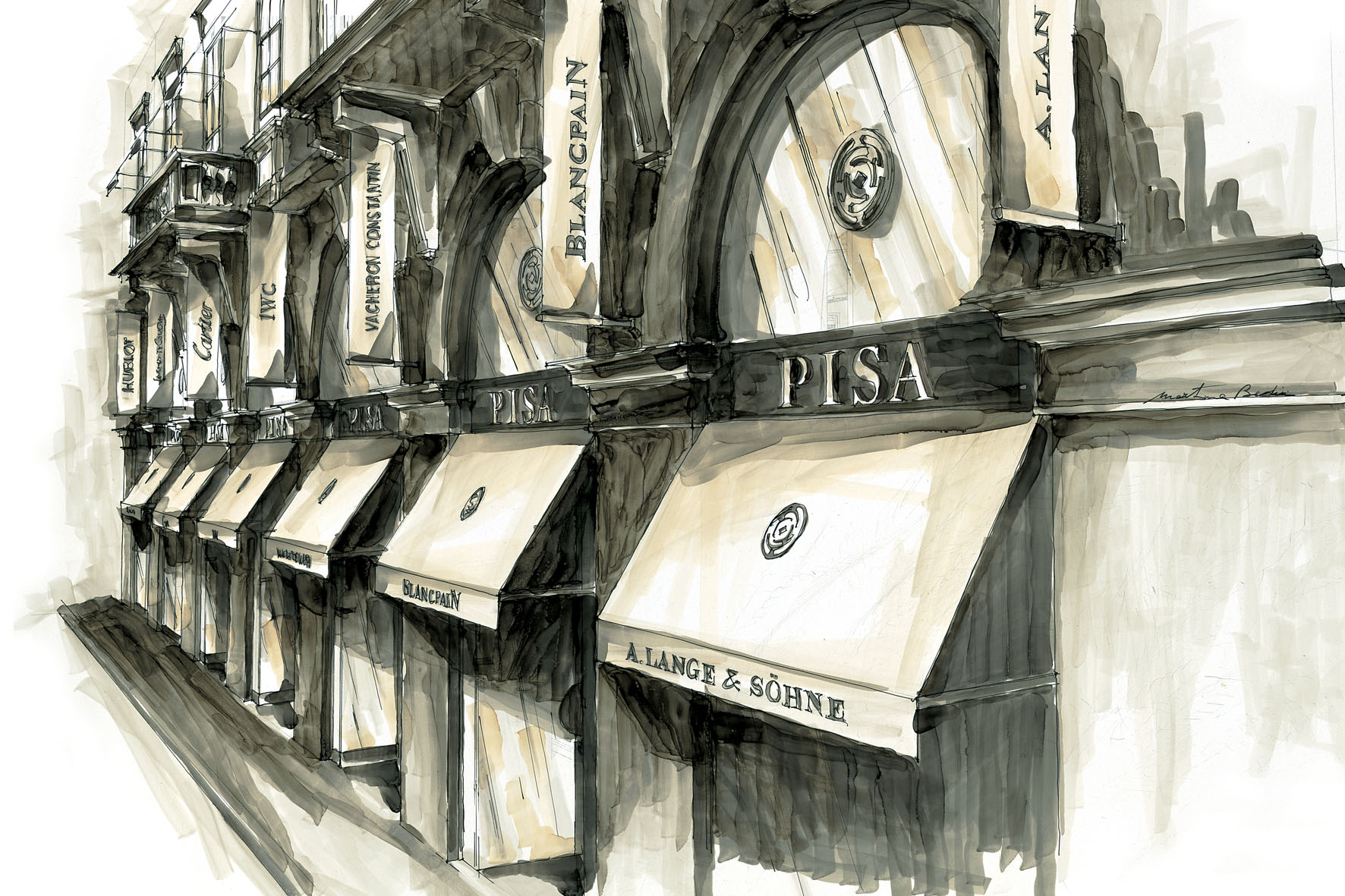
The new millennium accelerated this transformation even further. In 2008, the Rolex and Patek Philippe boutiques were inaugurated; in 2016, the flagship store at Via Verri 7 opened, followed over the years by new spaces dedicated to Vacheron Constantin, Hublot and A. Lange & Söhne. The boutiques were updated, displays reimagined and the offering expanded to include high jewellery, pre-owned watches and digital services. In 2024, the transition from Pisa Orologeria to PISA 1940reflected this evolution in the name itself, while keeping visible the year in which everything began. Throughout this succession of expansions and new projects, the spaces have never been merely a backdrop. Each development reflects a different way of interpreting the customer experience and the relationship with fine watchmaking. The new laboratory follows the same trajectory: after years of being integrated within the boutiques, technical services now return to an independent environment, autonomous yet still connected to the wider world of PISA 1940.
INSIDE THE NEW PISA 1940 LAB
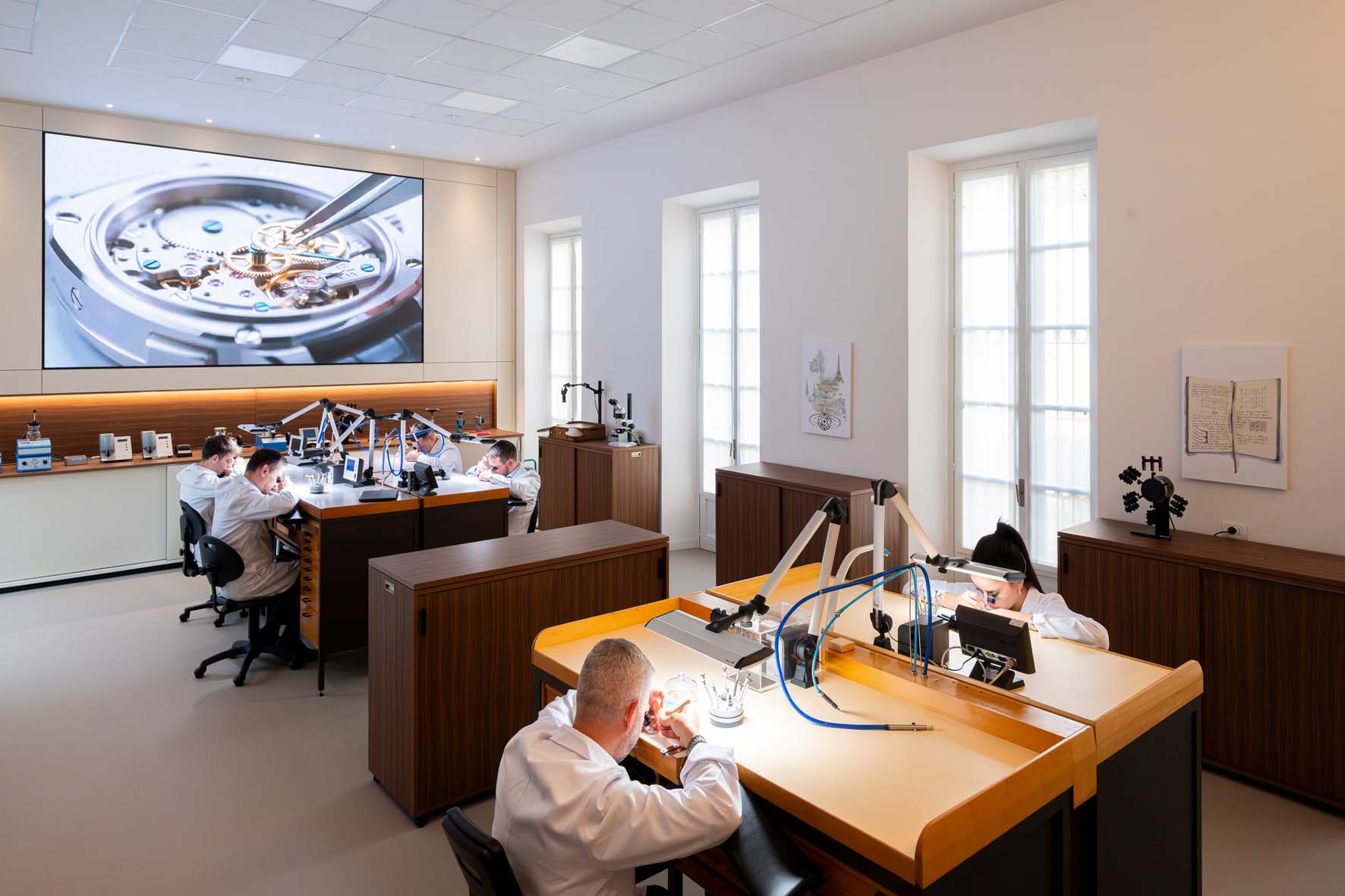
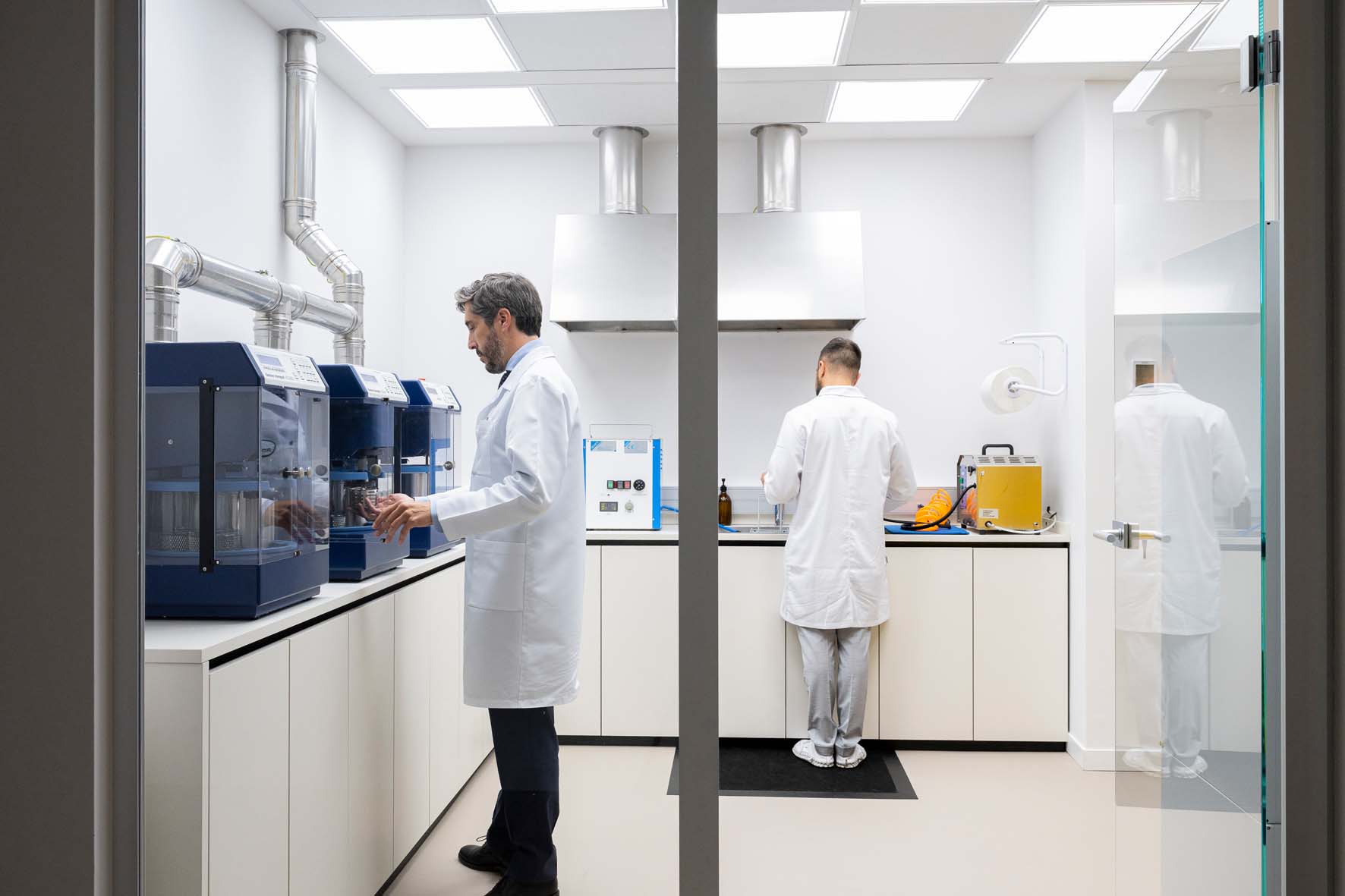
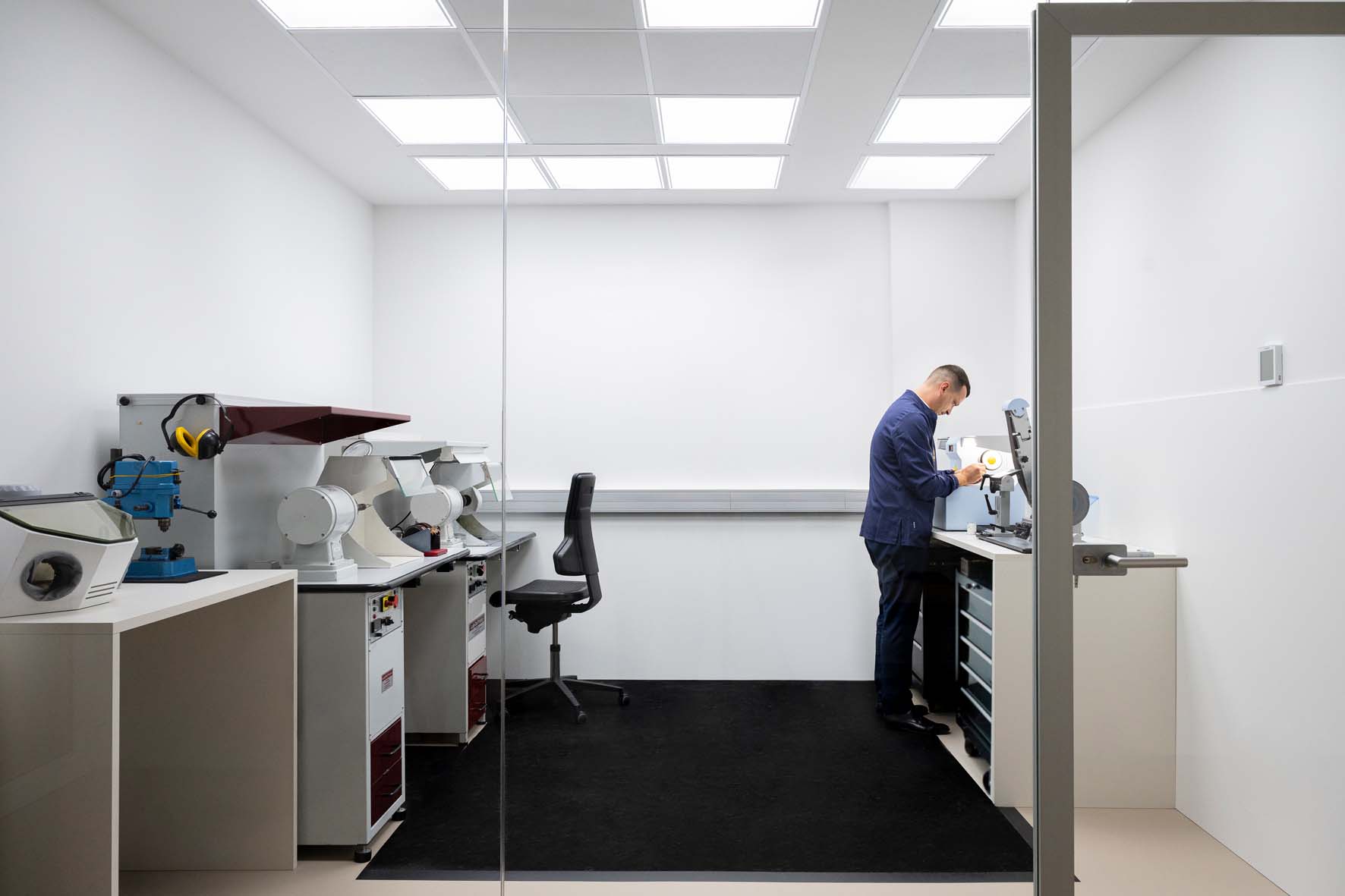
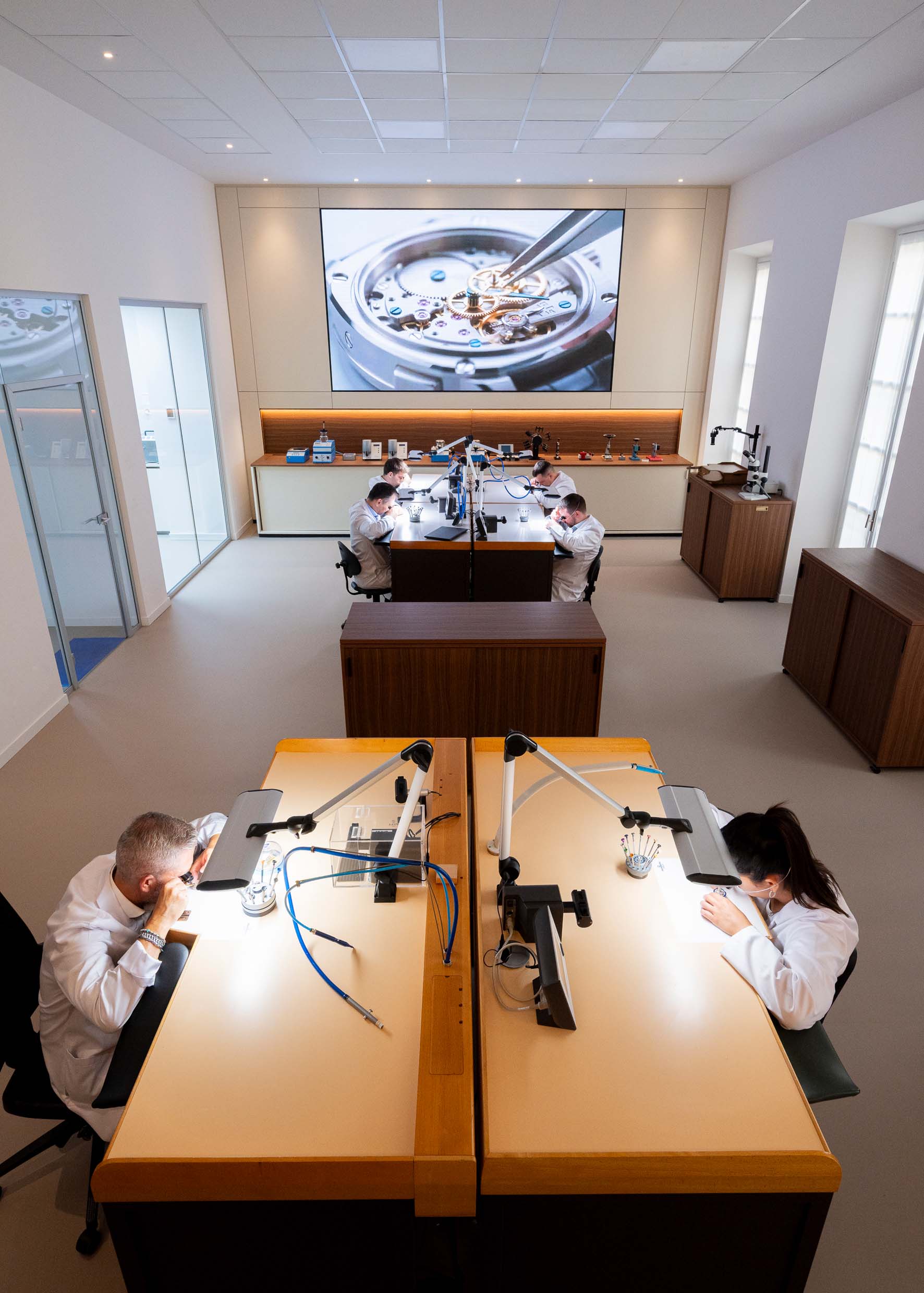
The new LAB covers more than 170 square metres, organised according to the different stages of after-sales service. One room is reserved for cleaning and sandblasting operations, while other areas are dedicated to cleaning movements, cases and bracelets. The main room features six workstations equipped to handle both quicker interventions and more precise operations, visually evoking the character of a traditional watchmaking workshop through a clean, contemporary design. Uniform lighting, large work surfaces and carefully organised workstations create an environment designed to encourage concentration and control at every stage of the process. Microscopes, tools and components, meanwhile, bring the focus back to the essence of the craft: minute gestures, observation and patience. Supporting the watchmakers are machines for water-resistance testing, diagnostic equipment and technical control systems used to verify accuracy, power reserve and the correct functioning of the movement.
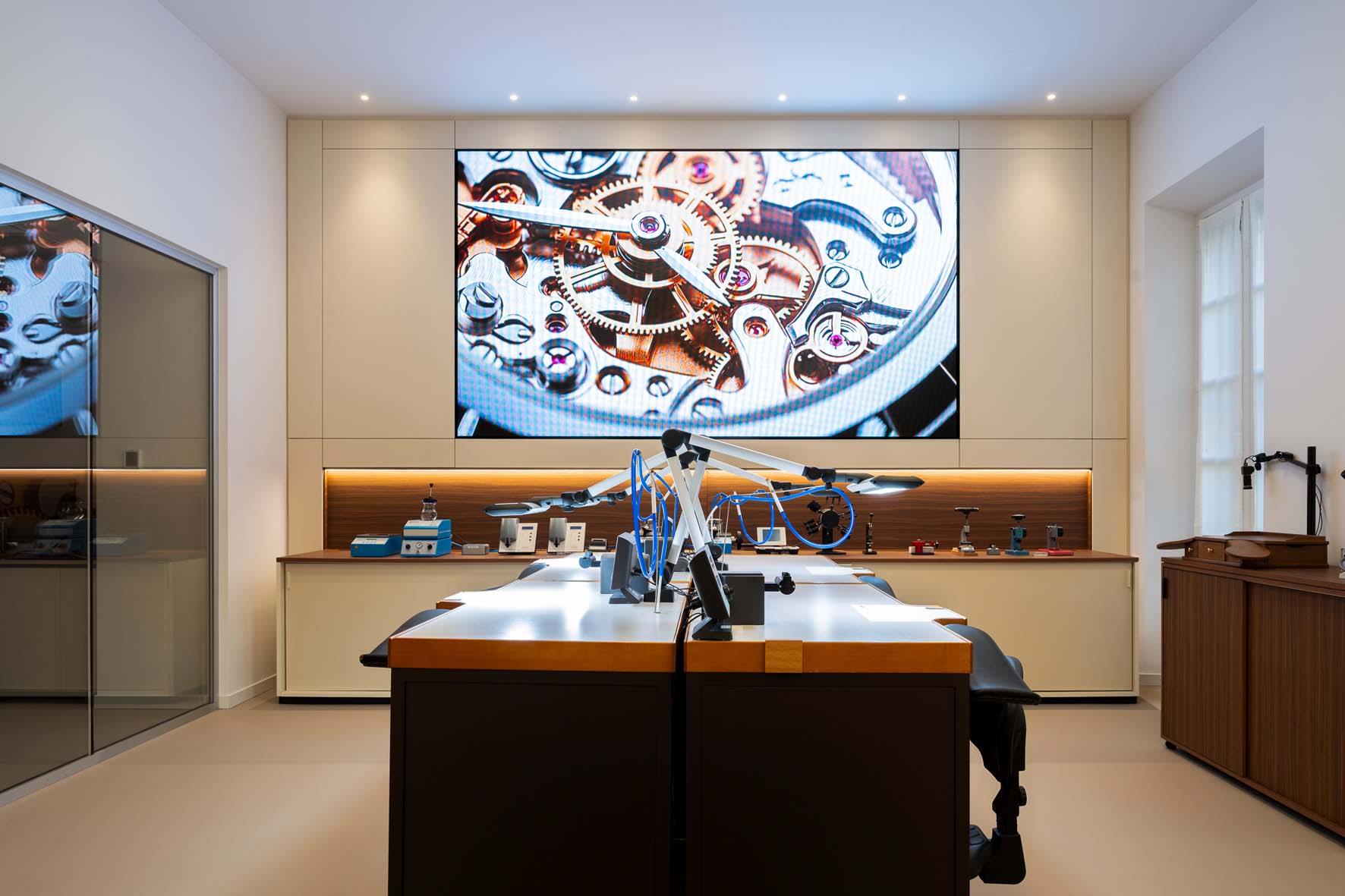
Technology, however, remains a tool in the hands of people. The LAB is staffed by a team of eight watchmaking technicianswho have completed specialist training and certification programmes with leading fine-watchmaking Maisons. It is their responsibility to interpret test results, understand the characteristics of each individual movement and determine how to proceed in accordance with the procedures established by the various brands. While the tools have become increasingly sophisticated, experience, dexterity and knowledge remain the decisive elements of the work.
QUICK SERVICE, OVERHAULS, POLISHING AND RESTORATION: ALL THE LAB’S SERVICES
The activities of the new laboratory operate on different levels, beginning with quick service, designed for faster procedures and checks that do not require a complete overhaul. This is the first level of assistance, useful for assessing the general condition of a timepiece, carrying out targeted interventions and identifying potential anomalies before they develop into more complex problems.
When a watch requires more extensive maintenance, it moves on to a complete overhaul. The process may include an initial diagnosis, disassembly of the movement, cleaning and lubrication of the components, inspection of parts subject to wear, reassembly, regulation and final checks. These procedures are complemented by water-resistance testing and an analysis of the case, crown, bracelet and gaskets. Each intervention is defined according to the characteristics of the model and, where necessary, the procedures established by the Maison. Polishing concerns the aesthetic restoration of the case and bracelet, but it is a more delicate process than it may appear. Removing micro-scratches and superficial marks requires care to avoid altering proportions, edges, geometries or the original interplay of finishes. Polished, satin-finished and brushed surfaces require different treatments, while it is also important to assess when it may be preferable not to intervene at all, particularly in the case of historic watches where traces of age can contribute to the identity of the timepiece.
Even more complex is restoration, which is not simply about returning a timepiece to an aesthetically pleasing condition. Restoration means preserving its coherence, integrity and, wherever possible, originality. On a vintage or particularly rare watch, replacing a component or refinishing a surface can affect its historical and collectible value. This is why the dialogue between technician and owner becomes an essential part of the process, turning the care of a watch into an informed and shared decision.
EVENTS AND A LIBRARY: THE LAB BECOMES A SPACE TO EXPERIENCE
For a long time, the watchmaking workshop was a hidden space, located behind the boutique or away from areas accessible to the public. The new PISA 1940 project retains the concentration and rigour required for technical work while, at the same time, seeking to reduce the distance between those who entrust their watch to the LAB and those who care for it. The technicians can welcome customers, show them what has emerged from the diagnosis and explain the work and checks required. After-sales service therefore ceases to be an invisible interlude between dropping off a watch and collecting it again, becoming instead an opportunity to better understand one’s own timepiece. The LAB therefore takes on a role that extends beyond that of a traditional service centre: not merely an operational space, but a living environment capable of transforming technical expertise into an experience to be shared.
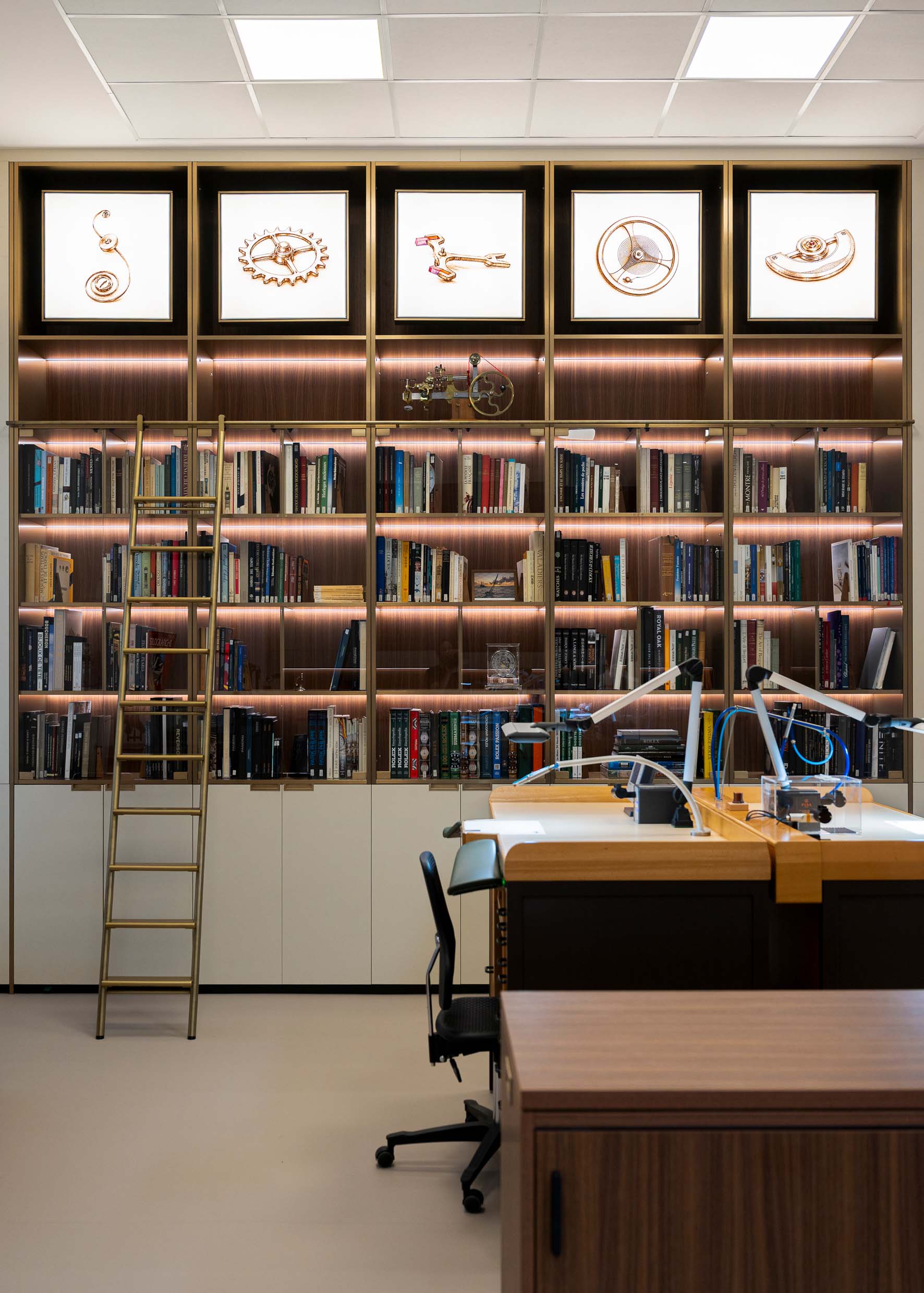
Completing the space is a library containing more than 250 volumes, ranging from historical publications and technical manuals to books dedicated to the Maisons. It is not simply a decorative feature, but a tangible representation of the wealth of knowledge that accompanies work at the bench. In watchmaking, study and hands-on experience have always gone hand in hand: understanding the evolution of a calibre, consulting technical documentation or reconstructing the history of a model can be just as important as knowing how to use a tool. “Our goal is for the laboratory to become a living space,” explains Matteo Giustarini, After Sales Service Manager at PISA 1940. It is a definition that encapsulates the project as a whole: a technical space without being inaccessible, independent yet connected to the boutiques, rooted in tradition while designed for the needs of contemporary watchmaking.
The new LAB does not look to the past simply to celebrate what came before. It brings into the present the gesture from which everything began and restores watch care to a central role in the PISA 1940 experience. After more than eighty years, the story thus returns to its starting point: not to stand still, but to set time in motion once again.
By Elisa Copeta