

The Swiss watchmaking industry has not always been as we know it today. Until around the end of the 19th century, watch production was characterised by what might be described as a decentralised organisation, operating under a proto-industrial economic system – developed mainly in the Jura, the Vallée de Joux and the mountains around Neuchâtel – known as ‘établissage’.
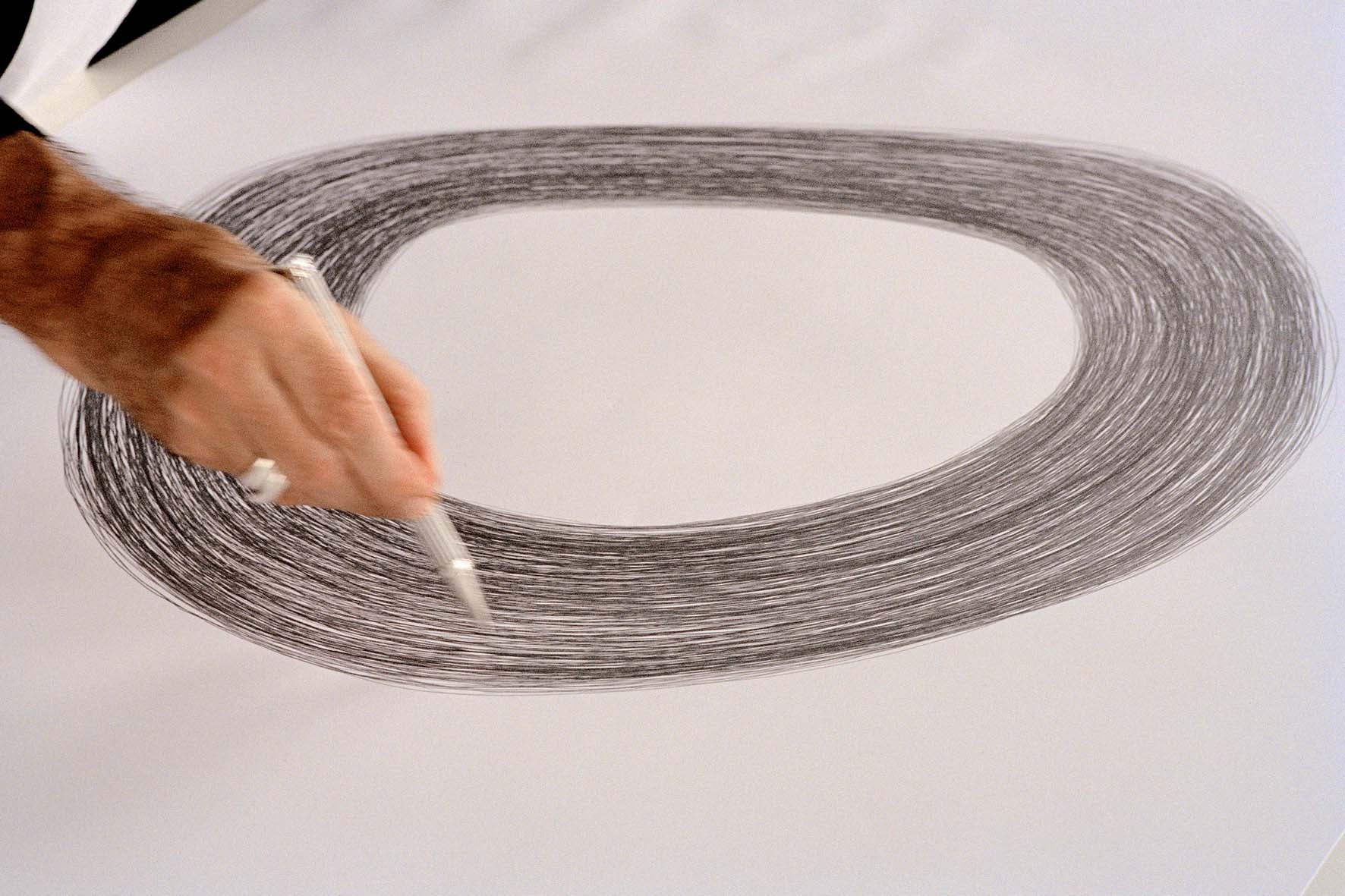
This production system has been part of Audemars Piguet’s history since its very beginnings, as during its first few decades the manufacture operated within its own territory as an établisseur. In the following article, we will explore what the établissage system was and how it worked, what the role of the établisseur was, and we will discuss the new “Atelier des Établisseurs” project. Through this initiative, the Le Brassus-based manufacture brings to life contemporary watchmaking creations by combining cutting-edge techniques with traditional craftsmanship.
WHAT ÉTABLISSAGE WAS AND HOW IT WORKED
The établissage system was, in a sense, a necessity imposed by Switzerland’s particular geographical situation. Due to the harsh climatic conditions, farmers in the Jura region spent the winter months inside their farmhouses, crafting tiny watch components. These were often small workshops specialising in the creation of specific parts such as wheels, bridges or screws. With this division of labour into specialised and independent units, the first phase of the production process came to life.
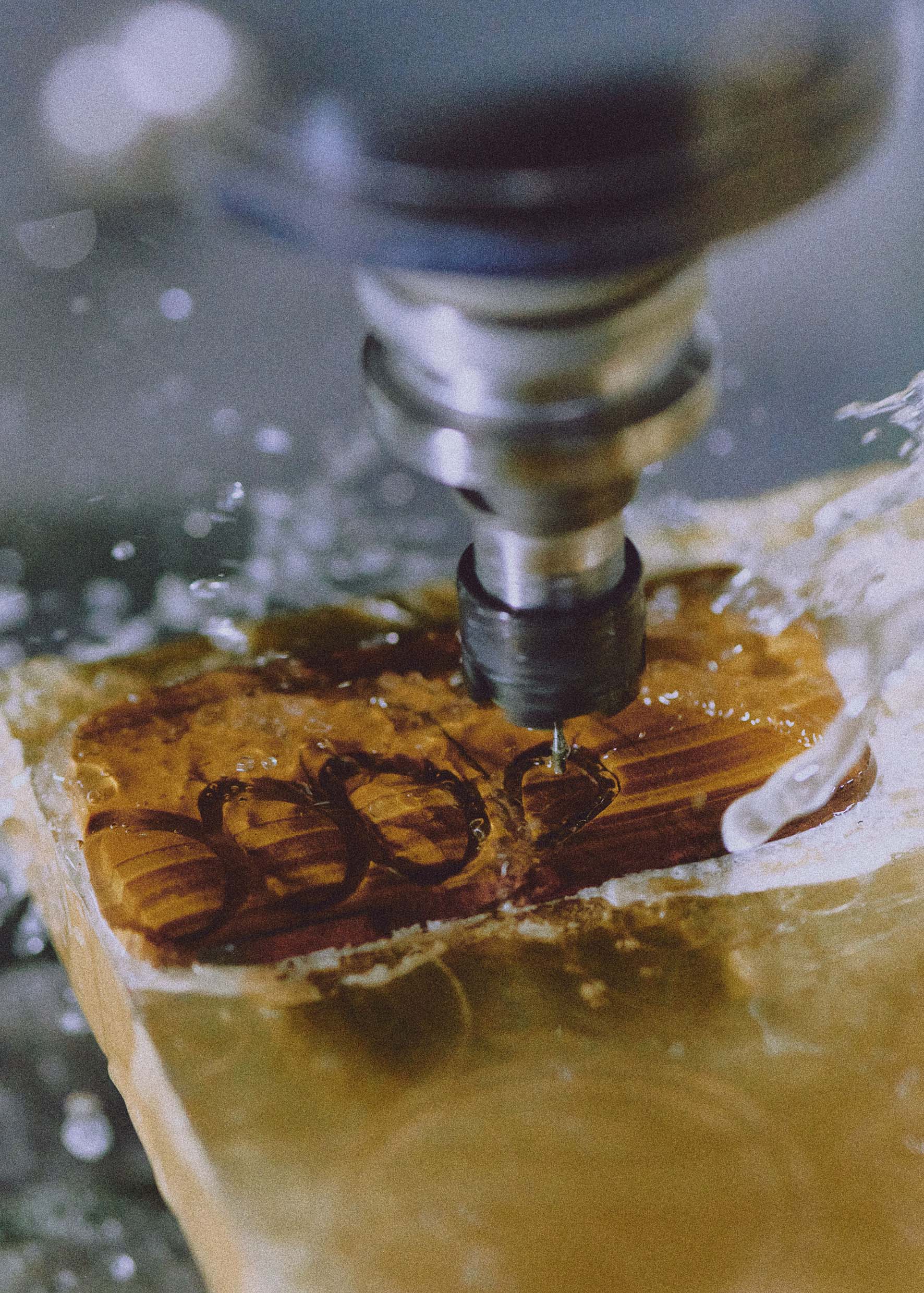
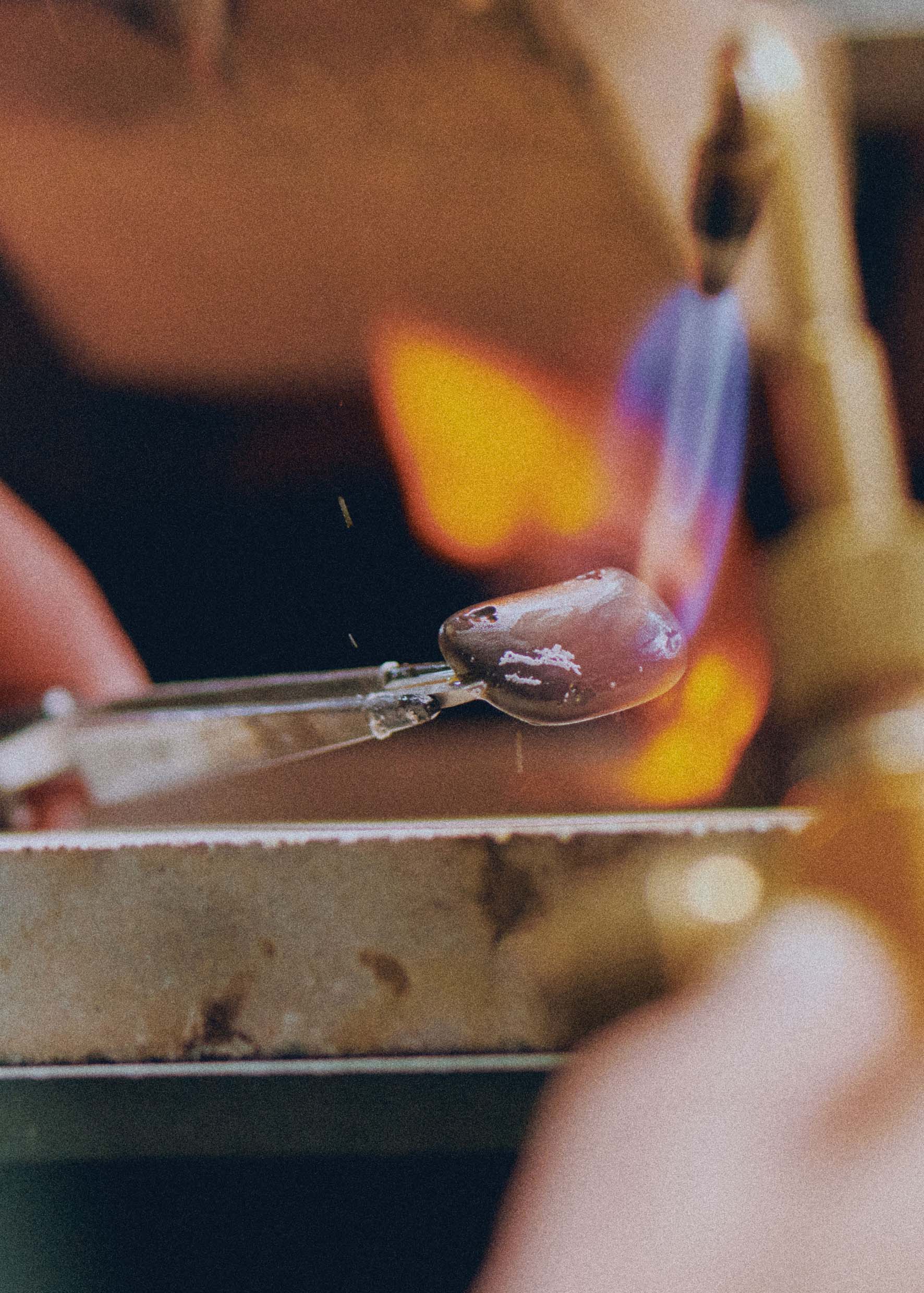
Subsequently, an établisseur – who coordinated the work of these craftsmen – would collect the components they had produced and proceed to assemble the watch, or have it assembled, thereby producing the finished product. This allowed for a precise division of labour, giving the entrepreneur complete freedom to define the specifications and enabling the craftsman to specialise in the task he mastered best. For most watchmakers in the Jura, therefore, watchmaking was initially a part-time activity, replacing work in the fields during the winter, which remained their main occupation.
AUDEMARS PIGUET AND THE “ATELIER DES ÉTABLISSEURS”
Drawing on this tradition and its own original vocation as an établisseur, Audemars Piguet launched the “Atelier des Établisseurs” project, presented at Watches and Wonders Geneva. Through this initiative, the manufacture’s team collaborates with highly skilled craftsmen to preserve ancient know-how and certain techniques that would otherwise risk being lost, as they are often passed down only orally.

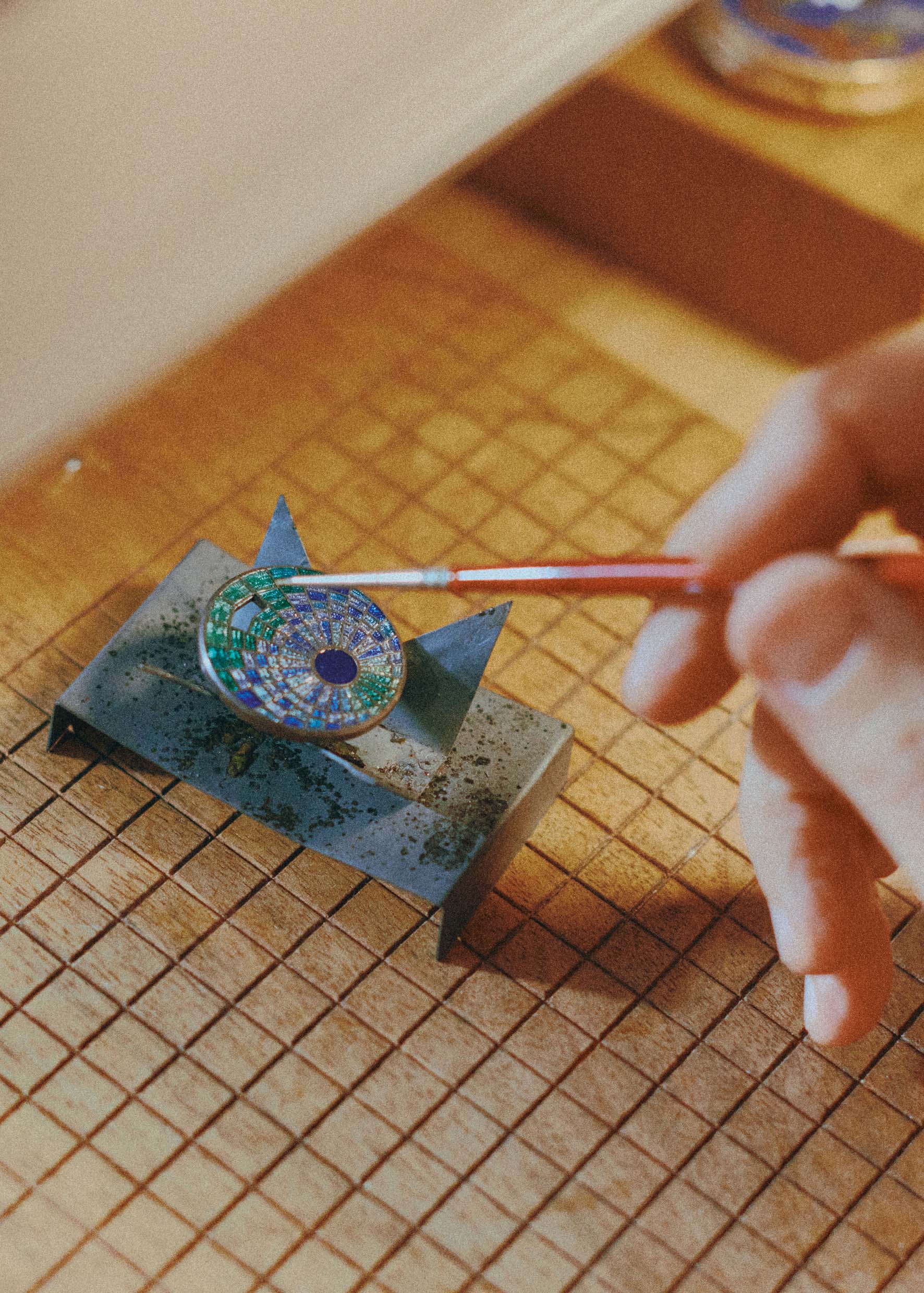
“Atelier des Établisseurs” brings together various traditional crafts – engraving, enamelling, skeletonising, gem-setting and gemstone cutting – and combines them with more modern disciplines, ranging from design to engineering. Every expert who masters these skills helps to transform each watch born of this project into a unique creation. Here, creative freedom reigns supreme, drawing on the imagination and expertise of numerous craftsmen, both within and outside Audemars Piguet. In this way, the “Atelier des Établisseurs” encourages boldness and savoir-faire, bringing an innovative and creative approach to design and functionality. The result is watches produced in very limited numbers, linked to a watchmaking tradition that takes the time required to bring exceptional creations to life.
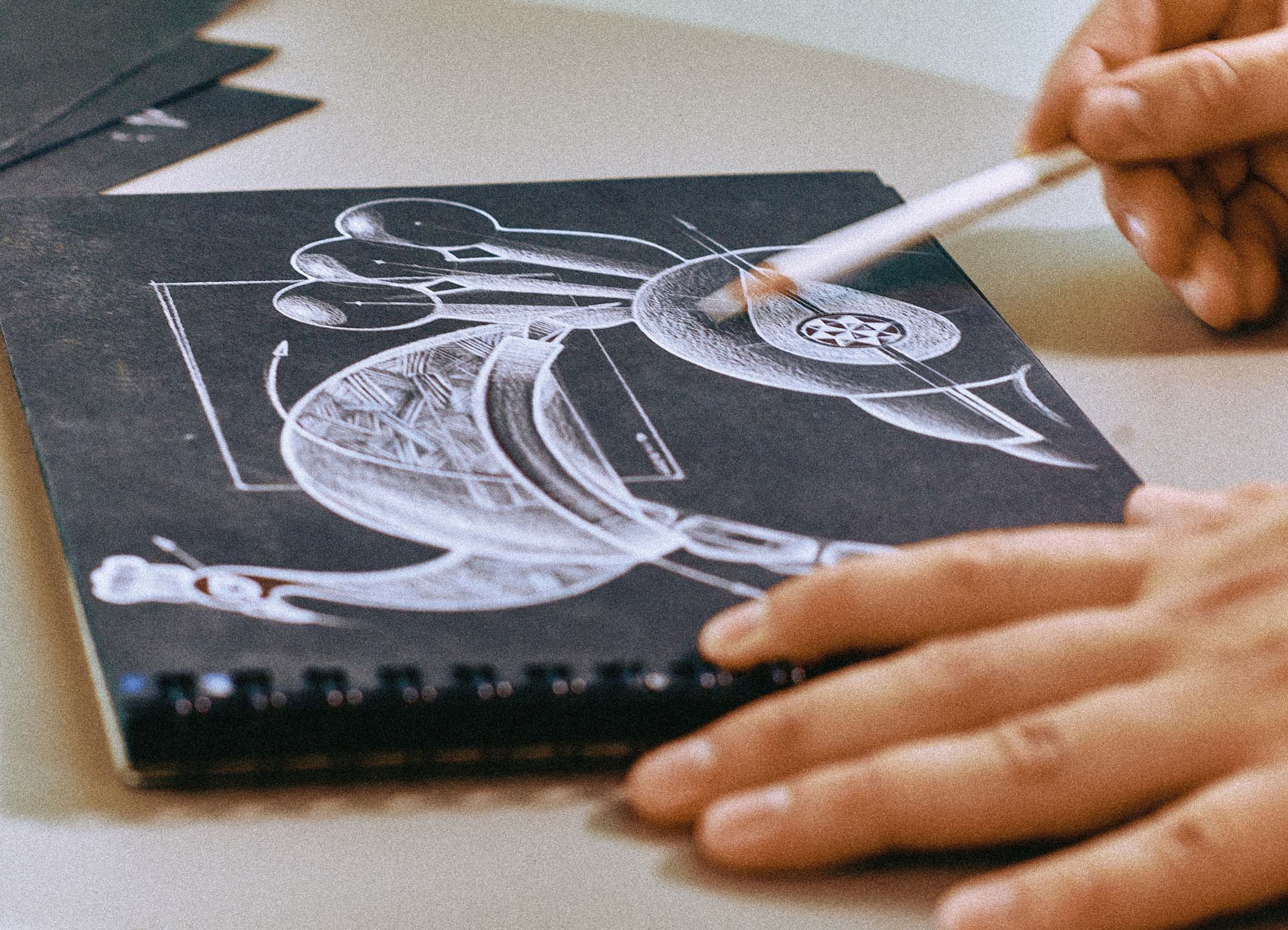
The watches from “Atelier des Établisseurs” combine mechanical precision, aesthetic refinement and ergonomics, striking a balance between tradition and modernity. The calibres are modern, specially adapted, hand-decorated, finished and assembled in the workshop located within the Musée Atelier in Le Brassus. Inspired by the categories of watches that have enriched the watchmaking heritage over time – from miniature timepieces to secret watches – these creations pay tribute to the many craftsmen who, over the centuries, have shaped the shared history of watchmaking.
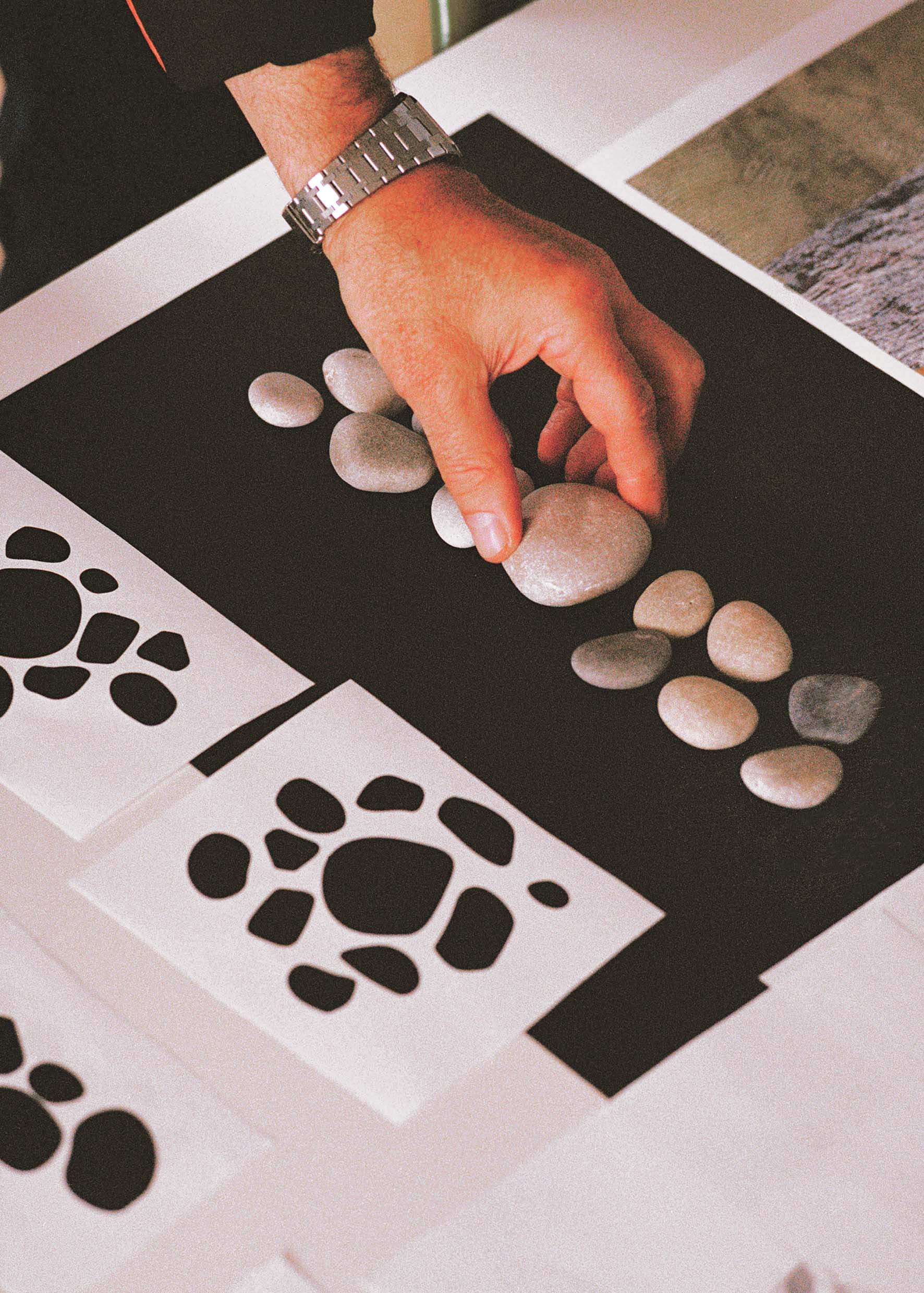
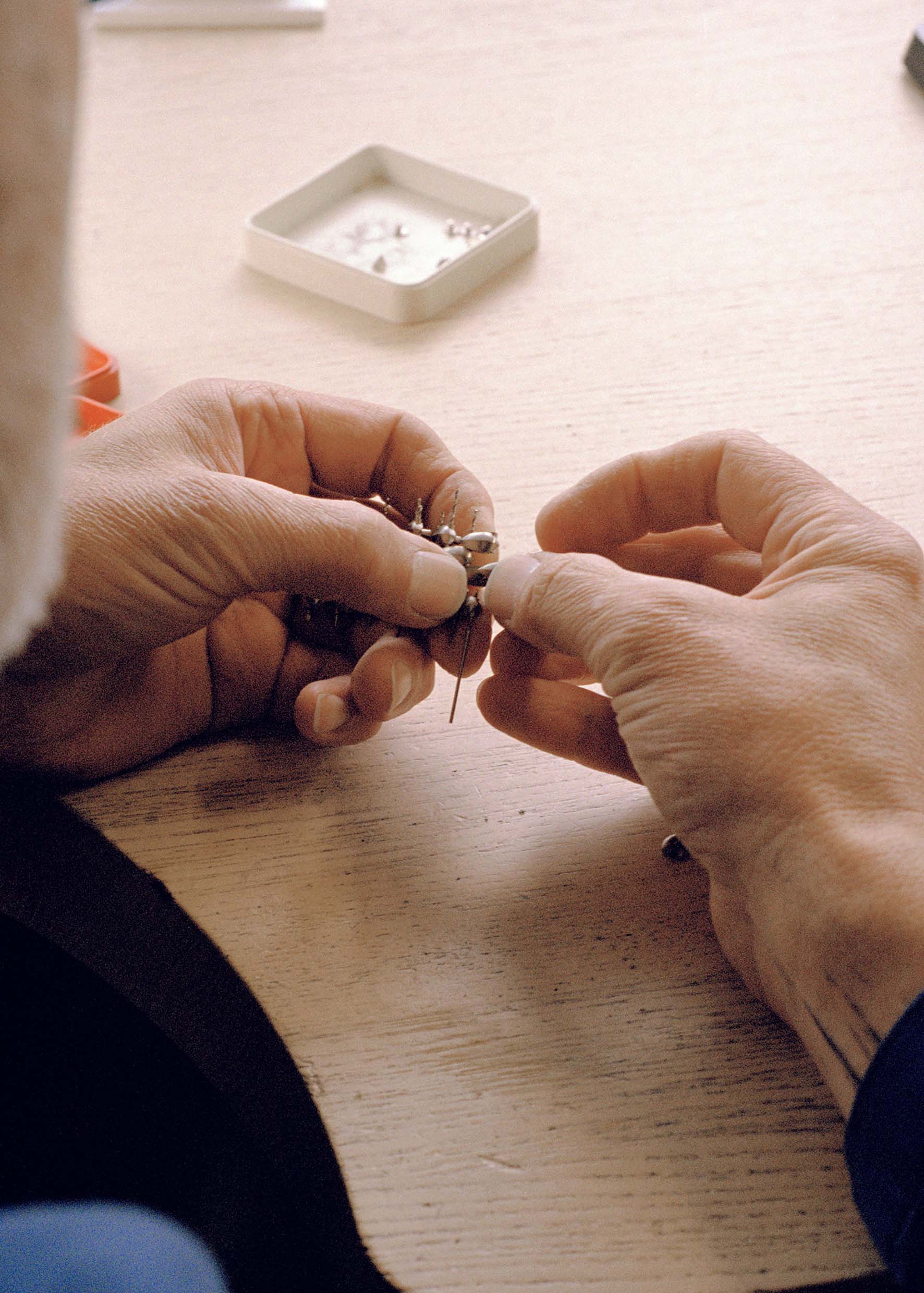
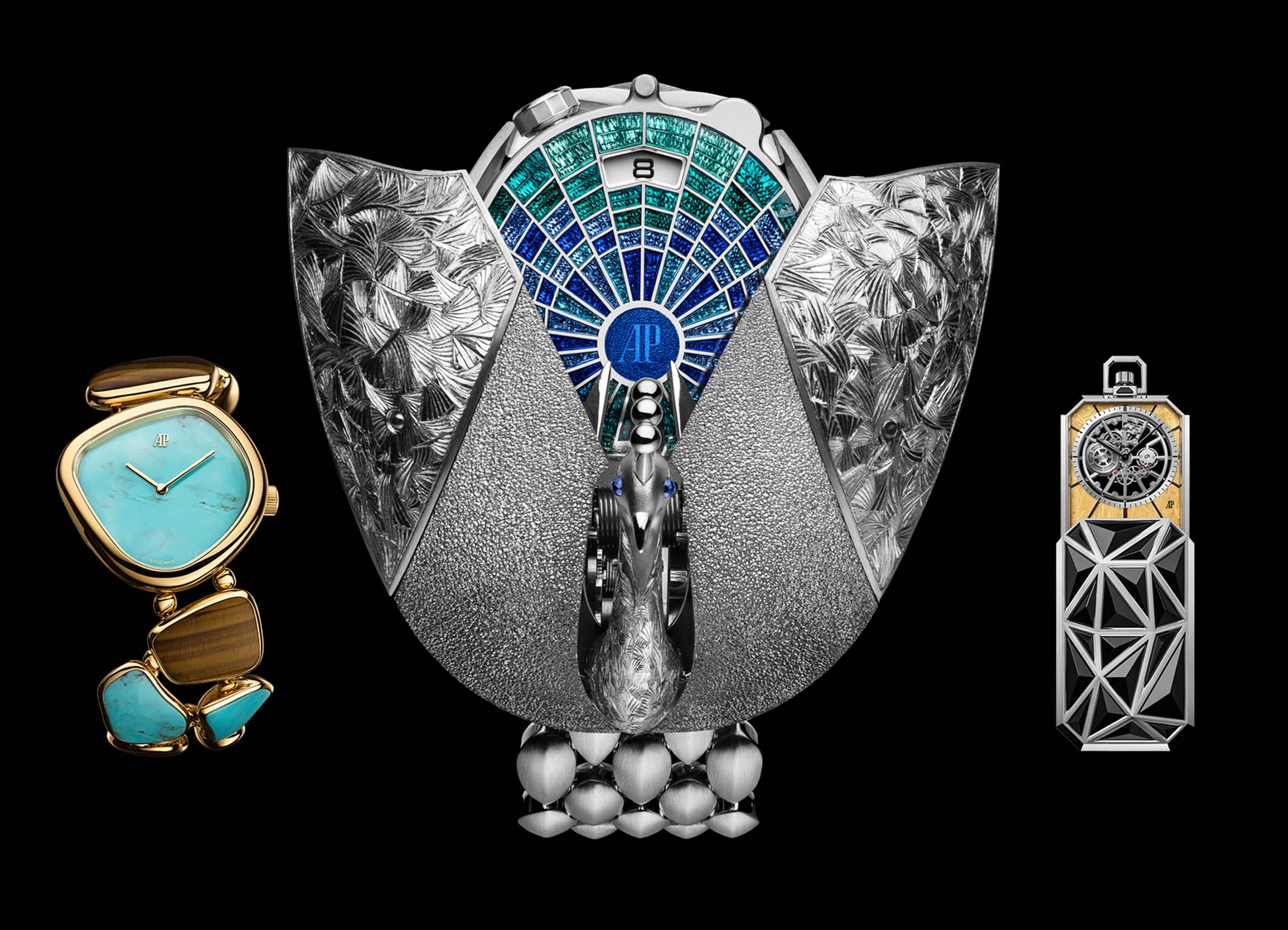
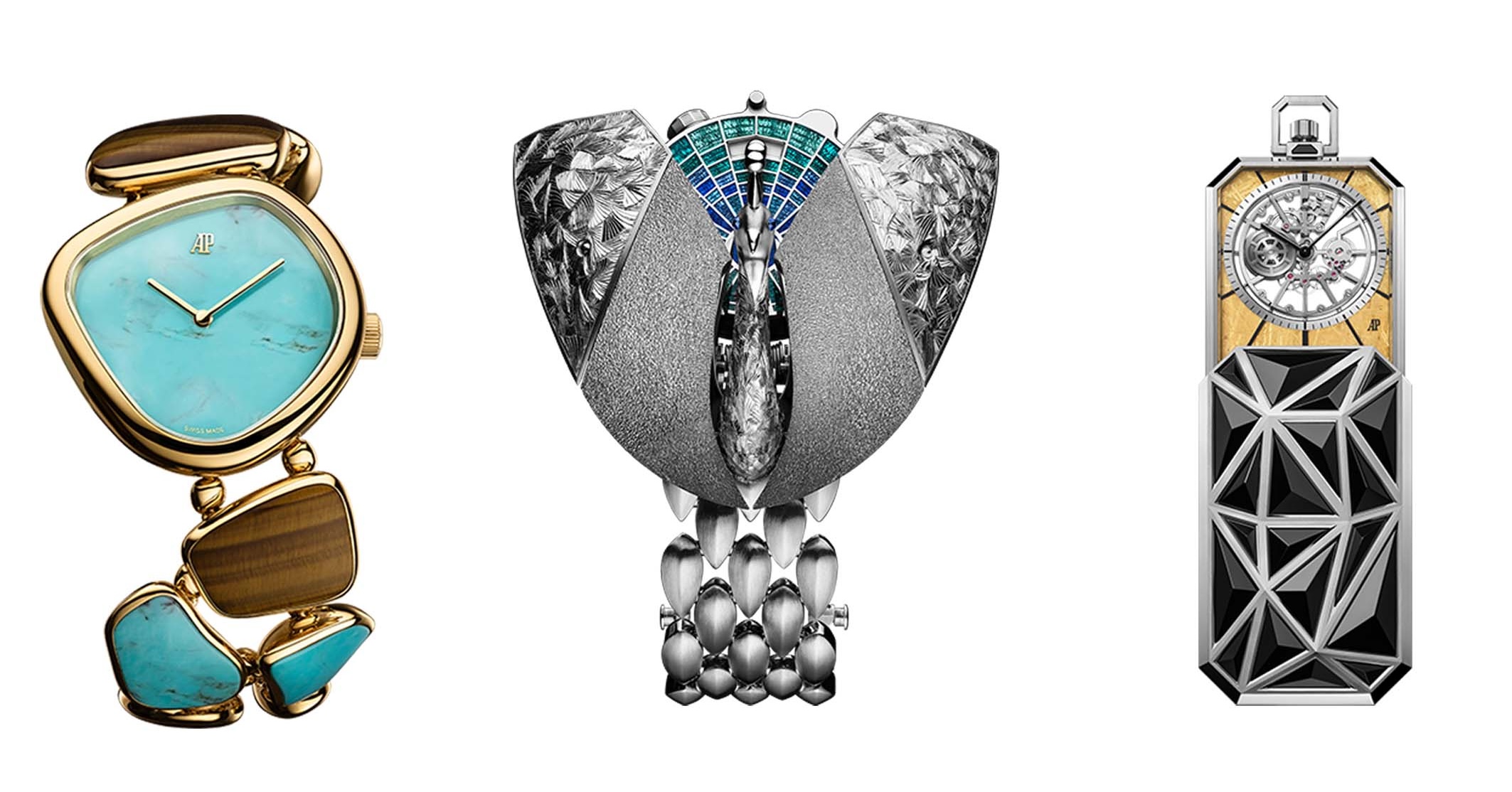
The first models from the “Atelier des Établisseurs” are the Établisseurs Galets, Établisseurs Nomade and Établisseurs Peacock, which embody Audemars Piguet’s commitment to preserving craftsmanship, creative collaboration and technical innovation.
ÉTABLISSEURS GALETS
Établisseurs Galets is a meeting point between watchmaking and Swiss nature. Those familiar with French will know that the word “galet” refers to a river pebble, a stone smoothed by water. Specifically, the stones smoothed by the undertow of Lac de Joux, a source of inspiration for Audemars Piguet’s designers. Établisseurs Galets is presented as a sequence of natural, polished stones, starting from the dial, framed by a yellow gold case measuring approximately 31 mm in diameter and 7.5 mm in thickness.
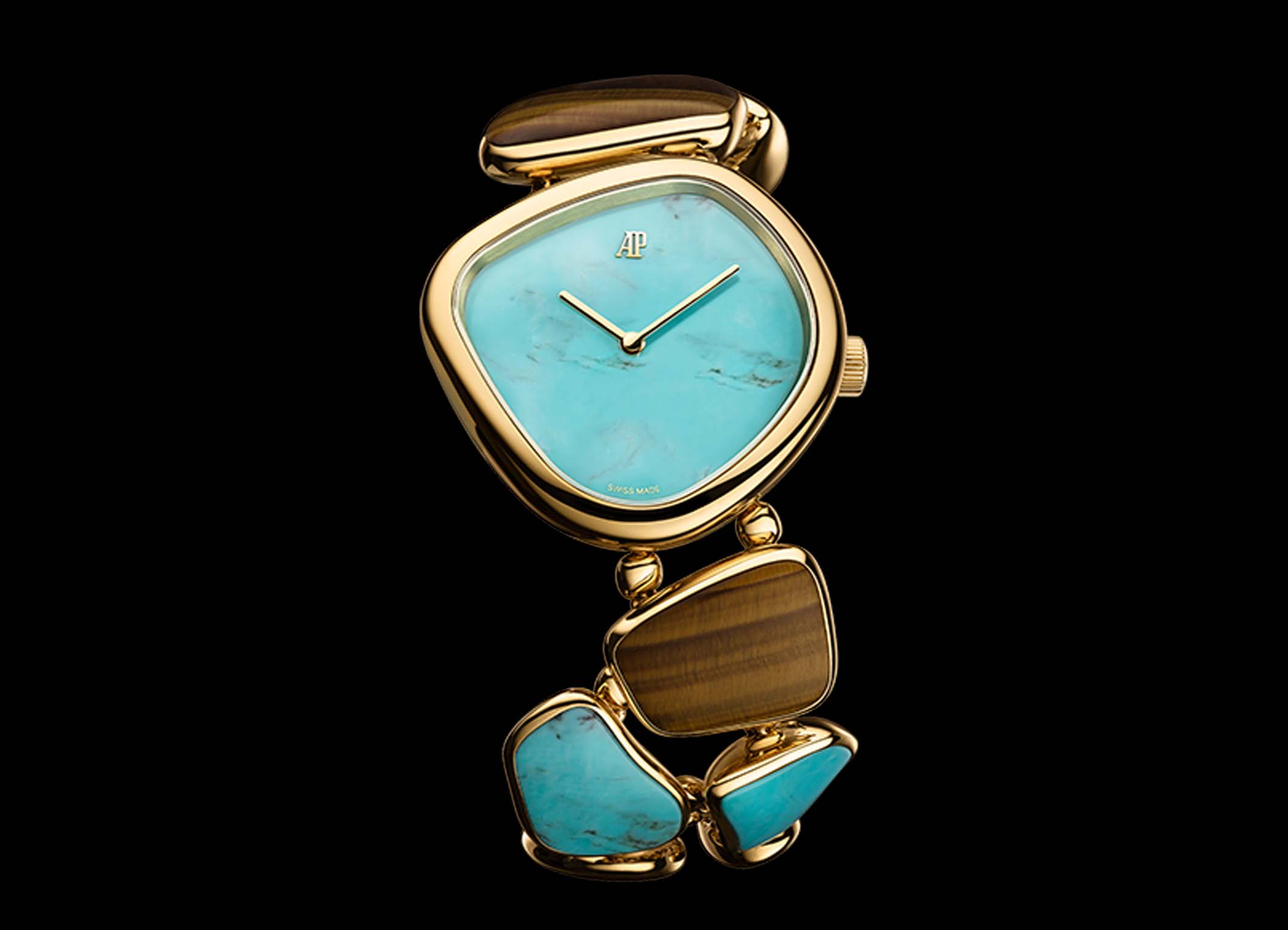
It consists of an irregularly shaped pebble, whose sinuous contours led designers and engineers to specifically shape the Calibre 3098 to mirror that of the case and, consequently, of the pebble itself. The Calibre 3098 is a hand-wound manufacture movement that controls the hours and minutes, indicated by two small yellow gold hands. It is based on the Calibre 3090, which operates at 21,600 vibrations per hour and offers a 48-hour power reserve. Assembled, regulated and fitted into the case by a single watchmaker, it draws on the principles of watches crafted by the établisseurs.
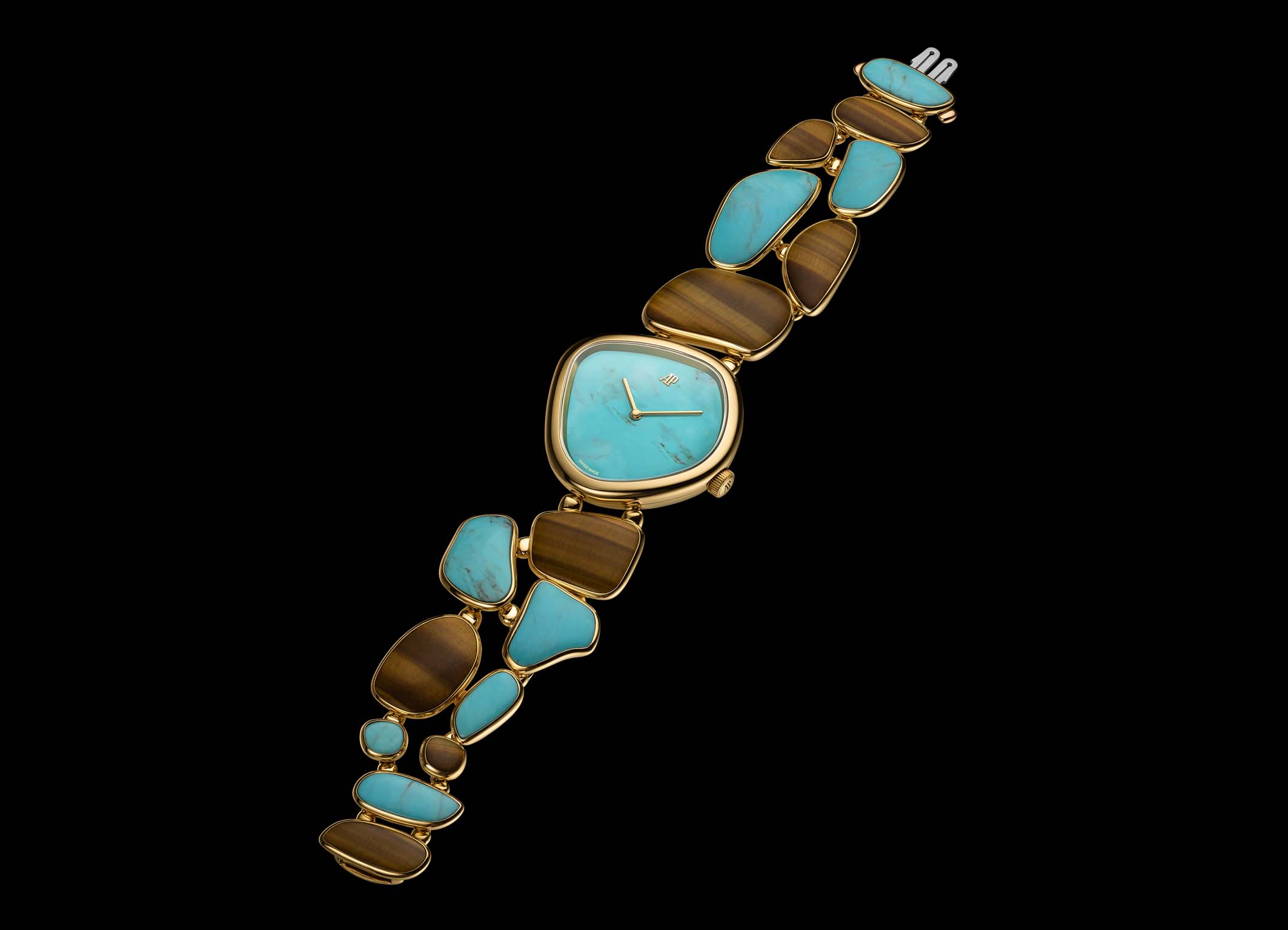
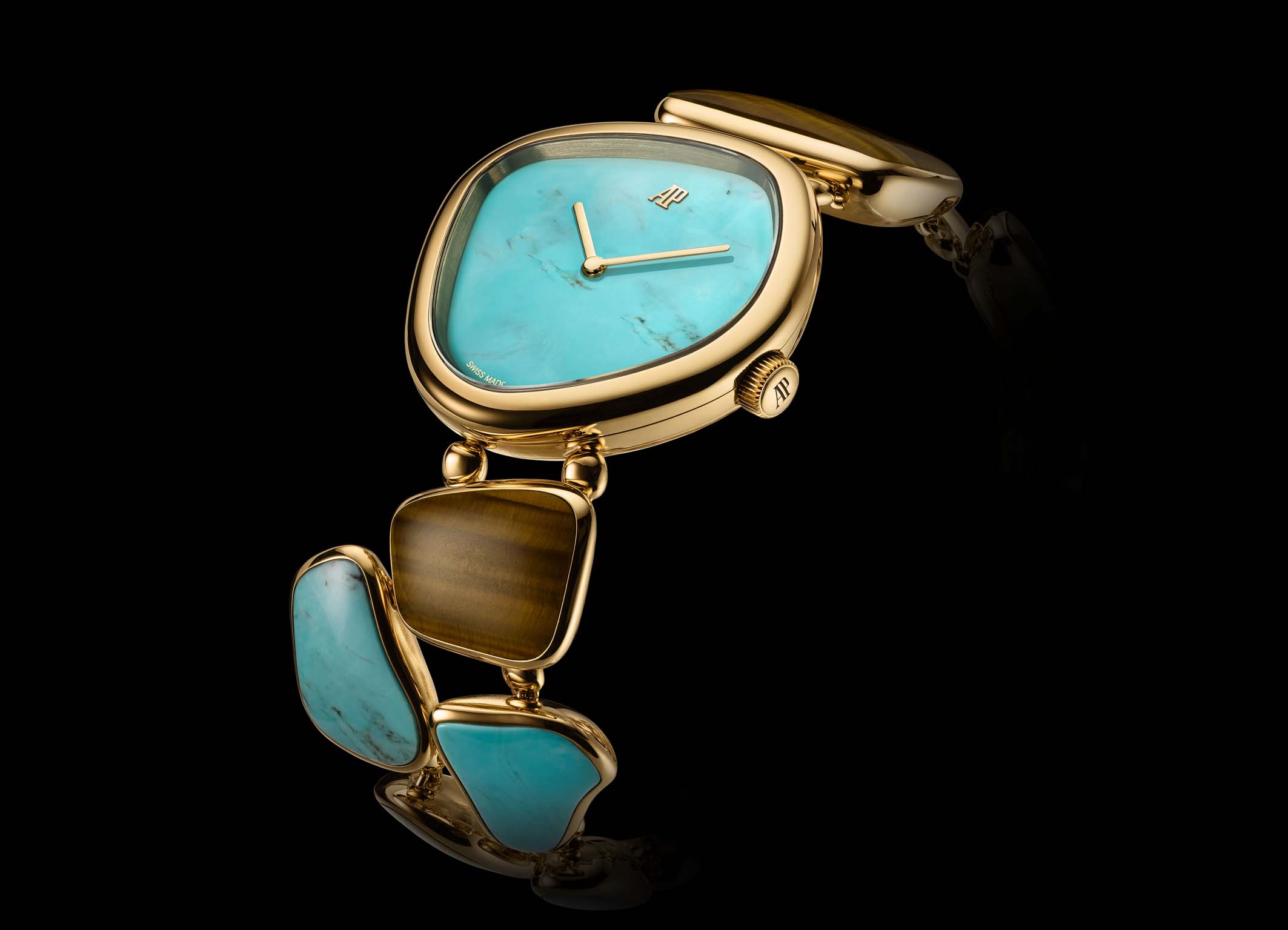
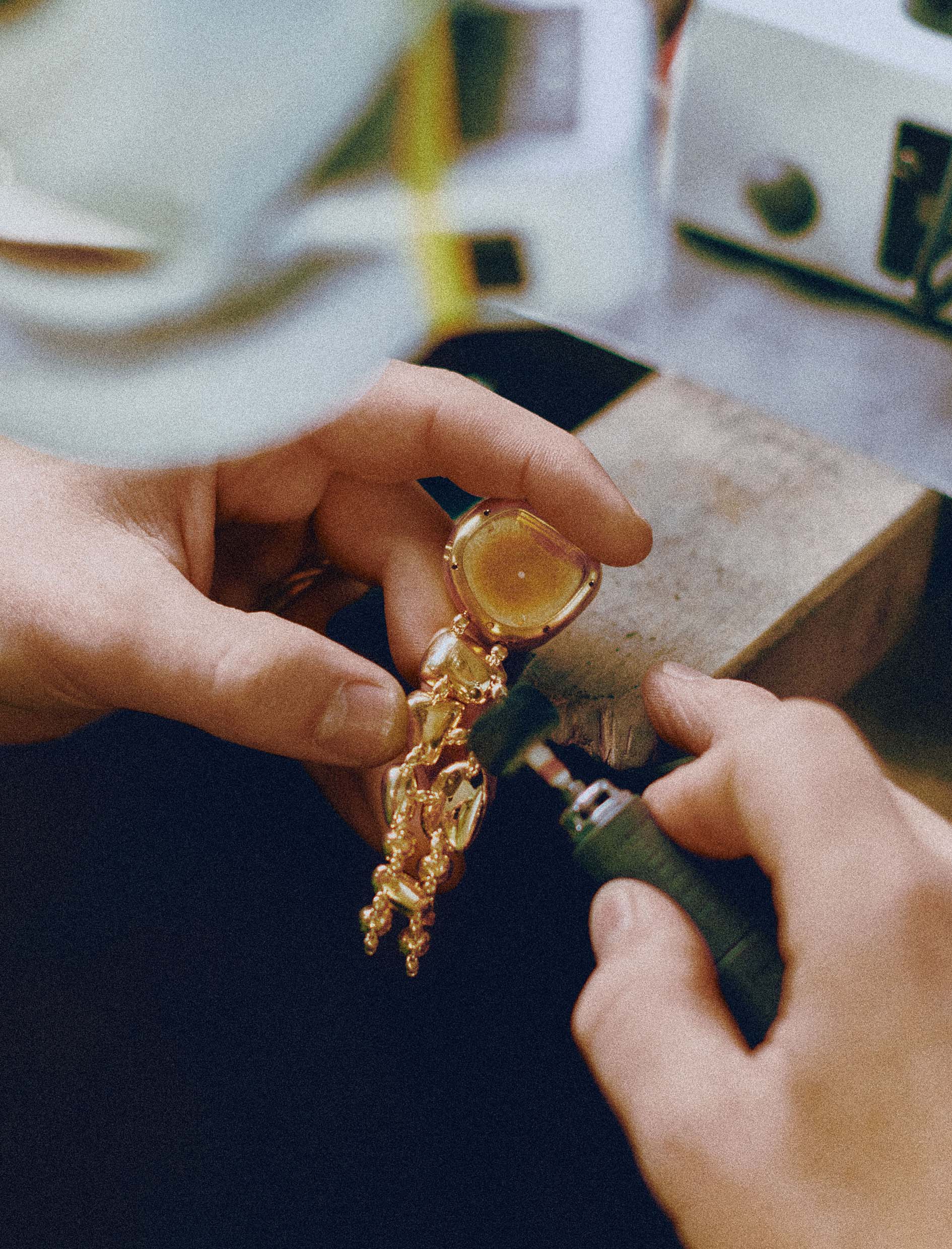
Like the case, the links of the bracelet have irregular shapes because they too are made from natural stones, which the stone cutters have shaped and the goldsmiths have set in gold, joining them together with small spherical gold links. Between artisans, designers, master watchmakers, master cutters and other experts, over 15 people are involved in the creation of the Établisseurs Galets. For this year, Audemars Piguet is planning five versions of the watch with different combinations of stones.

ÉTABLISSEURS NOMADE
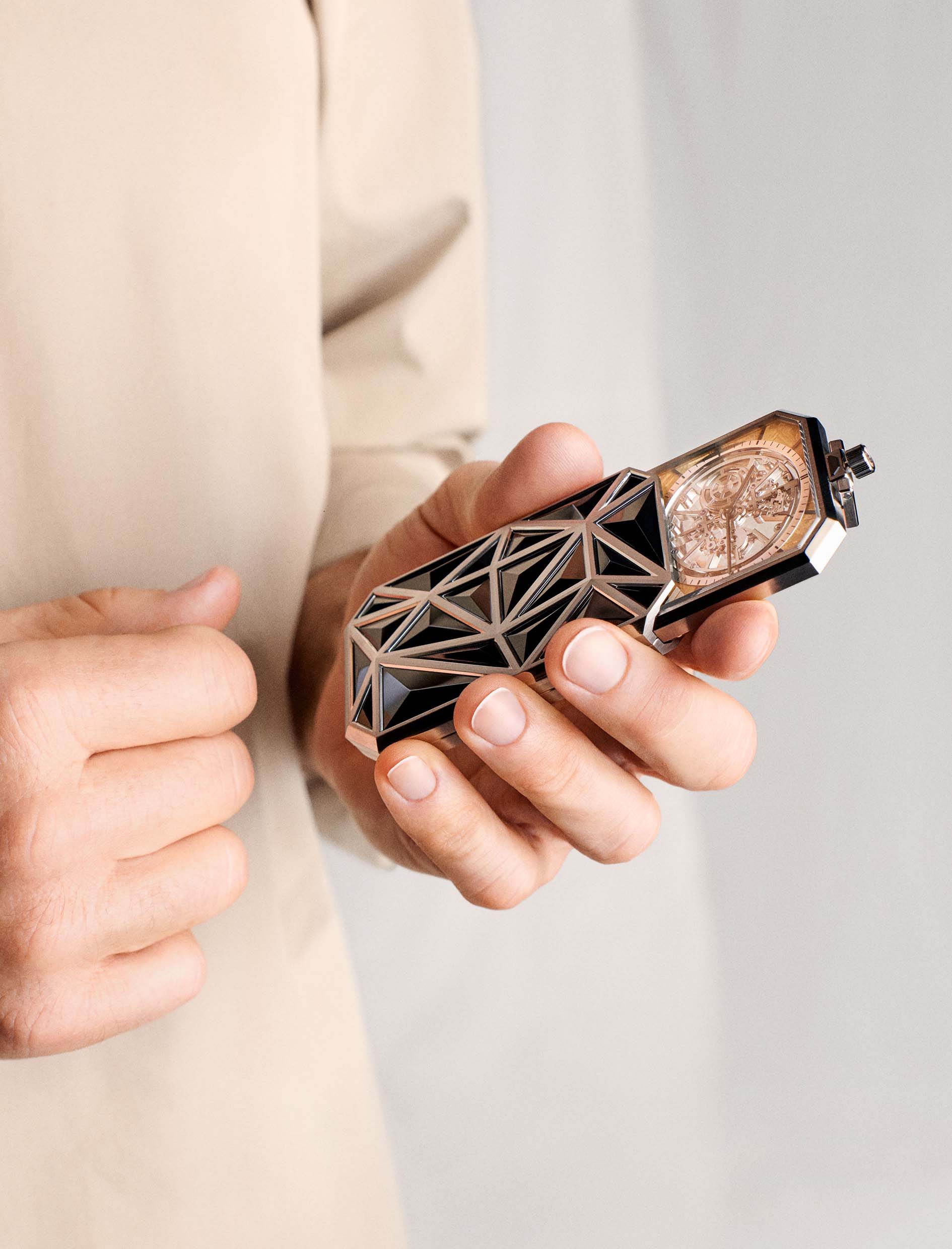
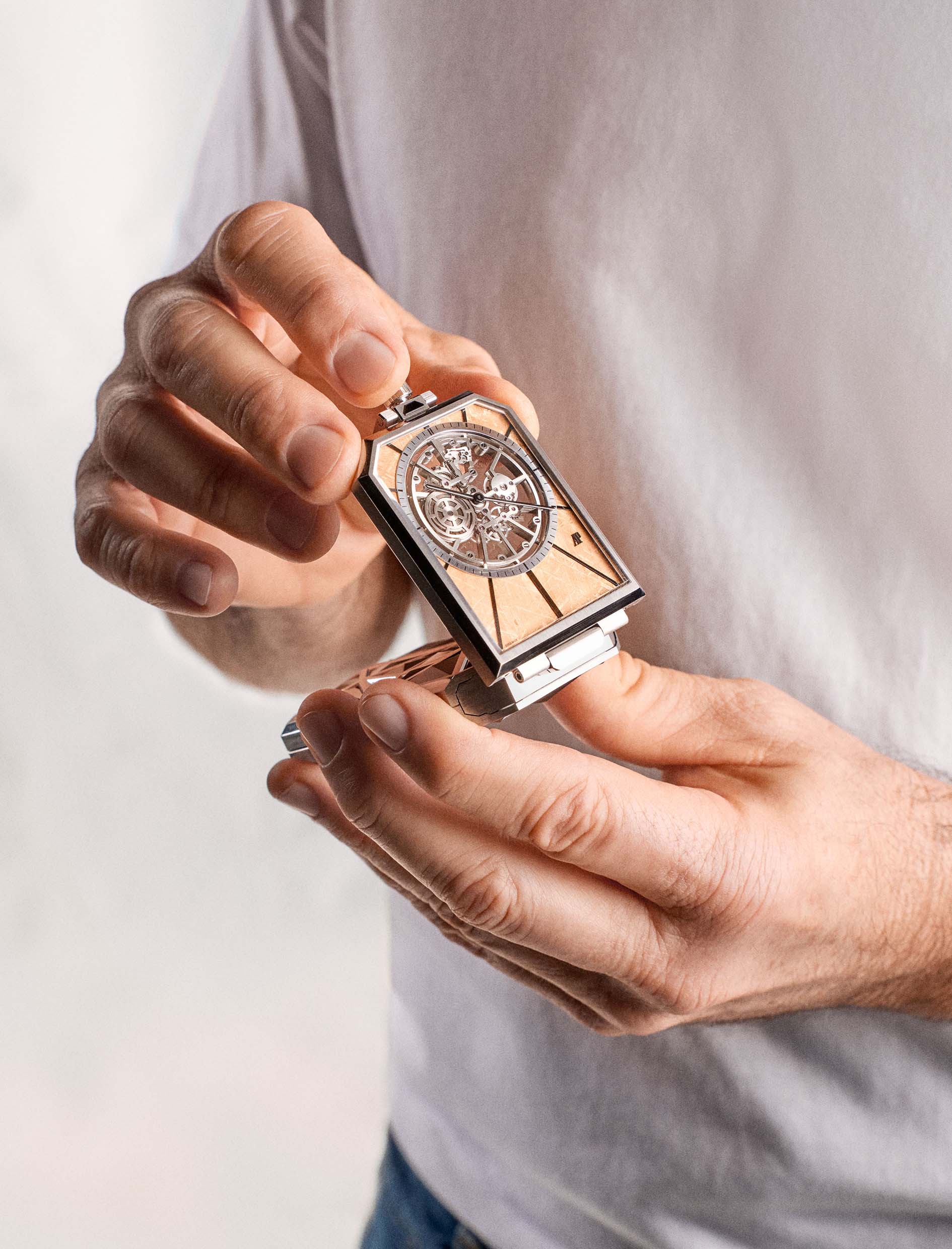
Even more sophisticated is the second watch in the collection, the Établisseurs Nomade. It is a versatile timepiece, a tribute to those pieces designed to be worn in the pocket or placed on a table. To create it, the craftsmen used a combination of metals (gold or titanium) and natural gemstones, resulting in a multifunctional case that offers three positions: open, closed or pendulum. In fact, the case is double: an inner case – decorated with precious stones – slides inside an outer case along a guide when a secret double push-button is activated. The precious stones, selected and cut with masterful craftsmanship, are the aesthetic hallmark of the case, which measures 68×42 mm and is 13.8 mm thick.
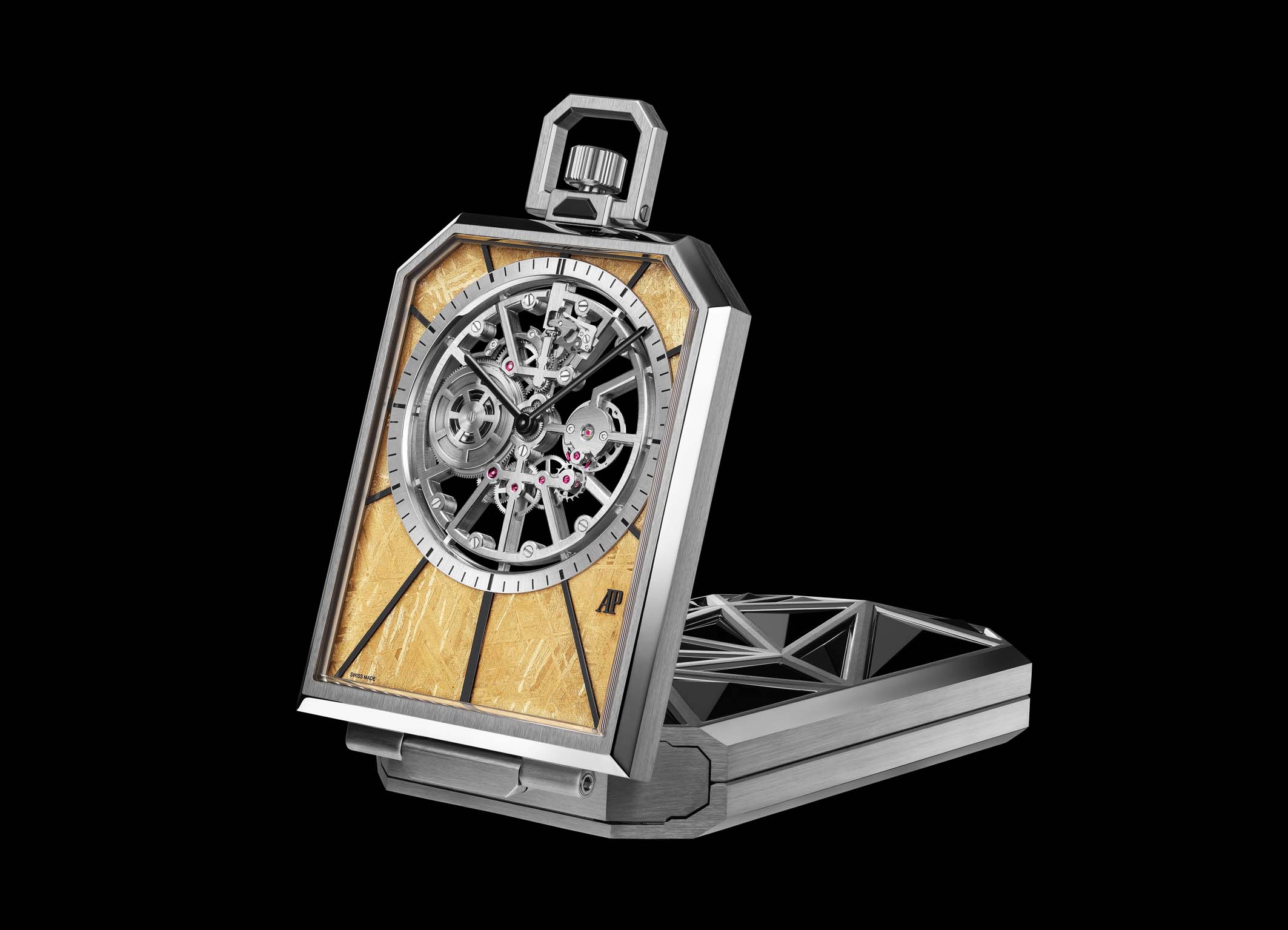
Even more than the case, however, it is the movement that catches the eye. And it does so because of the finesse and craftsmanship with which it is made. It is the hand-wound calibre 7501, developed on the basis of the calibre 7121, which offers a minimum power reserve of 65 hours, operating at 28,800 vibrations per hour. The exceptional nature of its construction lies in the fact that a single watchmaker is responsible for skeletonising it by hand, using a traditional precision hacksaw. In this painstaking work (a technique that very few are able to master), the watchmaker works the calibre as if it were filigree, hand-polishing the angles and shaping the bridges so that they also serve as hour markers.
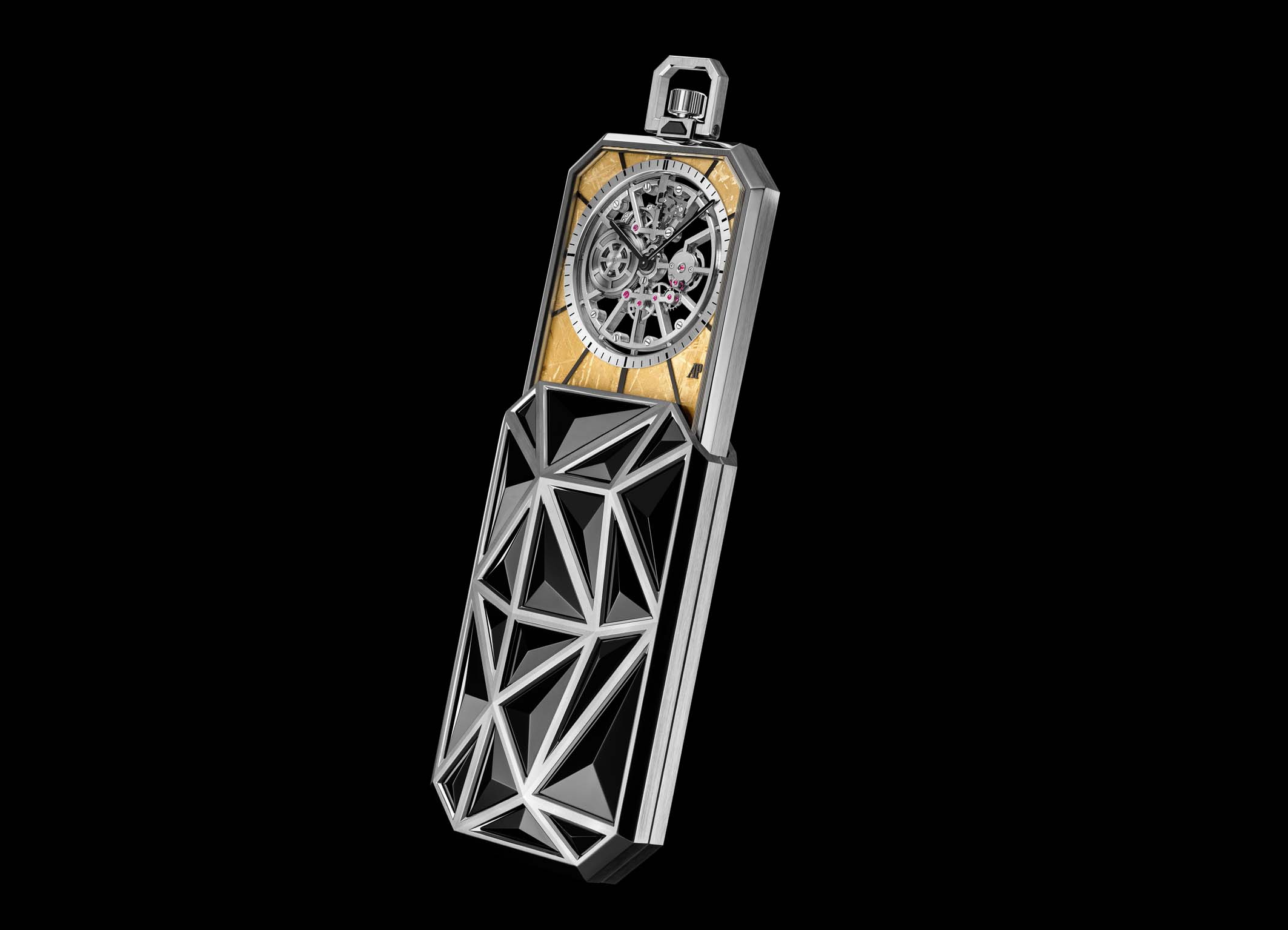
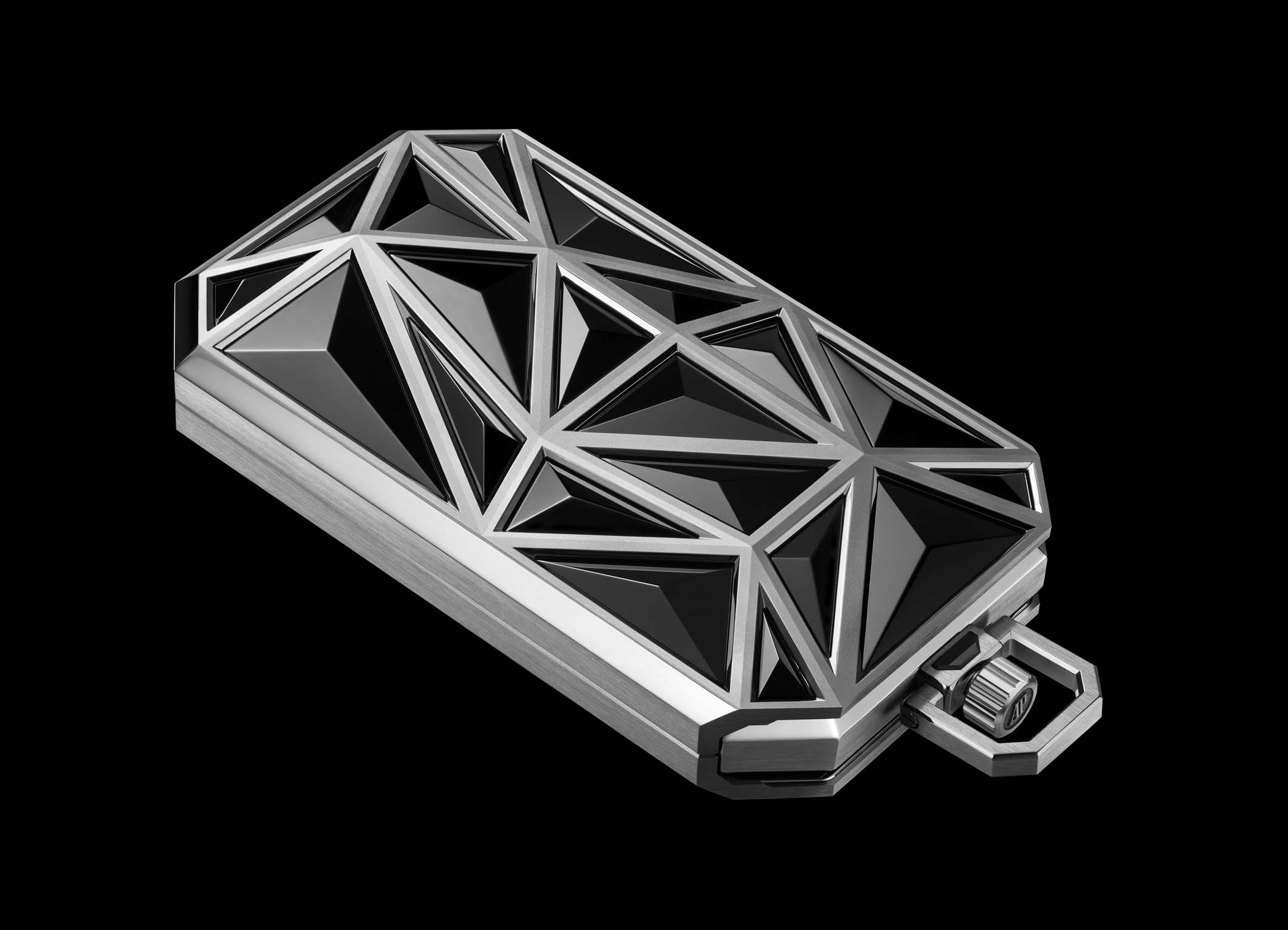
The outer dial of the Établisseurs Nomade is crafted from natural stone and set within a case composed of a bevelled metal mesh and faceted stones, all hand-finished. As with the Établisseurs Galets, Audemars Piguet has involved over fifteen people in the creation of this watch and plans to release five versions featuring different combinations of stones by 2026.
ÉTABLISSEURS PEACOCK
In a crescendo of artistic refinement and mechanical sophistication, we arrive at the third watch from the “Atelier des Établisseurs”, the Établisseurs Peacock, Audemars Piguet’s tribute to the long tradition of secret watches.
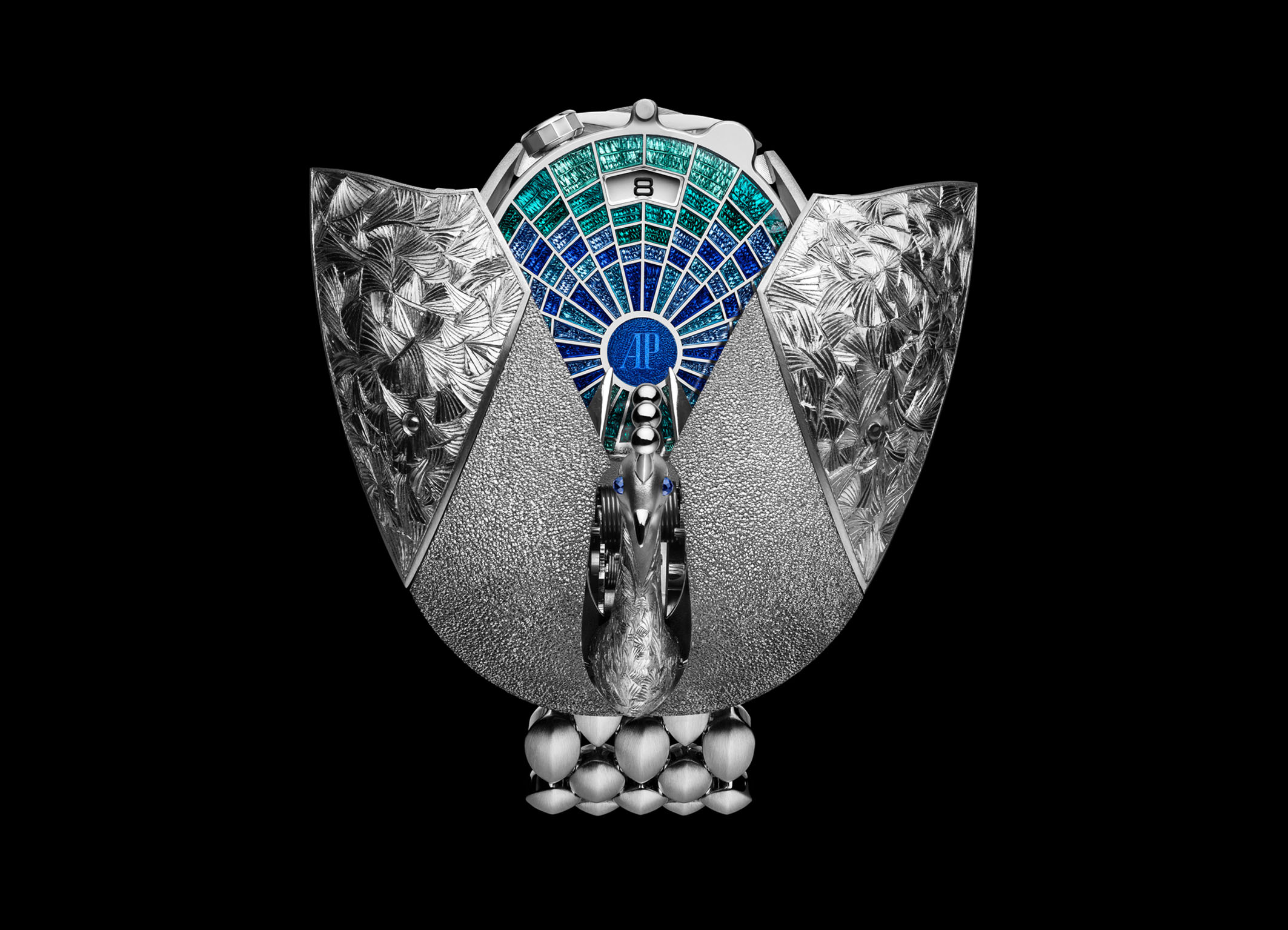
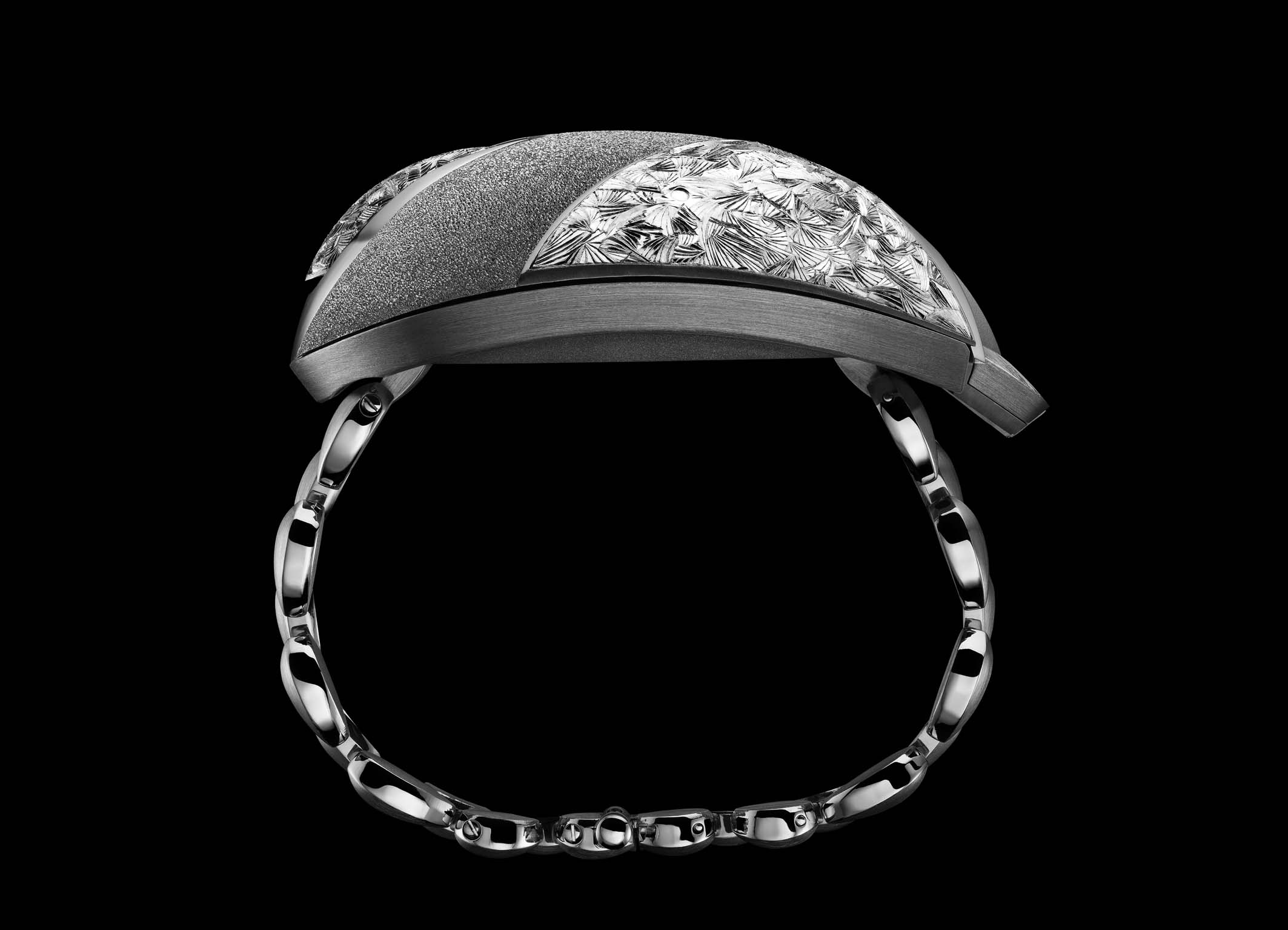
In designing it, the Maison’s creative team drew inspiration from the animal kingdom. When closed, the watch resembles a beetle, which the craftsmen have crafted from finely engraved white gold. When a specific spot is pressed, the beetle’s wings and head open to reveal a miniature, hand-crafted peacock. Between its wings, a finely hand-engraved translucent enamel dial is visible, representing the tail.
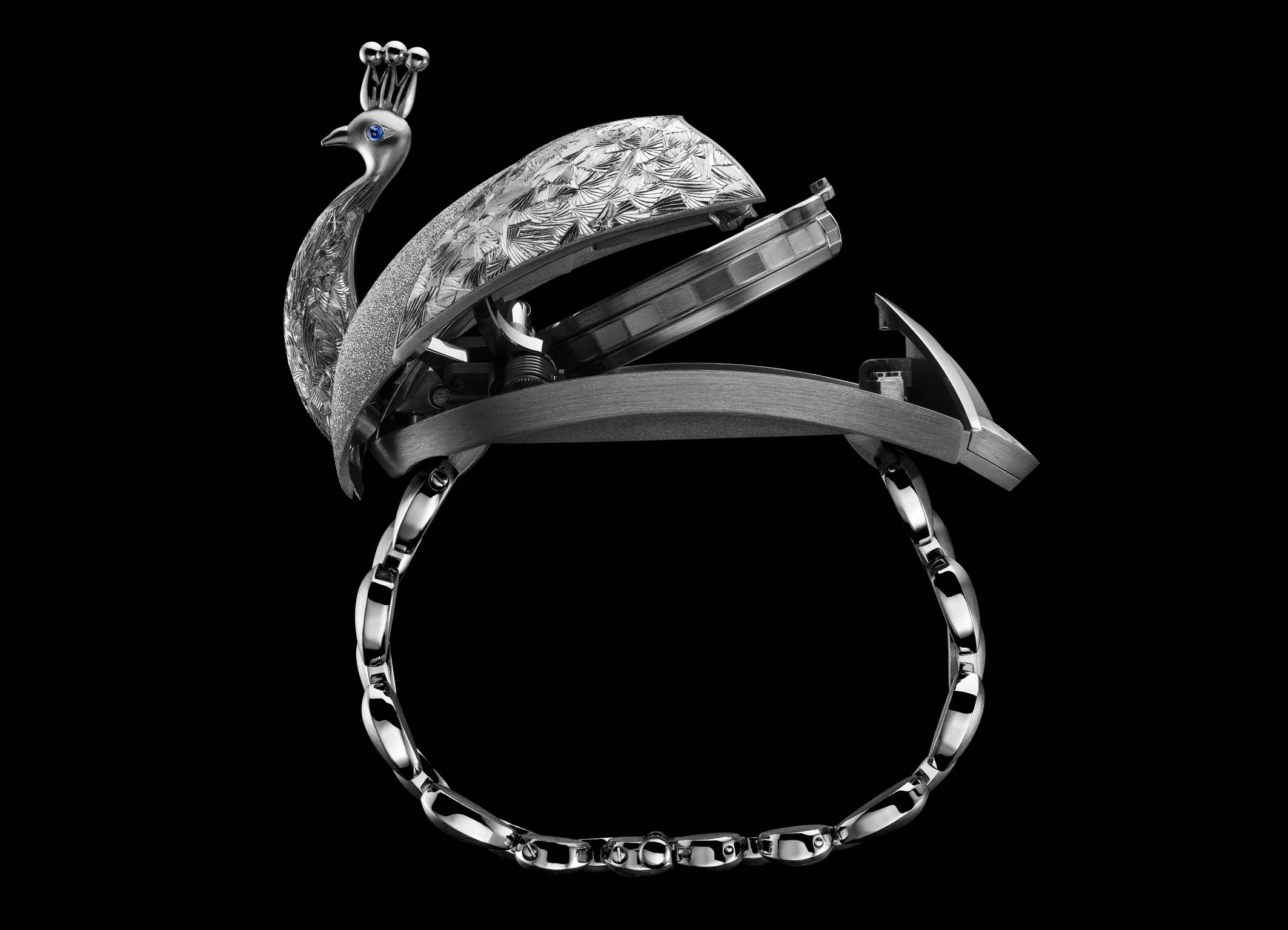
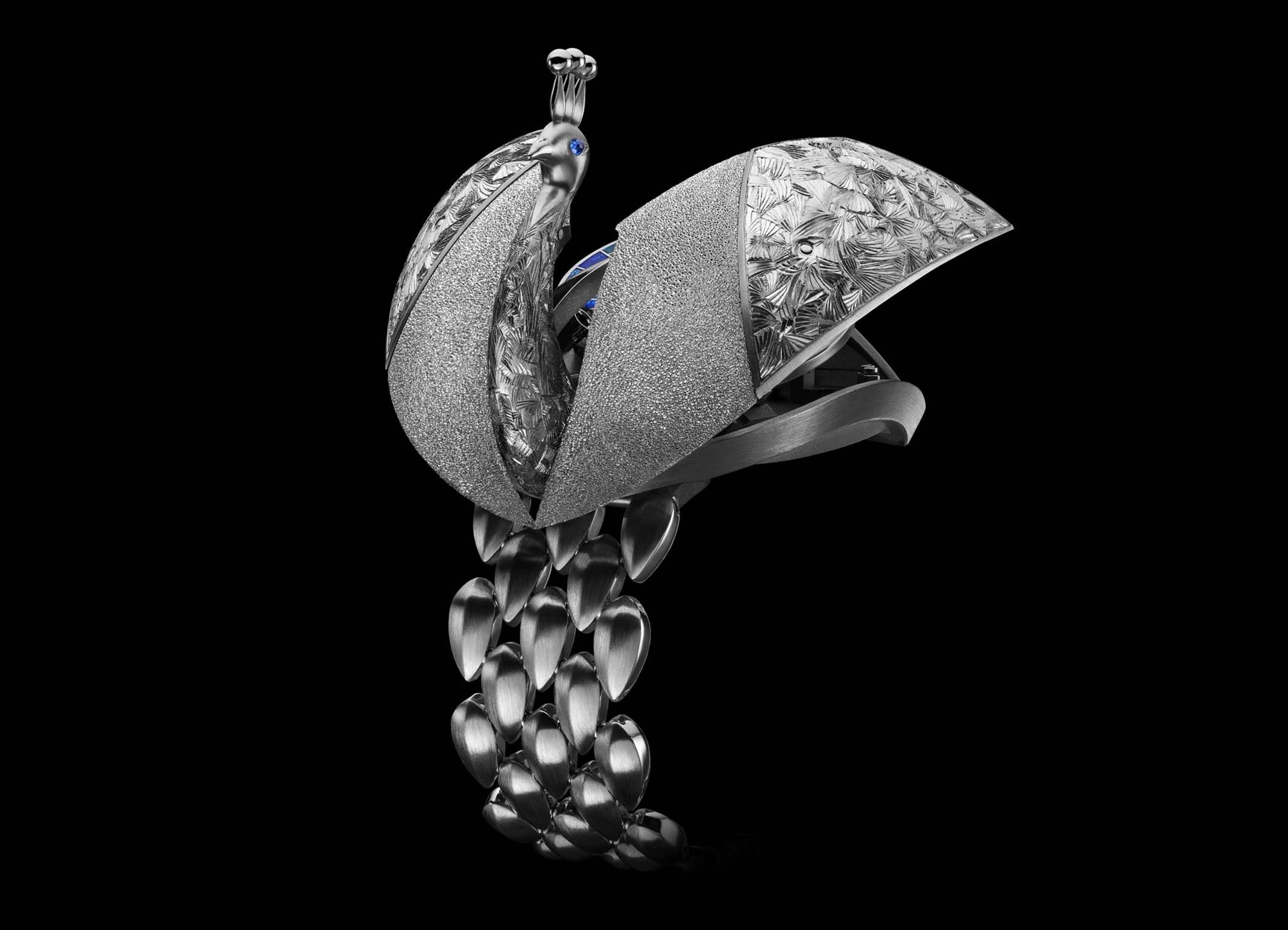
On this tail, within a small window, the jumping hour display appears (there is no minute indication), powered by the hand-wound calibre 3098. The movement is based on calibre 3090, custom-adapted for this model whilst retaining only the hour display. The calibre is hand-decorated with a sunburst pattern, which in turn echoes the peacock’s feathers, whose eyes are embellished with coloured gemstones.
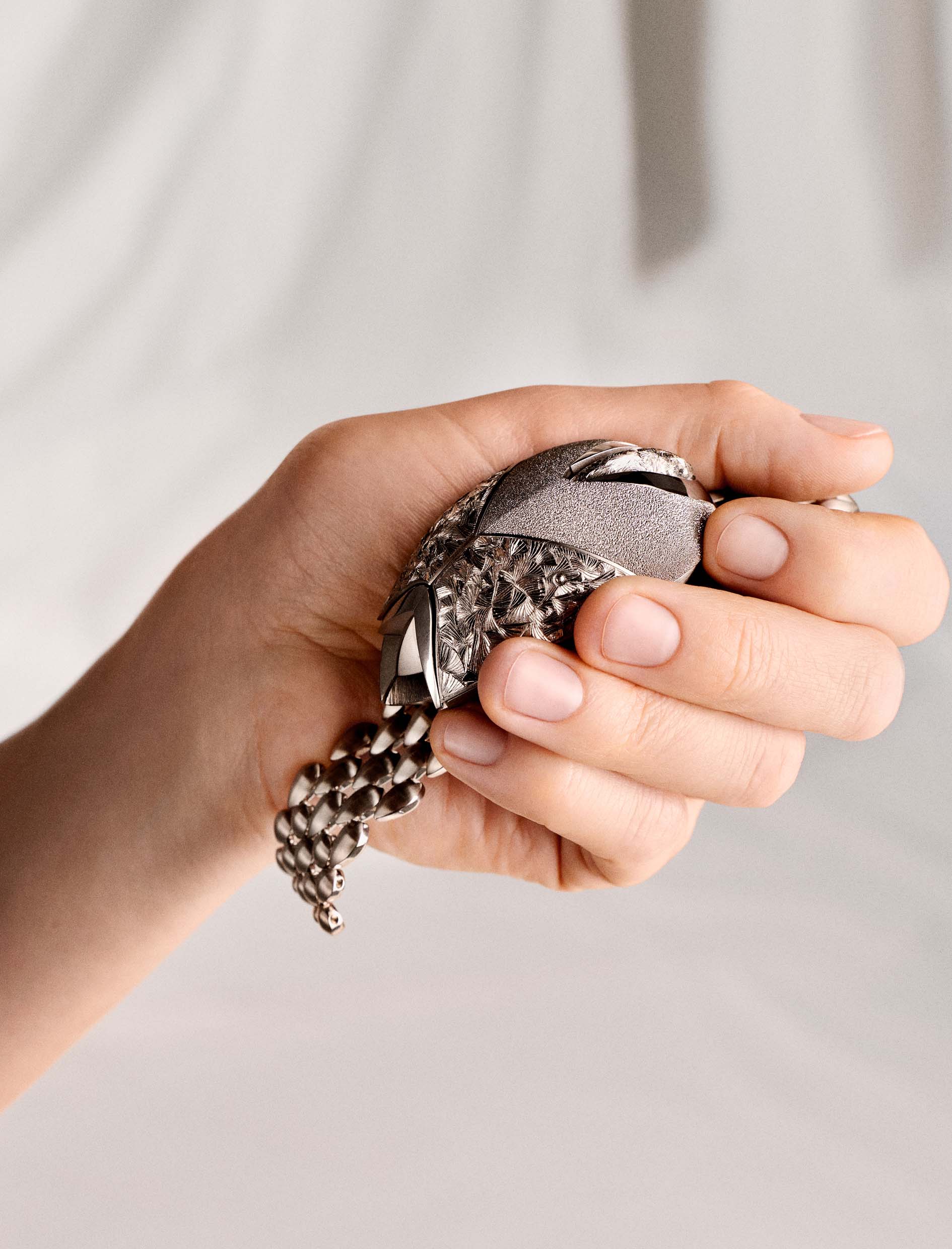
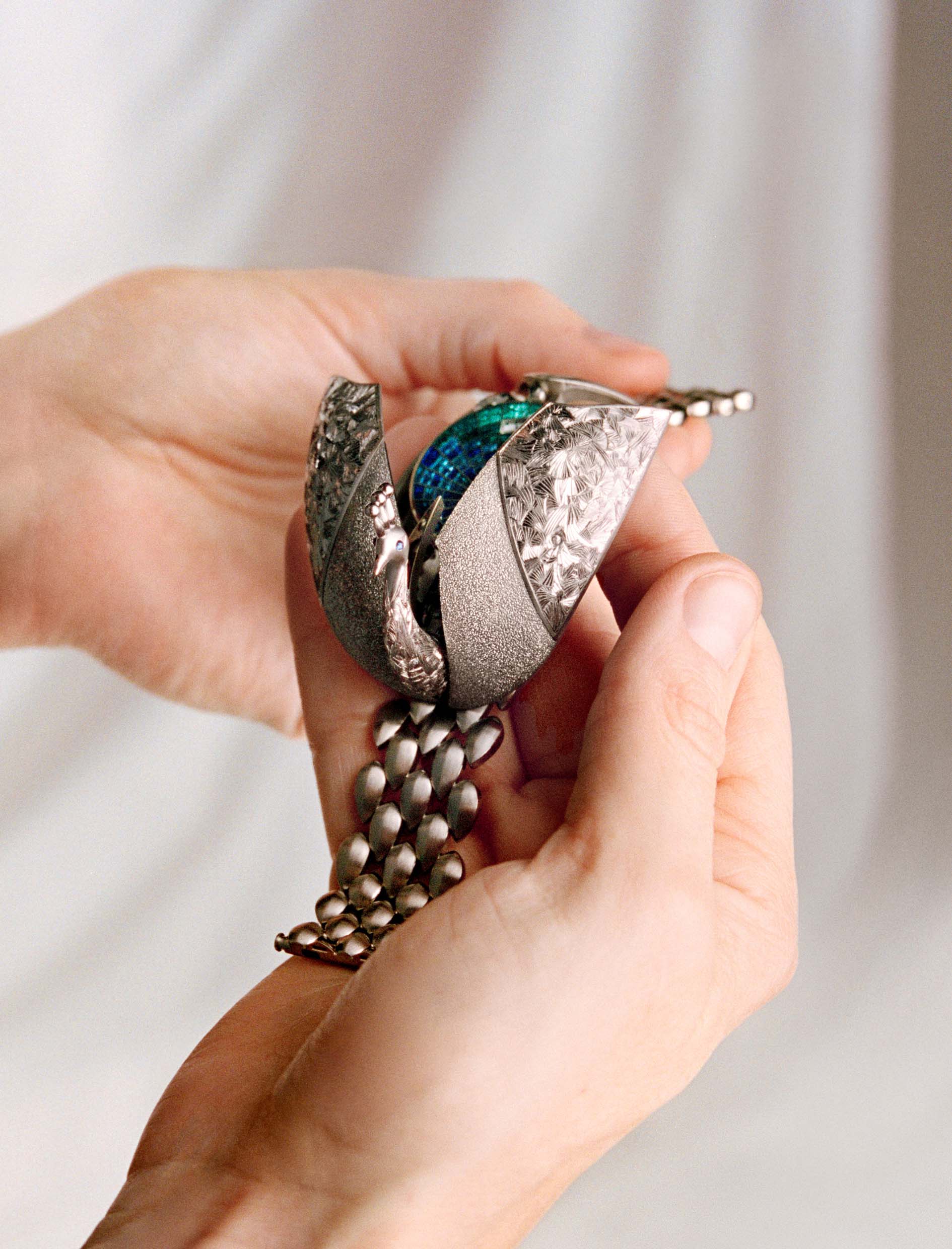
In addition to the case and dial, the bracelet of the Établisseurs Peacock is a masterpiece within a masterpiece. It is crafted from white gold, comprising dozens of hollow links, each engraved with a feather motif. To create this miniature jewellery watch (measuring 35×57 mm), Audemars Piguet enlisted a team of jewellers, enamellers, engravers and watchmakers with the highest level of expertise. The complexity of this watch means that, unlike the other two, only three versions will be available, for which we will have to wait until next year.
CONCLUSIONS
In a watchmaking industry that, for better or worse, often tends to replicate styles and models, Audemars Piguet’s concept is a breath of fresh air. When looking at the watches emerging from the “Atelier des Établisseurs” project, we must not consider their affordability or commercial value. Rather, we should appreciate them as contemporary expressions of a world that no longer exists, but without which we would not know watchmaking as we know it today.
A world that the Manufacture in Le Brassus has had the courage and ability to reinterpret in a modern and contemporary way. In this way, on the one hand, everyone who works there feels that their expertise is valued not as an individual skill, but as part of a single environment and a single history. On the other hand, the project ensures that watch enthusiasts can be certain that watchmaking, forever poised between aesthetics, mechanics and art, has not only an illustrious past, but also a vibrant present and a promising future.
By Davide Passoni