

Seiko has struck again. The Japanese brand has now taken a liking to presenting its new watch collections to the press by involving journalists in what is now known as the Seiko Life Experience. Several days in a fascinating location, discovering its natural and cultural beauty, during which the watches become an integral part of the experience — keeping time.

Two years ago, it was Lampedusa’s turn, with the Prospex collection taking centre stage. Together with King Seiko, it returned last year to Pantelleria. In 2025, Seiko took us beyond the borders of Italy and, after a flight of about three hours, we landed in Marrakech — the pearl of Morocco’s imperial cities, along with Fez, Rabat, and Meknes, of which it is the southernmost. For three days, the timepieces from the new collections accompanied us through the city’s narrow streets, the valleys of the Atlas Mountains, and the desert. Once again this year, we were joined by Filippo Tenti.
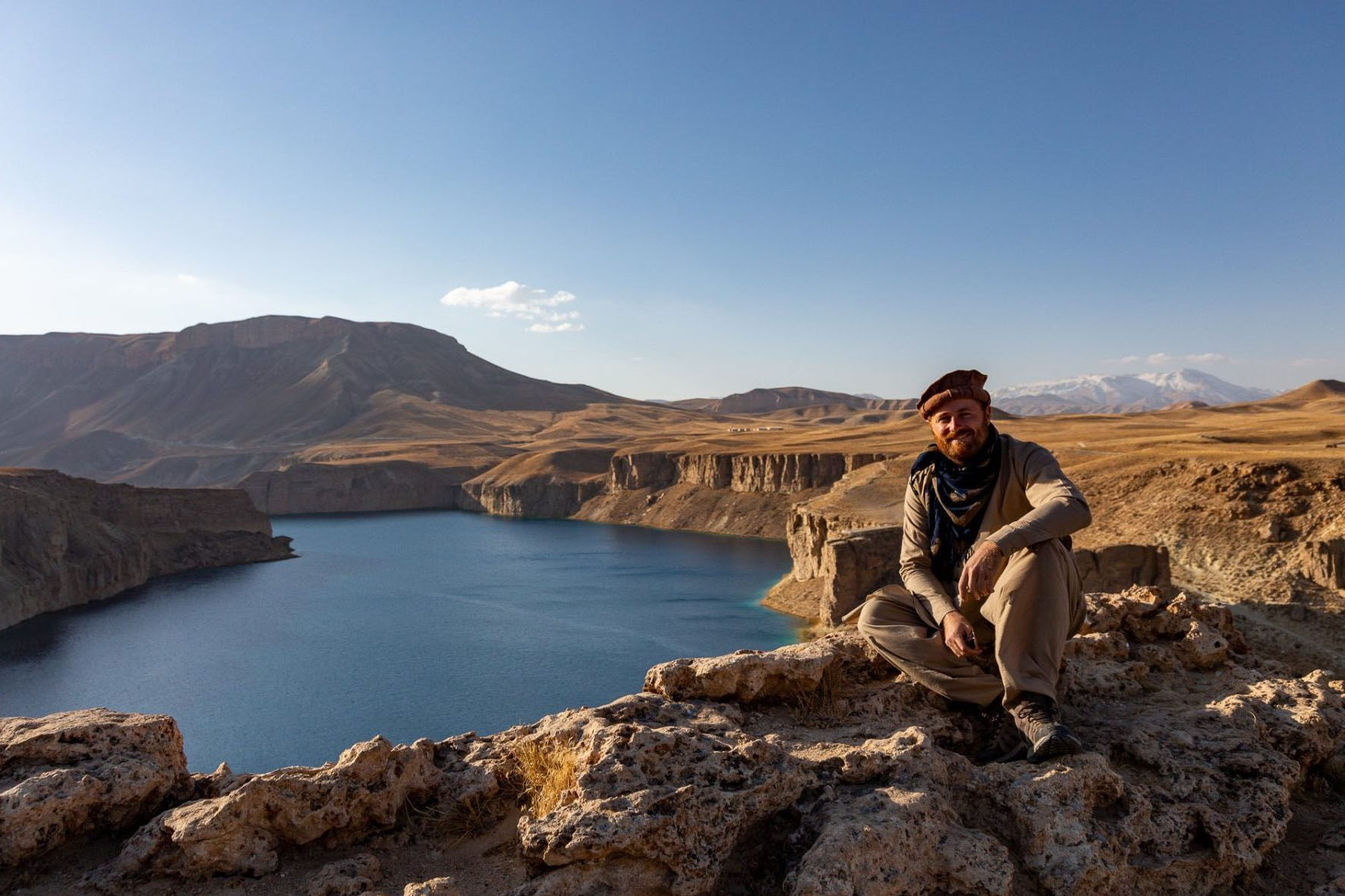
A friend of the Seiko brand for about a year, Filippo is the leader of the Overland team and the face of the Rai television programme Il mondo con gli occhi di Overland (The World Through the Eyes of Overland). A citizen of the world in the truest sense, Tenti has led numerous expeditions in extreme and diverse environments — from deserts to jungles, from mountain ranges to polar regions. He confessed to us that, apart from Italy, his favourite country is Afghanistan. Filippo’s adventures and Overland’s expeditions are also a testing ground for Seiko watches, designed to withstand harsh conditions without compromising performance.
SEIKO LIFE EXPERIENCE WATCHES
We had the opportunity to test the toughness of these watches first-hand during their presentation, which took place in the magical setting of The White Camel, an ultra-luxurious tented camp in the heart of the Agafay Desert, about thirty kilometres from Marrakech — shortly before the resort was swept by a sandstorm that suddenly arose from nowhere. This is a common occurrence in the desert, but the Seiko Italia team dealt with it without batting an eyelid, confident in the reliability of the watches in any context, even in the middle of a storm.
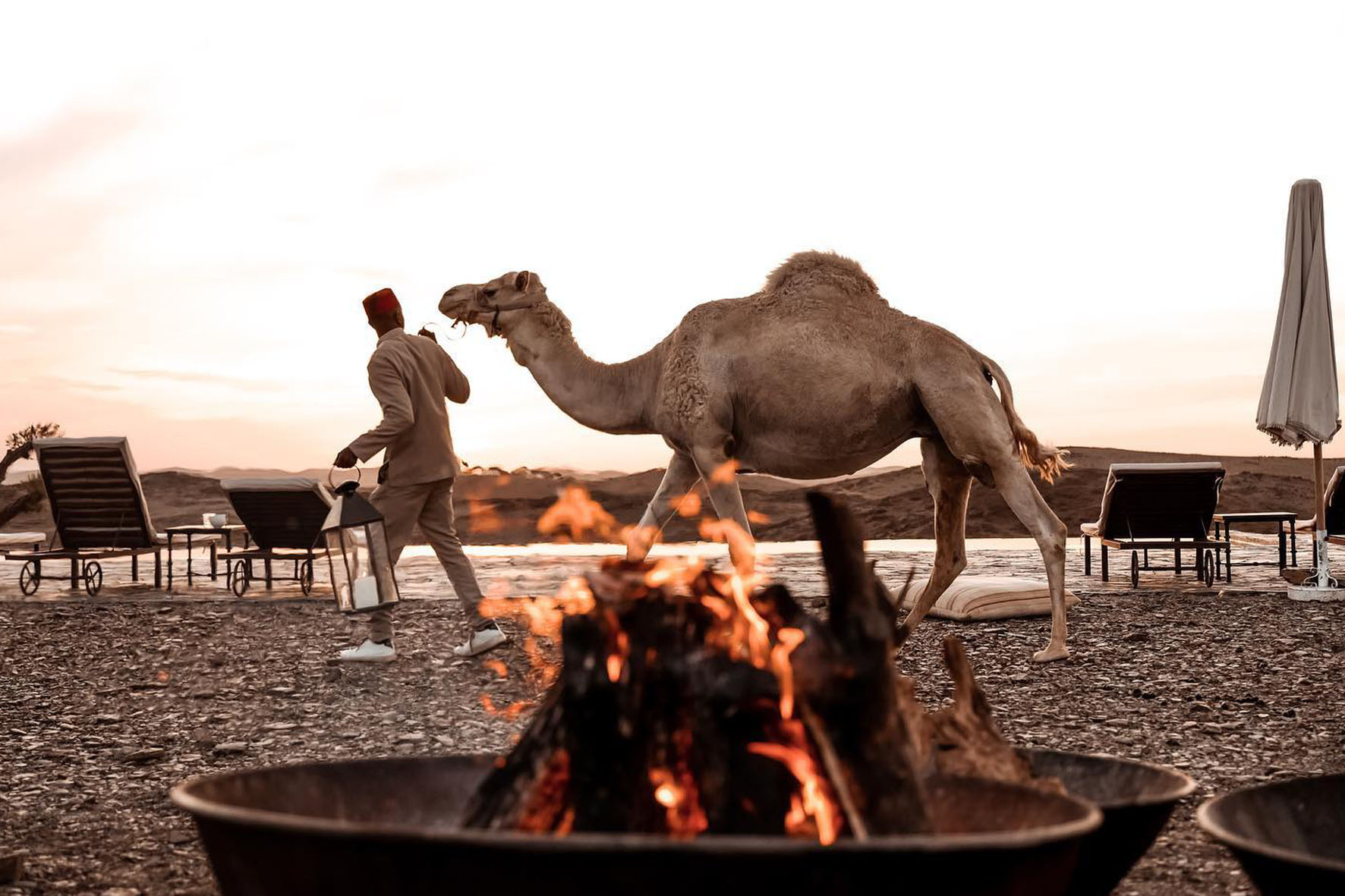
Seiko brought to our attention several references from different lines of the Prospex collection. Unfortunately, some of these will only be unveiled in the coming weeks, so this was a private preview and we cannot yet write about them — another privilege (at least for us) of the Seiko Life Experience. Other collections, however, can be discussed. So we chose two lines from the Prospex Speedtimer series that embody the spirit of performance that accompanied us during our three days in Morocco.
These watches continue the tradition of mechanical excellence that began in 1969 with the launch of the Speedtimer — the world’s first automatic chronograph to combine a column wheel and vertical clutch in the same mechanism. From the first line, we had the opportunity to handle, wear, photograph, and (once removed from our wrists…) regret parting with the Prospex Speedtimer Mechanical SPB513JE and SPB515J1, as well as the Prospex Speedtimer Mechanical Chronograph SRQ055J1.
THREE NEW SPEEDTIMERS TO DISCOVER
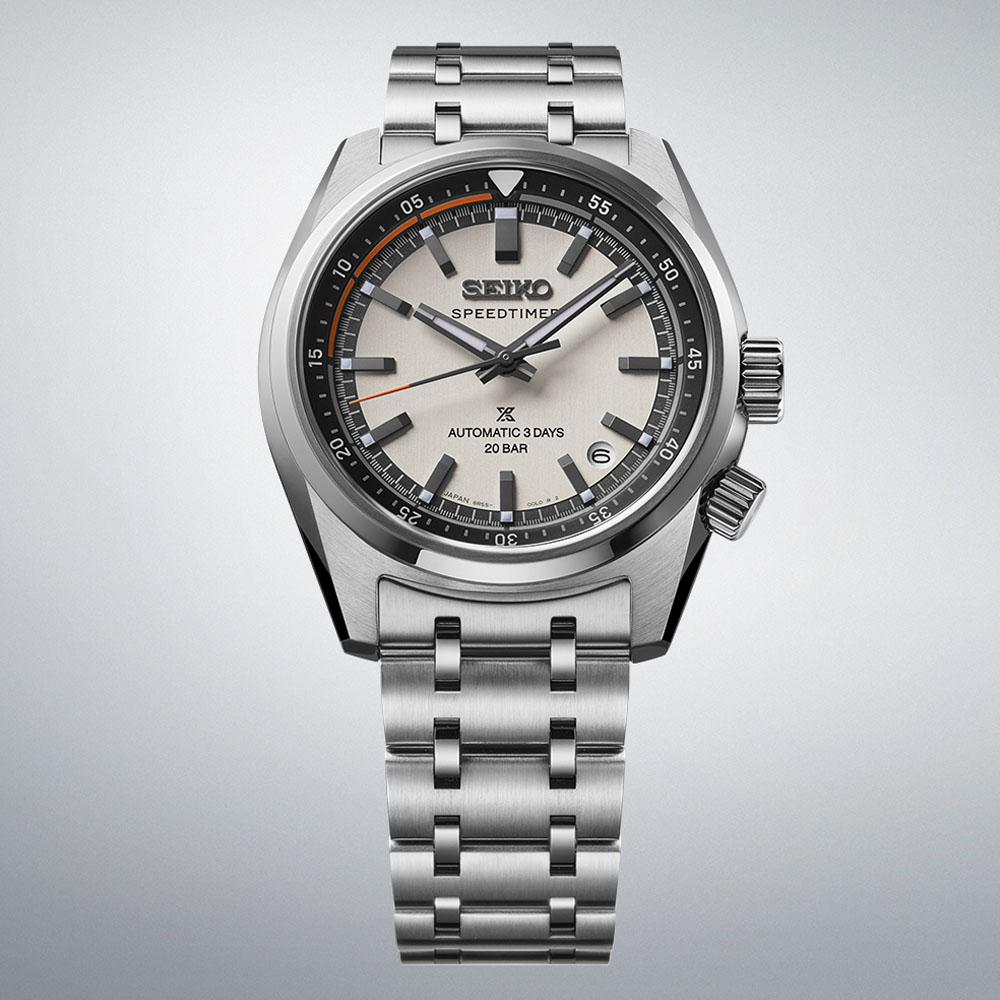
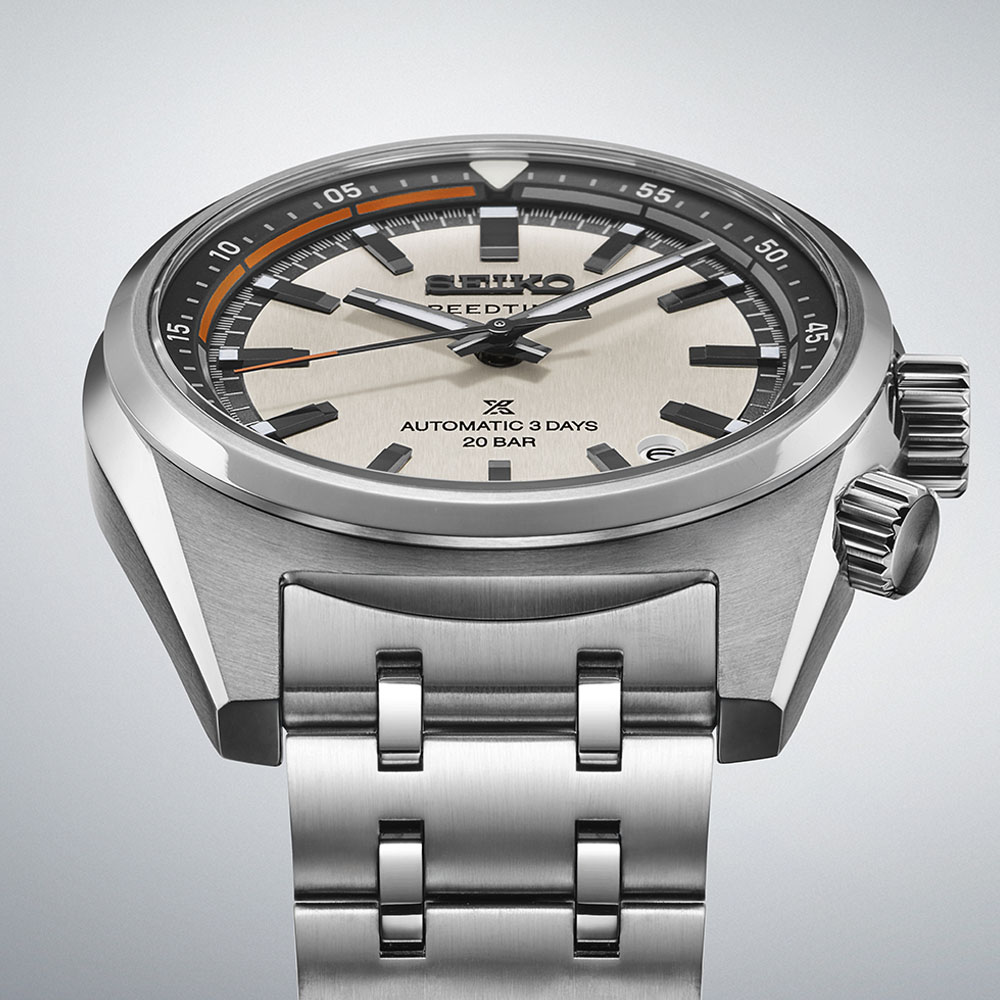
The first two immediately catch the eye with their combination of compact size and vintage aesthetics. The case has a diameter of 39.5 mm and a thickness of 12 mm — a combination which, together with the exceptionally soft steel bracelet, makes them extremely comfortable to wear. The characteristic lines of the Speedtimer introduced in 1972 are also evoked by the dials, silver-white or black with applied hour markers, and by a special feature: a rotating flange (adjustable via a crown at 4 o’clock) that allows the wearer to set a countdown to measure time intervals, readable via an orange band on the dial between 9 and 12 o’clock.
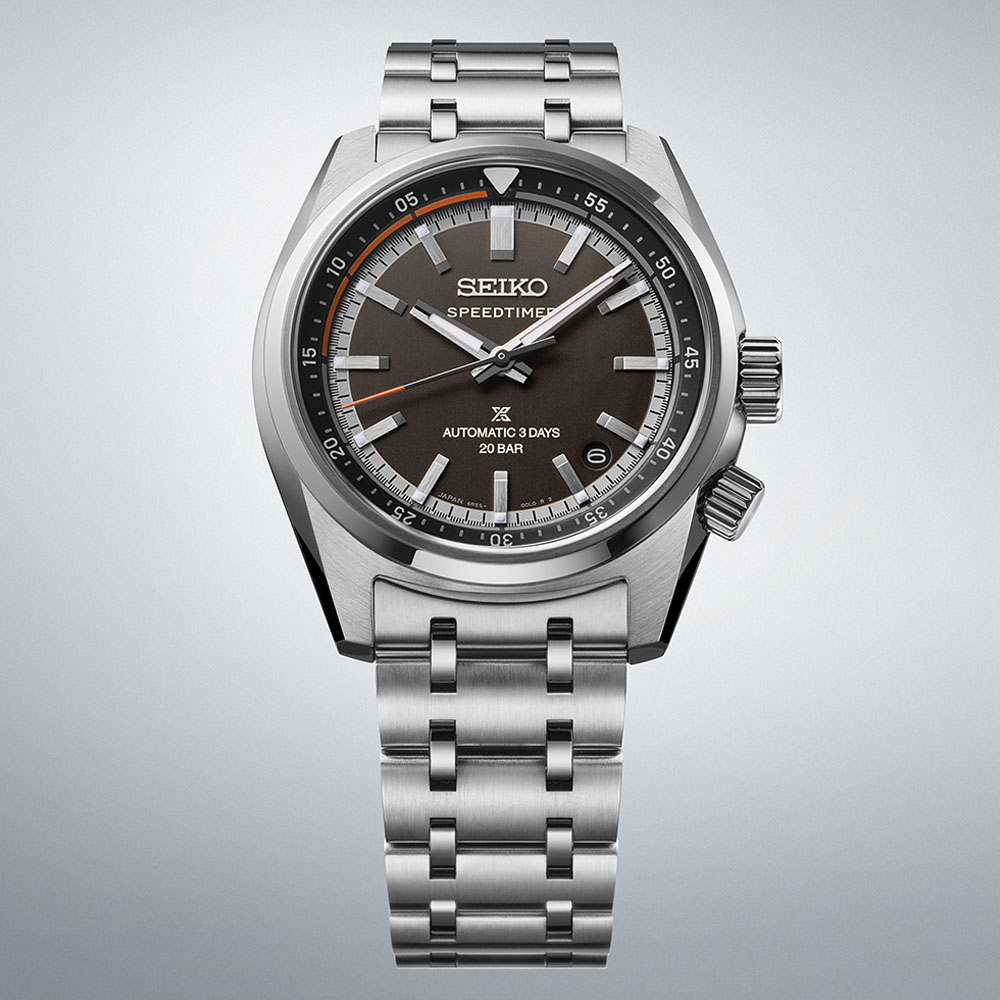
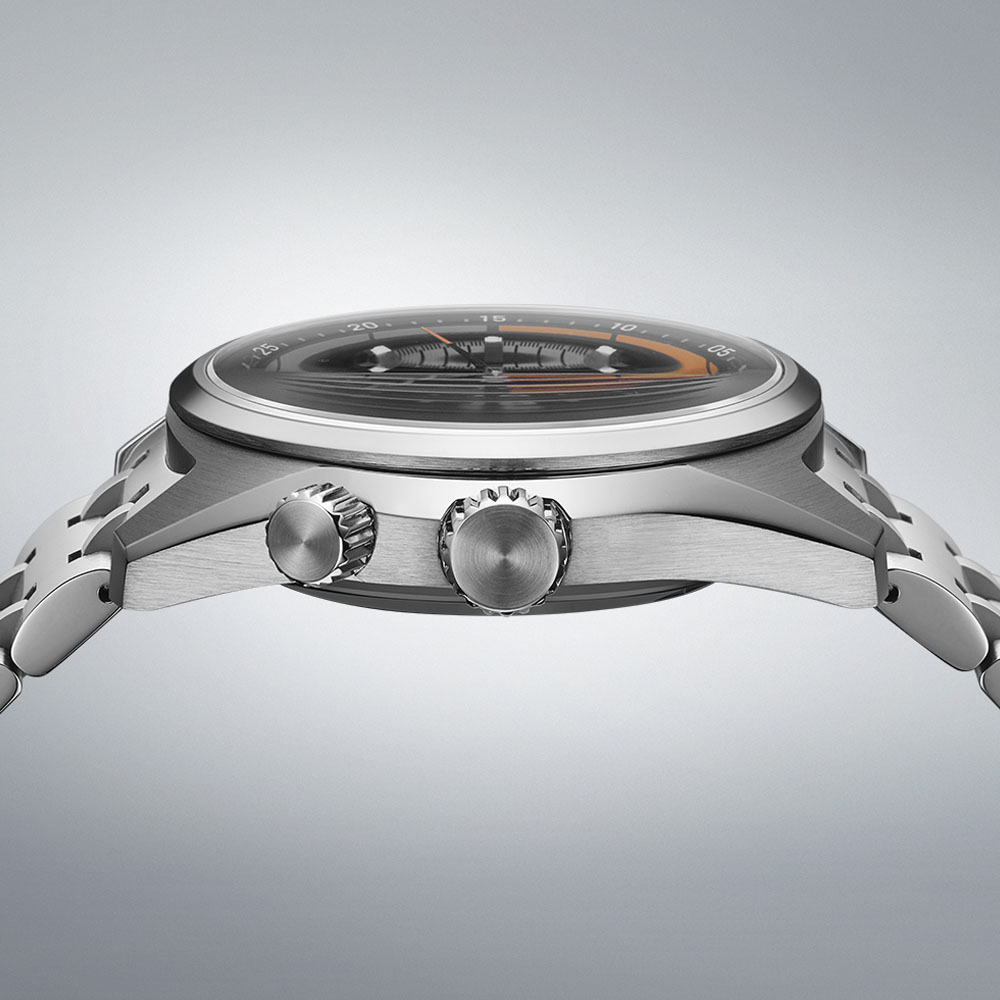
The beauty of these two watches also lies in their performance. The automatic calibre 6R55 gives them a power reserve of 72 hours, and the steel case is water-resistant to 20 bar — capable of withstanding a sandstorm in the Moroccan desert without missing a beat.
The Prospex Speedtimer Mechanical Chronograph SRQ055J1 is more sophisticated and has a decidedly different presence on the wrist. It is a sports chronograph with all the trimmings, featuring a 42 mm diameter and 14.6 mm thick steel case — sturdy indeed. Its aesthetics are defined by the black bezel with a tachymeter scale matched to the dial, which is also black, with a well-balanced layout of the counters that accentuate its compact look despite its size.
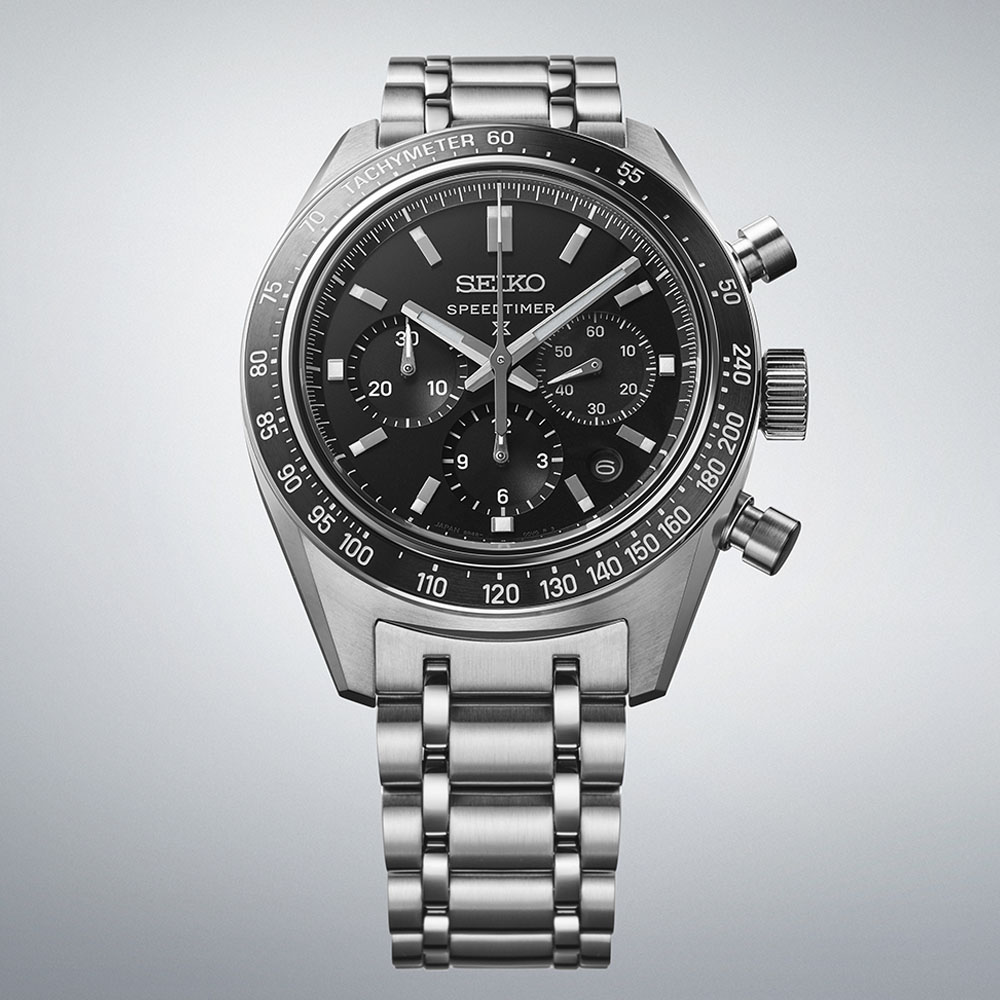
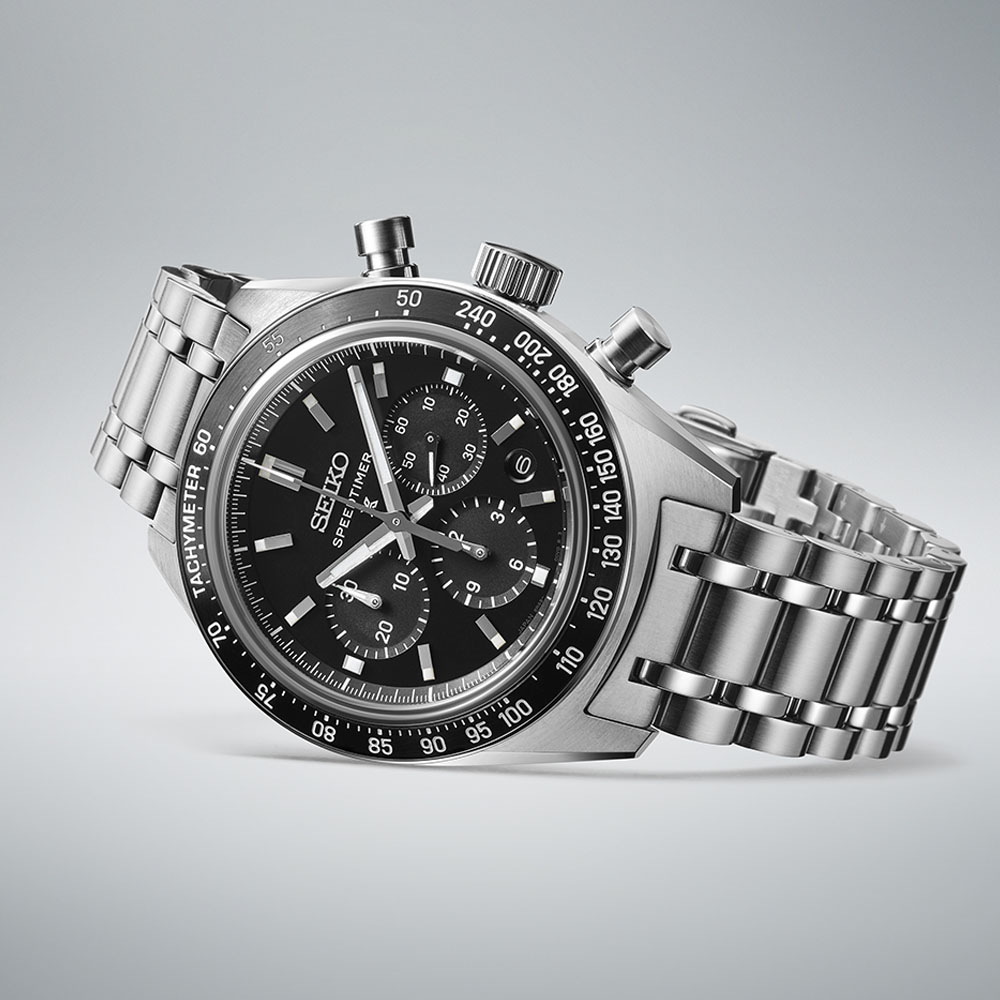
The watch is also beautiful on the inside. The calibre 8R48 automatic chronograph movement features both a column wheel and a vertical clutch. Seiko’s press kit states that “the reset mechanism uses a three-arm hammer, which allows all chronograph hands to return to zero instantly.” Beyond the words, what truly matters is our hands-on experience: the smoothness of the pushers and the precise engagement — which can also be appreciated aurally — testify to the excellent work of both the Japanese engineers and the watchmakers who assemble this Speedtimer by hand.
SEIKO SPEEDTIMER AND DATSUN
The second of the two lines that the Seiko team brought to Morocco includes the other three Prospex Speedtimers that we tried in Agafay — three new models inspired by the partnership that linked Seiko to the Japanese sports car brand Datsun in the 1970s. A glorious marque that enthusiasts know well but which, unfortunately, came to an end not worthy of its mechanical and sporting legacy.
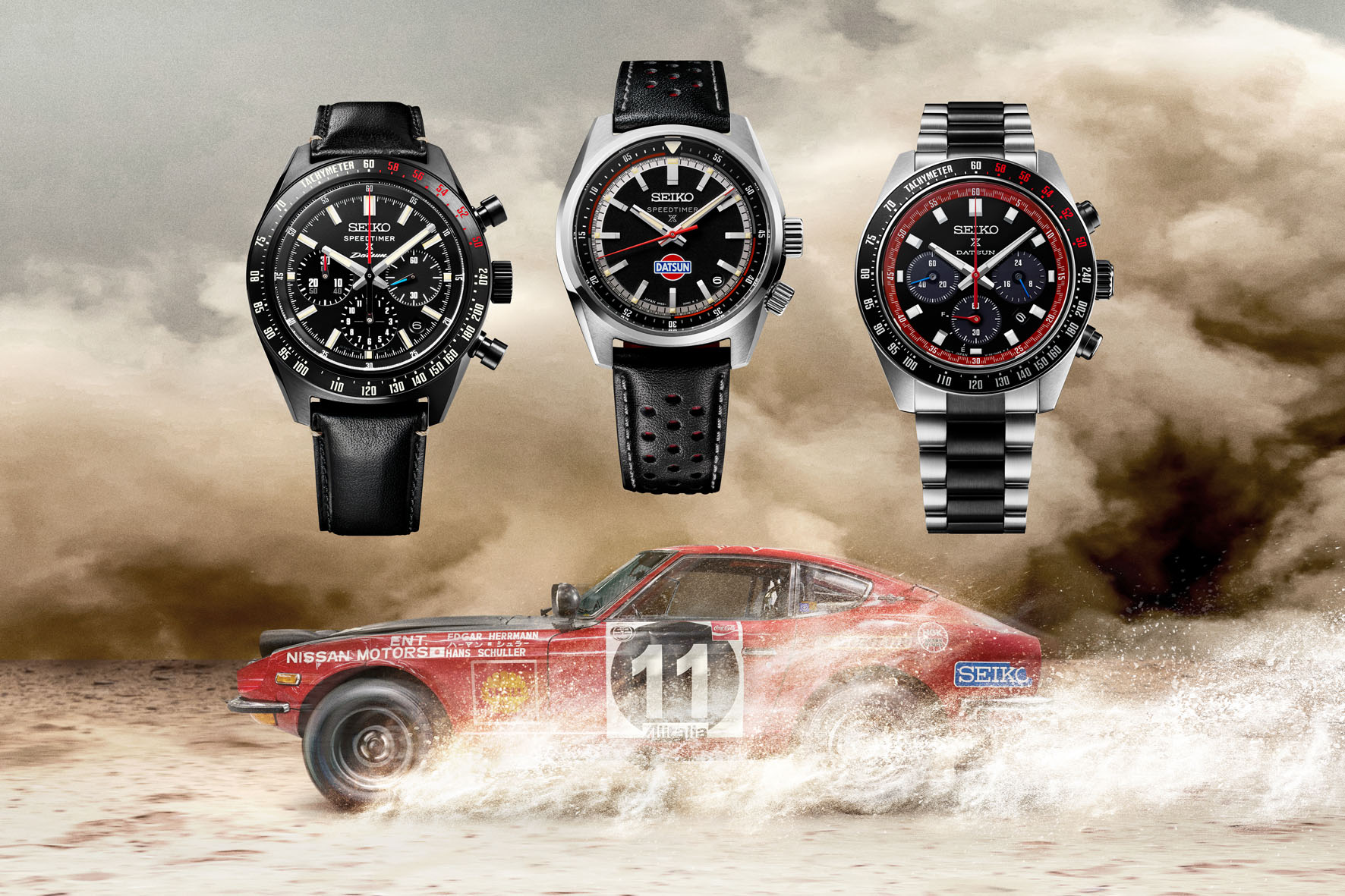
Seiko joined forces with Datsun in motorsport in the early 1970s, and in 1971 the Datsun 240Z number 11, decorated with the Seiko logo, tackled the extreme conditions of the East African Safari Rally — between Kenya, Uganda, and Tanzania — covering 6,200 kilometres to claim victory. This race is still considered one of the toughest in the world today. In tribute to that partnership and victory, Seiko has created three limited-edition Prospex Speedtimers which, true to their history, found themselves — dare we say — more than at home in the Agafay Desert.
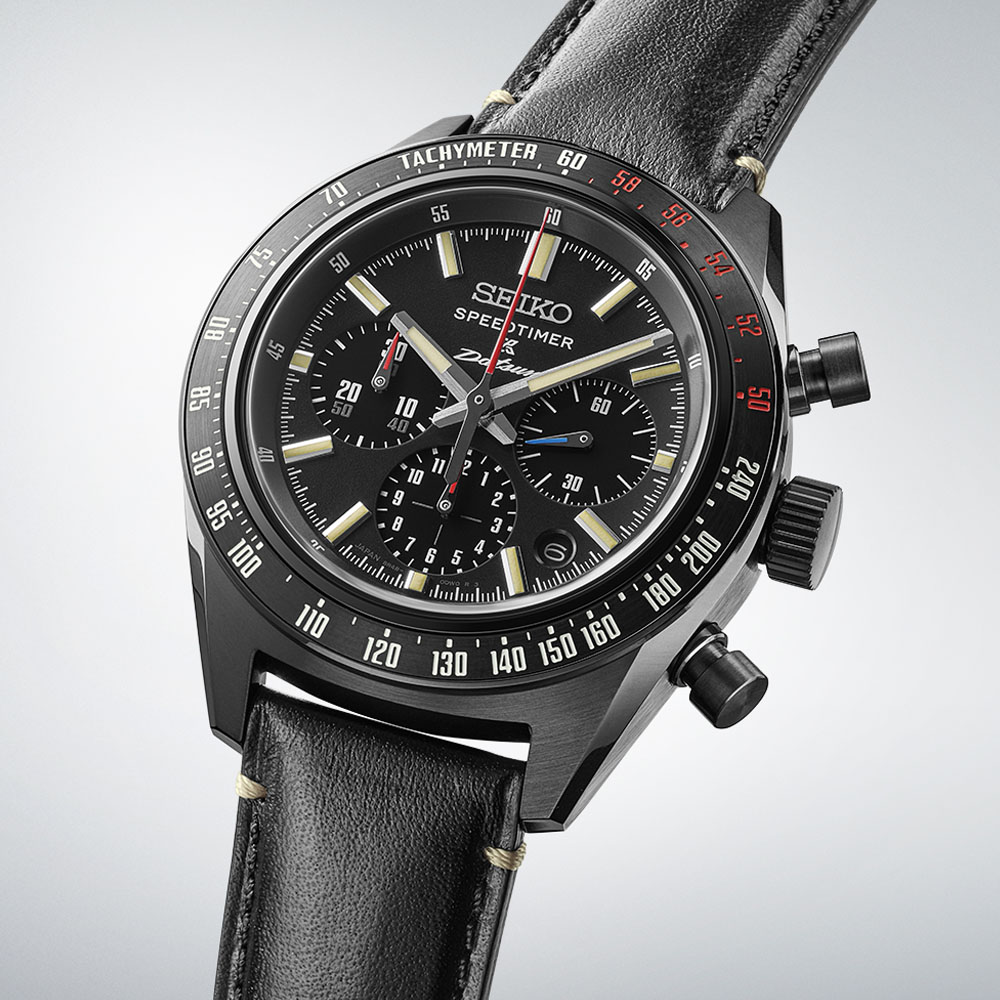
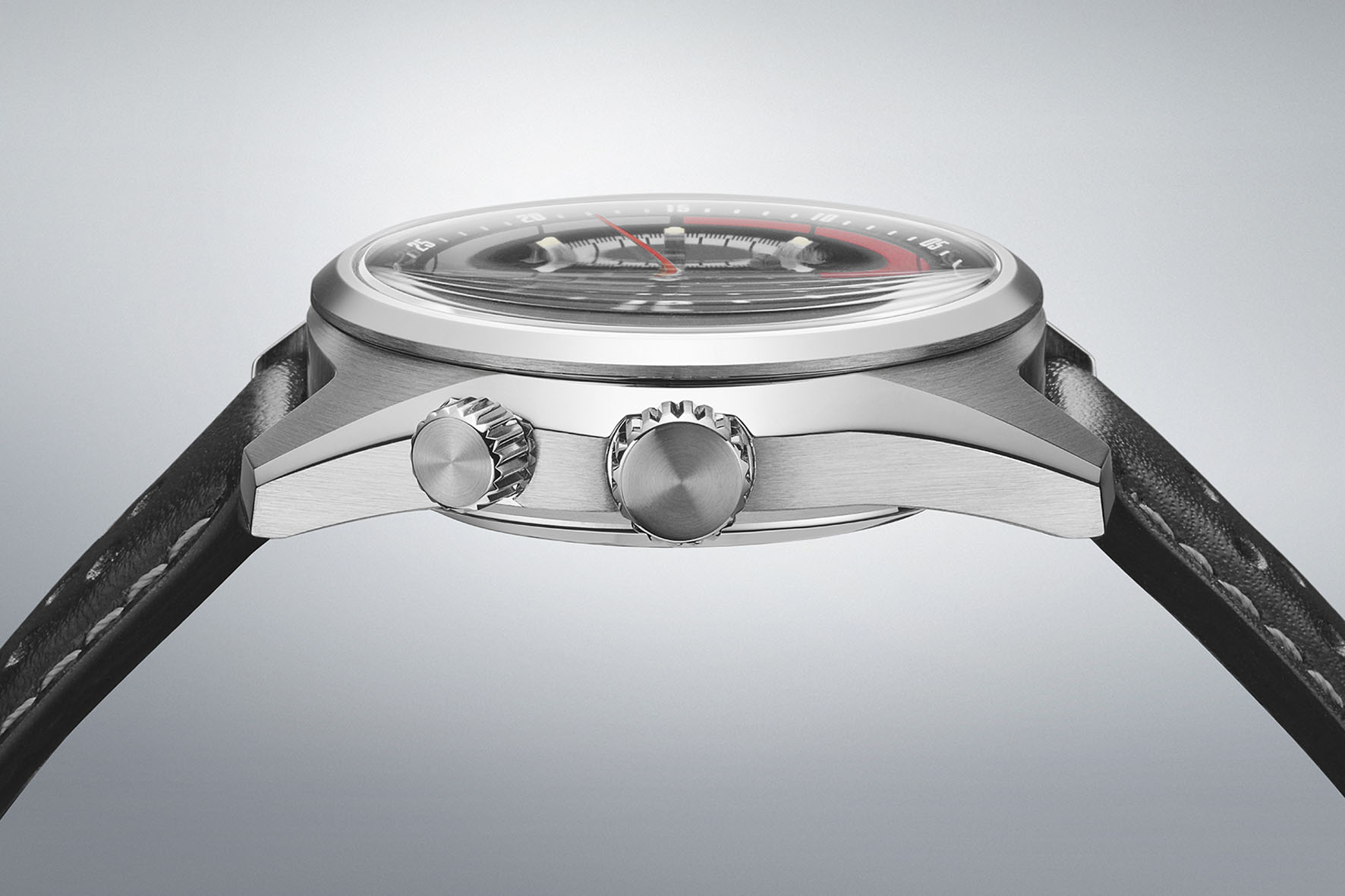
Here we have two chronographs (SRQ057J1 and SSC957P1) and a single timepiece (SPB517J1) with a rotating bezel for countdown, as in the SPB513JE and SPB515J1 references. The two chronographs differ not only in appearance but also in movement. The SRQ057J1 is powered by the 8R48 calibre, like the Speedtimer mentioned earlier, while the SSC957P1houses the V192 solar chronograph movement. The performance of the former matches that of the Prospex Speedtimer Mechanical Chronograph SRQ055J1, while the solar chronograph, once fully charged, can run for up to six months without further exposure to light.
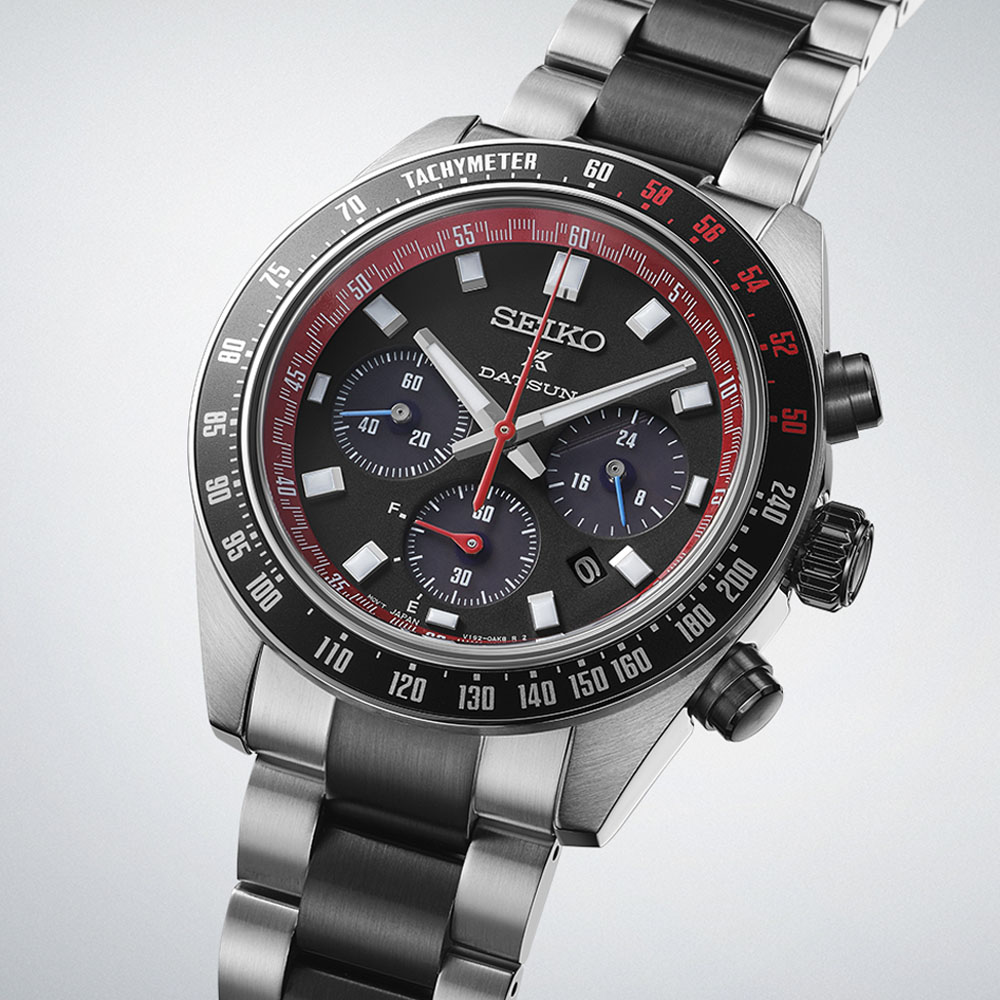
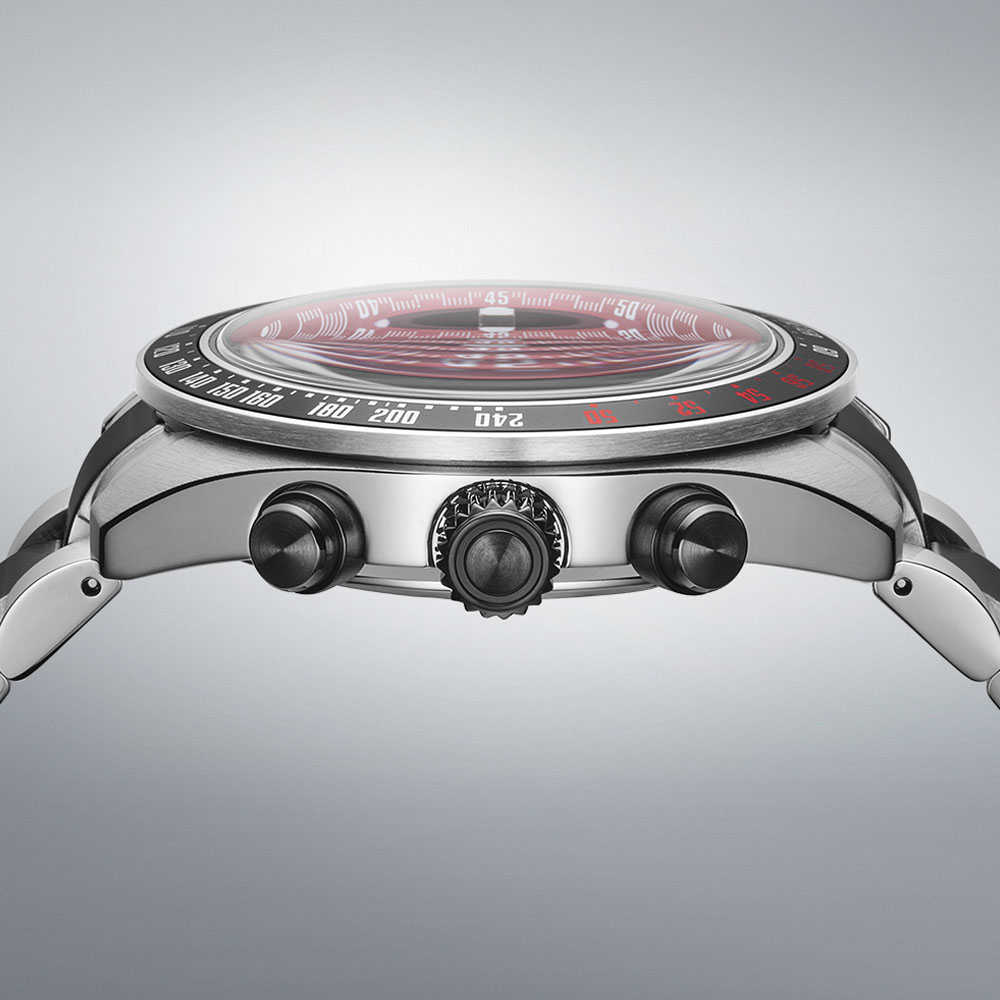
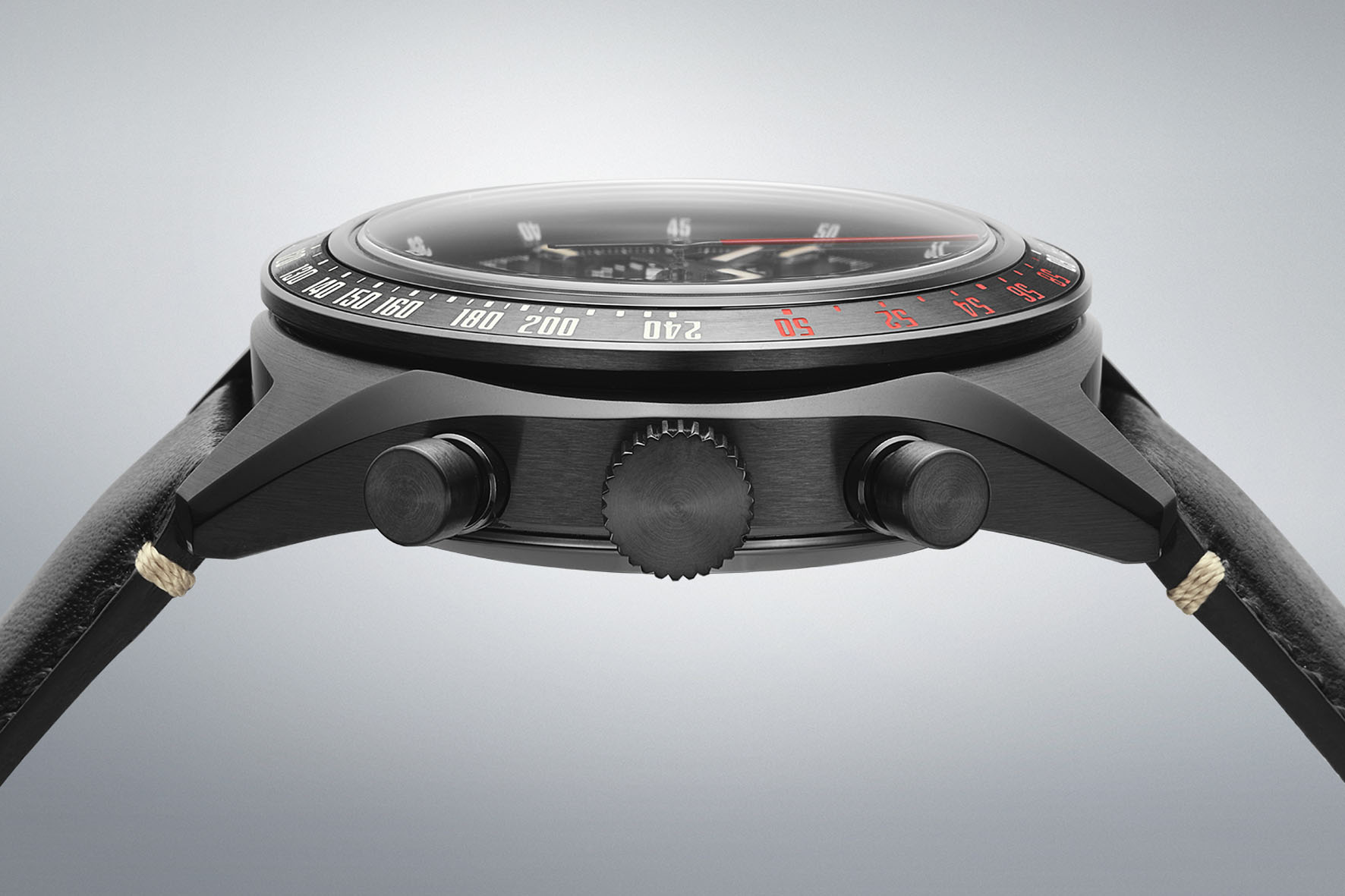
Both chronographs feature steel cases (black for the SRQ057J1), but in different sizes: 42 mm by 14.6 mm for the mechanical model and 41 mm by 13 mm for the solar version. Both, however, have a tachymeter scale on the bezel, which allows speed to be measured even in the range between 50 and 60 km/h — a detail borrowed from the first Speedtimer of 1969. The time-only model offers the same performance and functions as the Speedtimer SPB513JE and SPB515J1. What truly sets these three watches apart is the Datsun spirit that animates the line, reflected in various design details.
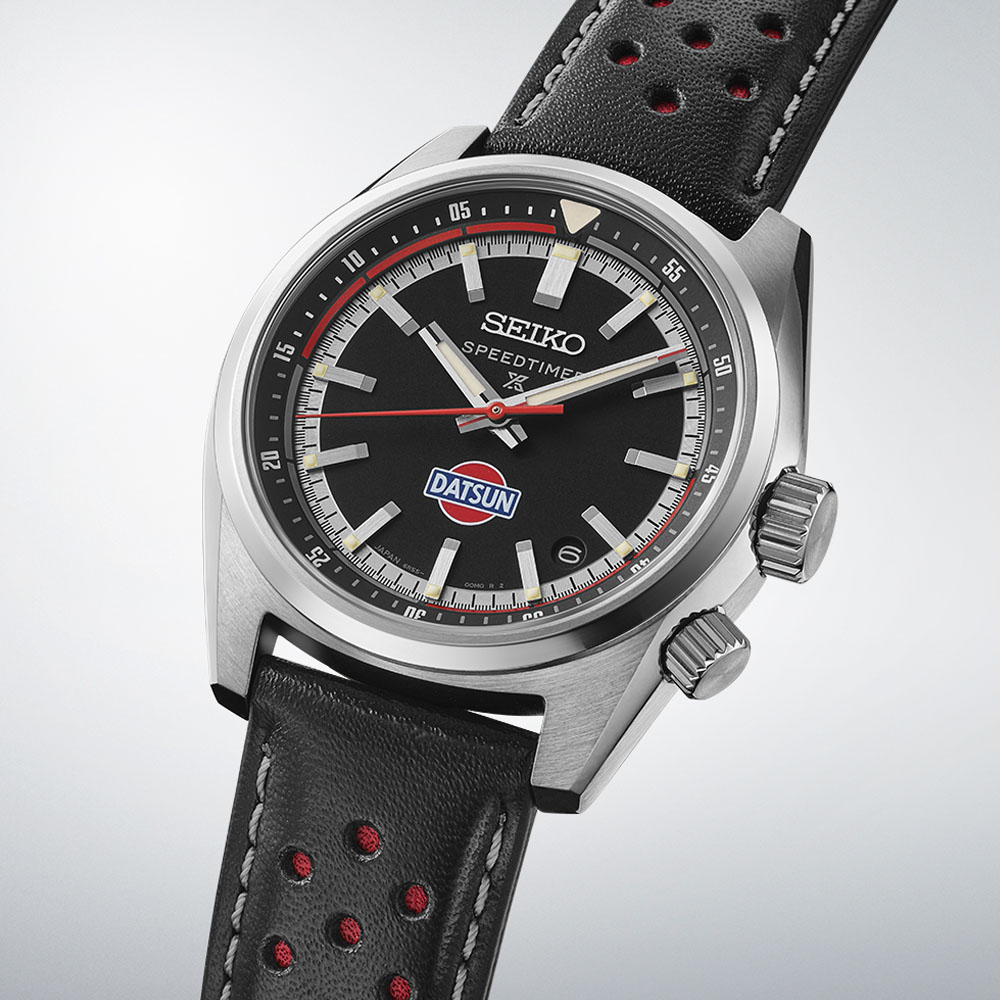
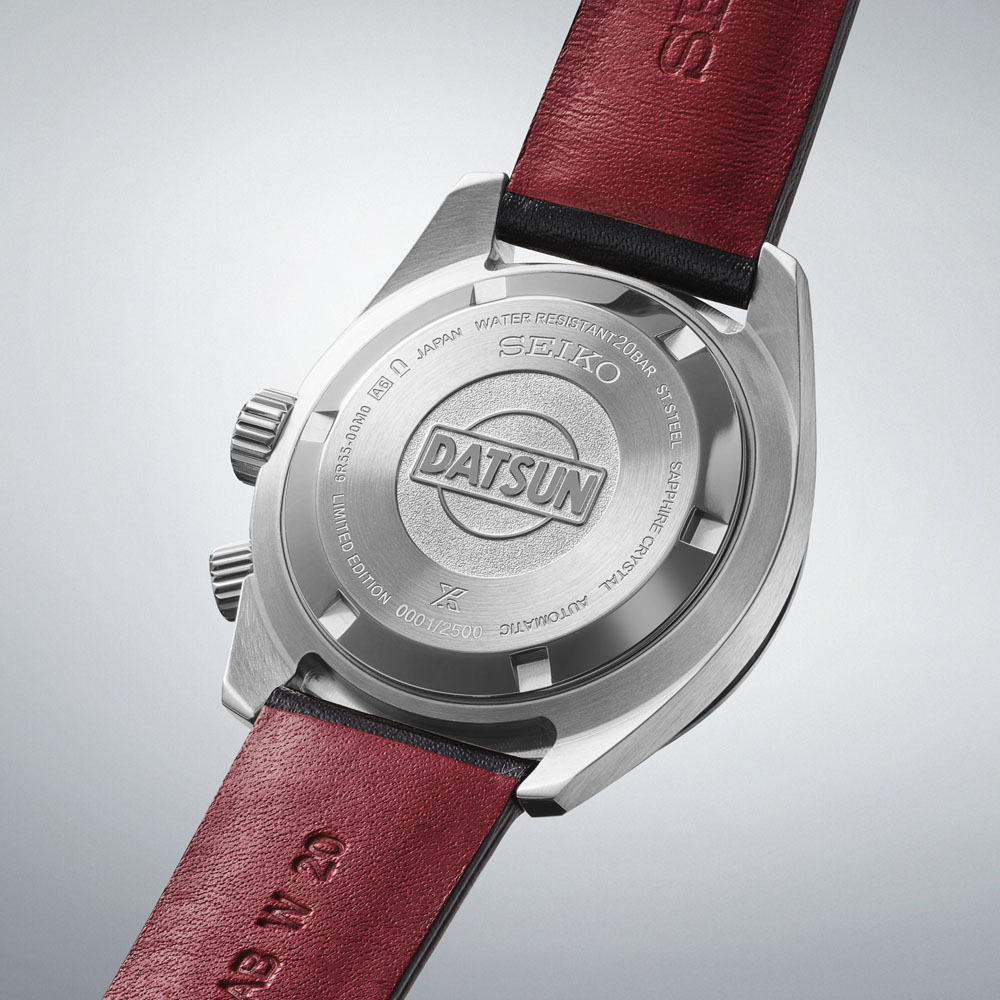
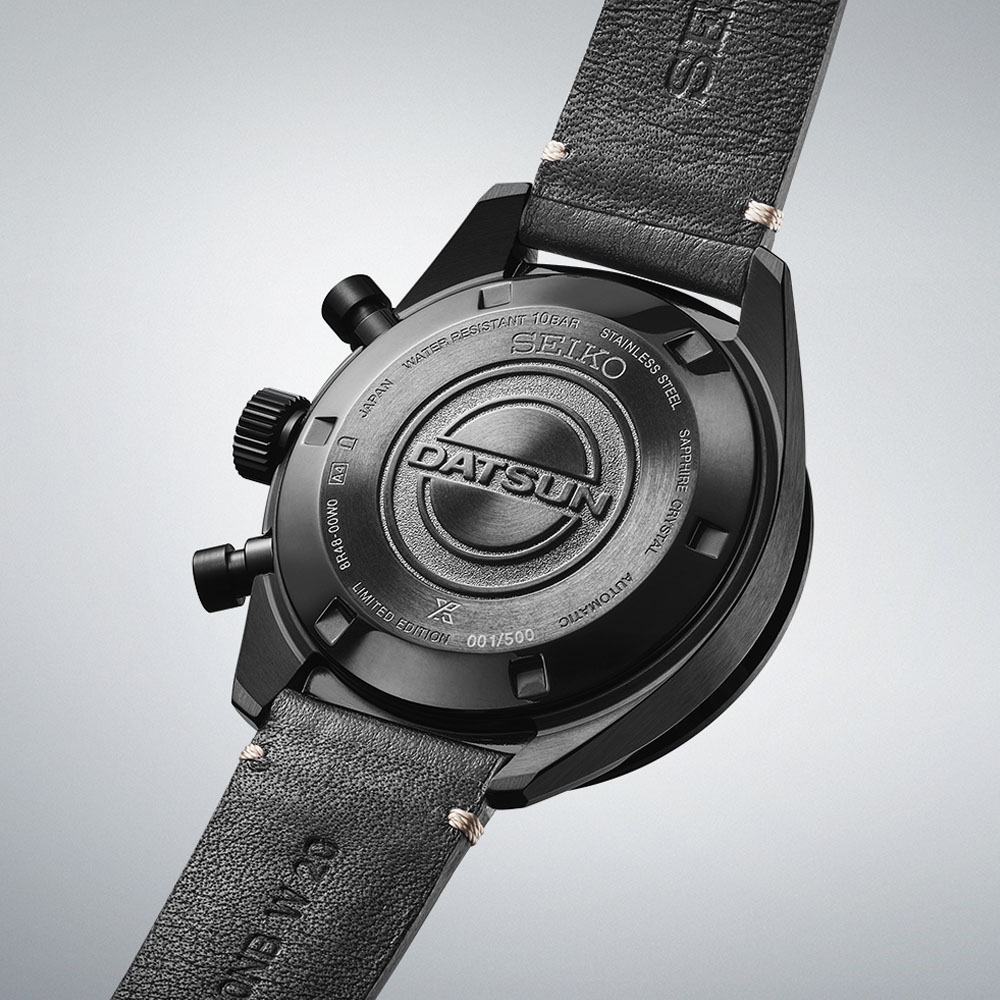
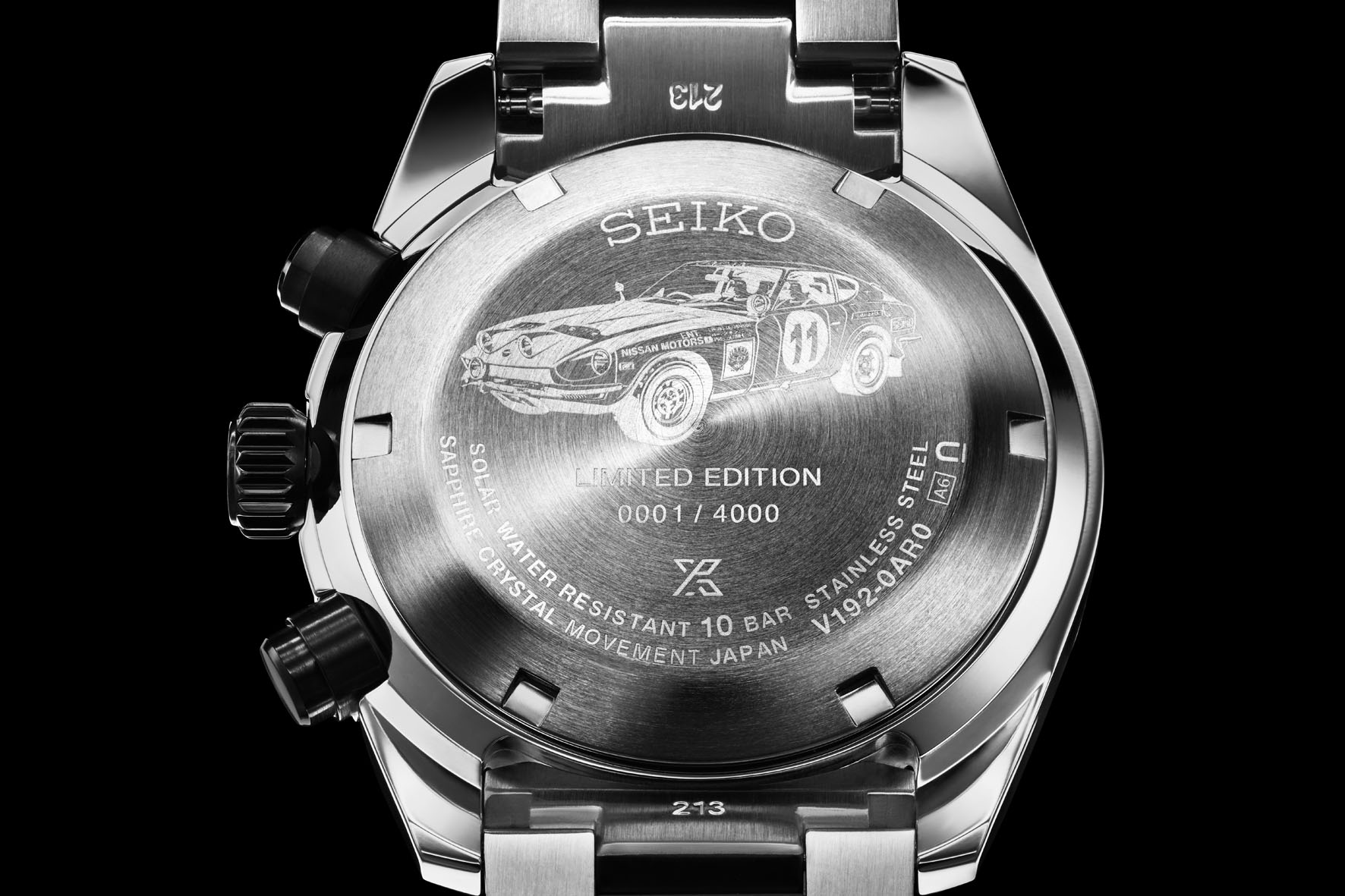
The time-only model features the Datsun logo on the dial — a red circle and blue rectangle framing the white Datsun lettering. The automatic chronograph, on the other hand, bears the name written in cursive script, evoking the dynamism of the racing cars of the era. Finally, the solar chronograph displays the Datsun name in bold block letters, creating a strong visual impact. The casebacks also differ: two of the three models feature historic Datsun logos — the time-only model has the one used at the time, the mechanical chronograph bears a logo inspired by the rally car, and the solar chronograph showcases an original illustration of the 240Z, created especially for this watch.
As with any self-respecting commemorative watch, these three Prospex Speedtimers dedicated to Datsun are limited editions: 2,500 pieces for the time-only model, 4,000 for the solar chronograph, and 3,500 for the mechanical chronograph.
AT THE HEART OF THE SEIKO LIFE EXPERIENCE: MARRAKECH
All this beauty was heightened by the magic of the Seiko Life Experience. Marrakech, as we said — once the imperial city of western Morocco, now an important economic centre rich in mosques, palaces, and gardens. Its medina is a distinctive feature and was the first stop on our journey, guided by the expert local guide Abdullah. But not before visiting what locals consider a pharmacy — though to Western eyes, it resembles more an alchemist’s laboratory, where spices and natural raw materials are used to create alternative remedies designed to be a panacea for all ills. It’s all a matter of perspective: some prefer ginger and turmeric, others put their faith in chemistry, ibuprofen, and sildenafil. This, too, is part of Marrakech’s charm.
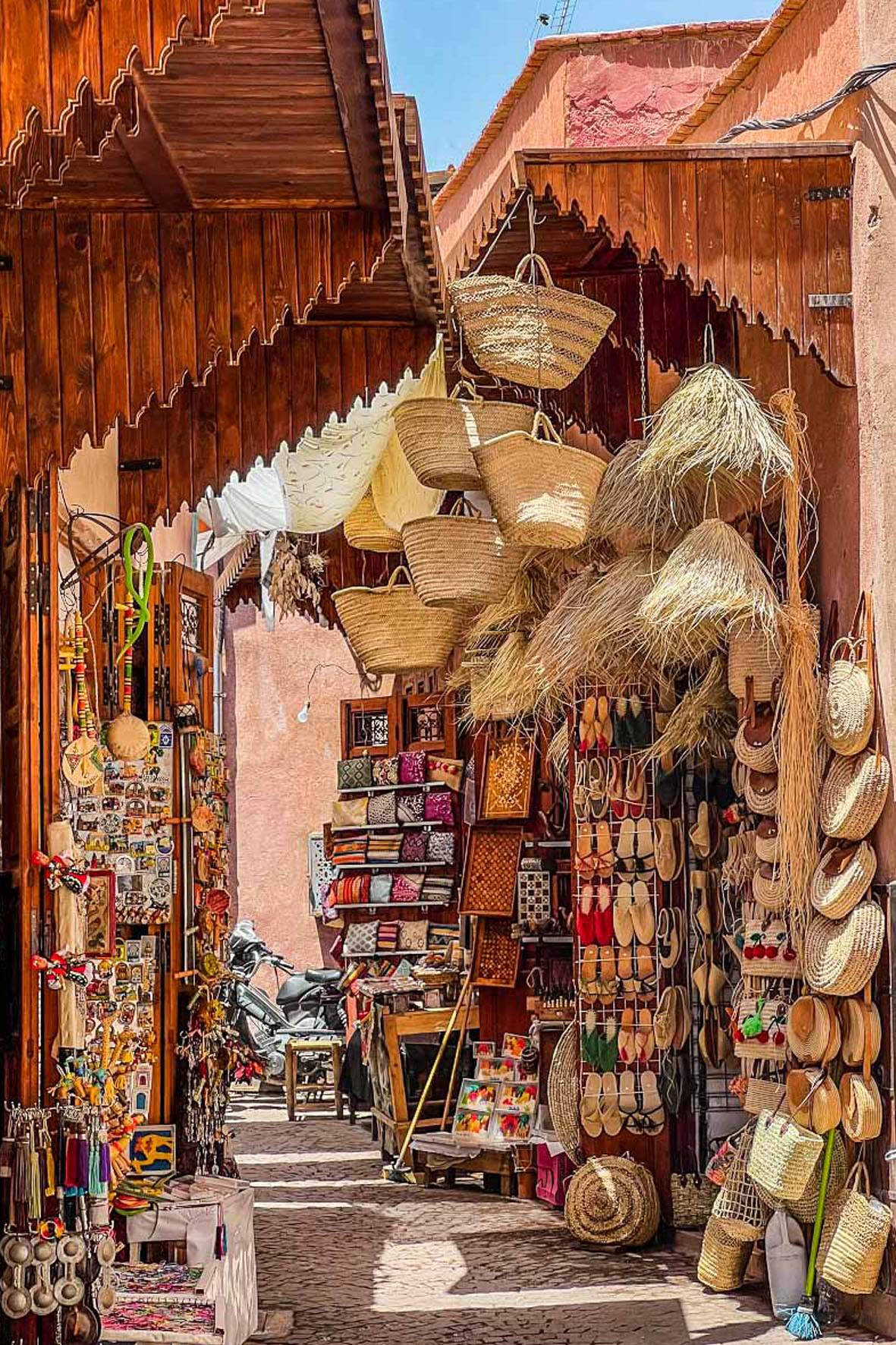
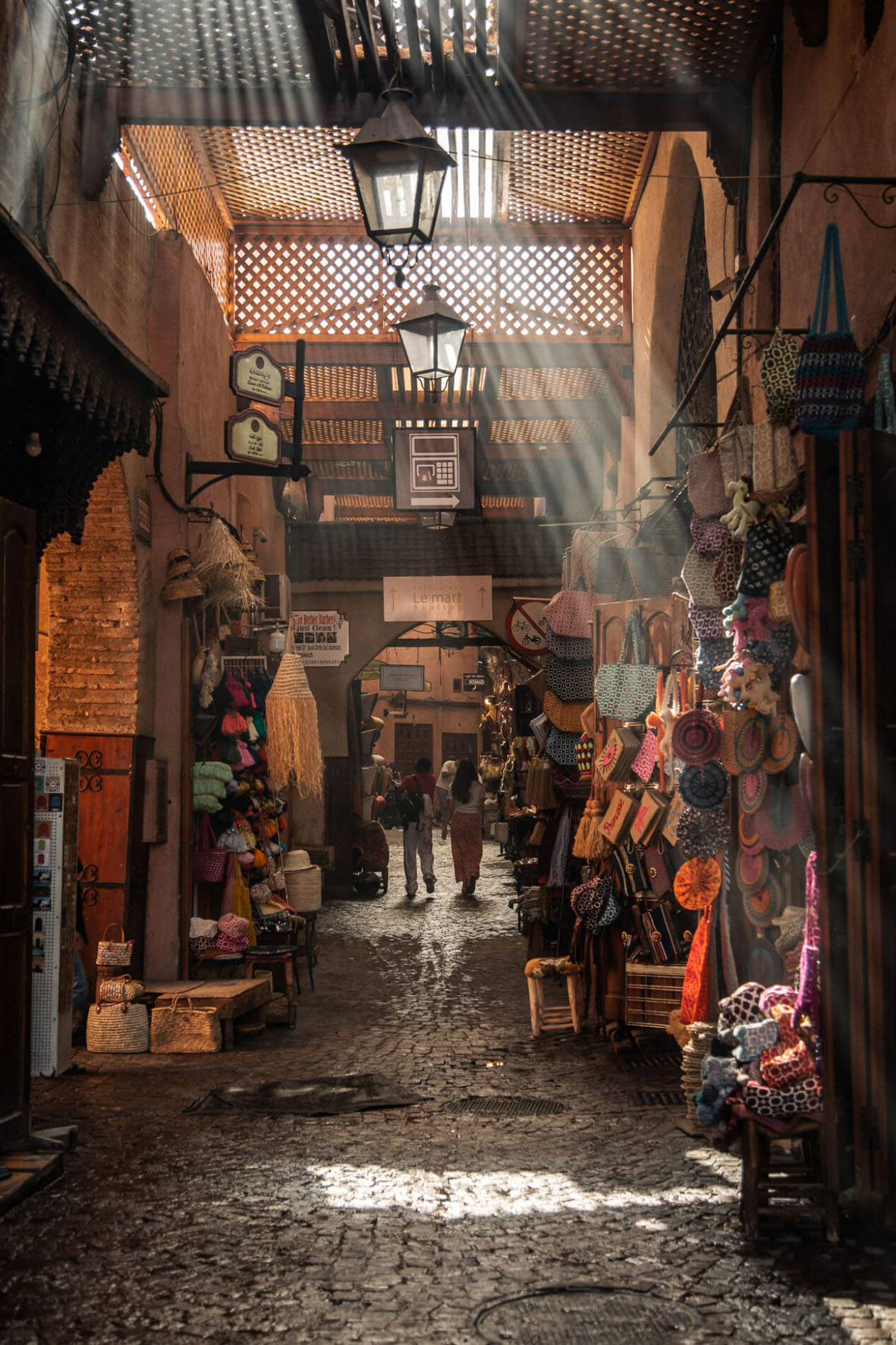
The medina, as we were saying. We reached it after crossing the famous Jemaa el-Fna square — the true heart of Marrakech — accompanied by the Seiko Italia team and Abdullah. A riot of sounds, colours, lights, and scents, alive practically 24 hours a day, where dozens of street food stalls (a temptation and a danger for our Western digestive systems) stand alongside snake charmers, improbable dancers, chameleon sellers, street musicians, and every other character the imagination of an Arab metropolis can conjure up. The square and the medina are a universe where diversity is wealth, traversed by swarms of tourists (including us) who are often intimidated (unnecessarily so). For Moroccans, respect and hospitality toward visitors are sacred. After dinner in a traditional restaurant, our walk with Abdullah to the minaret of the Koutoubia Mosque — dating back to the 12th century, the Muslim ‘brother’ of Seville’s Catholic Giralda — prepared us in the best possible way for the following day.
BETWEEN MOUNTAINS AND DESERT
The day began at dawn, aboard powerful 4x4s heading for the Agafay Desert. But not directly — that would have been too easy and too fast. Our journey led us through the valleys of the High Atlas, the mountain range that characterises northern Morocco. Thanks to the Seiko Life Experience, we passed through enchanted places where the landscape changes kilometre after kilometre. We entered a real Berber house, where we were welcomed with the warm hospitality every guest deserves, and the inevitable mint tea. We travelled through valleys with passes reminiscent of the Dolomites, passed one of Morocco’s most famous ski resorts, Oukaïmeden, and saw with our own eyes the still-open wounds of the earthquake that struck the country in 2023.
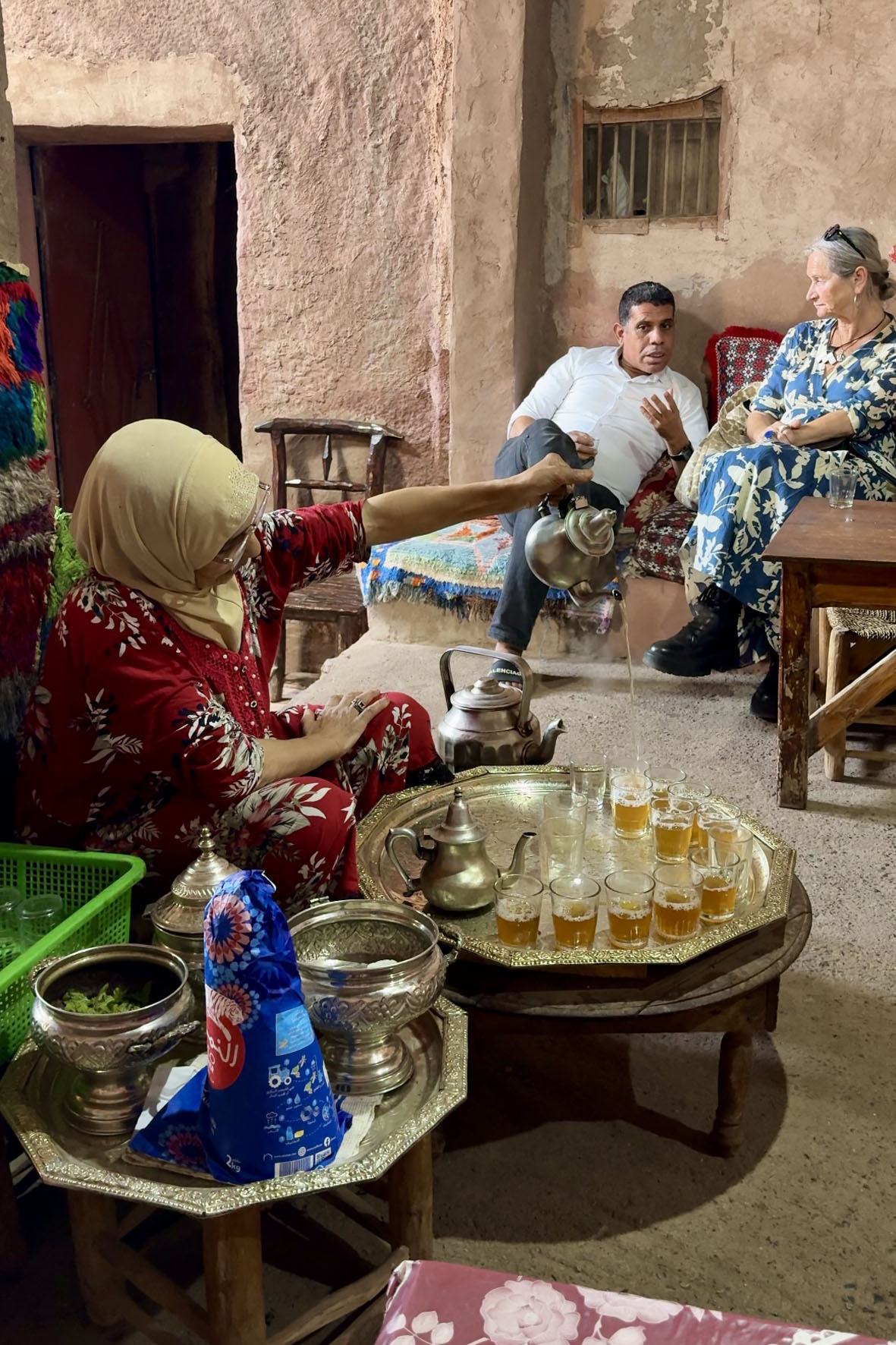
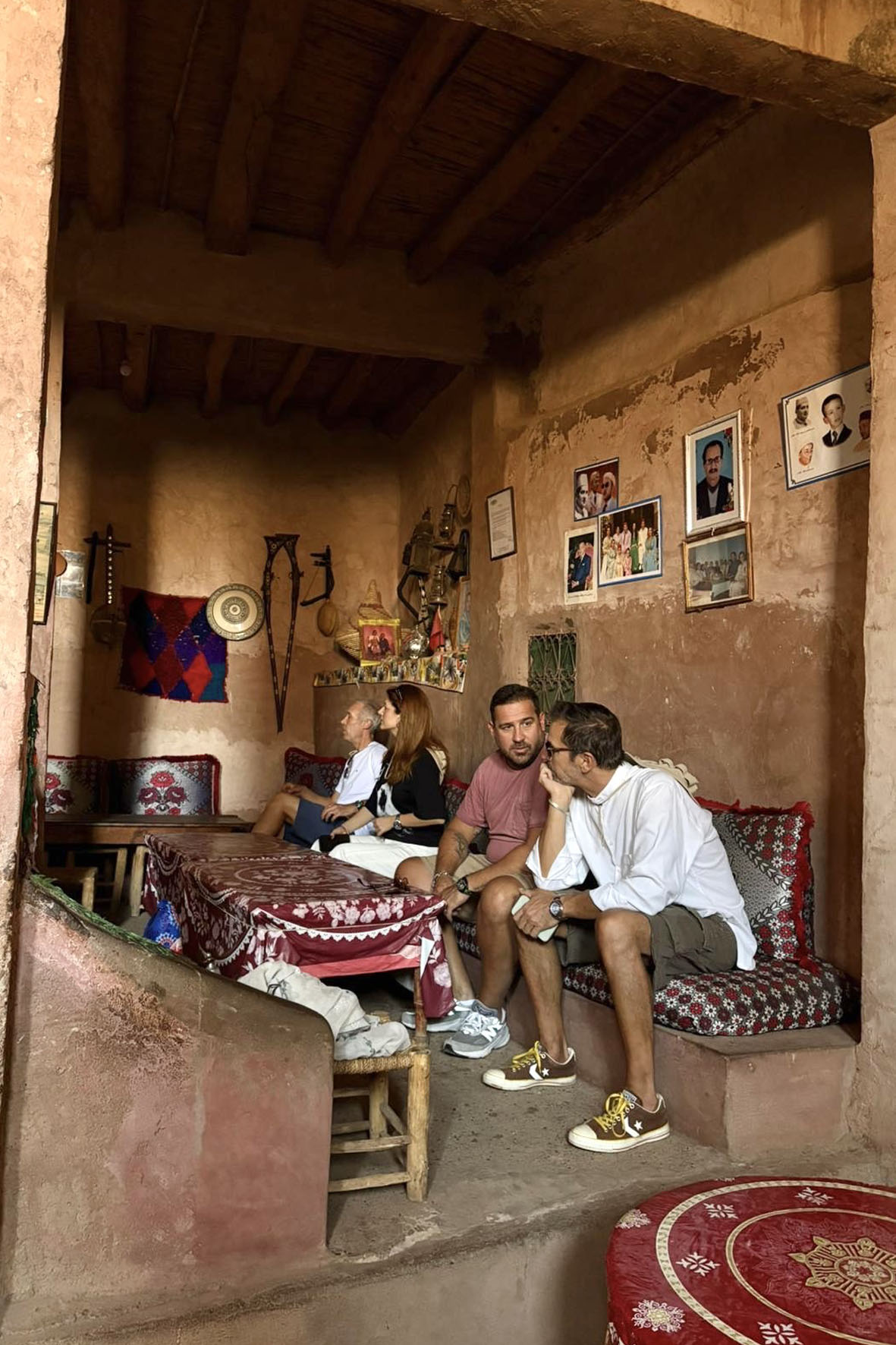
We stopped for lunch in a traditional house in the village of Imlil, on the slopes of Mount Toubkal: at 4,167 metres (higher than our Gran Paradiso, to give you an idea), it is the highest peak in North Africa.
Back in our off-road vehicles, after a few hours we descended into the Agafay Desert, where The White Camel tented camp awaited us — with a most welcome shower, three swimming pools for relaxation, and a traditional dinner accompanied by local musicians and the inevitable swarm of cats and kittens: a constant presence in Marrakech and, as we discovered, even in the middle of the desert — as long as there are kind-hearted humans willing to offer food and affection.
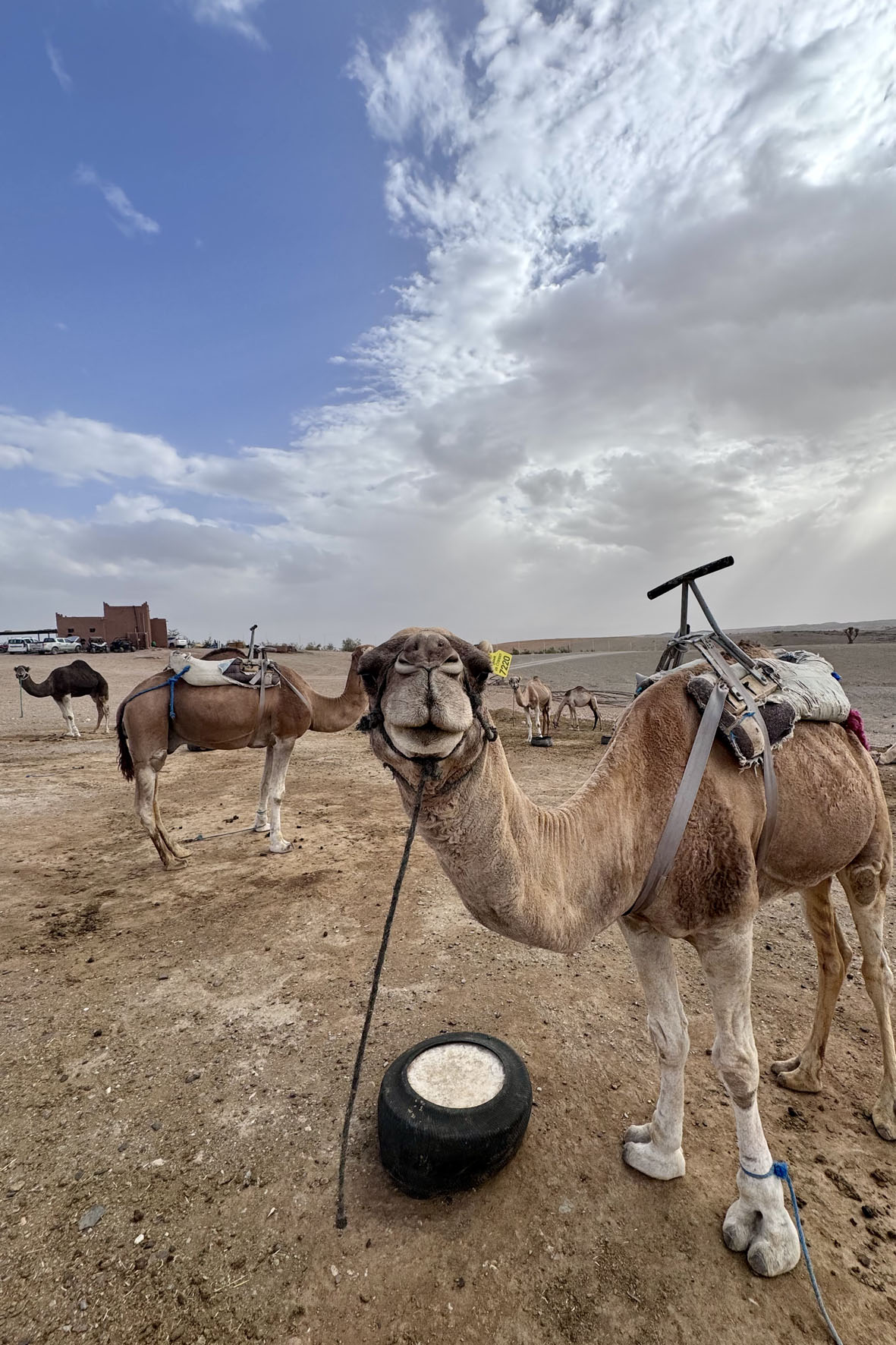

The morning of the final day was devoted to everyone’s passions — quad bikes, dune buggies, camels, and the swimming pool — before the presentation of the watches (described at the beginning) and our return to Marrakech, just in time to avoid being swept away by the sandstorm. Dinner in one of the city’s most eccentric restaurants provided the perfect occasion to toast the Seiko Life Experience: not a business trip, but a family adventure — with plenty of beautiful watches thrown in.
By Davide Passoni