• Patek_Philippe_Nautilus_3800_Watch_Insanity_Pre_Loved_01
  • Patek_Philippe_Nautilus_3800_Watch_Insanity_Pre_Loved_11
  • Patek_Philippe_Nautilus_3800_Watch_Insanity_Pre_Loved_03
  • Patek_Philippe_Nautilus_3800_Watch_Insanity_Pre_Loved_04
  • Patek_Philippe_Nautilus_3800_Watch_Insanity_Pre_Loved_06
  • Patek_Philippe_Nautilus_3800_Watch_Insanity_Pre_Loved_05
  • Patek_Philippe_Nautilus_3800_Watch_Insanity_Pre_Loved_07
  • Patek_Philippe_Nautilus_3800_Watch_Insanity_Pre_Loved_08
  • Patek_Philippe_Nautilus_3800_Watch_Insanity_Pre_Loved_10
  • Patek_Philippe_Nautilus_3800_Watch_Insanity_Pre_Loved_09
  • Patek_Philippe_Nautilus_3800_Watch_Insanity_Pre_Loved_02
  • Patek_Philippe_Nautilus_3800_Watch_Insanity_Pre_Loved_01
  • Patek_Philippe_Nautilus_3800_Watch_Insanity_Pre_Loved_11
  • Patek_Philippe_Nautilus_3800_Watch_Insanity_Pre_Loved_03
  • Patek_Philippe_Nautilus_3800_Watch_Insanity_Pre_Loved_04
  • Patek_Philippe_Nautilus_3800_Watch_Insanity_Pre_Loved_06
  • Patek_Philippe_Nautilus_3800_Watch_Insanity_Pre_Loved_05
  • Patek_Philippe_Nautilus_3800_Watch_Insanity_Pre_Loved_07
  • Patek_Philippe_Nautilus_3800_Watch_Insanity_Pre_Loved_08
  • Patek_Philippe_Nautilus_3800_Watch_Insanity_Pre_Loved_10
  • Patek_Philippe_Nautilus_3800_Watch_Insanity_Pre_Loved_09
  • Patek_Philippe_Nautilus_3800_Watch_Insanity_Pre_Loved_02

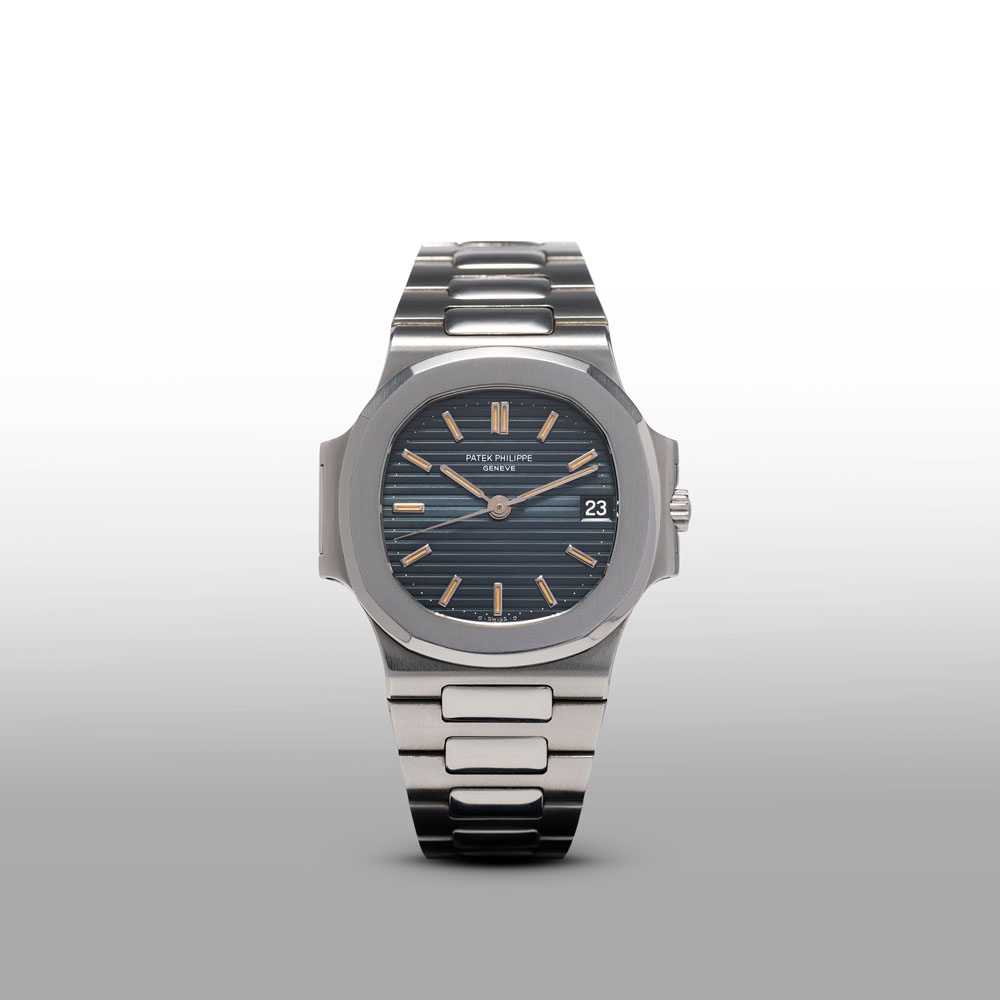
Patek Philippe Nautilus Ref.3800/1 “MK1”

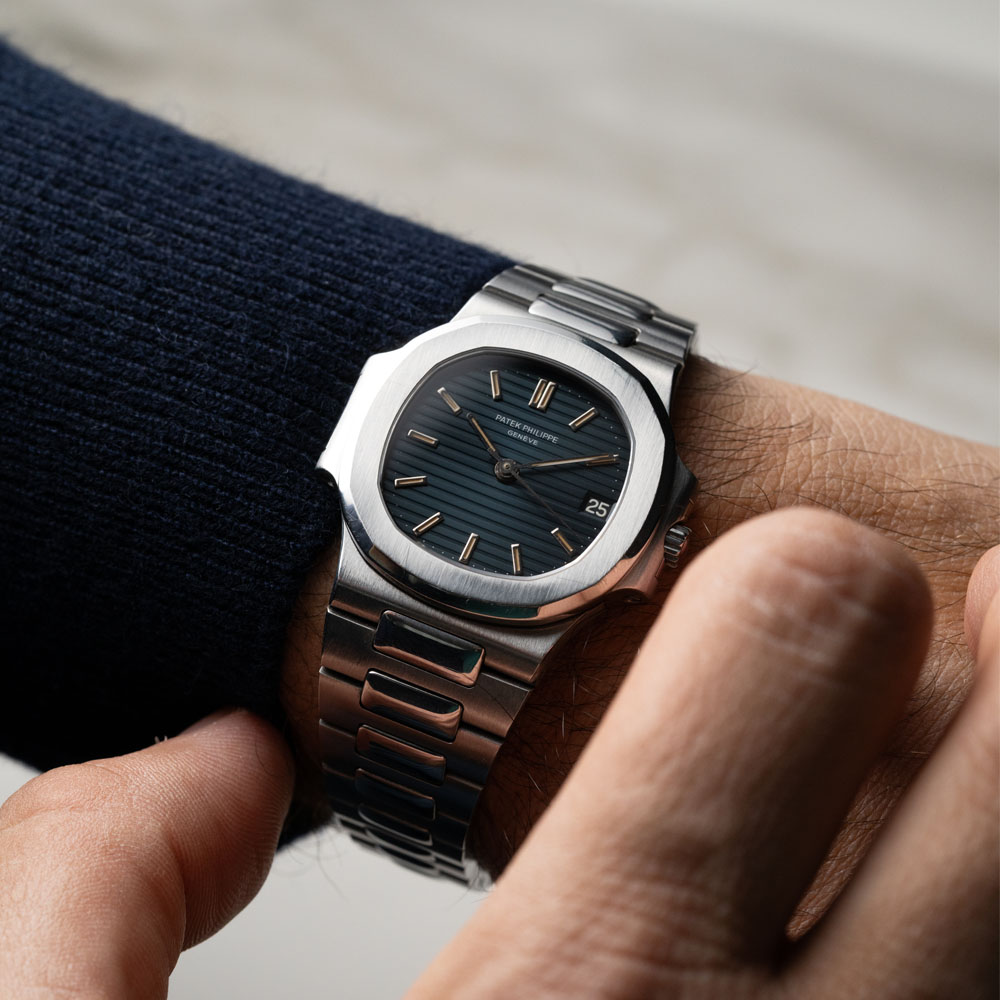
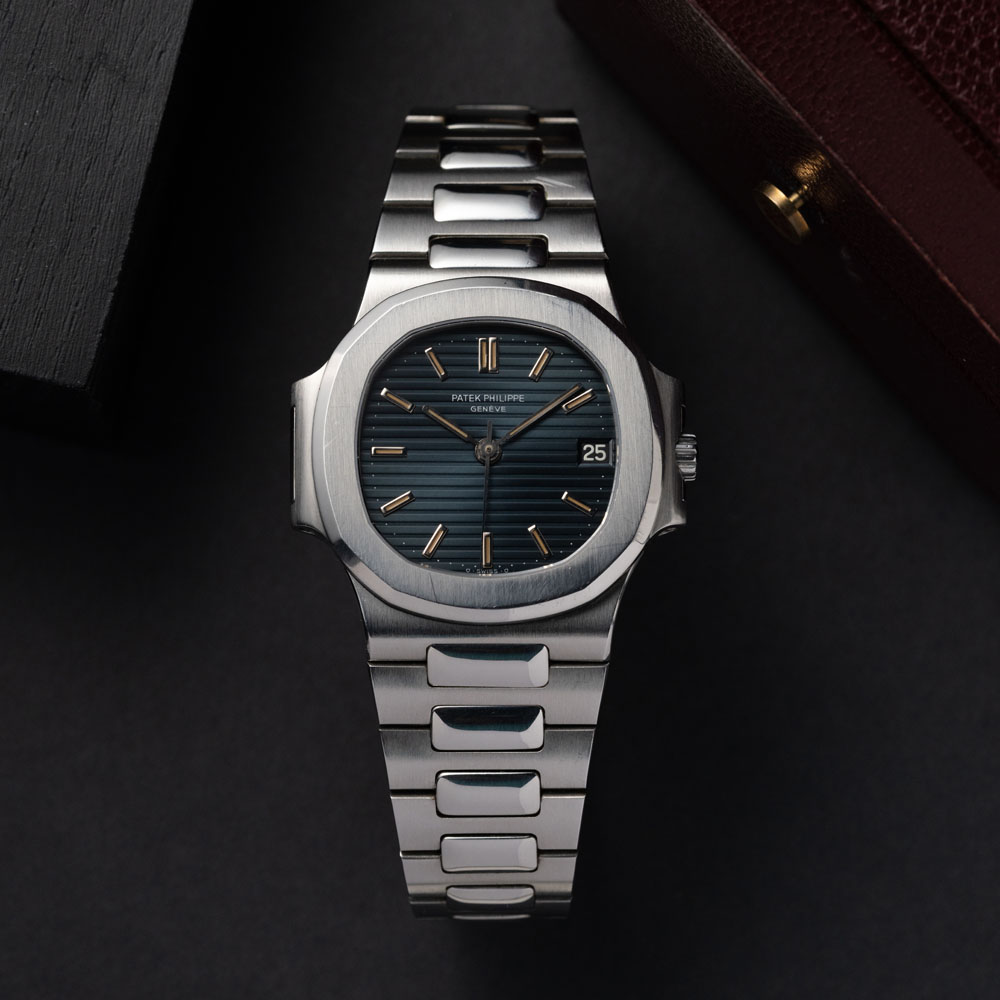
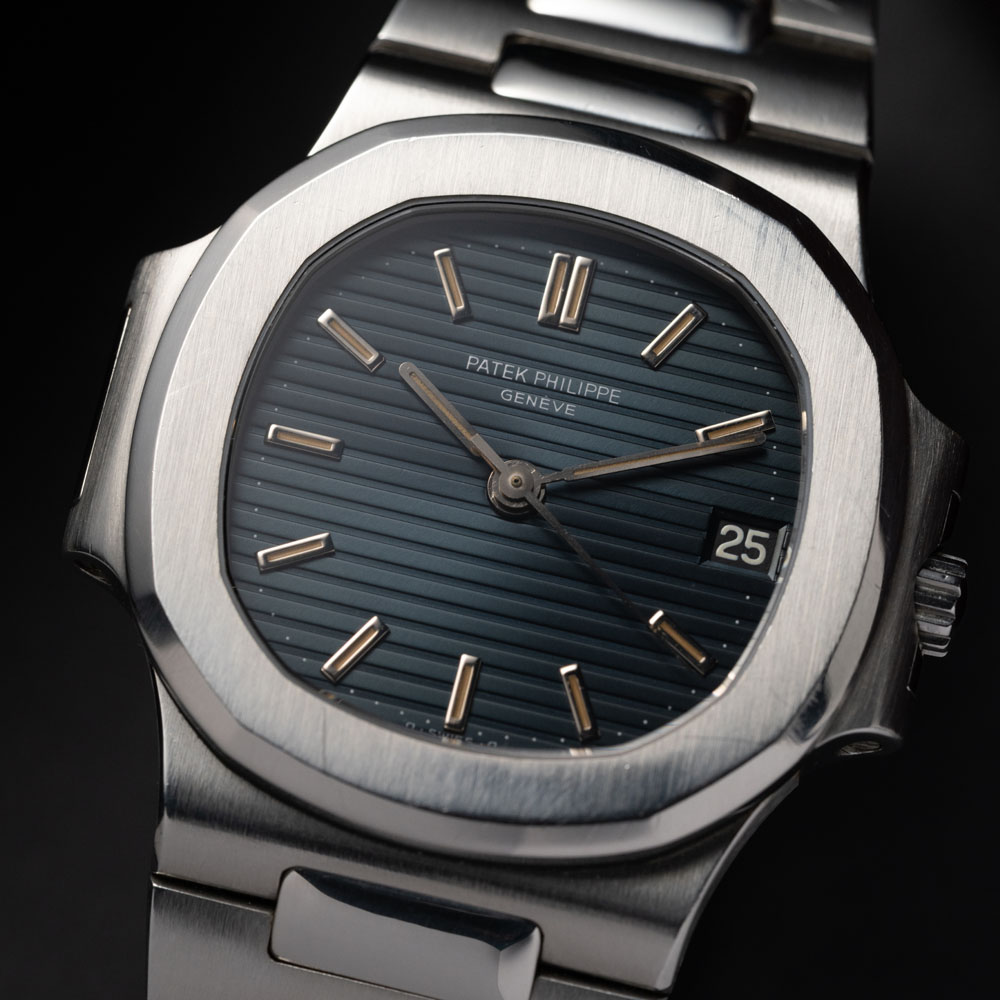
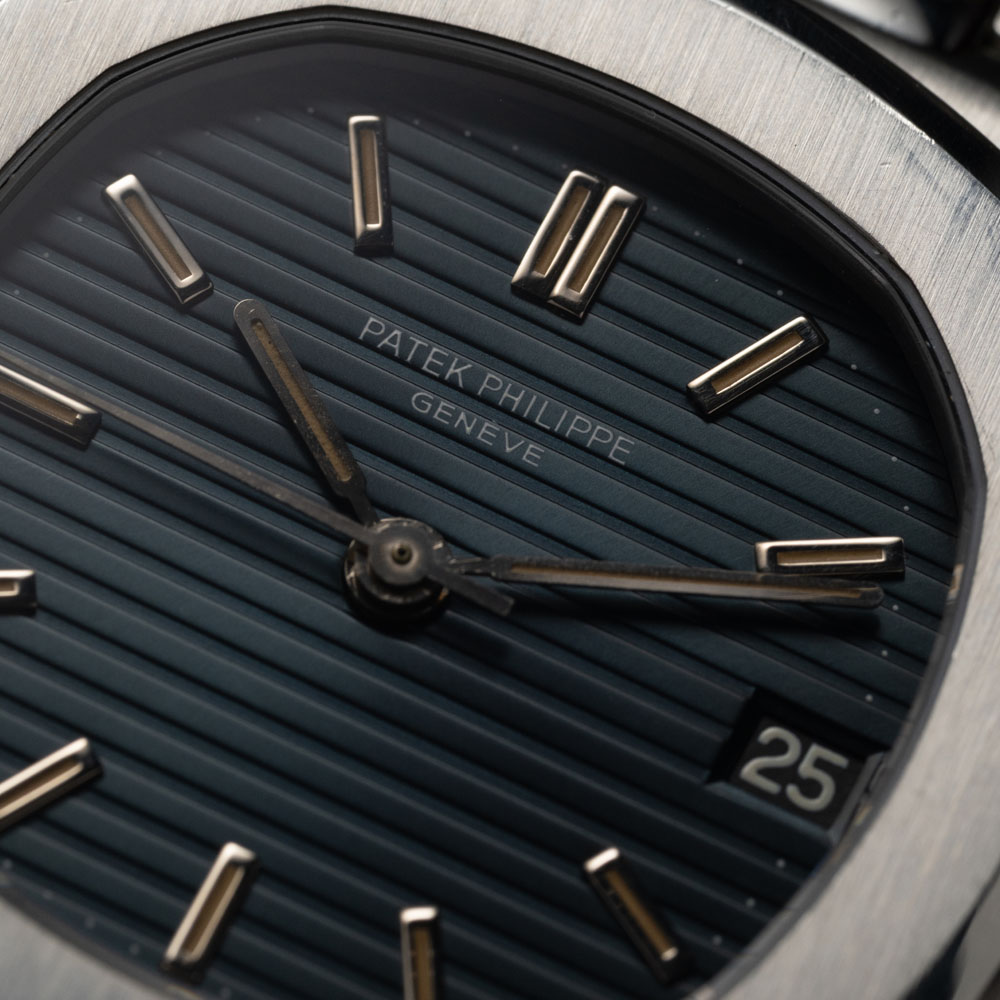
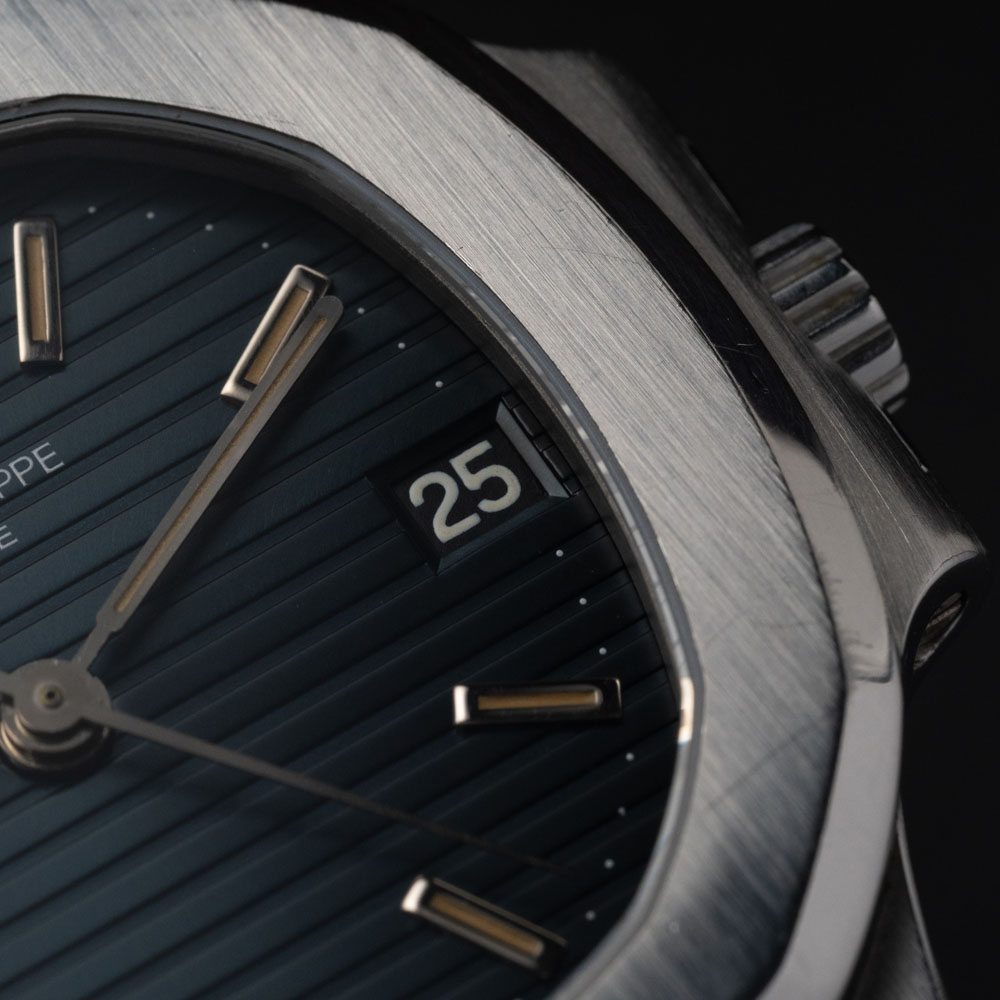
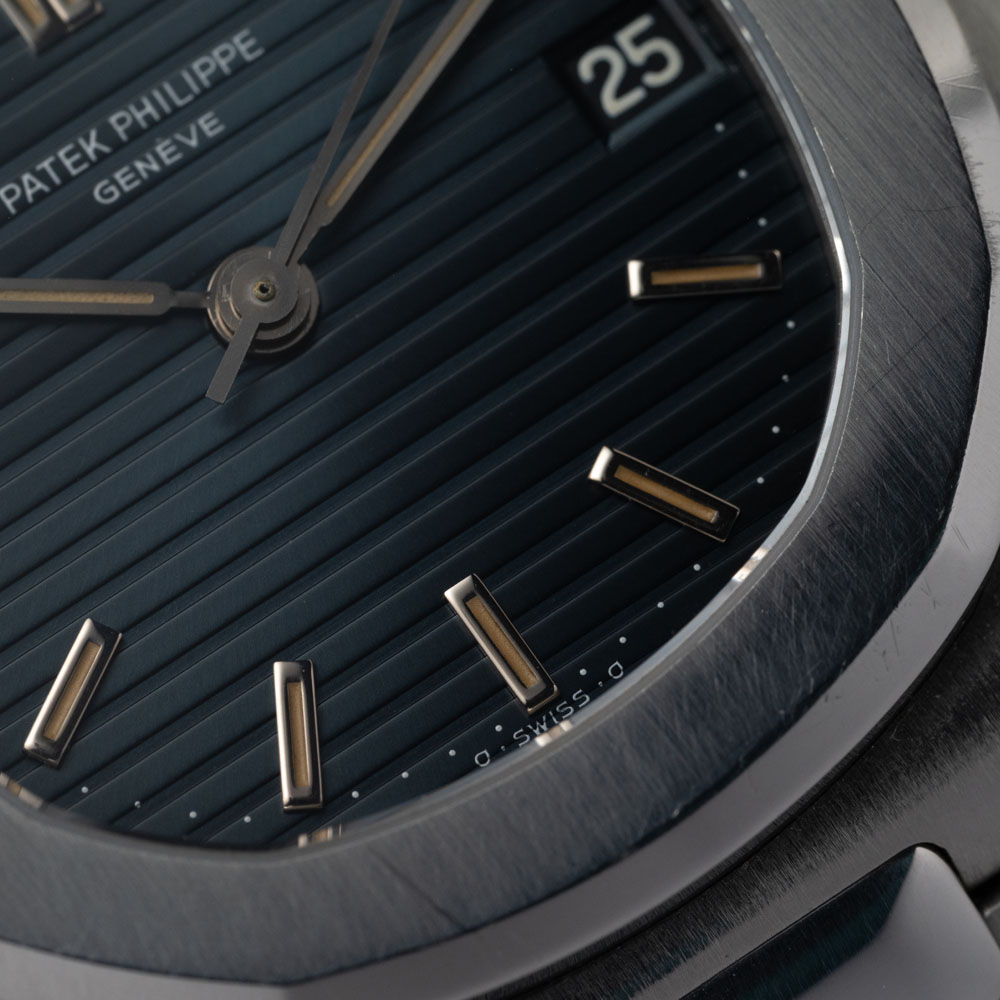
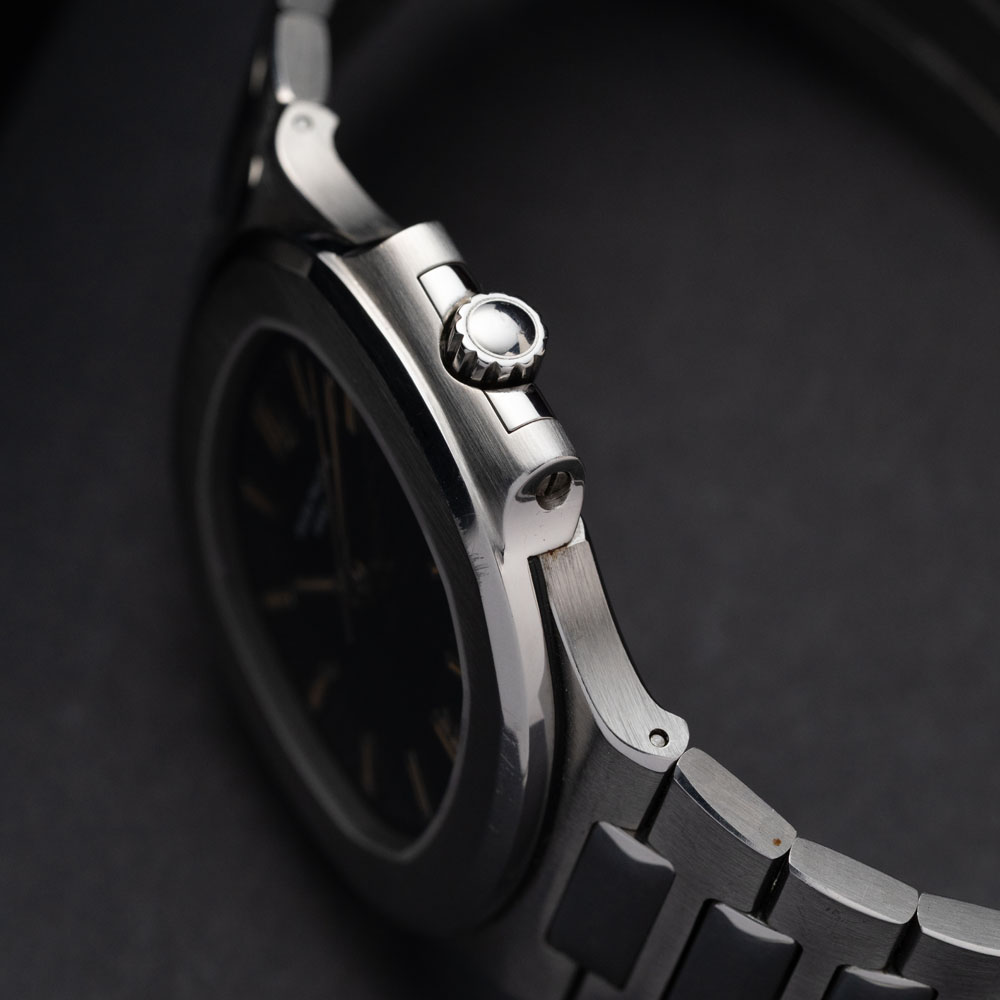
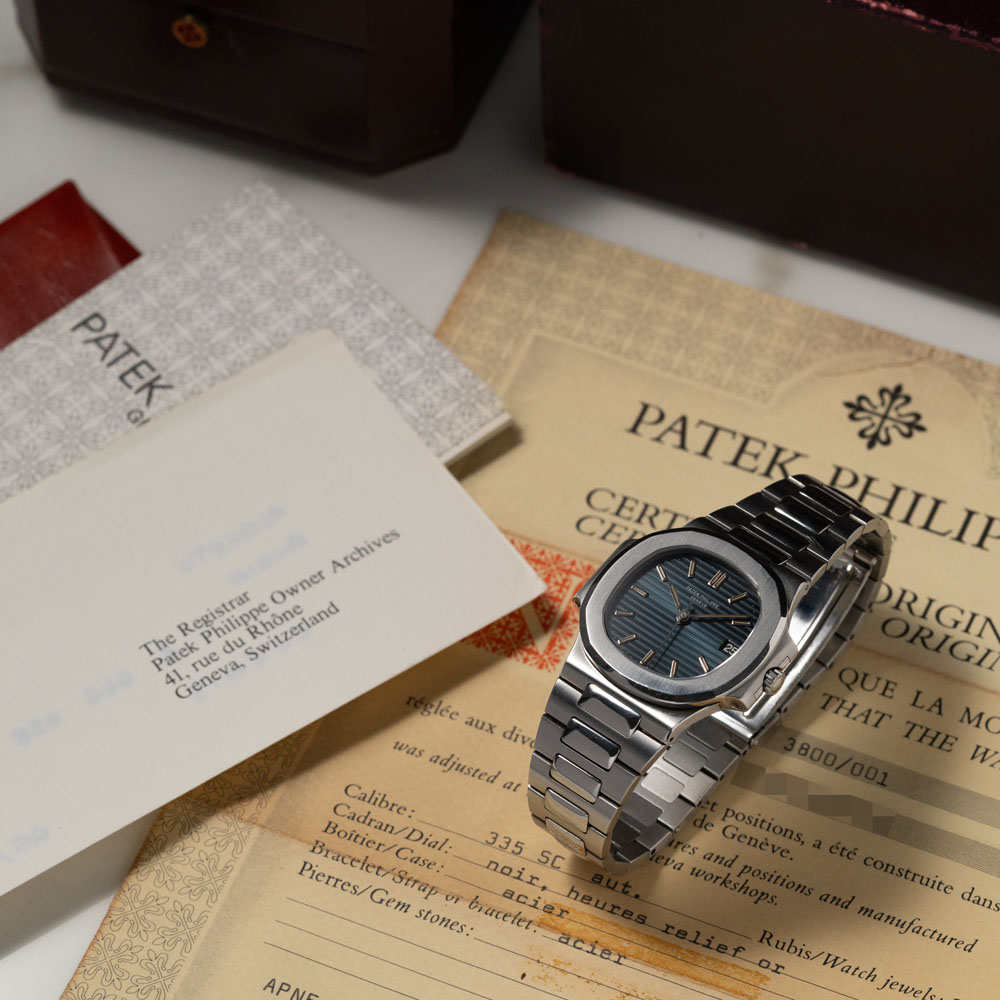
This 1984 Patek Philippe Nautilus Ref. 3800 features a 37.5 mm stainless steel case, a blue dial, and a black date disc. Its most distinctive element lies in the dial, one of the so-called “Sigma Dials,” marked by the Greek letter σ flanking the word SWISS at 6 o’clock. The presence of the sigma symbol indicates the use of gold on the dial, specifically in the applied hour markers. This convention was established by the Association pour la Promotion Industrielle de l’Or, a group of Swiss watchmakers who introduced the symbol to emphasize the use of precious materials and the perceived value of a timepiece. This Nautilus is powered by the automatic caliber 335 SC, beating at 28,800 vibrations per hour, and is offered as a full set.

SPECIFICATIONS

Band: Patek Philippe

Model: Nautilus 3800/1 "MK1"

Year: 1984

Case: 37,5mm

Material: Steel

Dial: Blue

Functions: Hours, Minutes and Date

Movement: Cal. 335 SC, Automatic

Bracelet/Strap: Integrated steel bracelet

Accessories: Box and Papers Original

Warranty: 24 Months

Description

There are many reasons why the Patek Philippe Nautilus has achieved legendary status. Beyond the prestige of the brand and the iconic design signed by Gérald Genta, what truly sets this watch apart is the remarkable variety of versions produced over the years—often distinguished by the smallest of details.

A few years after launching the Nautilus Ref. 3700, Patek Philippe introduced the mid-size model, Ref. 3800, in an effort to boost sales that were slow to take off. With its diameter reduced to 37.5 mm from the original 42 mm, the watch was designed to bring the Nautilus aesthetic to a broader audience. Its more versatile size, combined with a wider range of configurations, made it an appealing alternative from the start. The piece featured here is a Ref. 3800 from 1984, crafted in stainless steel with a blue dial and black date disc. Its most intriguing feature lies in the dial, one of the so-called “Sigma Dials,” identified by the Greek letter σ flanking the word SWISS at 6 o’clock. There are three known variations of this signature: “σ · SWISS · σ”, “σ SWISS σ”, and simply “SWISS.” The presence of the sigma symbol indicates the use of gold elements on the dial, such as the applied hour markers. This convention was established by the Association pour la Promotion Industrielle de l’Or, a group of Swiss watchmakers who introduced the symbol to highlight the use of precious materials and enhance the perceived value of a watch.

This Nautilus Ref. 3800 is powered by the automatic caliber 335 SC, beating at 28,800 vibrations per hour. This early version lacks both the Geneva Seal and the Gyromax balance spring. It is believed that this first iteration of the movement was used until 1987, when an updated version with a quick-set date was introduced. Five years later, in 1992, the movement was fully replaced by the 330 SC. The example presented here comes as a full set.