

The history of OMEGA unfolds between land, sky and sea. Legendary watches such as the Speedmaster have passed from the wrists of racing drivers to those of NASA astronauts, while the timepieces in the Seamaster collection, in its various lines, have accompanied explorers into the depths of the oceans for decades. This is where the Planet Ocean, launched in 2005 and now offered by OMEGA in an updated version, has been at home for twenty years. In its own way, it is a masterpiece of design, because the new Planet Ocean changes everything even if, at first glance, it seems to change little or nothing. But the work done inside and outside the case has been truly significant.
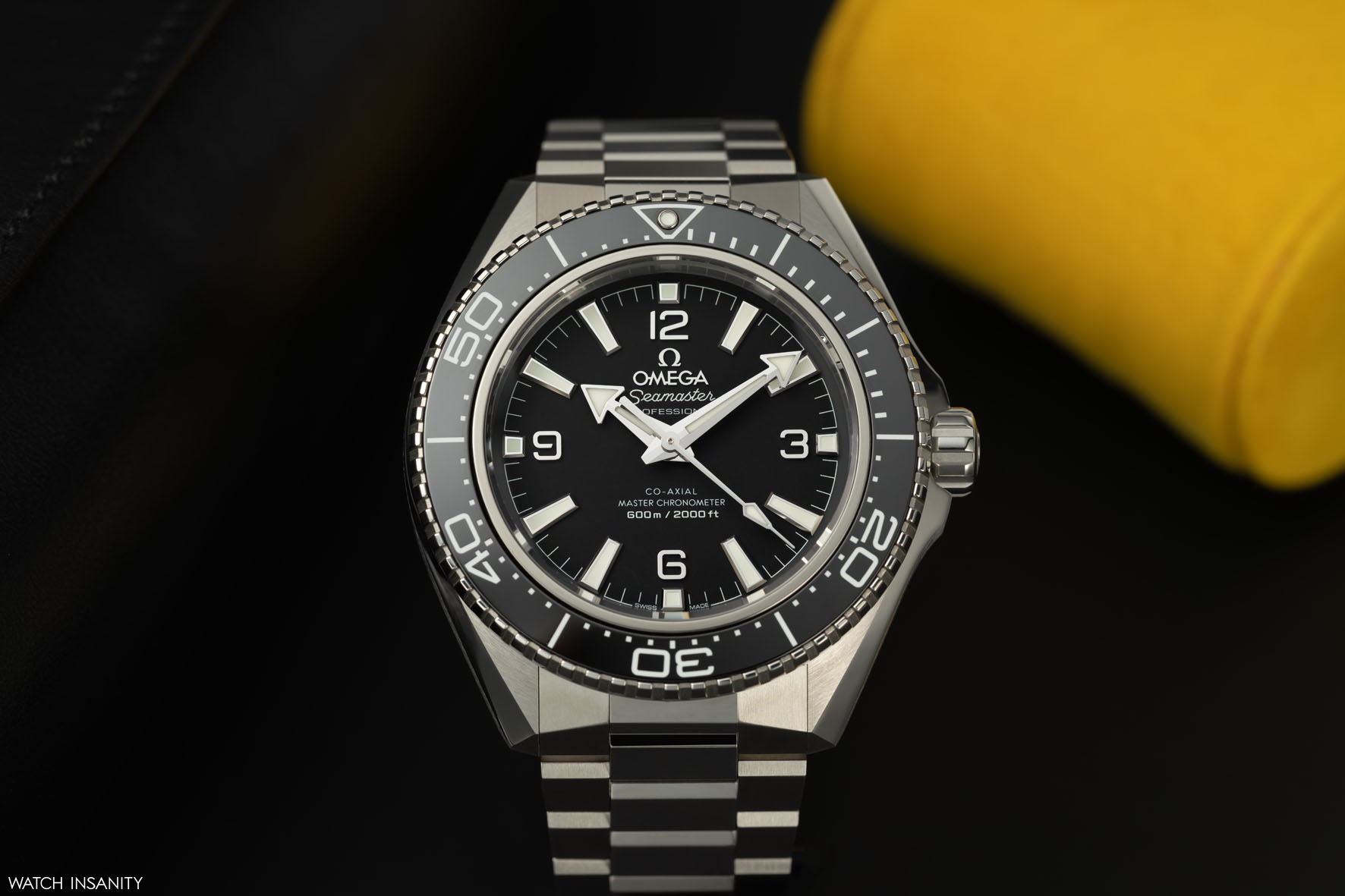
THE DIAL OF THE NEW SEAMASTER PLANET OCEAN
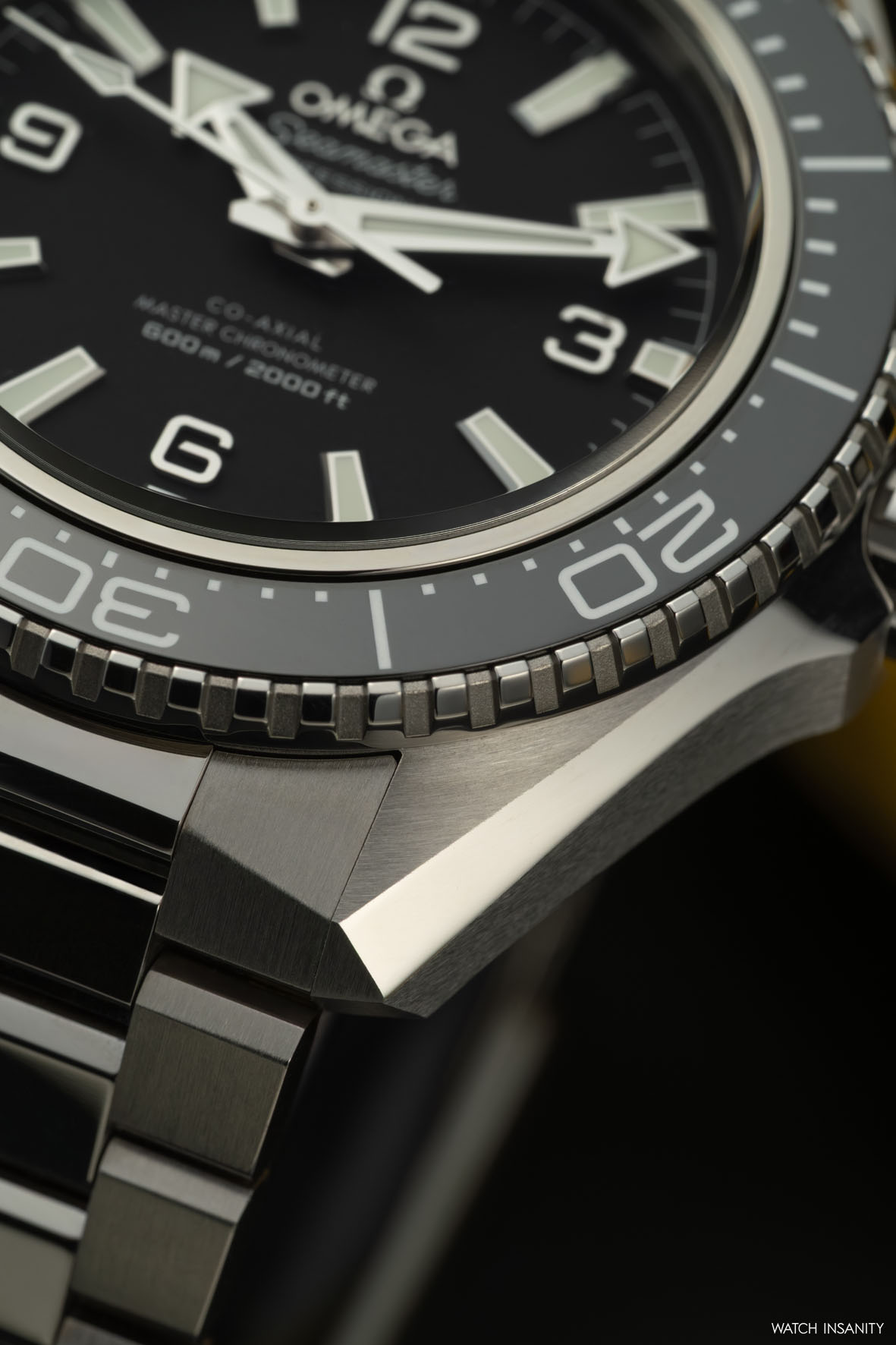
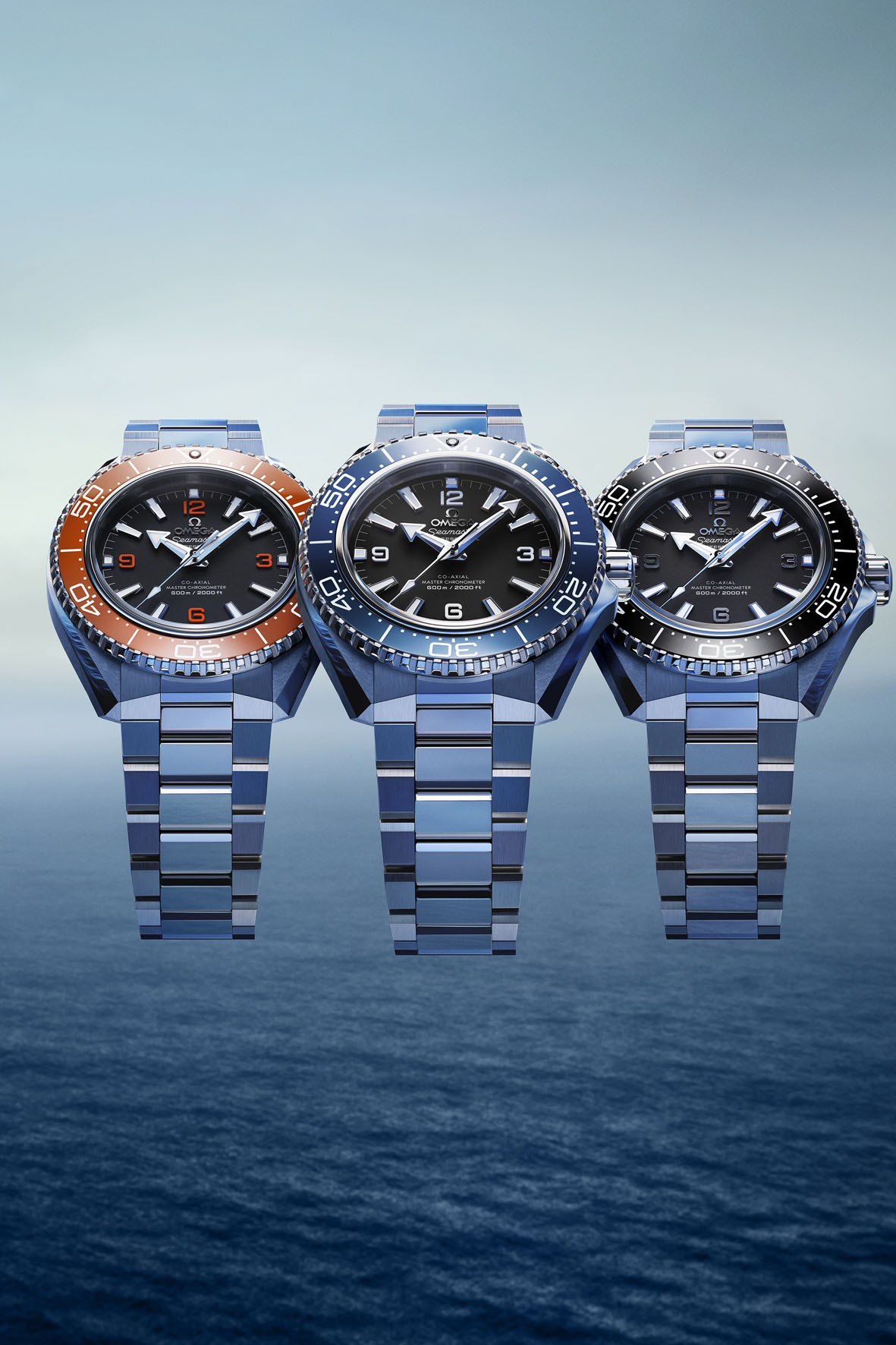
Before mentioning the history of the Seamaster Planet Ocean, it is best to get straight to the heart of the new references, because this fourth generation of the OMEGA collection deserves to be talked about as soon as possible. Let’s start with the aesthetics and approach it from two points of view: the aesthetics of the dial and that of the case. The dial is very similar to the current Ultra Deep version, although for the new Planet Ocean models, the Manufacture has chosen a single colour, matte black, which is notable for the absence of a date window. The applied hour markers are large and generously filled with Super-LumiNova, as befits a professional diver’s watch.
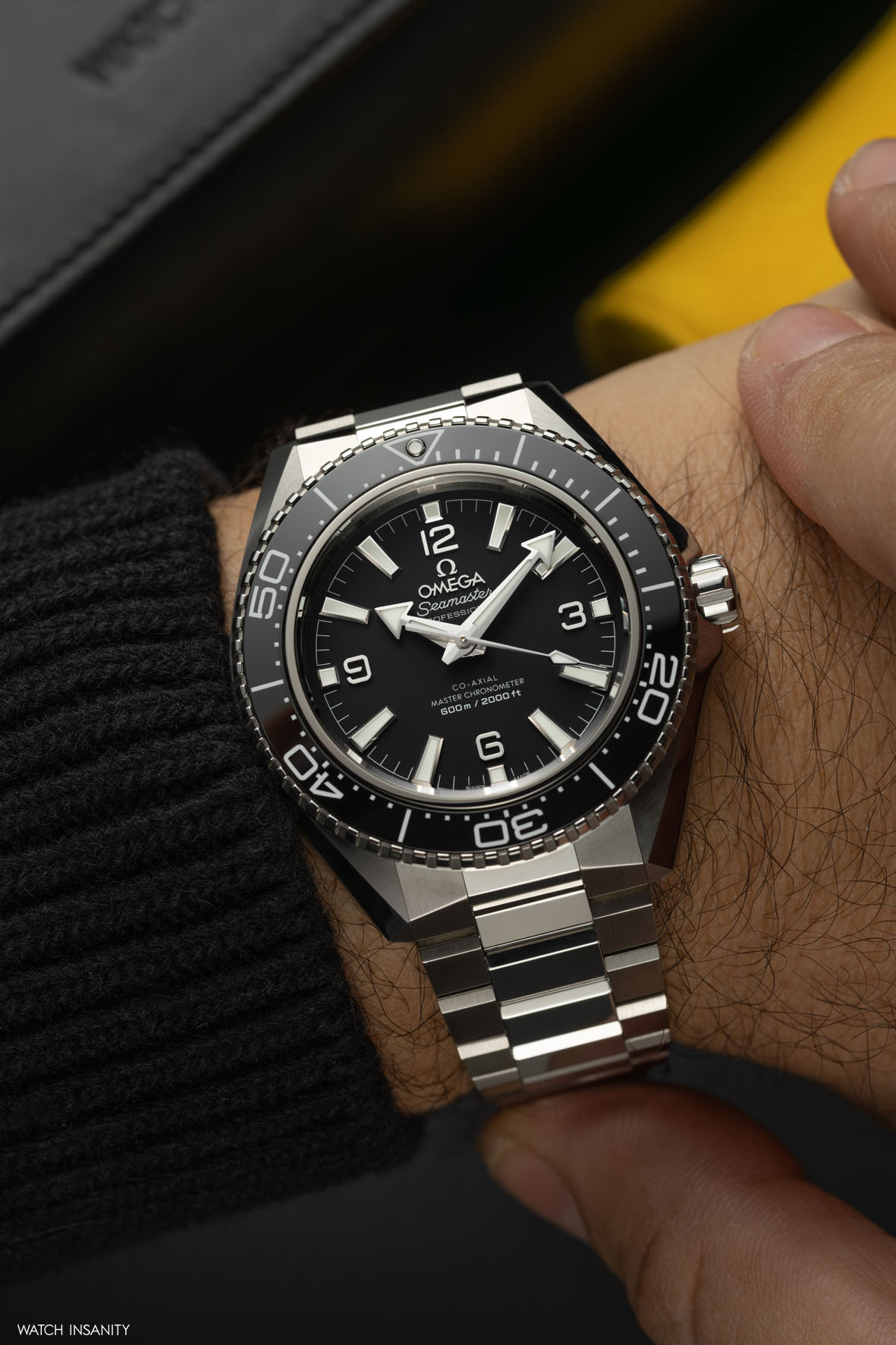
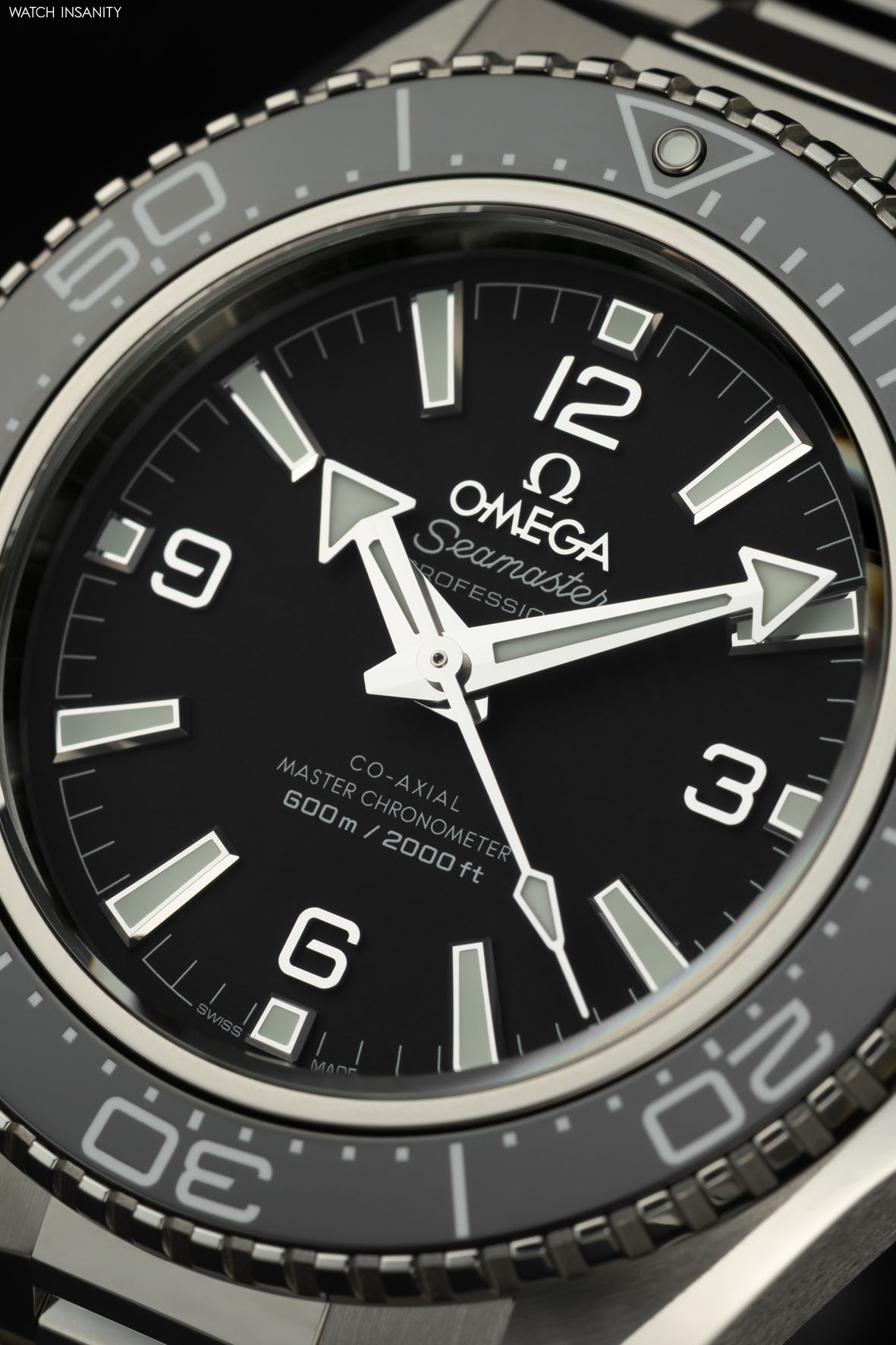
The luminescent material is also present on the hands, which feature the distinctive arrow design of the Planet Ocean line as we have come to know it over the years. The real work done by OMEGA has been on the Arabic numerals at 3, 6, 9 and 12, which closely resemble those of the Ultra Deep and the original Planet Ocean but, upon closer inspection, reveal a new aesthetic. They are applied to give depth to the dial, but are thinner, perforated and have a cleaner, more squared shape.
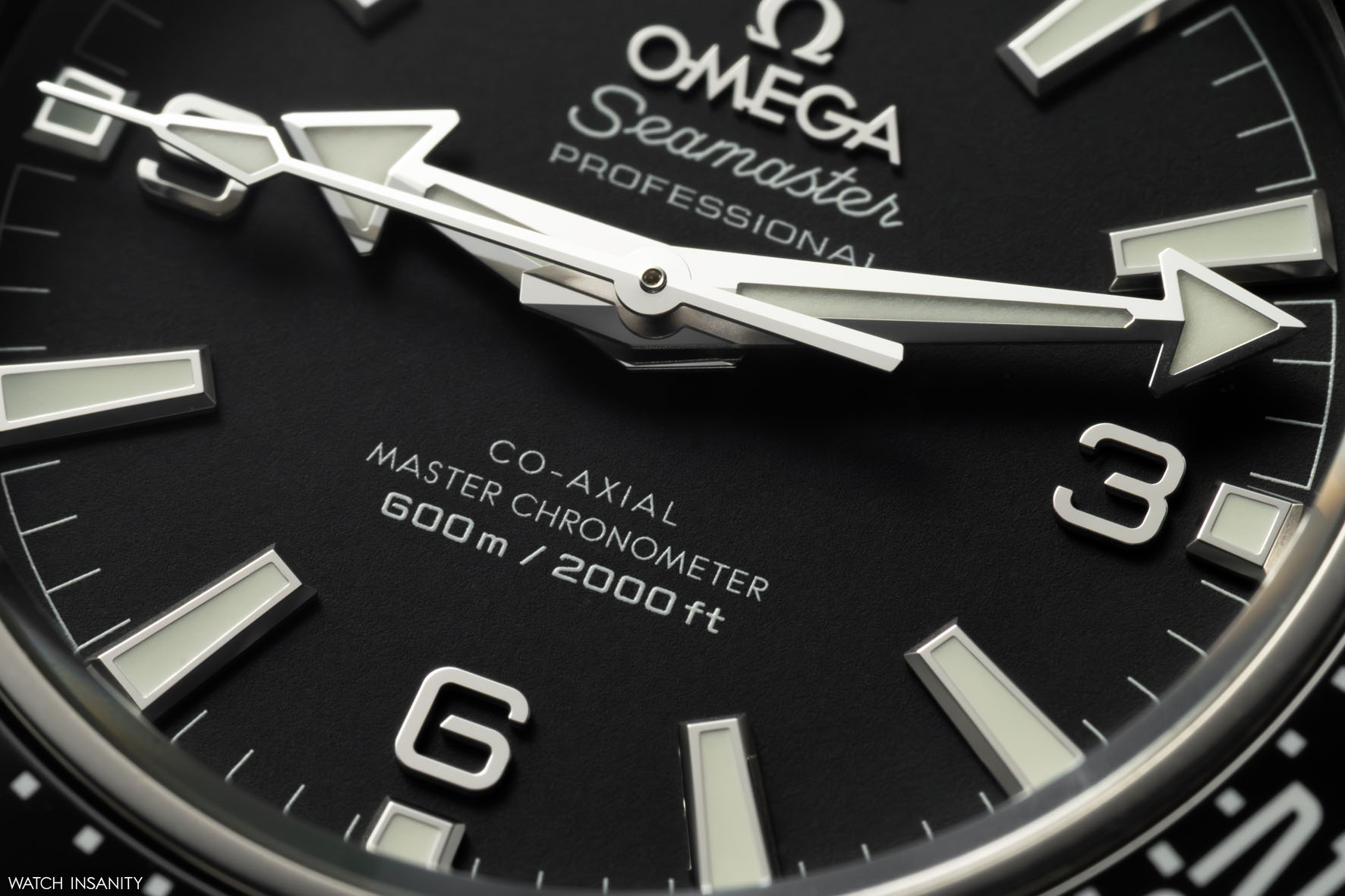
This design choice responds to the desire to maintain a balance between elegance and performance and is also part of the overall aesthetic and functional redesign of the collection. This project immediately brings us to another important evolution of this fourth generation of Planet Ocean: the work done on the steel case and bracelet, where the evolution of the line can best be appreciated.
THE CASE, THE BRACELET AND THE MANY NEW FEATURES
This is probably where OMEGA has made the most decisive leap in rethinking the collection. First, it has standardised the size of all watches (there are seven new models) at 42 mm. Previously, the Seamaster Planet Ocean came in three case sizes: 45.5 mm for the Ultra Deep, 43.5 mm and 39.5 mm. This rationalisation is also a nod to the size of the original Planet Ocean. OMEGA then worked on the thickness, which was quite significant in this line of professional divers and reached 16.1 mm in the previous generation of watches. Here, thanks to the flat sapphire crystal and an organic improvement to the case and bezel, the redesign of the watches has reduced the overall thickness to just 13.79 mm.
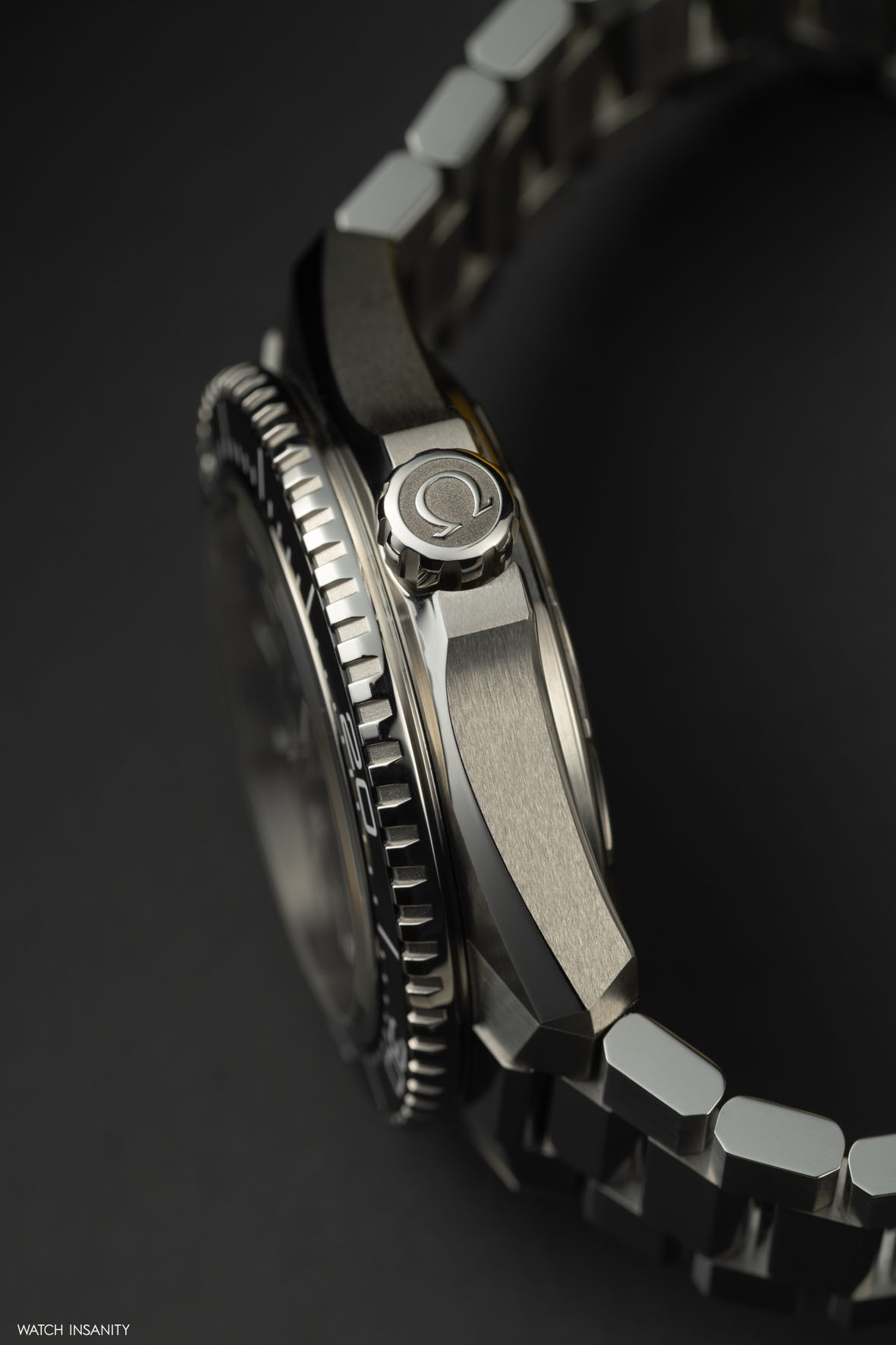
The fourth generation of the Planet Ocean therefore features a new case structure. It consists of two parts, the main body and an inner titanium ring, for which OMEGA drew on its experience in designing the Planet Ocean Ultra Deep in 2019. As this is an advanced professional model, improved knowledge of the technology behind diving watches led to the inclusion of a titanium inner ring in the case body, whose function was to provide the material strength necessary to seal the watch during deep dives.
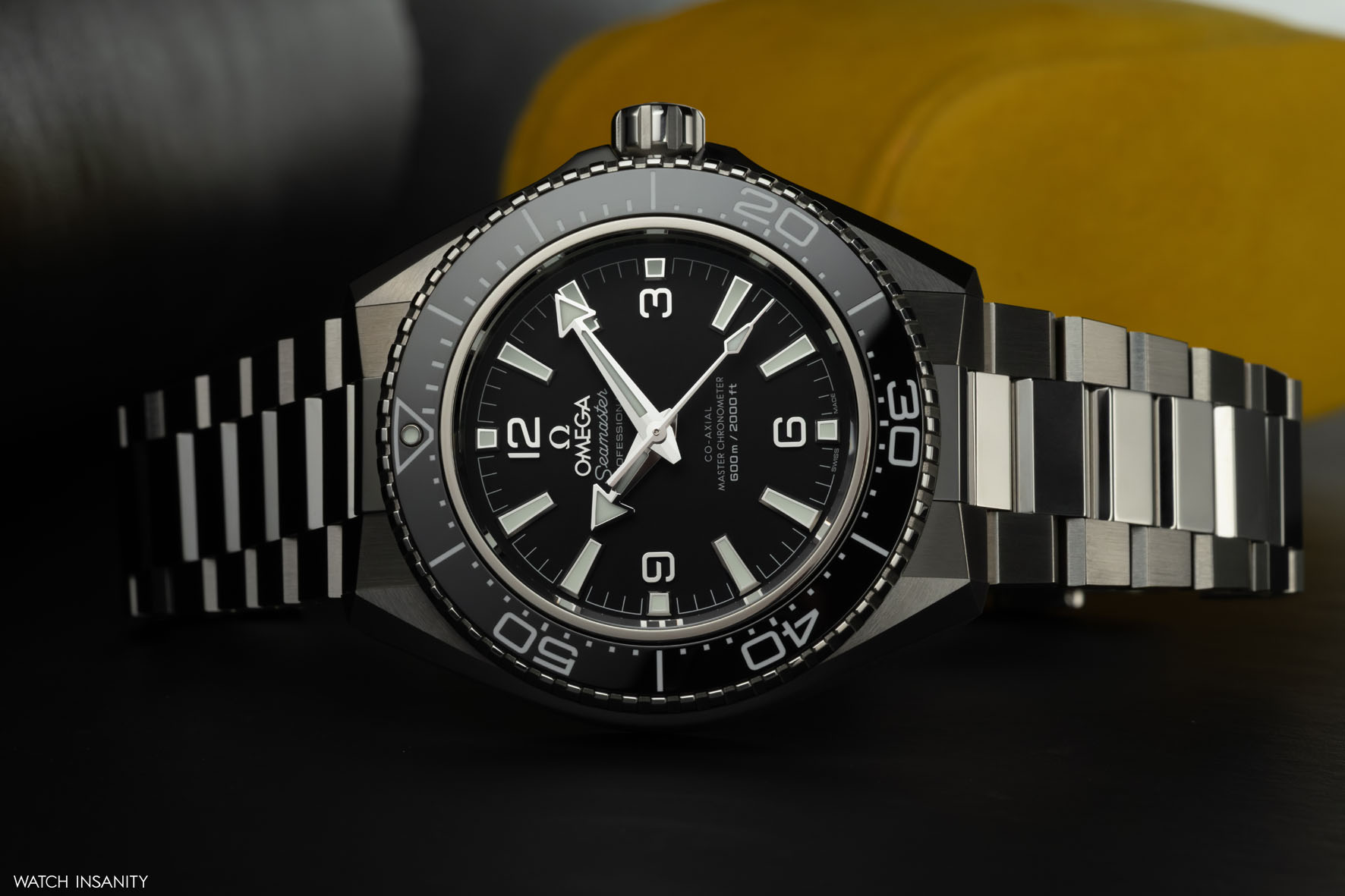
Thanks to this ring, OMEGA has achieved not only a functional goal but also an aesthetic one. The manufacturer wanted to maintain the style that characterised the first Planet Ocean in 2005 – as well as the Seamaster 300s of the 1960s – which had an inner ring that was an integral part of the case. Thanks to the technical design of the new collection, OMEGA has retained the original look and preserved the functionality necessary for water resistance up to 60 bar. The sapphire crystal caseback has been replaced by a solid caseback.
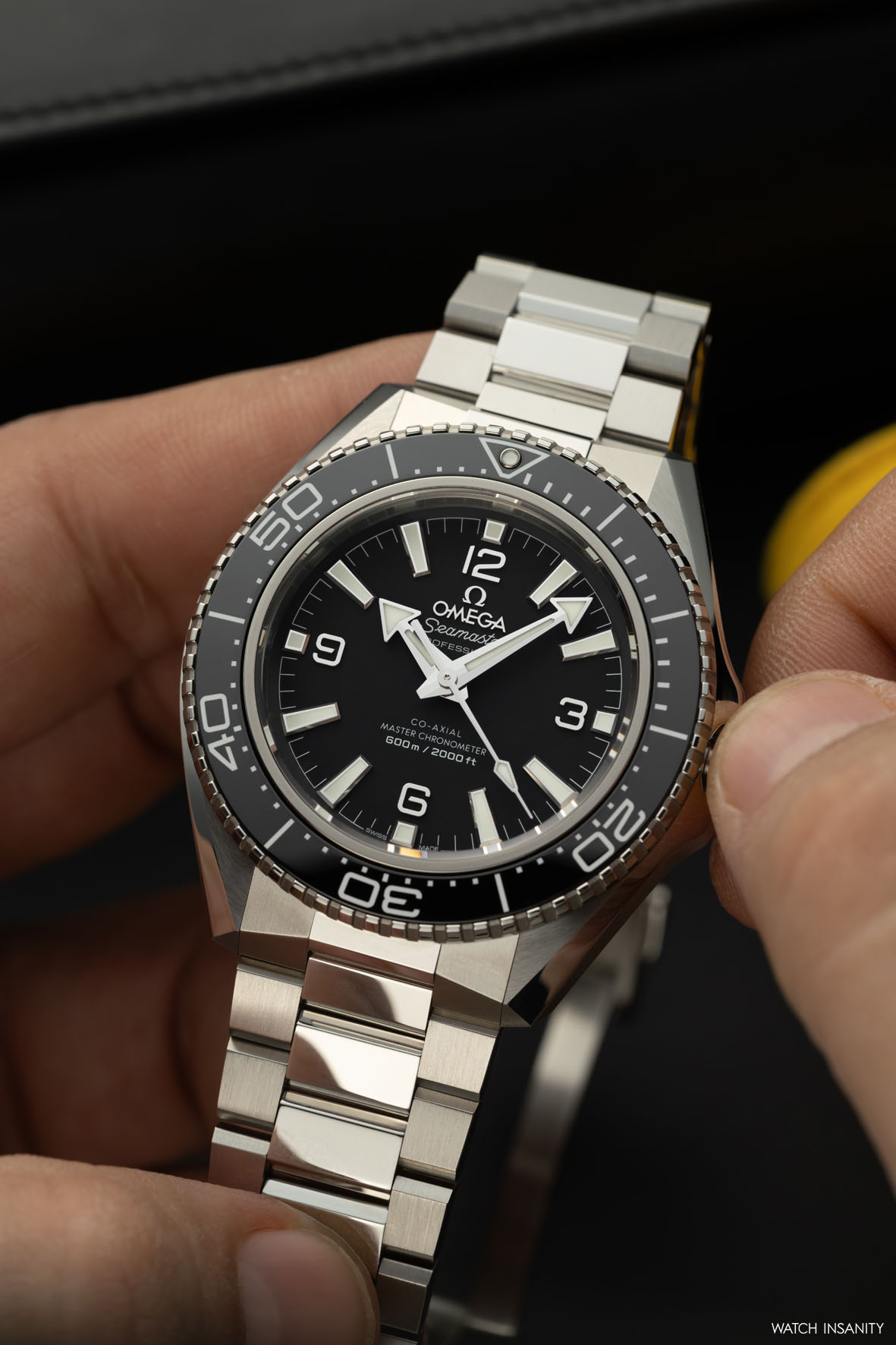
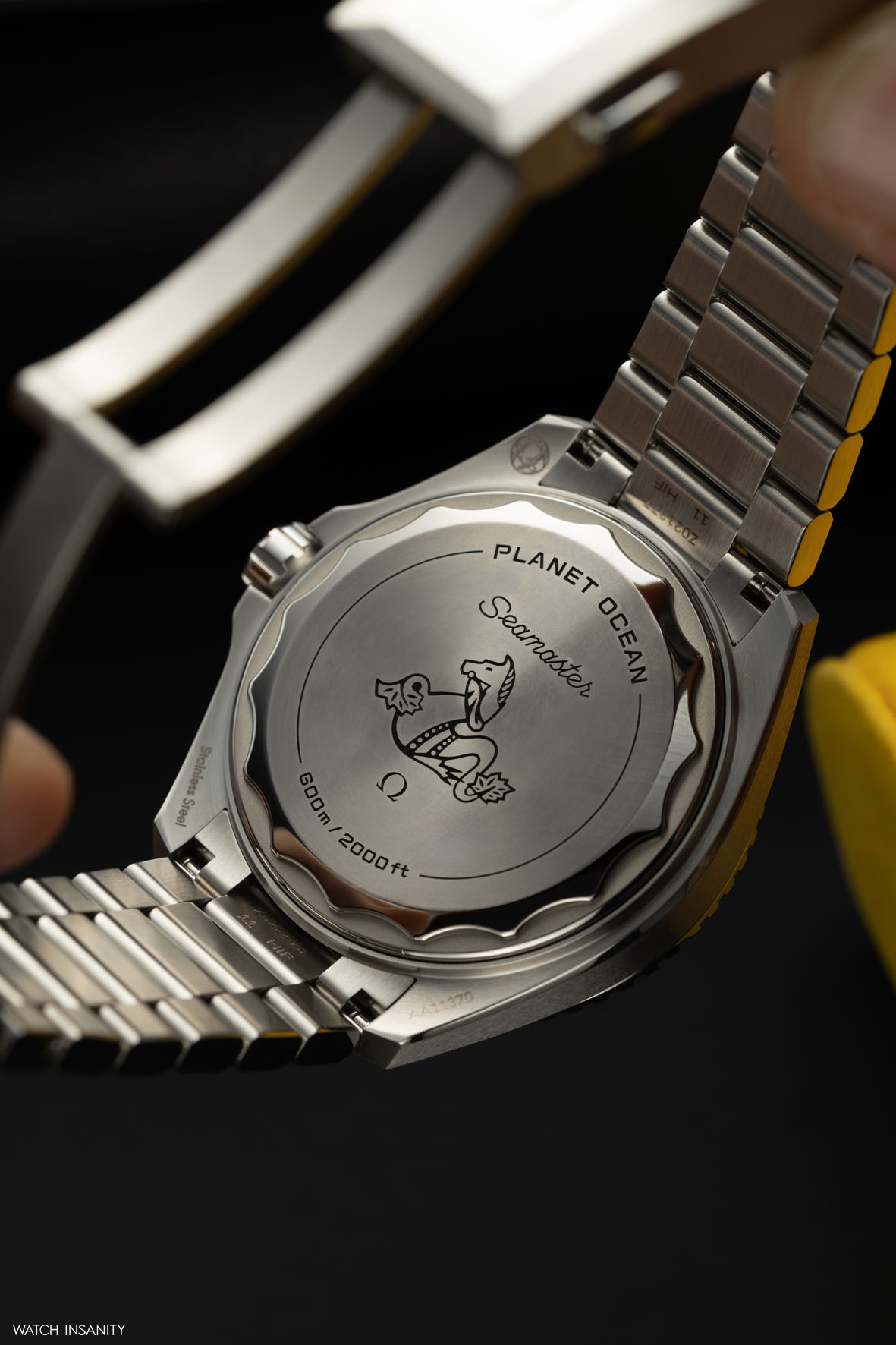
Compared to past collections, the new case also stands out for two further updates. First, the soft, enveloping design of previous cases, especially in the lugs, has now given way to clean lines with defined, squared angles, which have allowed the Manufacture’s designers to work on the case finishes, alternating satin and polished surfaces that further emphasise the edges and planes. Secondly, thanks to the construction of the helium-resistant case, the gas escape valve has been removed, as in the Ultra Deep: positioned at 10 o’clock, it had been a distinctive feature of the Planet Ocean since its inception.
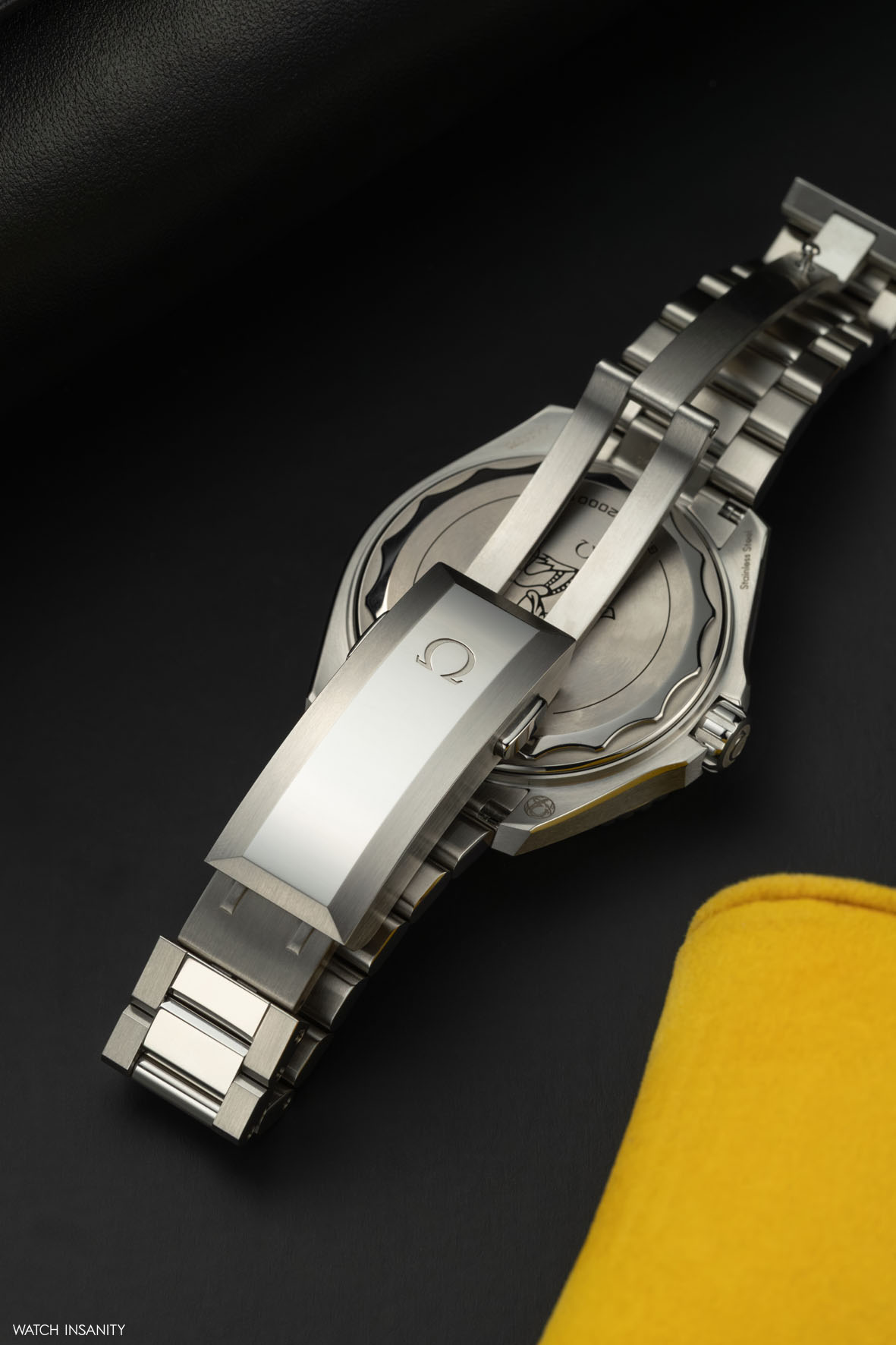
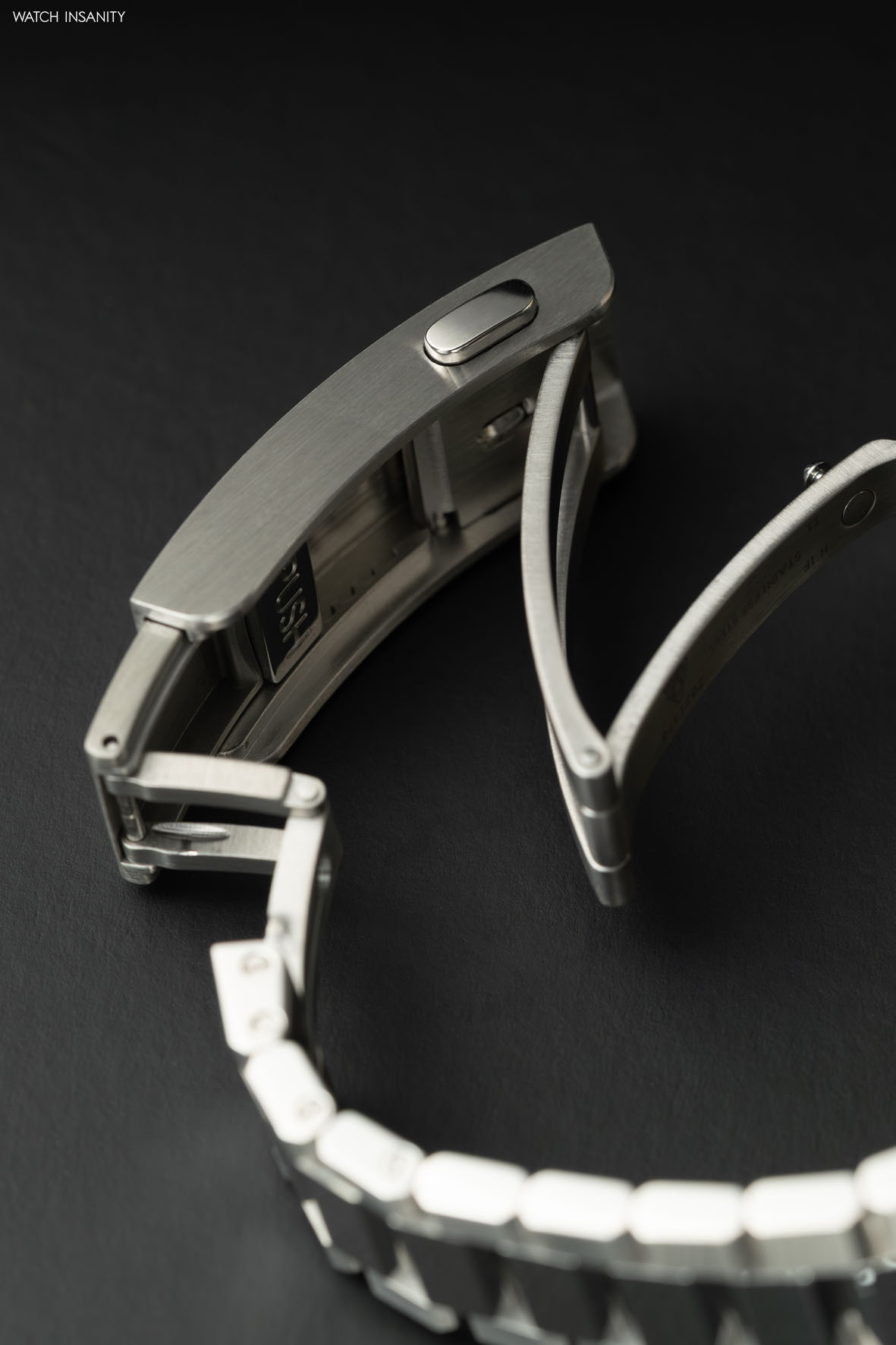
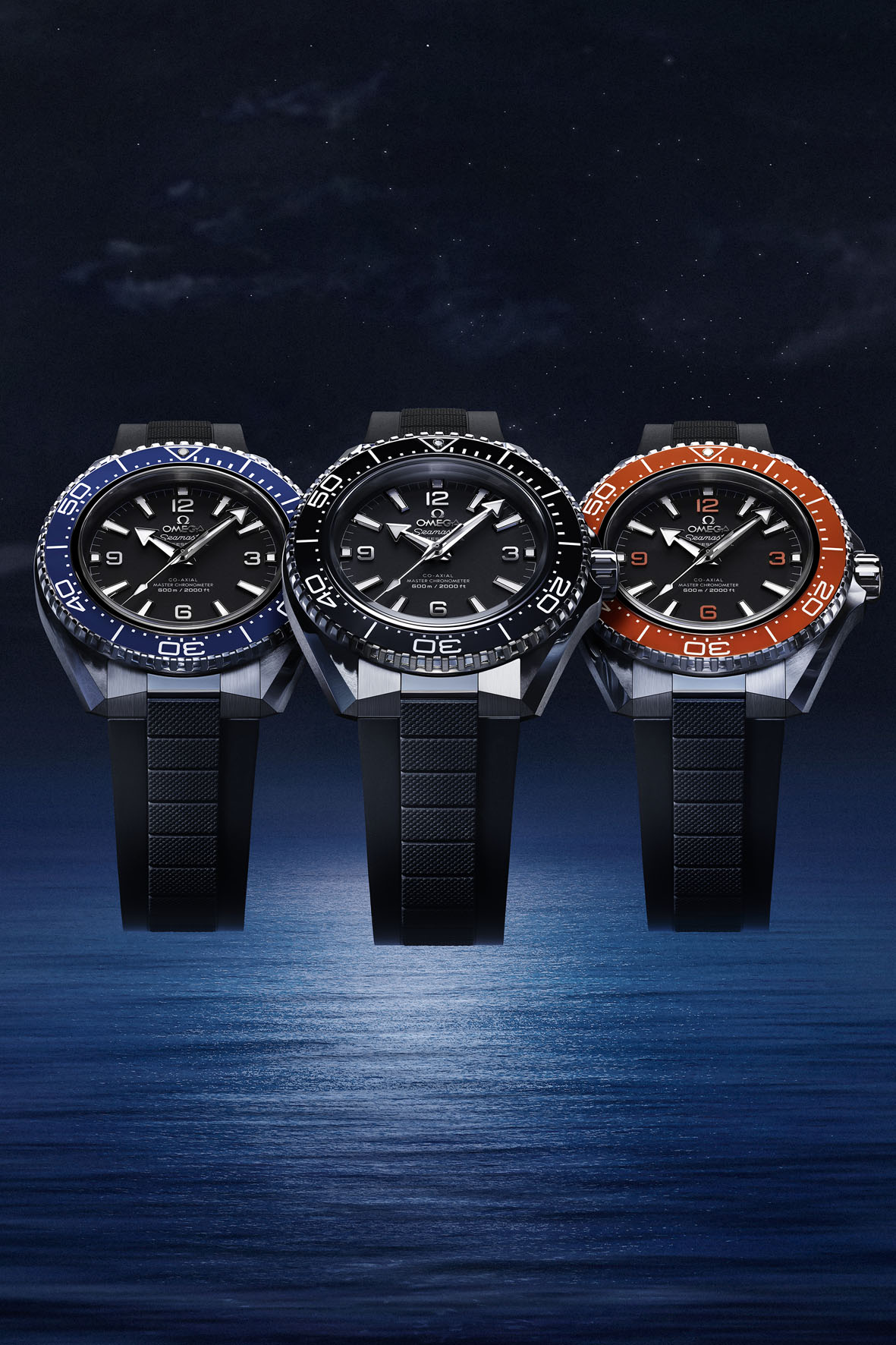
As is often the case when redesigning a case, the work also has a significant impact on the bracelet. The bracelet on the new Planet Ocean is, in all respects, both visually and functionally, a very harmonious integrated bracelet in relation to the case and lugs. OMEGA’s designers have replicated the alternation of polished finishes (on the central links) and satin finishes (on the two outer links) that we saw on the case. The case, being thinner than its predecessors, has also led to a thinning of the bracelets, which are now adjustable in six positions and equipped with an extension to wear the watch over a wetsuit. The collection also includes black or orange rubber straps with folding buckles.
SEAMASTER PLANET OCEAN: THE IMPORTANCE OF ORANGE
Speaking of orange, those familiar with the history of the Planet Ocean know how characteristic this colour has been for the collection since its inception. Well, in the new fourth-generation watches, OMEGA has ensured that it is still very much present, not least because it has won the hearts of enthusiasts. So, of the seven Planet Ocean watches just launched, three have an orange ceramic bezel, the creation of which was a particular technical challenge for the manufacturer from the outset.
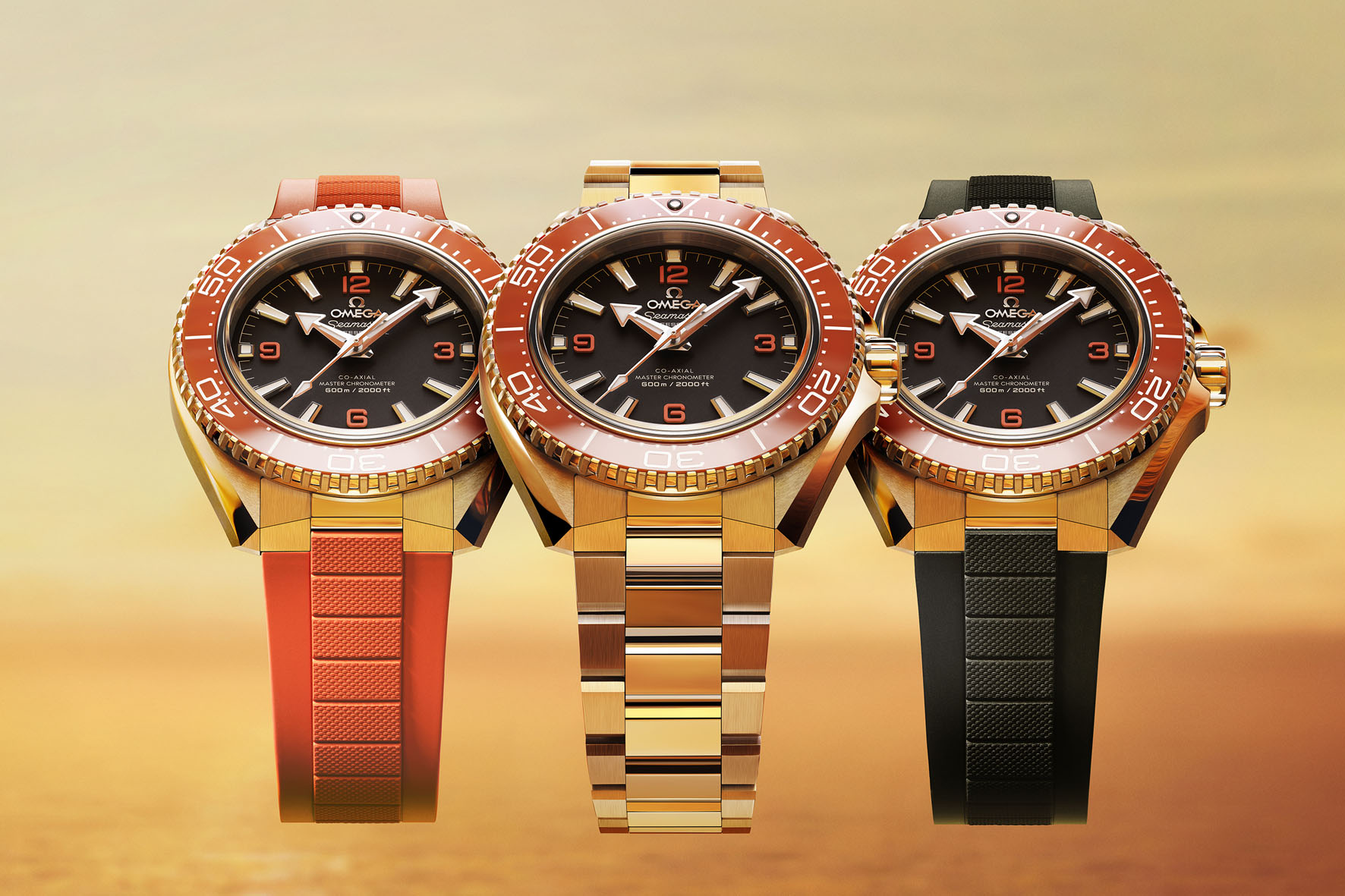
Until 2014, all the orange bezels on the Planet Ocean watches were made of aluminium, because achieving the perfect colour in ceramic has always been very complex. This is due to the chemical properties of the material and the processes involved, which make it difficult to achieve a colour that is both beautiful and durable. OMEGA succeeded in 2014 with the platinum Planet Ocean GMT, featuring an orange ceramic bezel. For this collection, the manufacturer has perfected its expertise in hybrid ceramics and achieved a new vivid orange hue for the bezel, with a white diving scale. The colour also appears on the dial, with matte orange painted Arabic numerals.
Of the other models, two are blue – with matte white painted Arabic numerals and a blue ceramic bezel with a white enamel diving scale – and two are black – with rhodium-plated Arabic numerals and a black ceramic bezel with a white enamel diving scale. Prices range from €. 7,500 for the versions with a strap to €. 8,500 for those with a steel bracelet.
The mechanical heart of the new Planet Ocean line is well known to enthusiasts. It is the automatic calibre OMEGA Co-Axial Master Chronometer 8912, with features such as anti-magnetic resistance up to 15,000 gauss, a 60-hour power reserve, Co-Axial escapement, free-sprung silicon balance and two barrels mounted in series. It is a Master Chronometer certified and approved by METAS, which exceeds the standards set by COSC and guarantees an accuracy of 0 to +5 seconds per day. The 8912 is essentially a version of the 8900 calibre without a date display. It is currently found in numerous references in the Seamaster collection, in almost all lines: from the Seamaster 300 to the PloProf to the Ultra Deep.
A BRIEF HISTORY OF THE SEAMASTER PLANET OCEAN
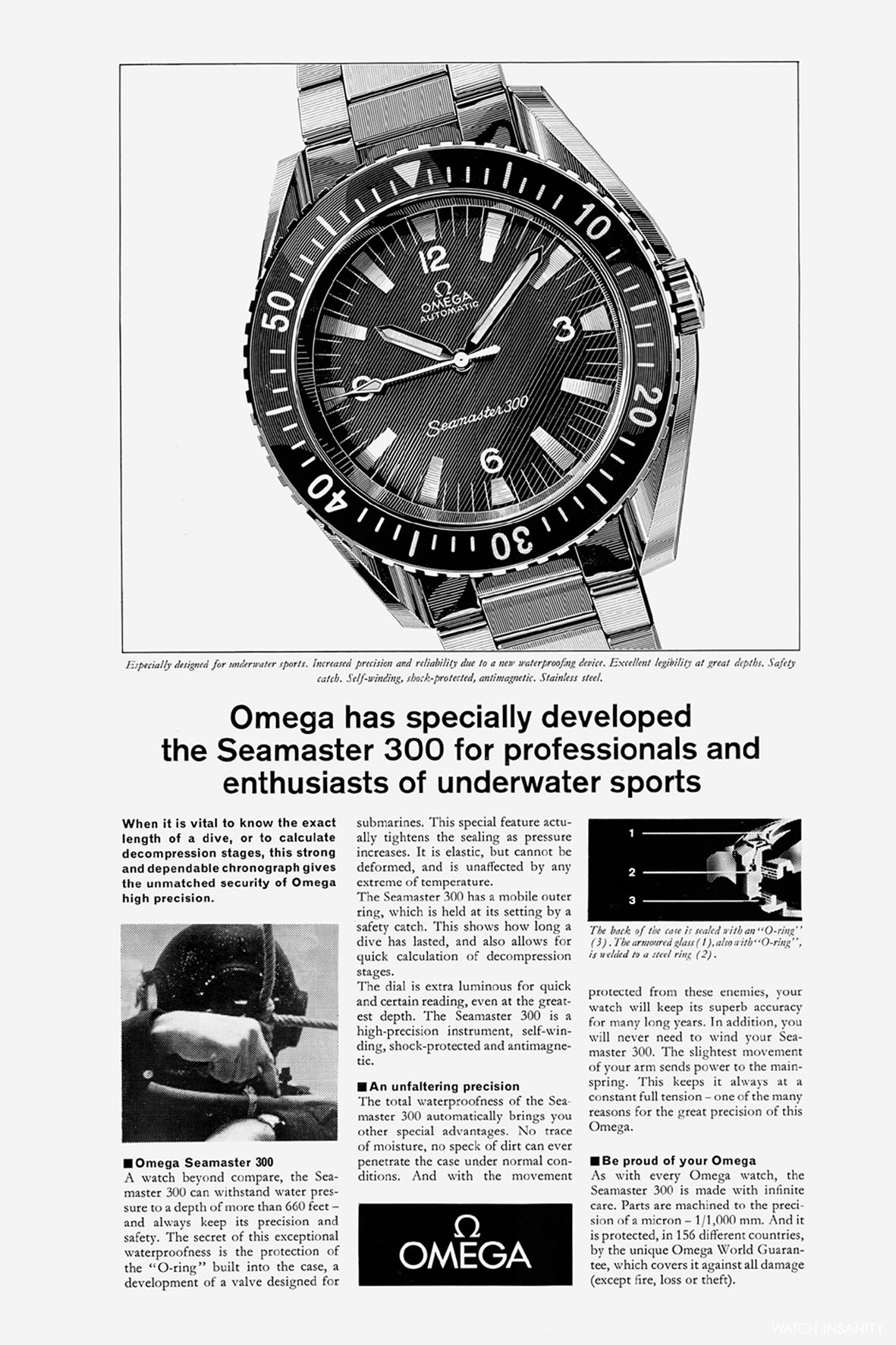
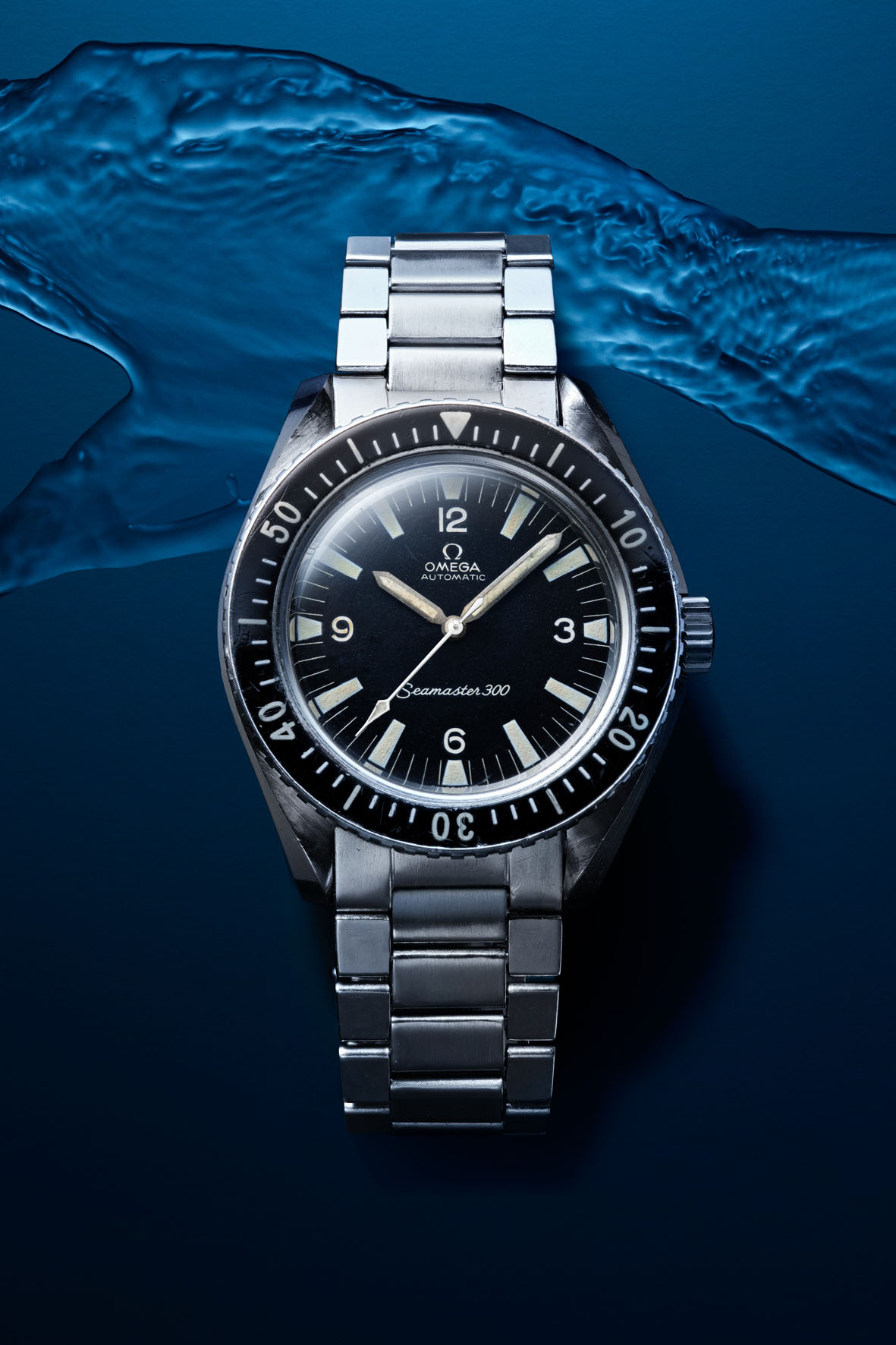
Just to briefly recall the evolution of the Seamaster Planet Ocean that led to these new references, the first models from 2005 were inspired by the Seamaster 300 from the 1950s and 1960s. They featured characteristics such as a black dial with Arabic numerals at the quarter hours, arrow-shaped hands and a diving scale on the bezel with an inner ring. The most obvious improvement was the increased water resistance to a remarkable 60 bar.
The other major update to the first generation came in 2009, when Liquidmetal was used for the first time in a Swiss watch to create the diving scale on the bezel. This is a glassy metal alloy composed of five elements – zirconium, titanium, copper, nickel and beryllium – which gave the bezel superior scratch resistance and greater durability.
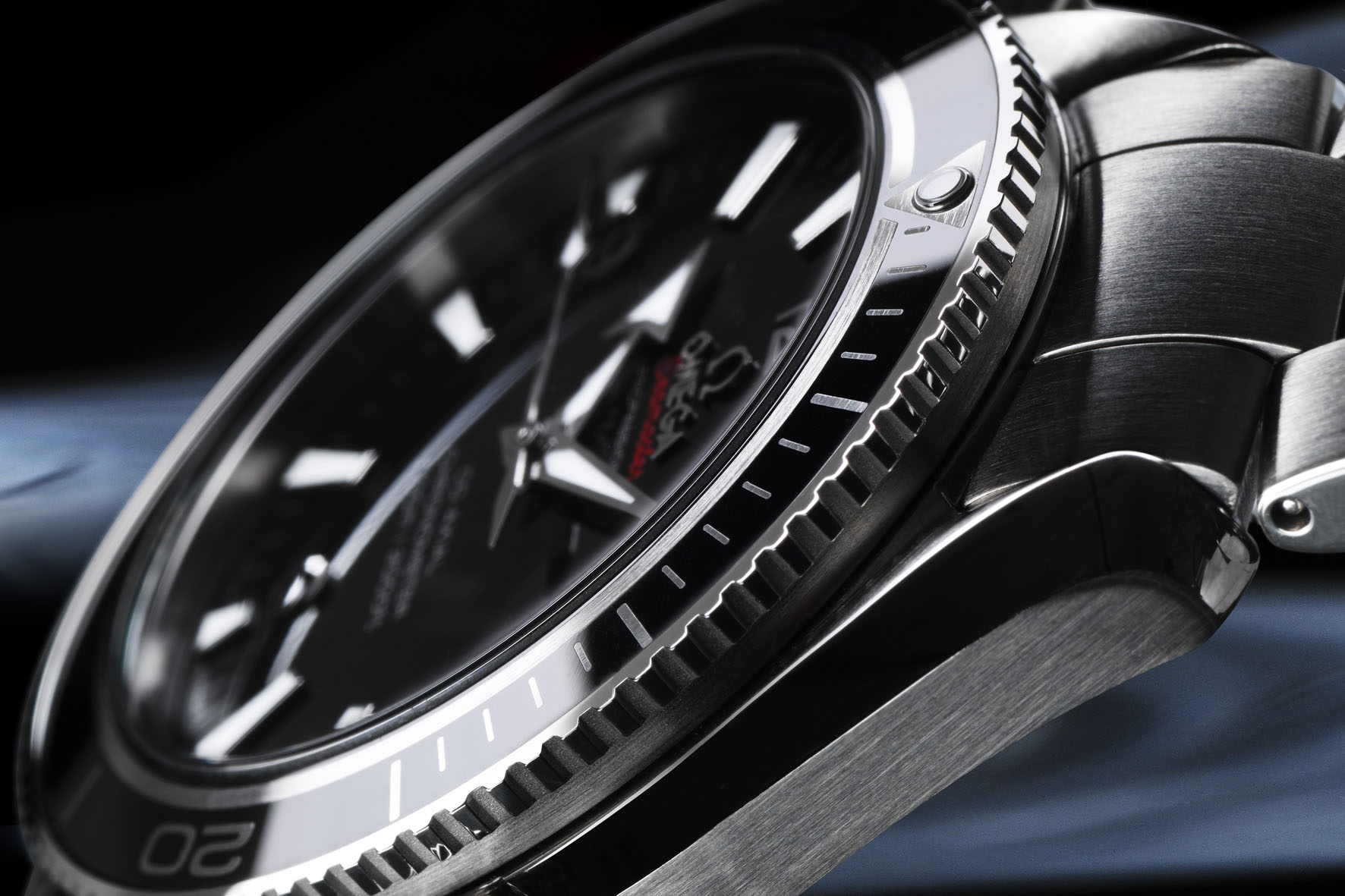
2011 saw the arrival of the second generation of Planet Ocean, with important updates such as ceramic bezels, polished dials, sapphire crystal casebacks and the calibre 8500, which incorporated a silicon balance spring into the collection, improving the watches’ magnetic resistance. The highlight of the second generation was the use of orange ceramic on the bezel, as mentioned above.
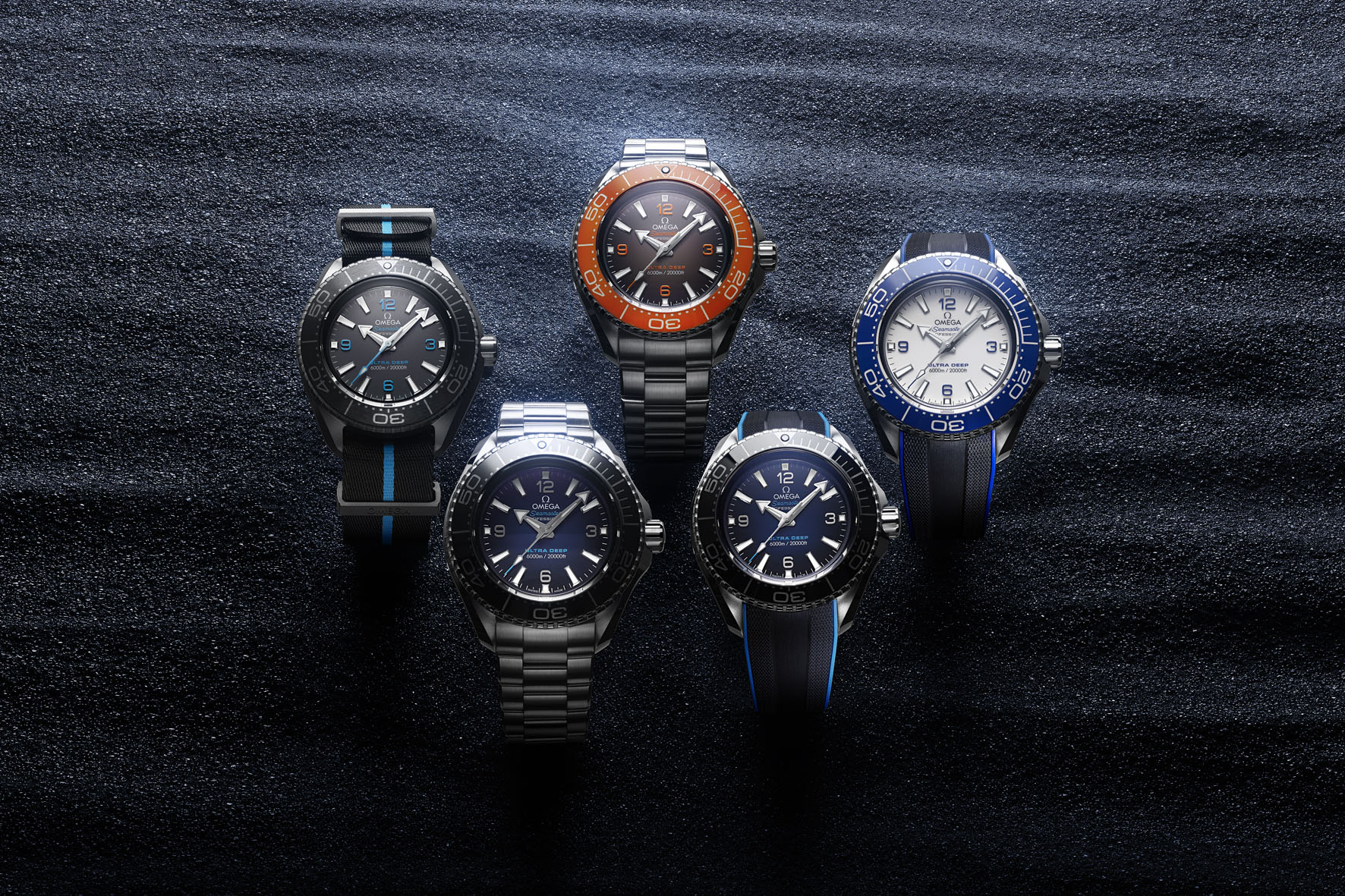
Finally, the third generation was introduced in 2016. Equipped with Co-Axial Master Chronometer calibres, it stood out for its new dimensions and slimmer cases, as well as several aesthetic updates such as the first use of 18-carat Sedna gold and a ceramic bezel with rubber detailing on the diving scale. It was also the year of the Planet Ocean Deep Black, four diving watches made entirely of ceramic. This was followed in 2019 by the last chapter before the current one: the Ultra Deep of 2022, resistant to 600 bar and certified according to the ISO 6425 standard for saturation diving.
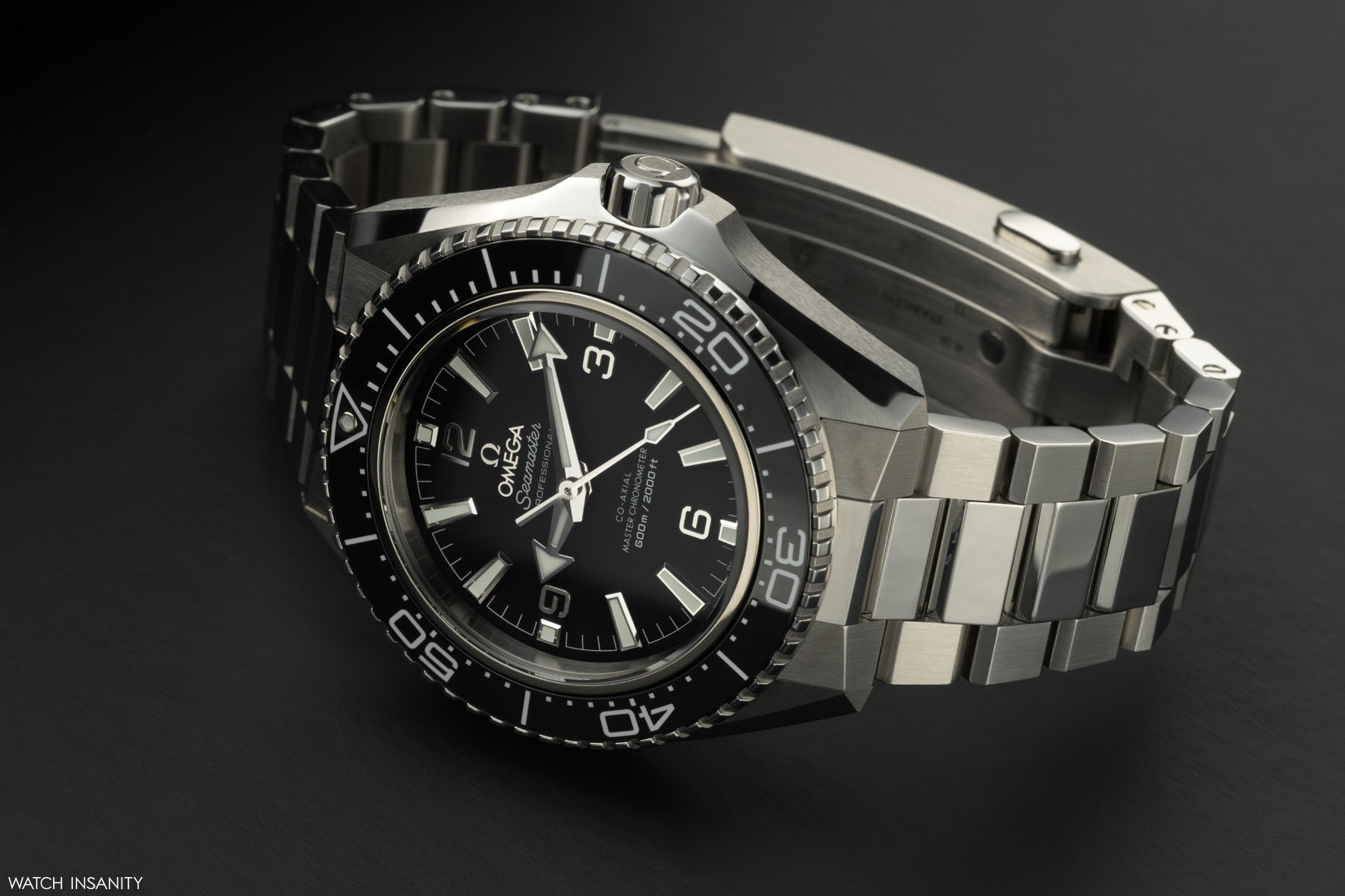
Twenty years of development and innovation have now brought us to the fourth generation of the OMEGA Seamaster Planet Ocean, which still retains the essential character of the collection. A line that remains rooted in the oceanic vocation of the Bienne manufacture and preserves many of the distinctive elements that have made the collection a symbol in the world of professional diving watches.
By Davide Passoni