


Time is not merely the measure of Bulova’s history, but the essence of its very identity. Over the past 150 years, the American Maison has redefined the concept of precision with a pioneering spirit, combining mechanical tradition and technological innovation as few watchmakers ever have. To celebrate this milestone, Bulova introduced in 2025 a series of special editions that reimagined its heritage through a forward-looking lens, paying homage to its most iconic models in a coherent and ambitious trajectory. That path now culminates in the new Accutron Spaceview 314—a timepiece that translates Bulova’s legacy of electromechanical innovation into contemporary form.
ACCUTRON: A 360-HERTZ REVOLUTION
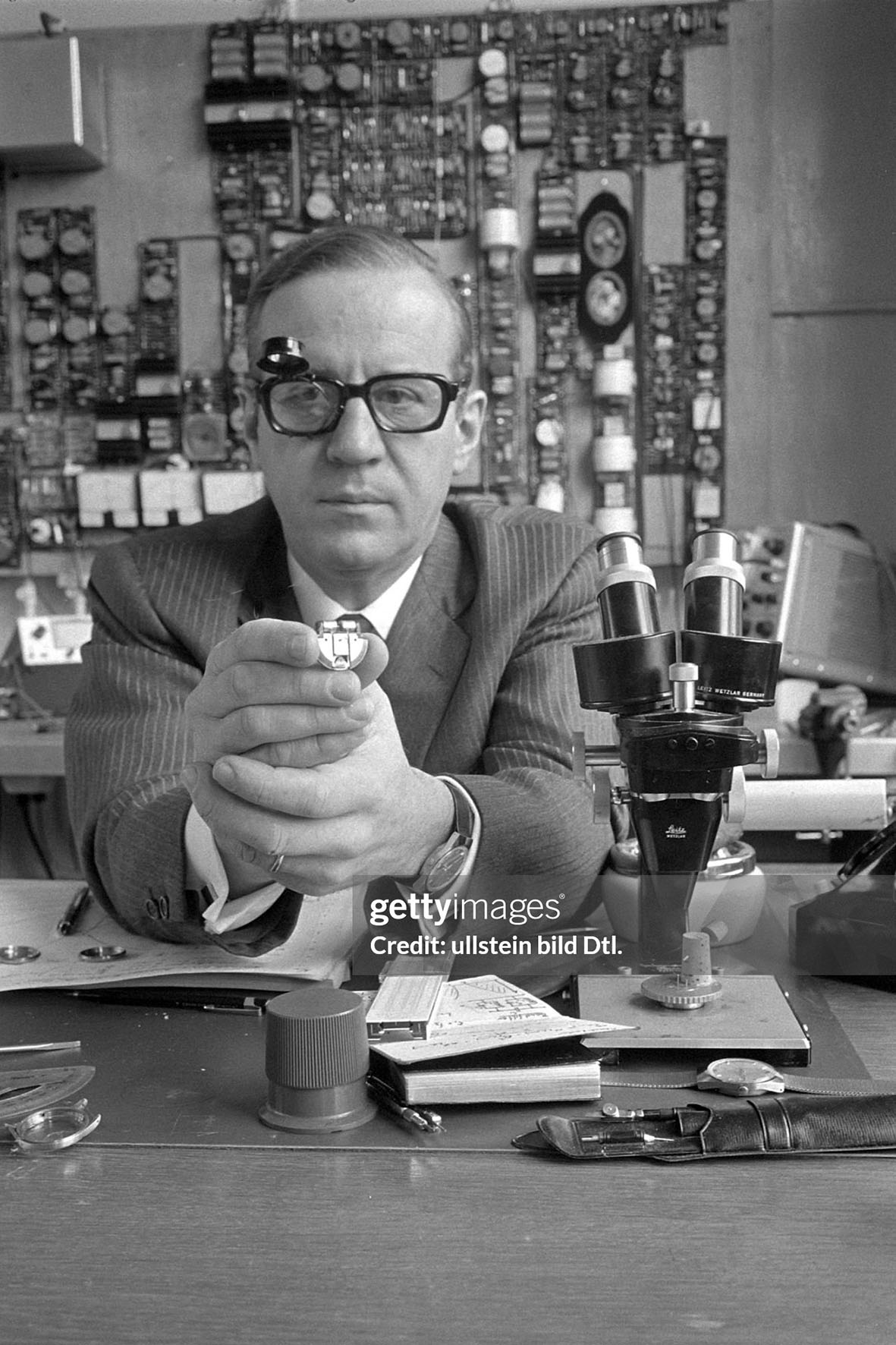
When Bulova introduced the Accutron in 1960, it marked a decisive turning point in modern watchmaking. For the first time, a wristwatch dispensed with the traditional balance wheel and adopted a metal tuning fork, sustained in constant vibration by an electrical current regulated through a transistor. What appeared to be a simple principle was, in fact, the outcome of years of research—and it fundamentally redefined timekeeping standards. The project was led by Swiss engineer Max Hetzel, supported by Arde Bulova, the founder’s son, who transformed a theoretical concept into a practical, reliable, and miniaturized device. The result was the world’s first electronic wristwatch produced in series: the Accutron, short for “Accuracy through electronics”—a name that perfectly expressed the project’s ambition and foreshadowed the coming age of quartz technology.
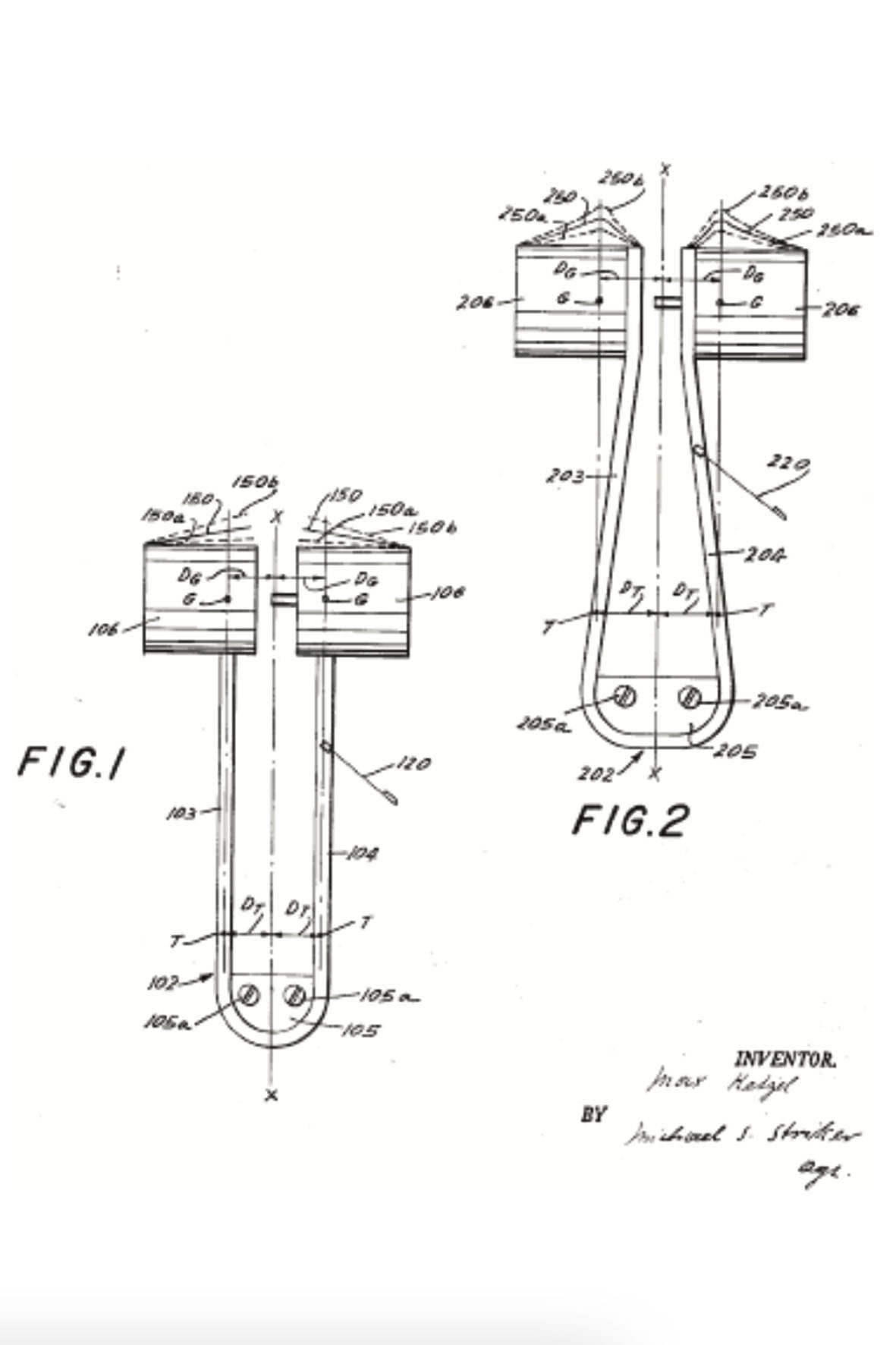
At the heart of the movement was the tuning fork: a miniature, fork-shaped component made from Ni-Span-C alloy, oscillating at a steady frequency of 360 hertz and producing the distinctive F♯ tone that soon became the Accutron’s hallmark. These vibrations were translated into rotary motion through a system of levers, ruby jewels, and microscopic gears, achieving a level of precision unmatched at the time. The feat of miniaturization was extraordinary: each coil contained 8,000 turns of wire only 15 microns thick—stretching to nearly 80 meters if unwound—while the index wheel, just 2.4 millimeters in diameter, featured more than 300 teeth, each cut to a depth of barely 10 microns. For the first time, a wristwatch was powered entirely by an electronic circuit, eliminating the compromises of hybrid systems and establishing a completely new paradigm made possible by the transistor—the defining symbol of American technological progress in that era. The result was a timepiece virtually unaffected by gravity, temperature variations, or external shocks, delivering a precision that rendered previous mechanical standards effectively obsolete.
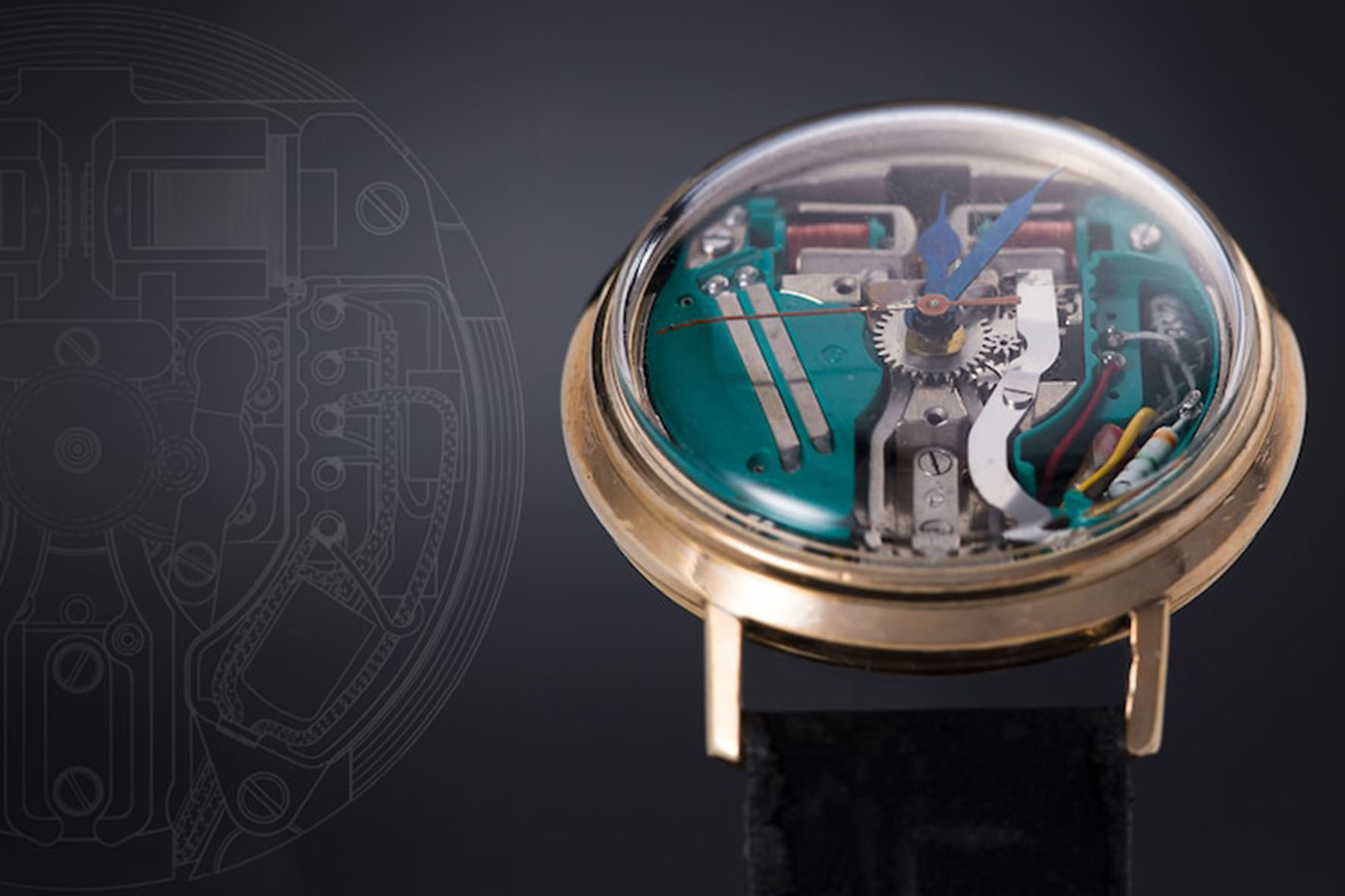
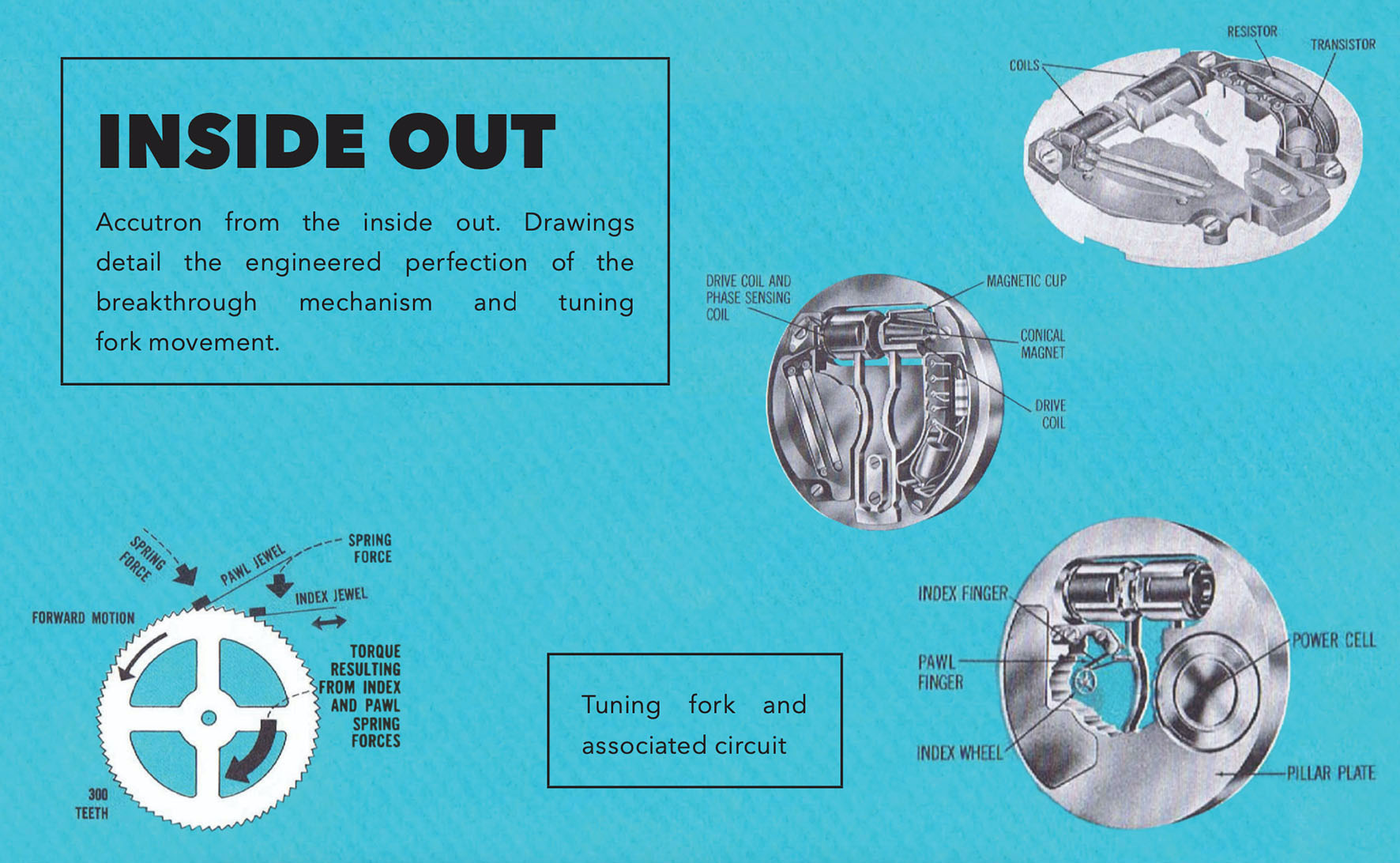
The Accutron’s design played an equally crucial role in cementing its legend. In an era defined by closed dials and conservative styling, Bulova chose instead to showcase its technology. This decision gave birth to the Spaceview, an open-dial model originally created as a retailer’s display piece but embraced so enthusiastically by the public that it became a full-fledged collection. Its transparent dial, exposing the circuit and tuning fork, captured the futuristic imagination of the 1960s like no other watch of its time. Beyond its aesthetics, the Accutron’s precision found critical applications far beyond the wrist, powering instrumentation in aircraft, rail systems, and even the space missions that came to define American modernity. The Accutron Astronaut became the official watch of X-15 pilots and CIA A-12 crews, while Bulova timing modules were used within the Apollo program to support lunar missions. From railways to the stratosphere, the Accutron embodied American technological precision—and, above all, proved that watchmaking could transcend its mechanical limits by embracing electronics without compromising craftsmanship. Even today, its soft, continuous hum remains one of the most distinctive signatures in the history of modern horology.
THE RETURN OF THE TUNING FORK — ACCUTRON SPACEVIEW 314
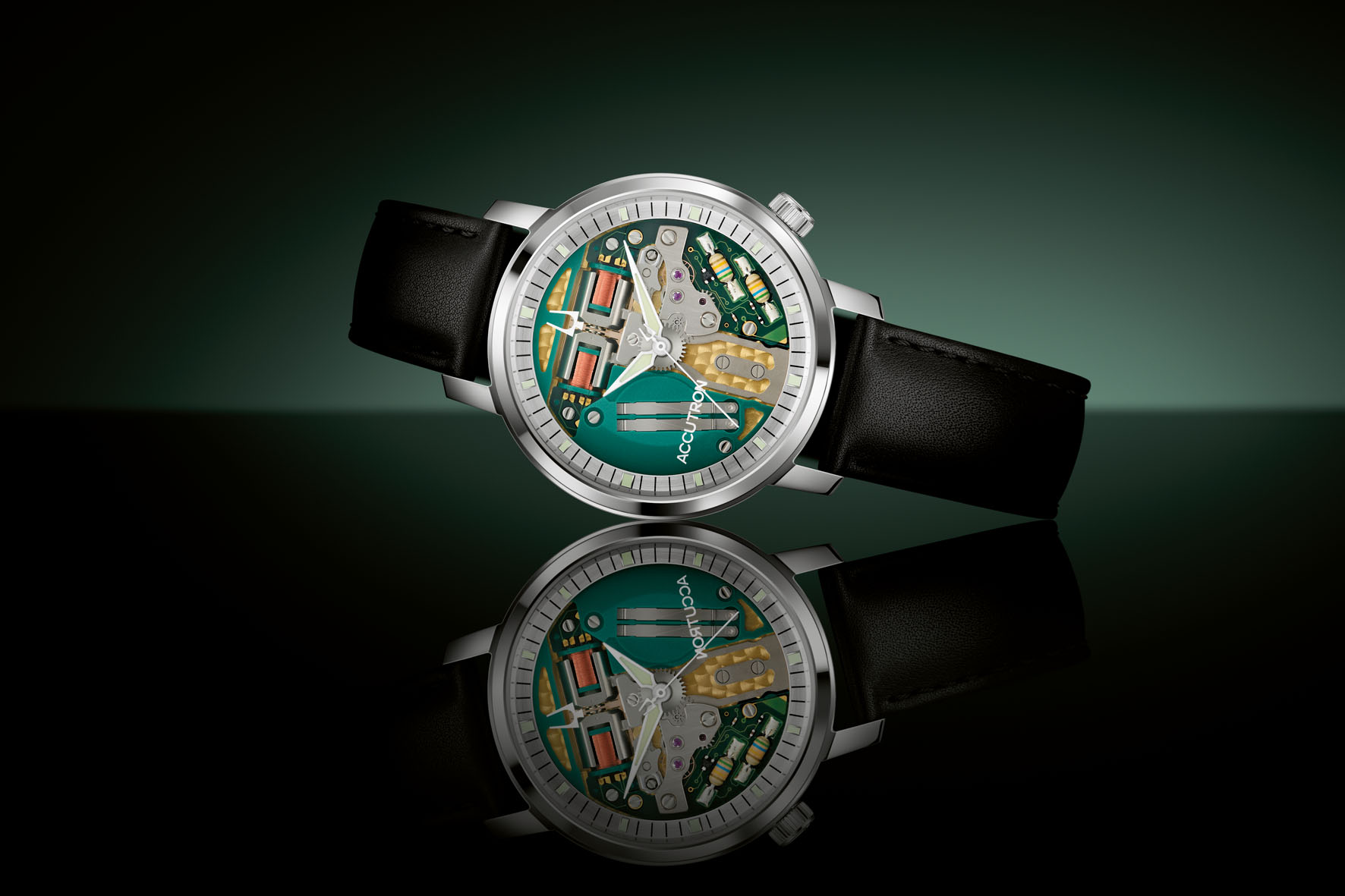
Sixty-five years after the debut of the first electronic movement, the Accutron returns to center stage with the new Spaceview 314, a model that combines the allure of its iconic open-dial design with fully re-engineered mechanics meeting contemporary production standards.
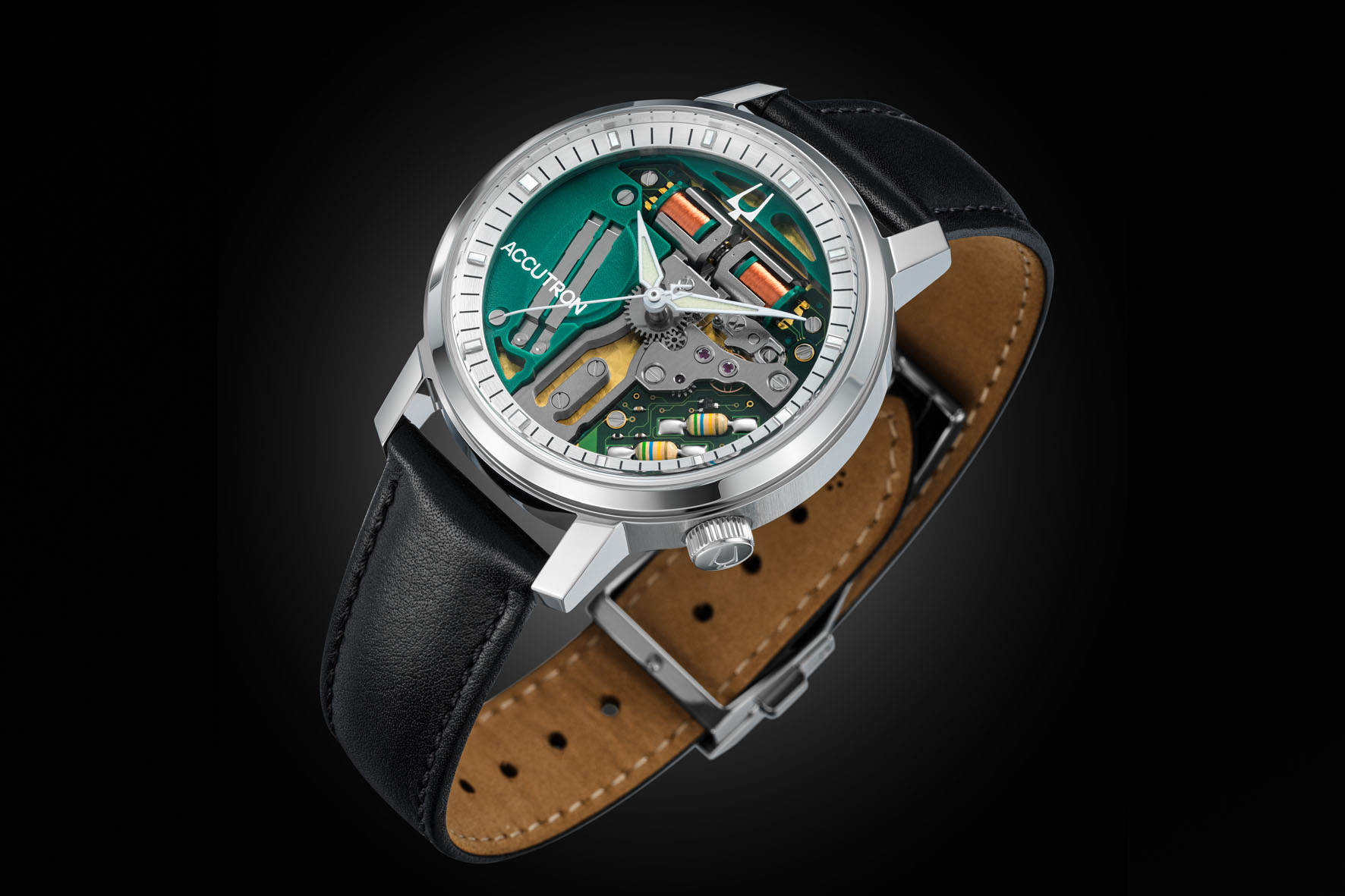
At the core of this revival lies the Accutron Y230 caliber, the result of a decade of research in Citizen’s Tokyo laboratories (the Japanese group acquired Bulova in 2008). The engineers’ goal was clear: to reinterpret the tuning-fork principle in modern technical form, producing a hand-assembled movement vibrating at 360 hertz and generating the characteristic F♯ resonance. Like its 1960 predecessor, the Y230 produces no ticking but rather a continuous vibration that drives the seconds hand in a smooth, uninterrupted sweep, achieving an accuracy of ±2 seconds per day. Advanced materials such as Elinvar and silicon ensure excellent thermal stability and long-term consistency, while the sapphire caseback reveals an array of refined finishes—black polishing, anglage, brushing, perlage, and Côtes de Genève.
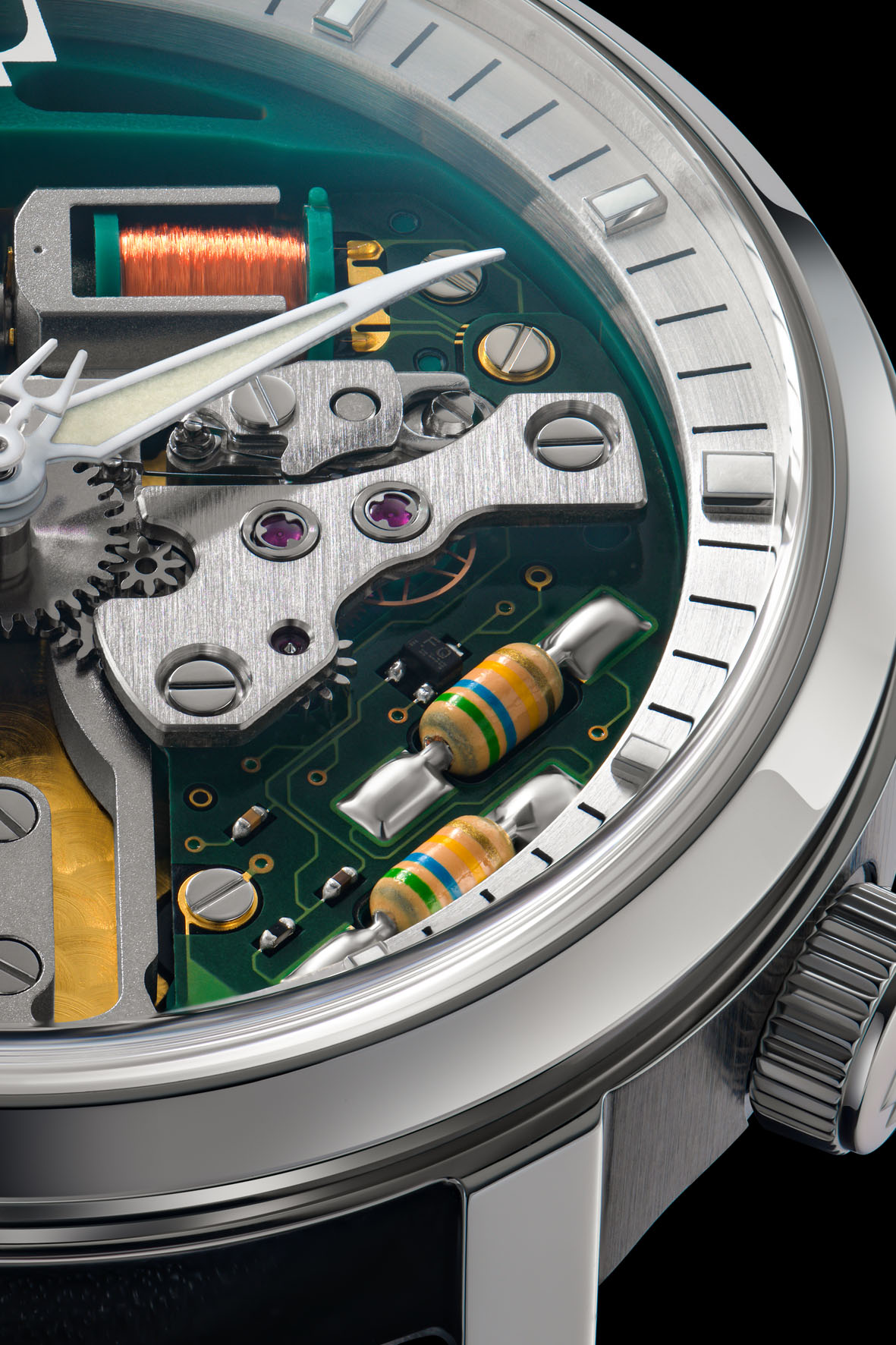
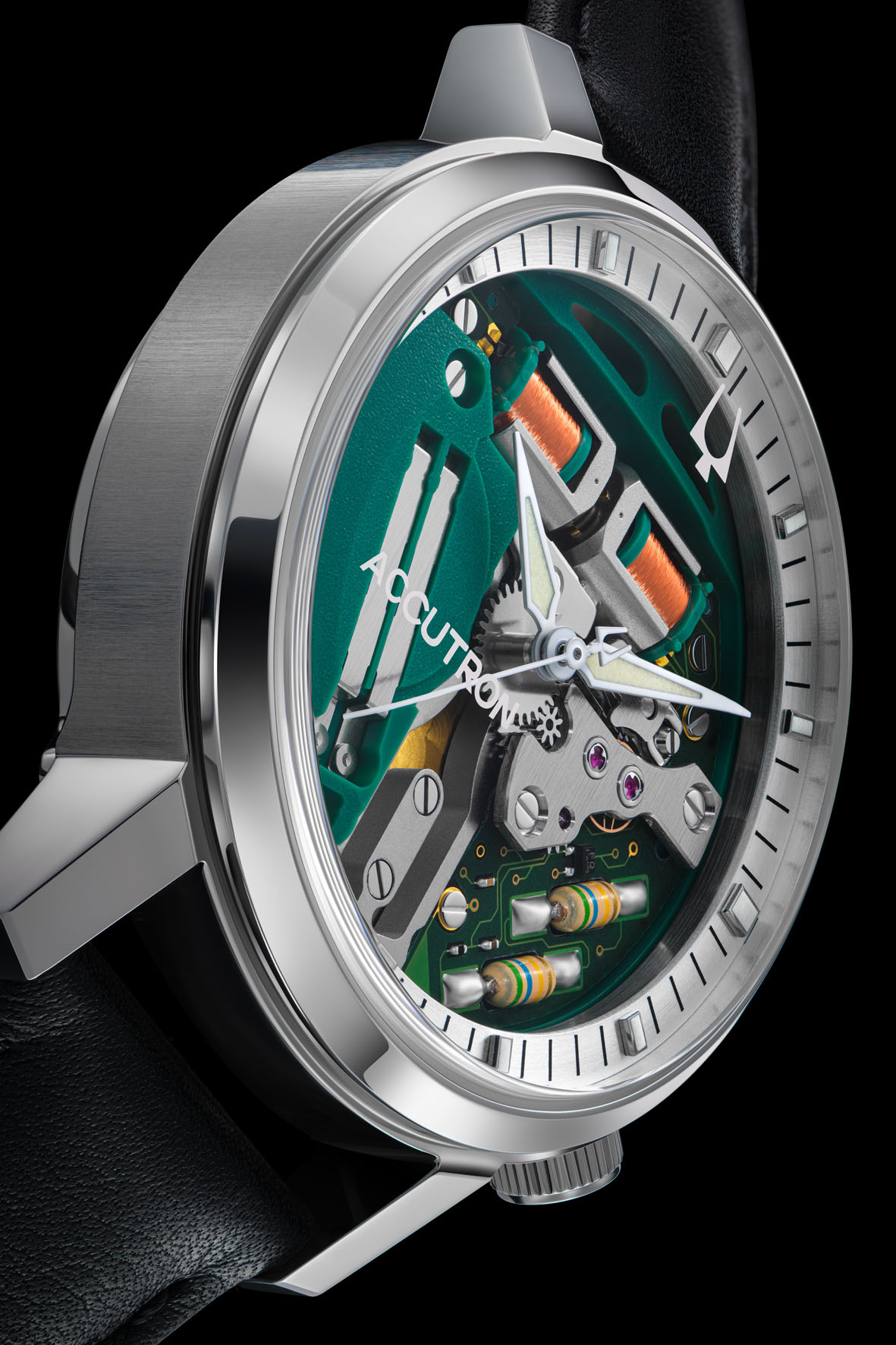
The Spaceview 314 retains the signature open-dial architecture of the original, with a skeletonized layout that reveals the movement in full detail, framed by an outer ring with printed hour markers and hands coated in LumiNova SG-1000 N. The 39-mm case, available in 904L stainless steel or grade-5 titanium, combines polished surfaces with crisp edges, while the double-domed sapphire crystal accentuates the depth and dimensionality of the mechanism. An Italian leather strap with deployant clasp and water resistance to 30 meters completes the package.
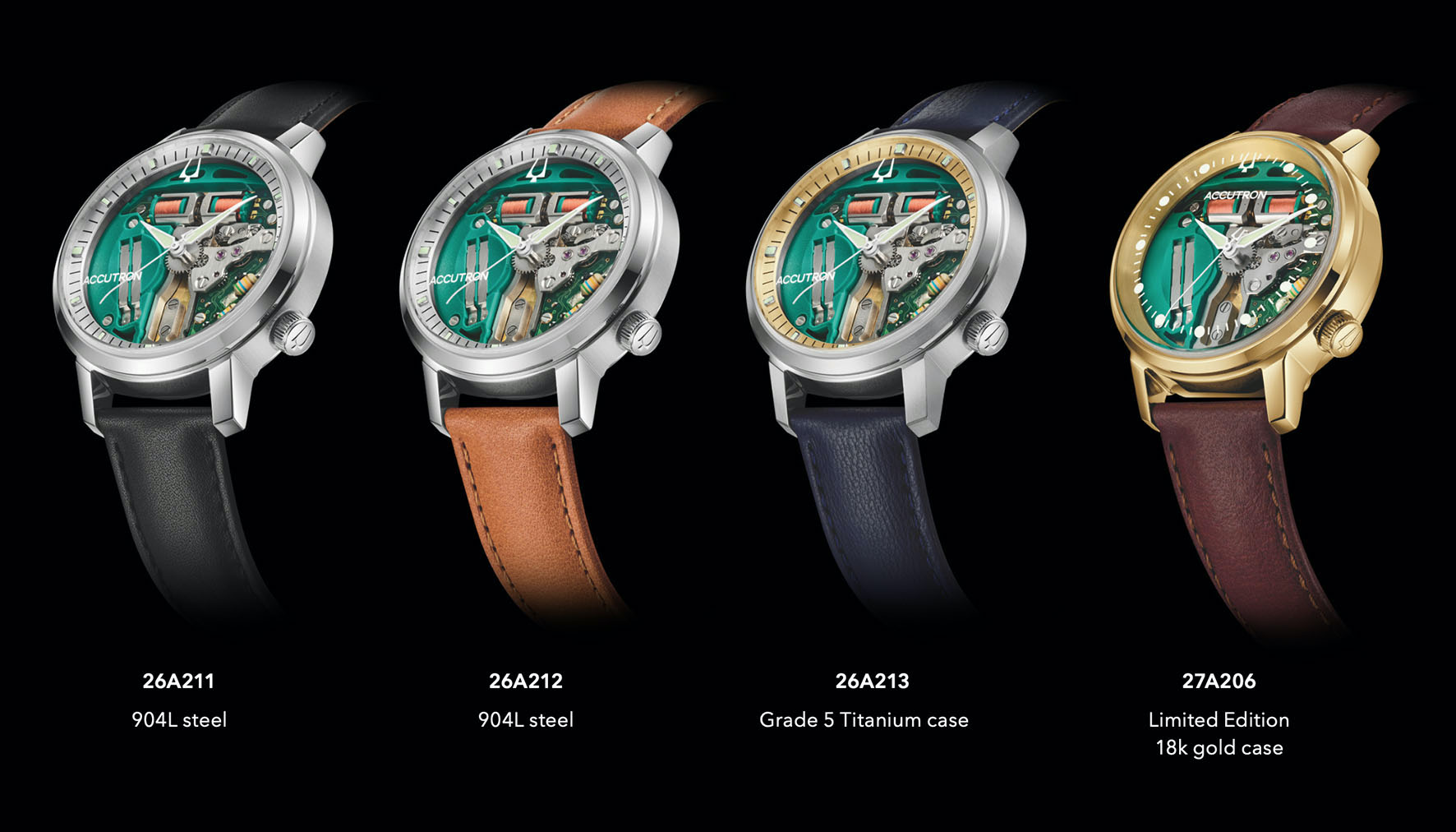
The Accutron Spaceview 314 is offered in four variations. The first is a 37-mm model in 18-karat gold, limited to just 65 pieces, combining the refinement of precious metal with fidelity to the original design. It is joined by two 39-mm versions in 904L stainless steel, paired with either a tobacco- or black-colored strap, and a 39-mm grade-5 titaniumedition with a blue strap. The latter two, also available on the Italian market, are distinguished by their rehaut: silver-toned on the steel version with black strap (priced at €5,100), and champagne-colored on the titanium version with blue strap (priced at €5,300).
By Elisa Copeta