
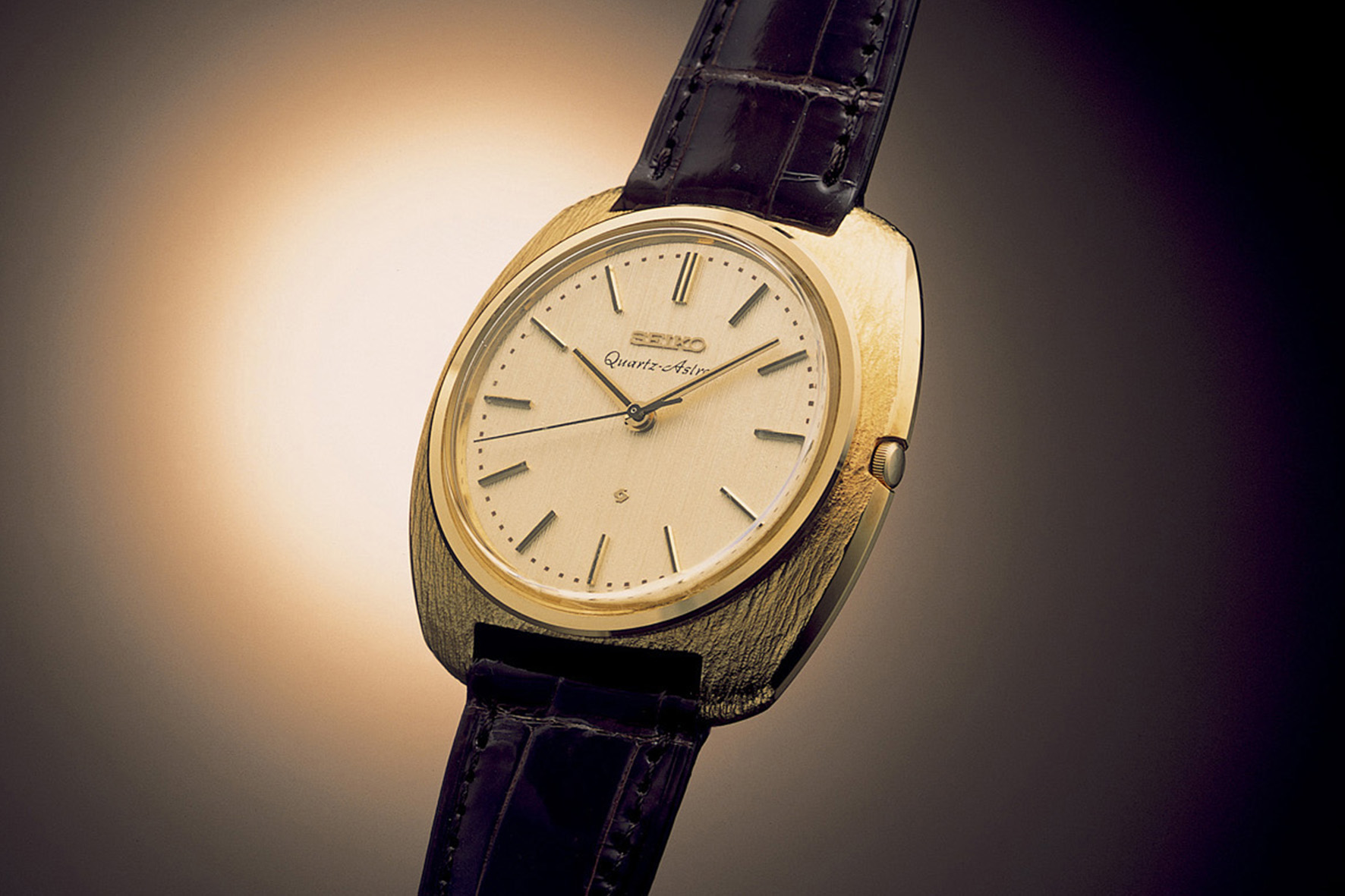

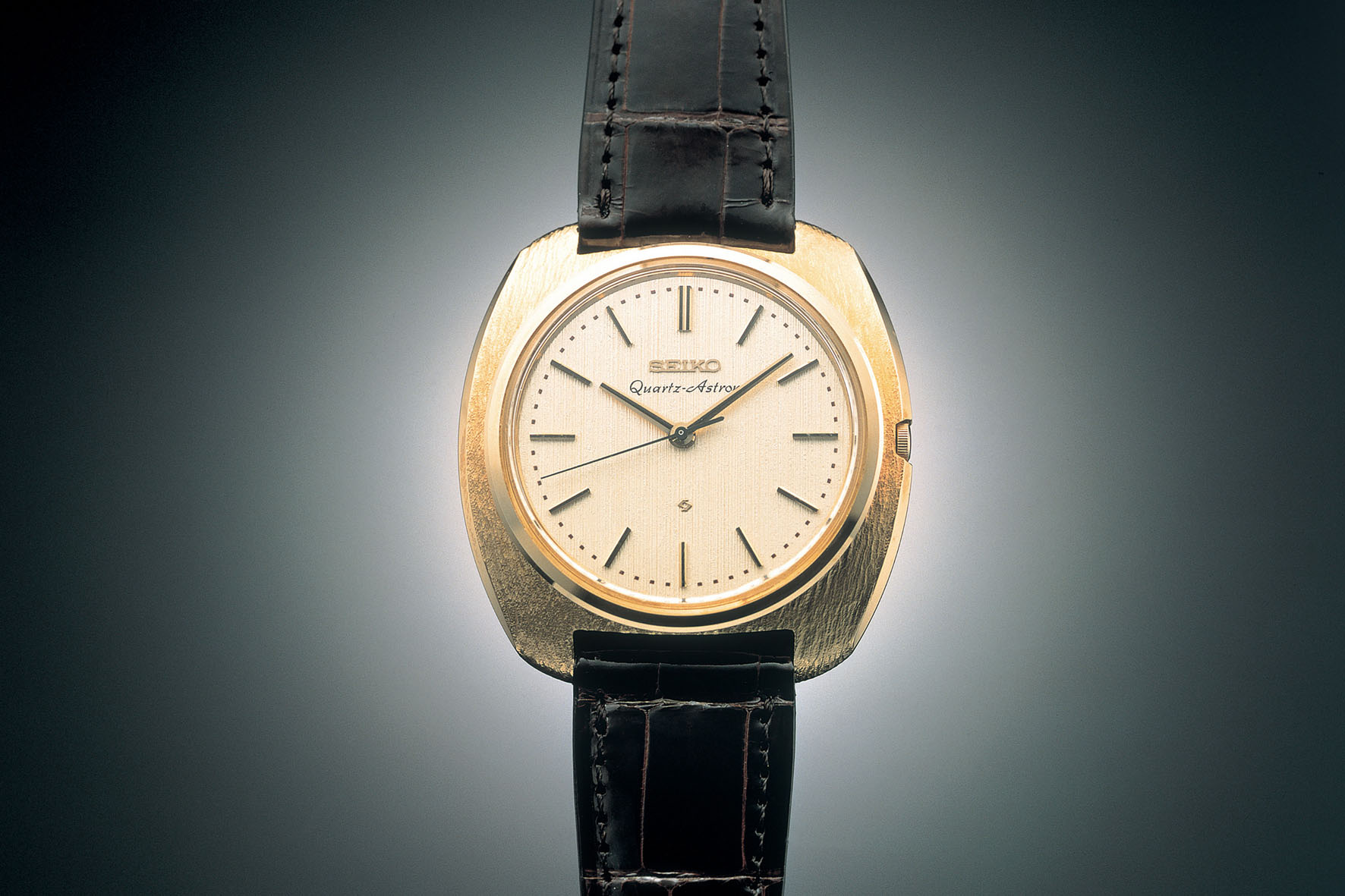
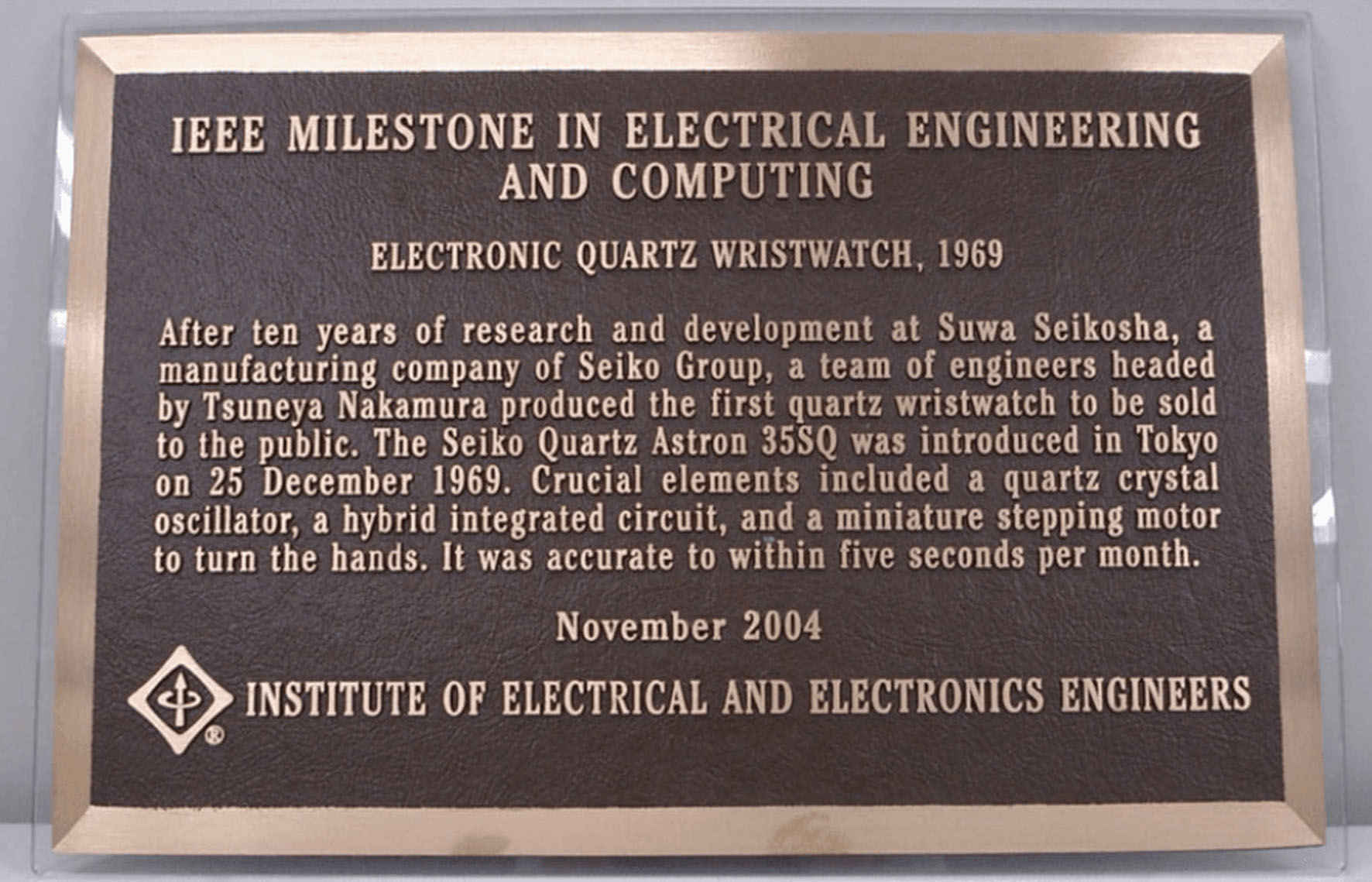
At Christmas, the Catholic world commemorates the birth of the Lord Jesus, presented to the people on 6 January, the day of the Epiphany. For watch lovers, however, 25 December is an Epiphany in its own way: on that day, 56 years ago, the world saw the first quartz wristwatch, Seiko’s Quartz Astron 35SQ. An Epiphany, indeed, because on Christmas Day 1969, the result of a research and development process that the Japanese company had been working on for at least a decade was revealed to the world, with the aim of transferring quartz technology from table clocks to people’s wrists.
THE GENESIS OF THE QUARTZ ASTRON 35SQ
In the late 1950s, Seiko aimed to develop wristwatches that were more accurate than conventional mechanical models. This goal became even more central after the introduction of tuning fork watches, which used vibrations generated by a battery-powered metal tuning fork as their signal source. In this quest for innovation, the company focused on regulating time measurement using a quartz oscillator. Its use at the heart of the watch made it possible to achieve accuracy approximately 100 times greater than that of a standard mechanical movement. However, the first quartz watches produced by Seiko for television stations at the time were as big as a cabinet and far from portable.
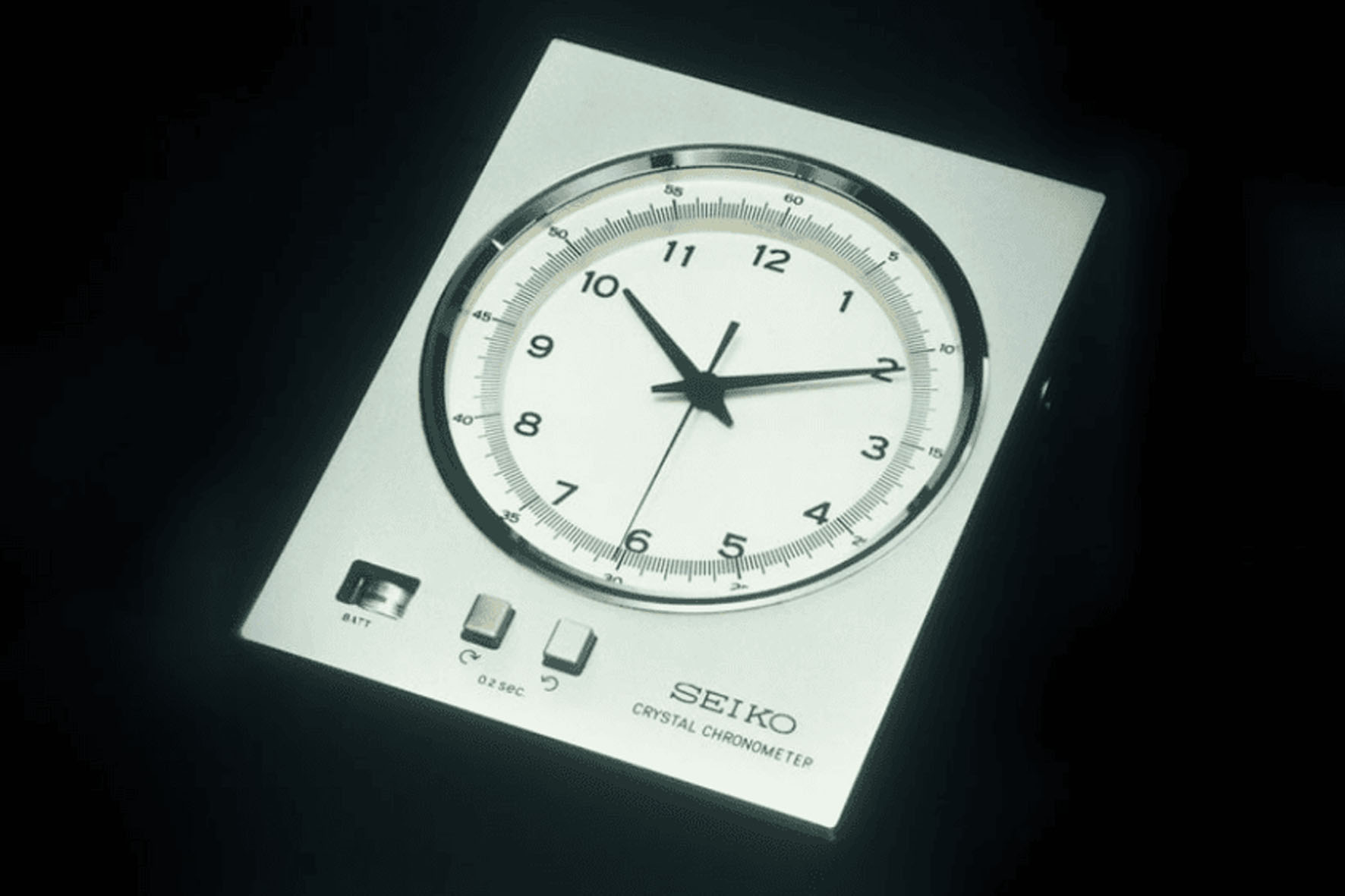
Nevertheless, the company identified quartz as a key technology for the future and launched a project to develop quartz wristwatches in the Suwa Seikosha division, one of the Group’s watch companies (now Seiko Epson). The challenge was to create a system that would translate the electrical signal from the battery, via the quartz crystal, into the rotary movement of the hands. After incorporating this technology into a table clock used at the 1964 Tokyo Olympics, Seiko created pocket-watch prototypes that won prestigious awards at the Swiss Observatory Competitions in Neuchâtel in 1966 and 1967. Following these advances and the subsequent commercial launch in 1968 of its first quartz wall clock (SPX961), the company completed the Quartz Astron 35SQ, destined to become the world’s first commercially available quartz wristwatch.

It had been about ten years since the project began in 1959. The miniaturisation of the large quartz crystal clock, which led to the Quartz Astron 35SQ, represented the victory of an enormous challenge. This success was made possible thanks to the philosophy of Seiko’s founder, Kintaro Hattori, which the company continues to pursue: “Always one step ahead of the others”. The technical and industrial difficulties underlying the creation of the first quartz wristwatch were overcome thanks to technological improvements and large-scale investments in the electronics manufacturing industry that Seiko pursued during those years.
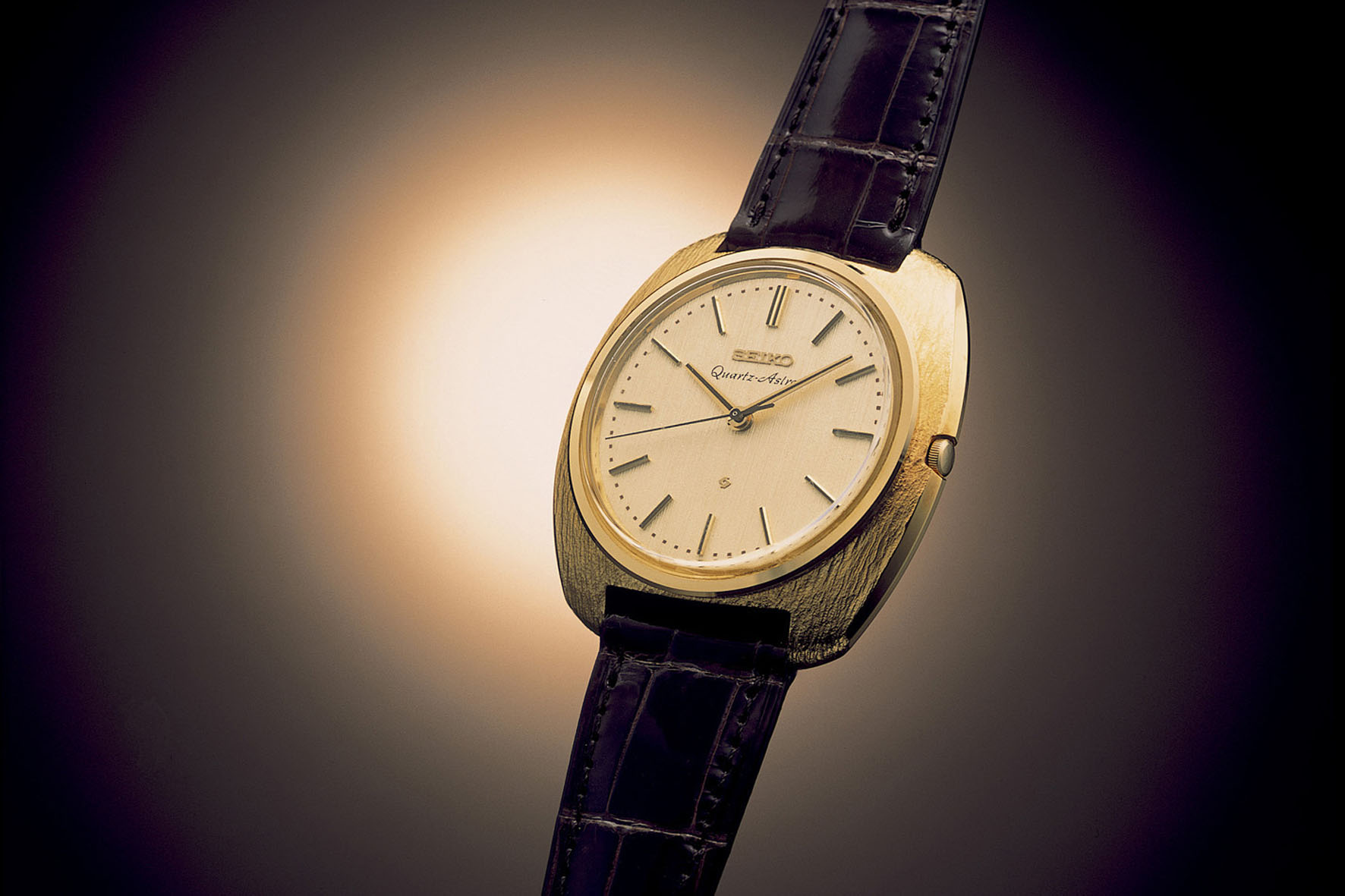
Once launched, however, quartz watches had to be supported by a strong commitment both commercially and in terms of after-sales service. This happened during the 1970s, in such a massive and unexpected way that it profoundly shook the traditional mechanical watch industry, particularly in Switzerland. The introduction of quartz watches into the daily lives of millions of people, which began with the launch of the Quartz Astron 35SQ, did not wipe mechanical timepieces off the market, which continued – and continue – to exist, but the revolution was now underway.
FROM QUARTZ TO RADIO-CONTROLLED
The quartz watch was therefore a timepiece that allowed anyone to easily know the exact time, but Seiko’s quest for precision did not stop there. In the 2000s, forty years after the birth of the Quartz Astron, the radio-controlled watch was developed, capable of picking up the time code from standard radio waves to correct time deviations and keep the time perfect at all times. Radio-controlled watches relied on signals from atomic clocks, offering exceptional accuracy. However, standard radio stations existed in only five countries worldwide, limiting access to accurate time information in regions outside their range. Seiko therefore turned its attention to a system based on GPS satellite signals.
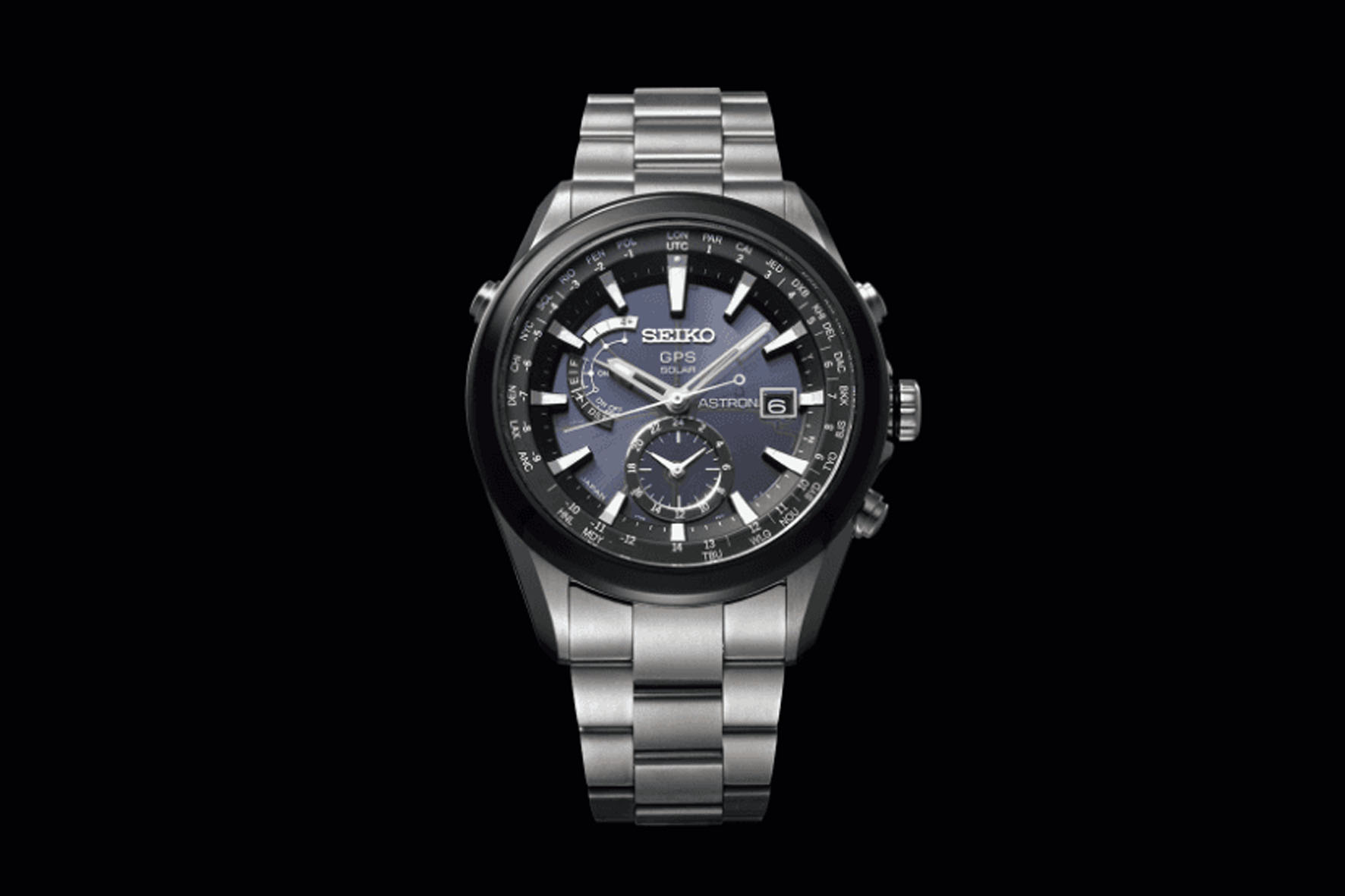
Seiko Epson was responsible for manufacturing the antenna and GPS receiver circuits, and miniaturisation was essential in order to integrate these components into a wristwatch. In addition, receiving GPS signals required 100 to 300 times more energy than standard radio waves, making it necessary to incorporate energy-saving solutions into the watch. Overcoming obstacles as great as those faced by the Quartz Astron, in 2012 Seiko launched the Astron, the world’s first GPS watch, reviving a name that was still very strong not only within the company but throughout the watchmaking world.
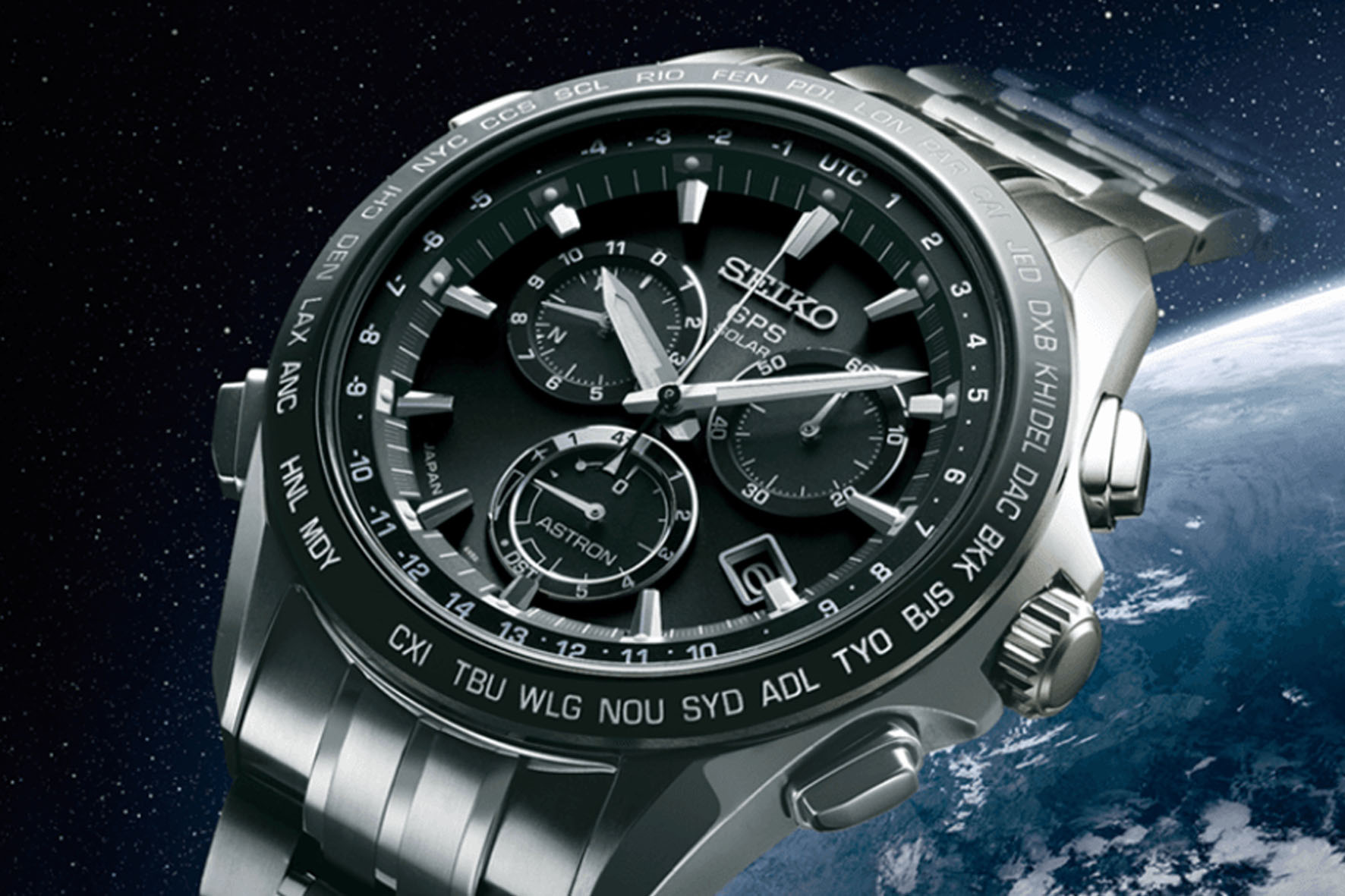
When the Seiko Astron picked up signals from GPS satellites, the second hand moved to indicate the number of satellites detected, allowing users to visually check the signal reception status. It was a moment when the wearer felt connected to the GPS satellites orbiting 20,000 kilometres above their wrist. At Seiko, they call this technology “Emotional Technology”, a value that the company pursues alongside functionality as an essential element of watchmaking.
SEIKO ASTRON: MODERN REFERENCES
The first-generation Astron 7X series had a considerable diameter of 47 mm, but the 8X series, launched in 2014, reduced the case size by about 30%. The 5X series of 2018, in addition to resizing the calibre, further reduced the case diameter, and the time correction process based on satellite signal reception was reduced to a minimum of just three seconds. This result was further improved with the 2019 Astron GPS Solar Dual-Time, presented on the 50th anniversary of the Quartz Astron. Thanks to further miniaturisation of the antenna, the case was made even more compact.
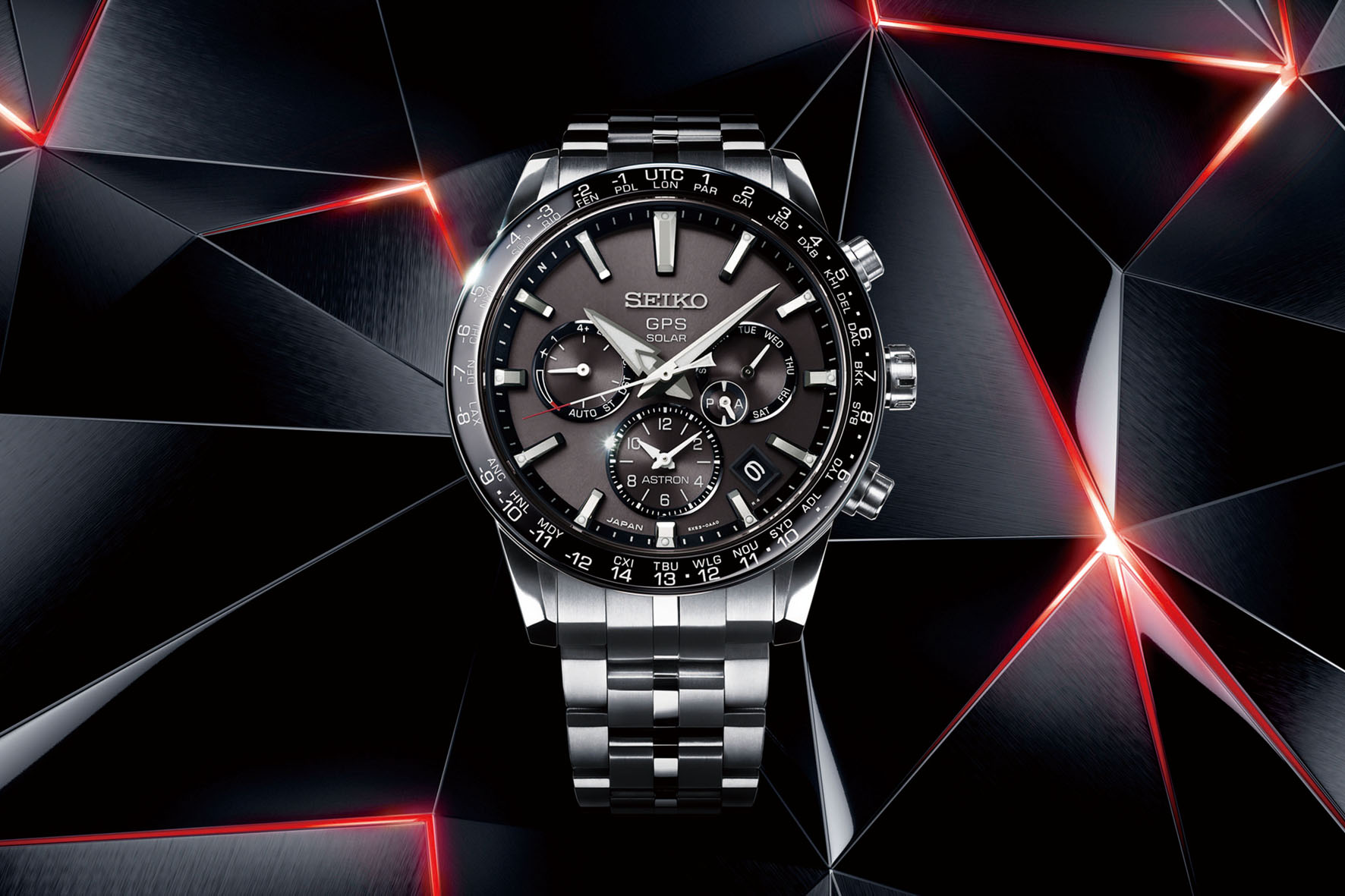

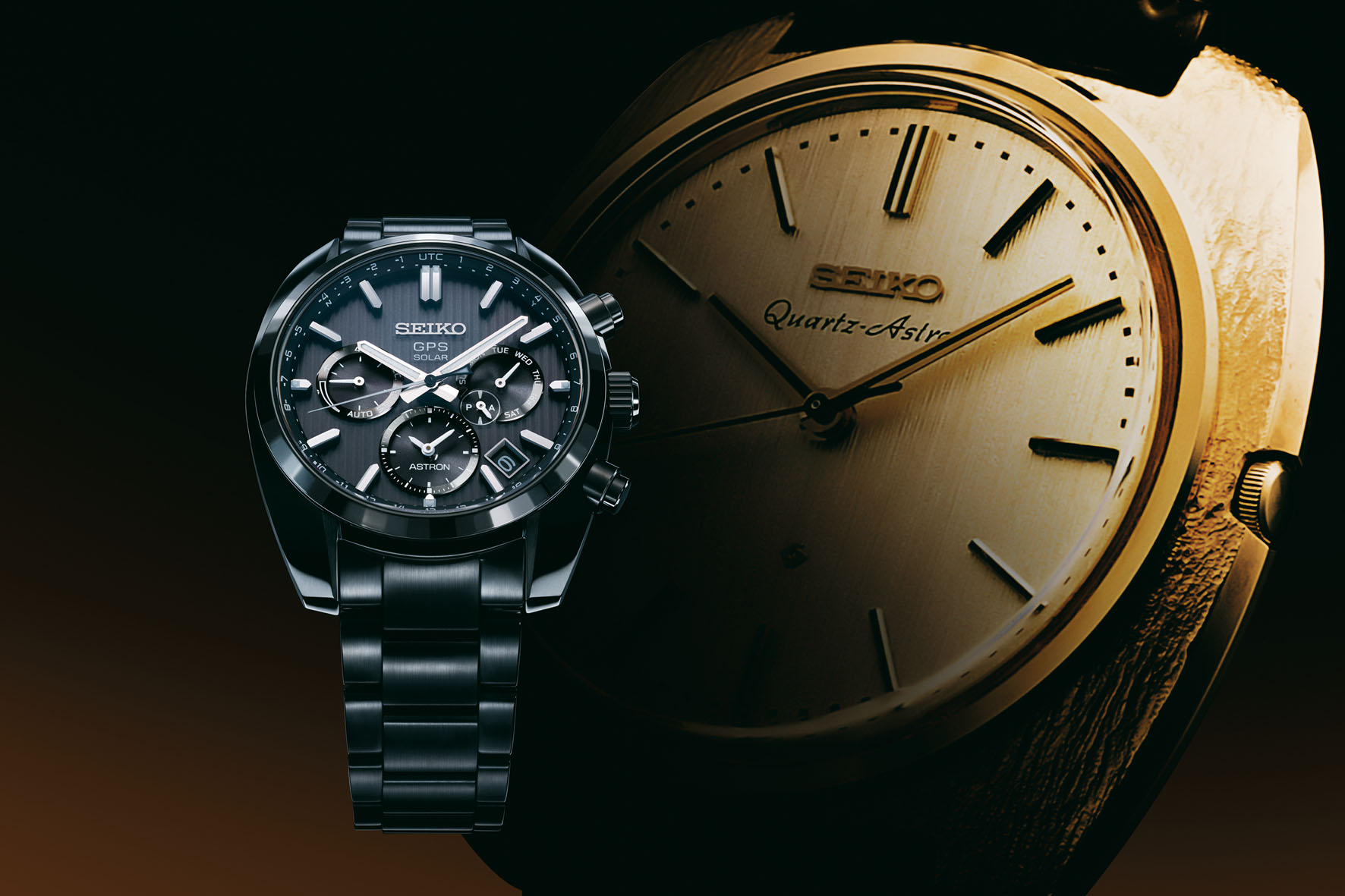
The importance of that collection for Seiko lies in the fact that it incorporated some of the design elements of the 1969watch (case, lugs and bezel), modernising them and improving the technology inside. The four references, one of which is a limited edition, clearly convey how significant the anniversary was for the brand.
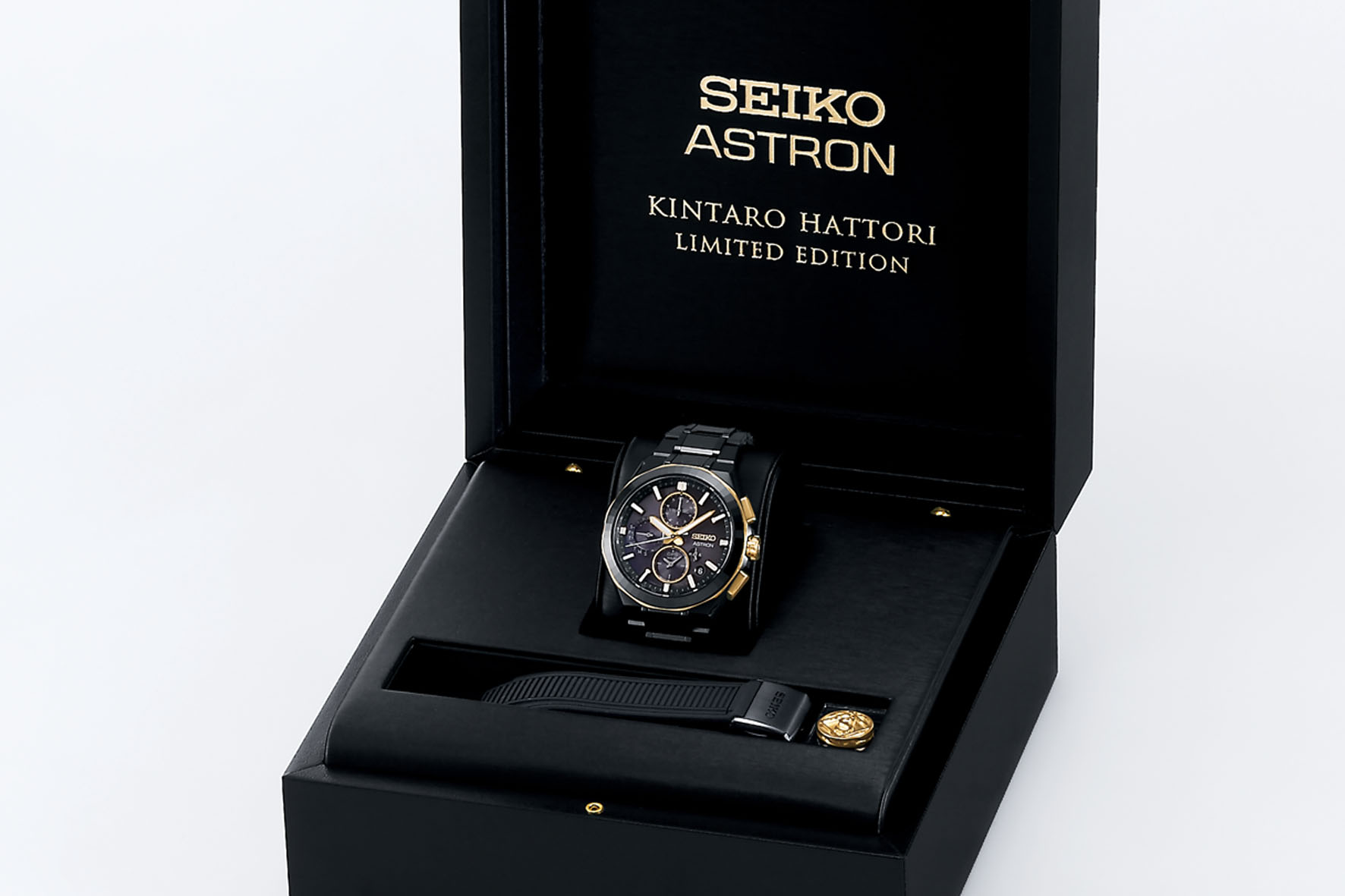
Also worth mentioning is the limited-edition model that commemorated the 160th anniversary of the birth of Seiko’s founder, Kintaro Hattori, in 2020. Designed to represent the dignity and authoritative presence befitting a tribute to the founder, the watch featured a combination of black and gold colours. The bezel, made of zirconium ceramic, known for its hardness and scratch resistance, was finished with 16 facets, symbolising the 160th anniversary.
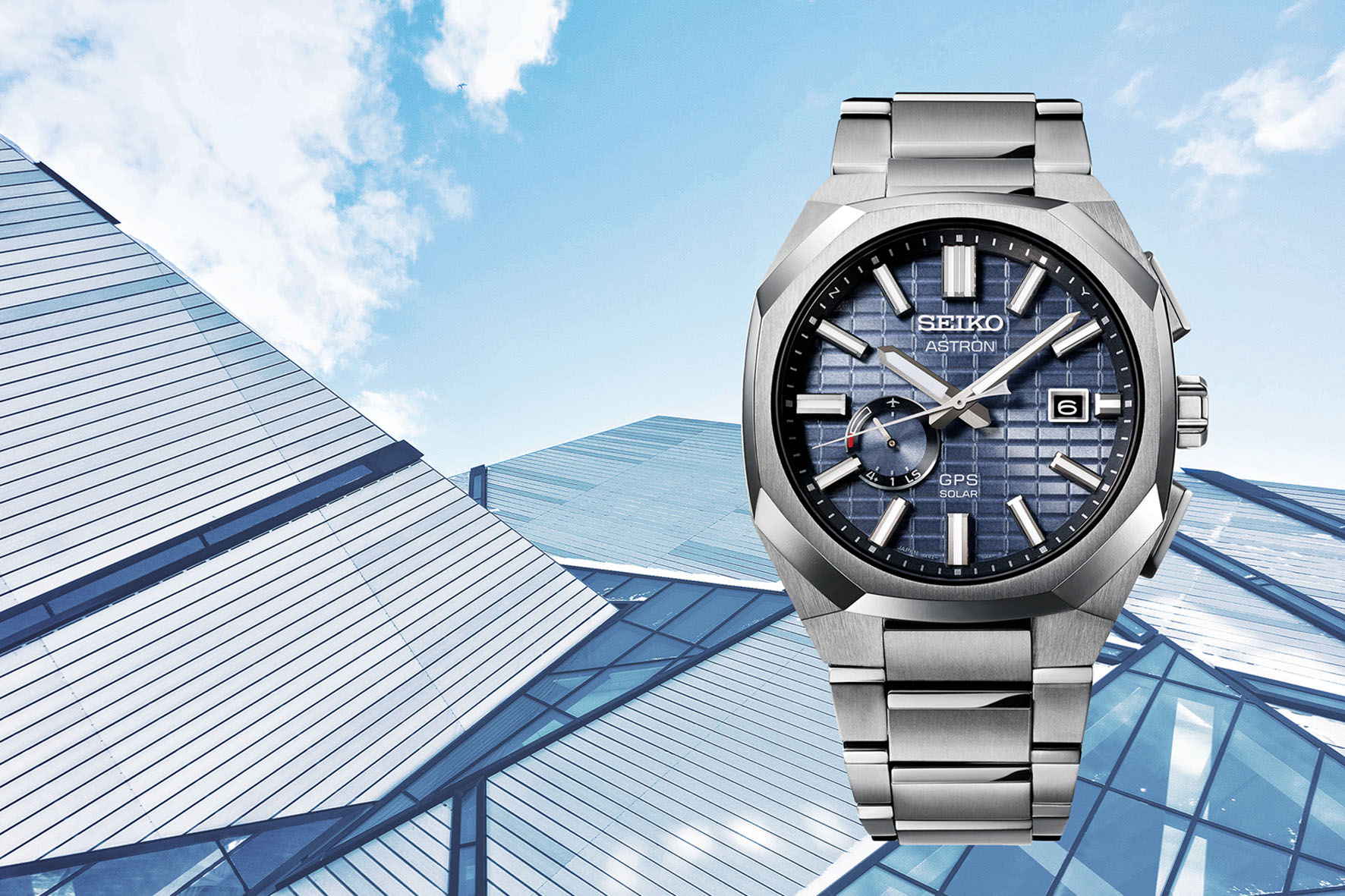
From 2022 onwards, Seiko has essentially made annual updates to the Astron collection. That year saw the launch of four new watches with cutting-edge designs and titanium cases: three with dials in silver, blue-grey and black, and one limited edition with a special striped dial. All were powered by the Calibre 5X53 Dual-Time, Seiko’s most advanced and thinnest GPS Solar movement. 2023 saw four more models of the Seiko Astron GPS Solar 3X, with the solar-powered Calibre 3X62—in this case, three references in the current collection and one limited edition.
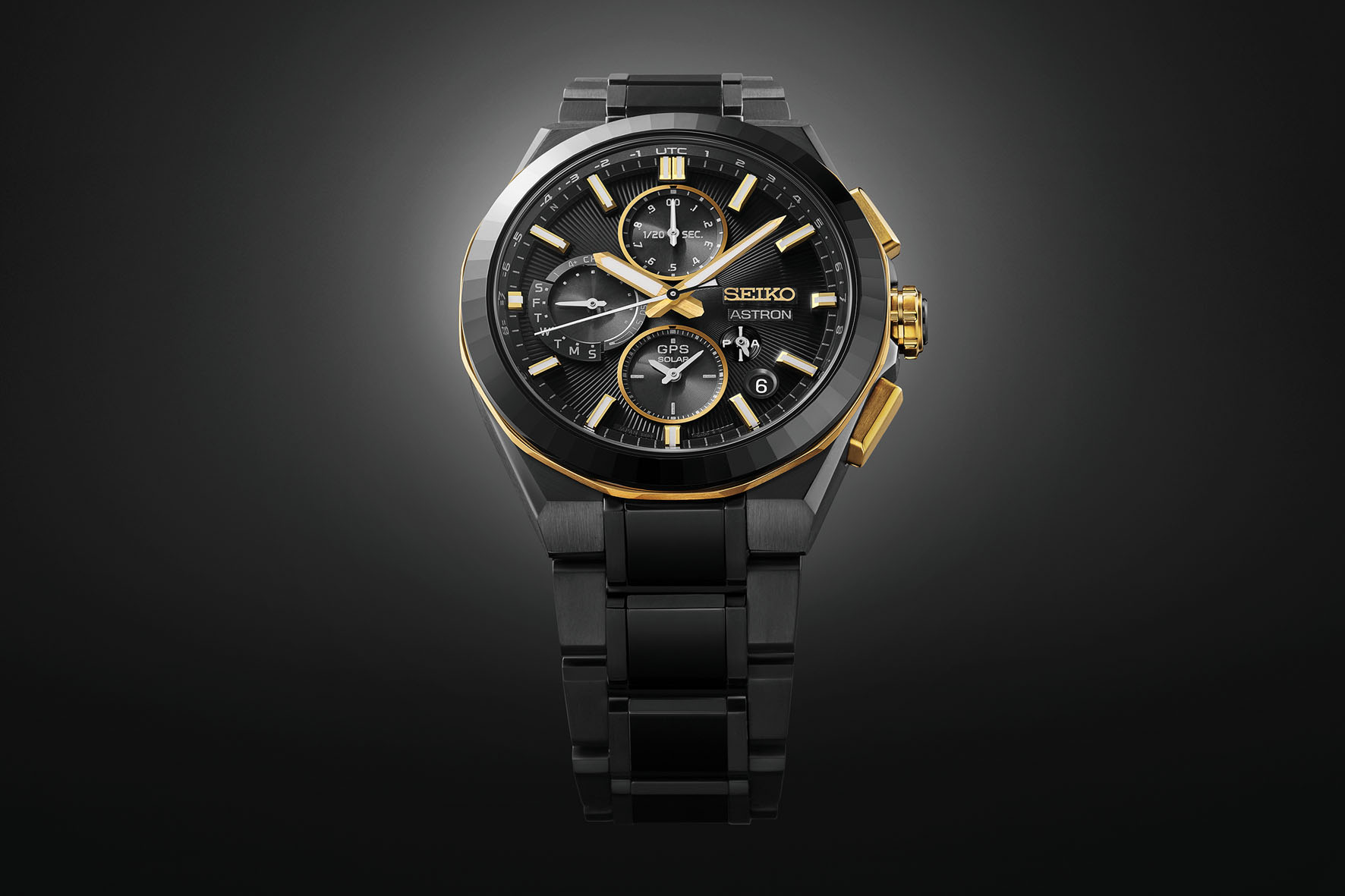
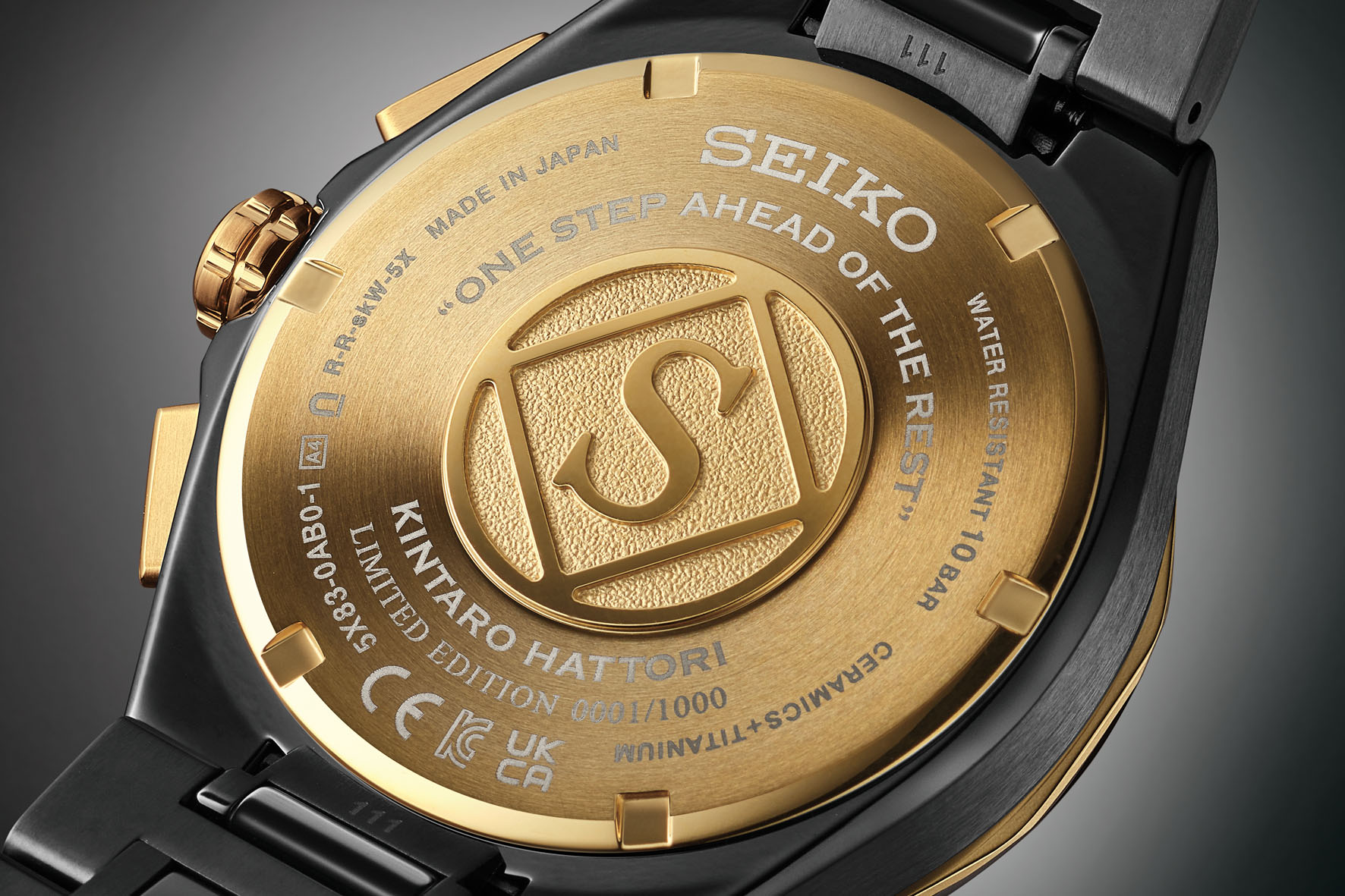
2024 was a special year, marking the 100th anniversary of the Seiko brand. The Astron collection was no exception to the celebrations. Among the various launches that characterised this period, we highlight two. The first included the usual three non-limited-edition watches accompanied by a limited-edition reference, all with titanium cases and solar-powered Calibre 5X83. With the second launch, the Astron GPS Solar introduced the combination of Dual-Time technology with the chronograph function for the first time. Again, three non-limited models were presented, along with a more precious version, in which the yellow-gold case back bore the name of Kintaro Hattori, the “S” mark—registered in 1900 as the symbol of the Seikosha factory—and the phrase that sums up his philosophy.
THE ASTRON GPS SOLAR DUAL-TIME OF 2025
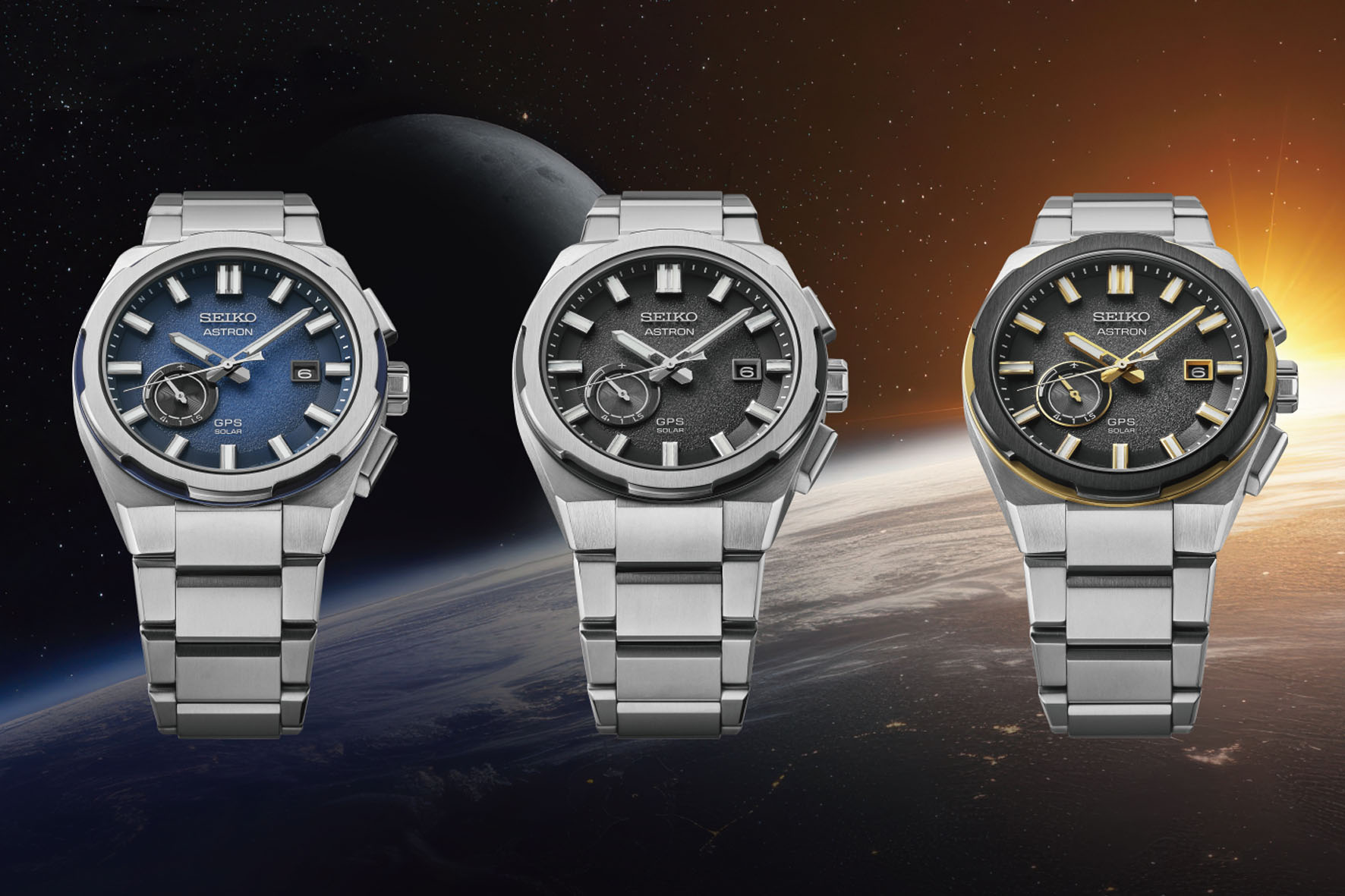
The 2025 references continue in the vein of innovation typical of the Astron GPS collection, in both launches of the year. The first releases concern three timepieces, none of which are limited editions and all powered by the Calibre 3X62 GPS Solar. In addition to technological innovations, stylistic details also distinguish these watches from previous models. The dials of the new Seiko Astron GPS Solar watches – blue, dark grey and anthracite – feature a pattern reminiscent of fine-grained sand, evoking the surface of distant planets. In addition, each one is equipped with a two-level bezel, combining two different metals, aluminium and titanium. The lower layer, visible through six incisions on the upper part, adds a dynamic touch to the watch. The advanced design of the case integrates with that of the bevelled titanium bracelet.
The most recent launch features four new Astron GPS Solar Dual-Time Chronographs with Calibre 5X83, an expression of Seiko’s most advanced watchmaking engineering, equipped with a titanium bezel with a sapphire glass insert. The grey-blue, grey and black dials and colour contrasts distinguish the three watches in the current collection. The usual limited edition stands out for its rose-gold accents that embellish the hour markers, bezel and other details, while the midnight blue dial adds depth and sophistication to the watch.

So, while the traditional Seiko Astron was initially intended for professionals who travel around the world, over time and in response to the rapid changes in lifestyle that have taken place over the years, the target audience has evolved with each new collection. Seiko Astron is now a watch aimed at a generation of leaders who identify with its bold design and cutting-edge technology. The collection has been modern since its launch in 2012, and even its 1969 predecessor changed the world of watchmaking forever.
By Davide Passoni