

It was in 1881 that, in Japan, 21-year-old Kintaro Hattori – a young man with an entrepreneurial vision unusual for the time – founded a company that would go on to shape the history of watchmaking: Seiko. In 2026, the Japanese brand will celebrate its 145th anniversary and, since its inception, it has pursued a mission that goes beyond the boundaries of time measurement, redefining the way we conceive watches. From the first calibres for pocket watches to revolutionary quartz movements, Seiko has consistently set new standards of precision and craftsmanship, evolving from a simple workshop into a global leader.
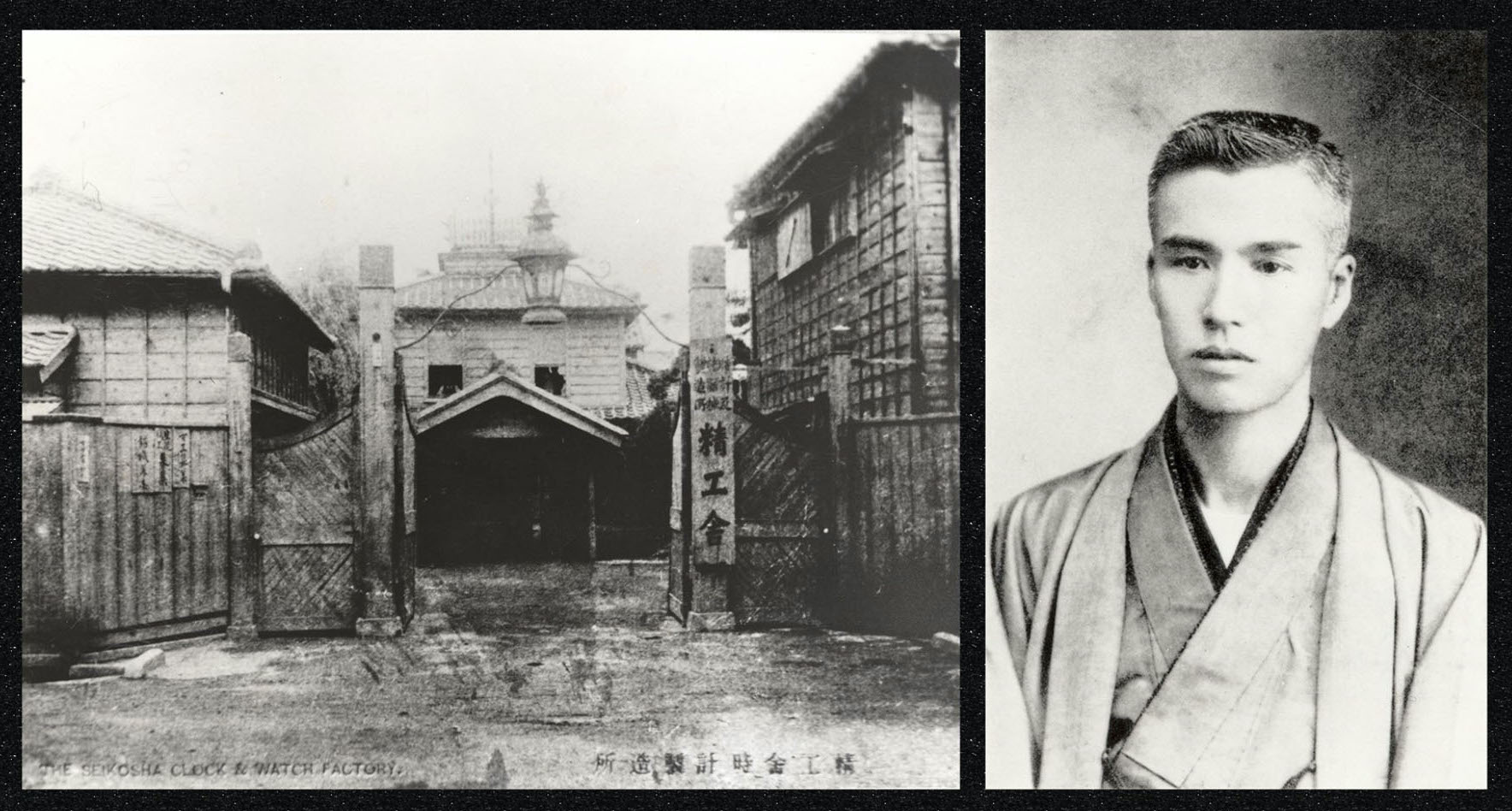
FROM SEIKOSHA TO SEIKO
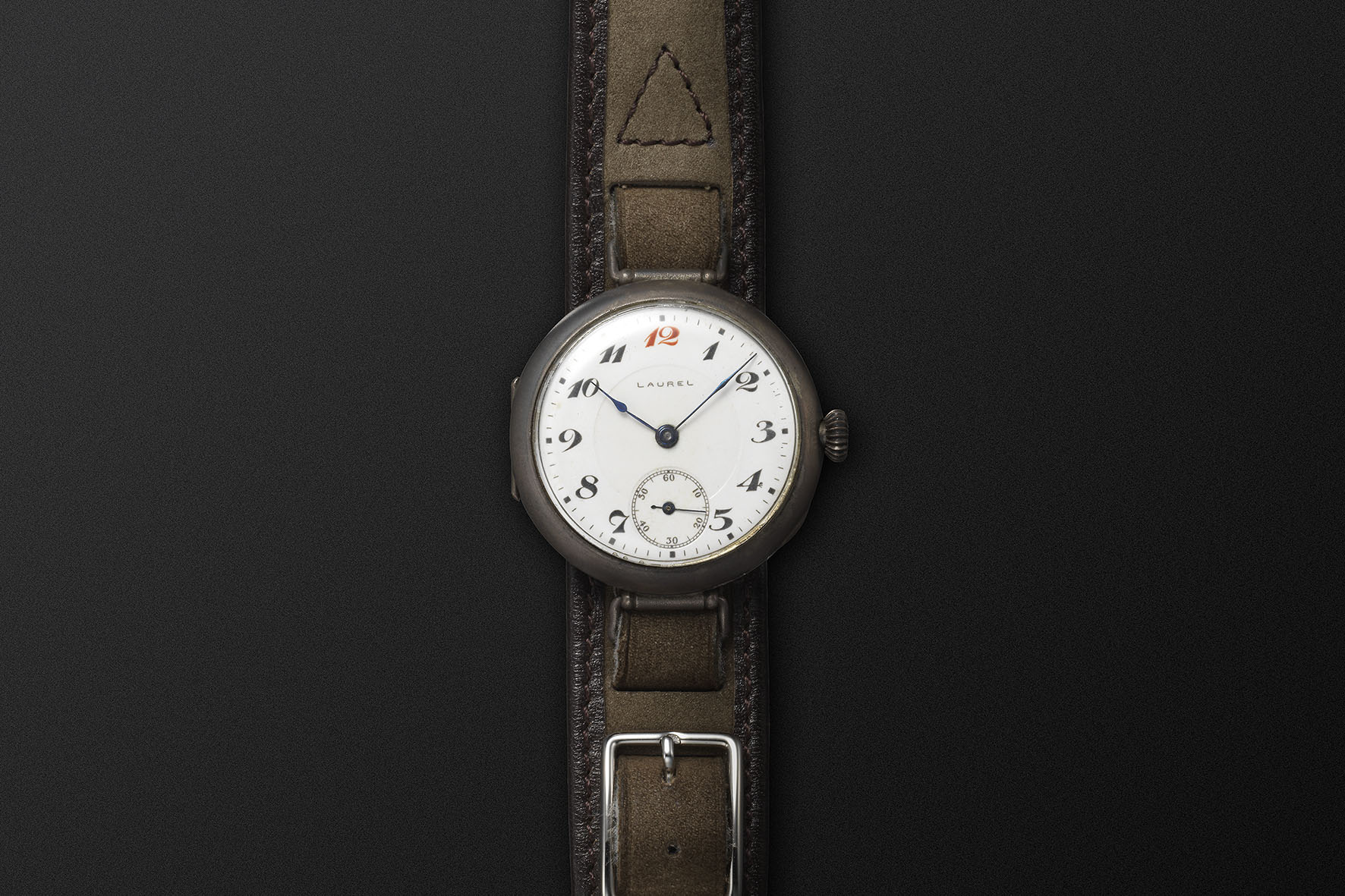
Kintaro Hattori opened his first shop in Tokyo, selling and repairing wristwatches and wall clocks. His ambition was to create the first Japanese wristwatch. In the 1890s, the company began producing wall clocks and pocket watches at the Seikosha factory, whose name meant “house of precision” or “house of success.” The Japanese word Seiko, embodying the concepts of success, refinement, and precision, became a manifesto of Hattori’s determination never to compromise on the principles of excellence. Guided by this vision, an iron will, and unwavering confidence in his work, Hattori realised his dream in 1913 with the creation of the first Japanese wristwatch: the Seiko Laurel.
In 1923, after the original factory was destroyed by the Great Kantō Earthquake, it was rebuilt the following year—an event that marked the beginning of a new era for Seiko, focused on the production of watches and precision instruments. During the Second World War, the company received orders from the Japanese Army and Navy to supply technical timepieces. Hattori responded by increasing production from 1937 onwards, thanks to new factories and industrial assembly lines. Seiko thus developed a wide range of models, including ship’s clocks, military instruments, and chronographs for naval and submarine forces.
SEIKO FROM THE 1950s TO THE QUARTZ REVOLUTION
After the war, only one of Seiko’s eleven factories had survived the Allied bombings. By the end of the 1950s, the company benefited from Japan’s national reconstruction efforts, which initially focused on heavy industry. It was a period of intense work, during which the priority for Japanese industry – and for Seiko – was to start again from scratch. Thanks to its skilled workforce and the experience gained before and during the war, Seiko recovered quickly, focusing on mass production and optimising industrial processes. This approach fuelled a new phase of innovation centred on precisionand high quality.
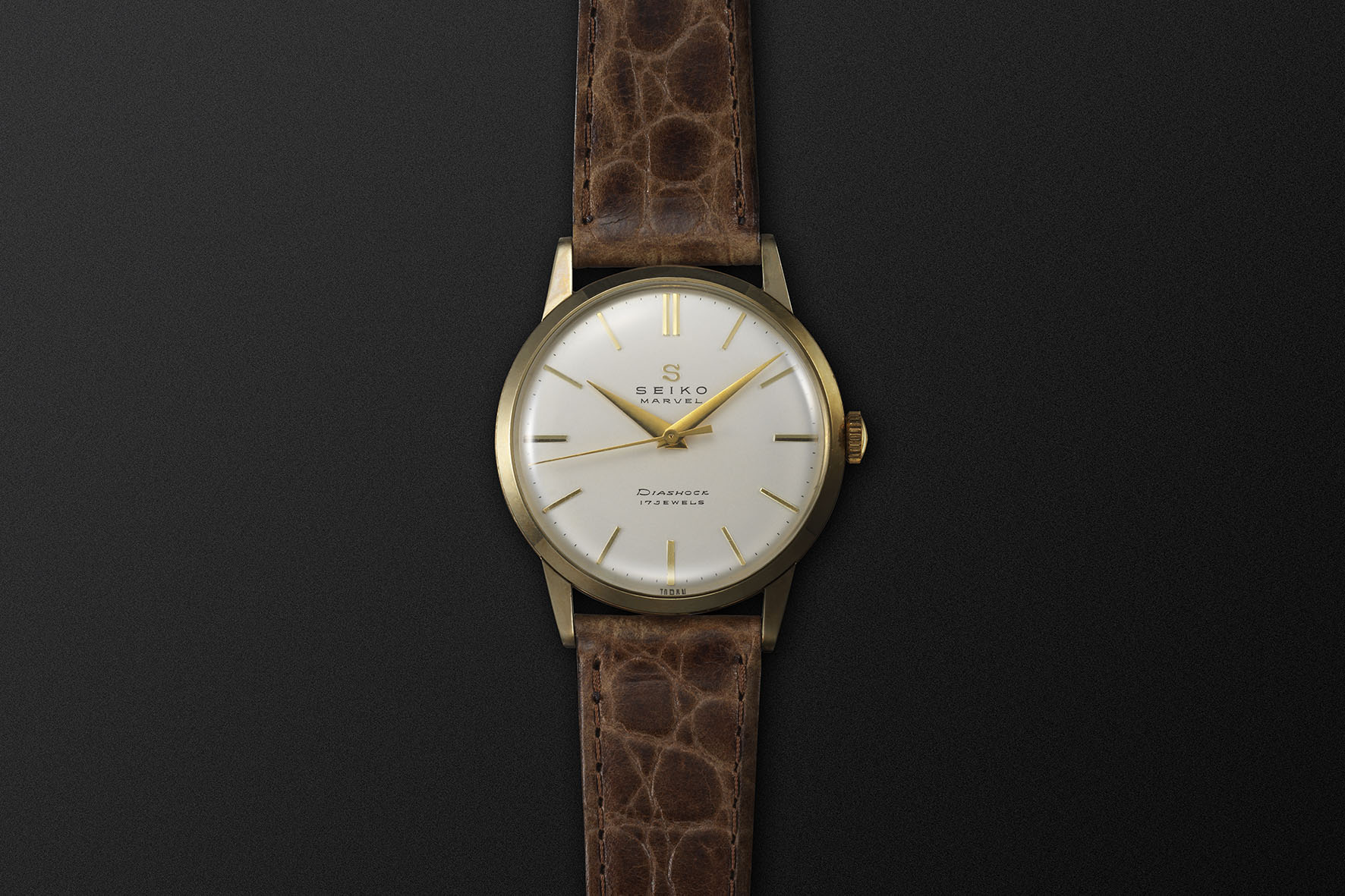
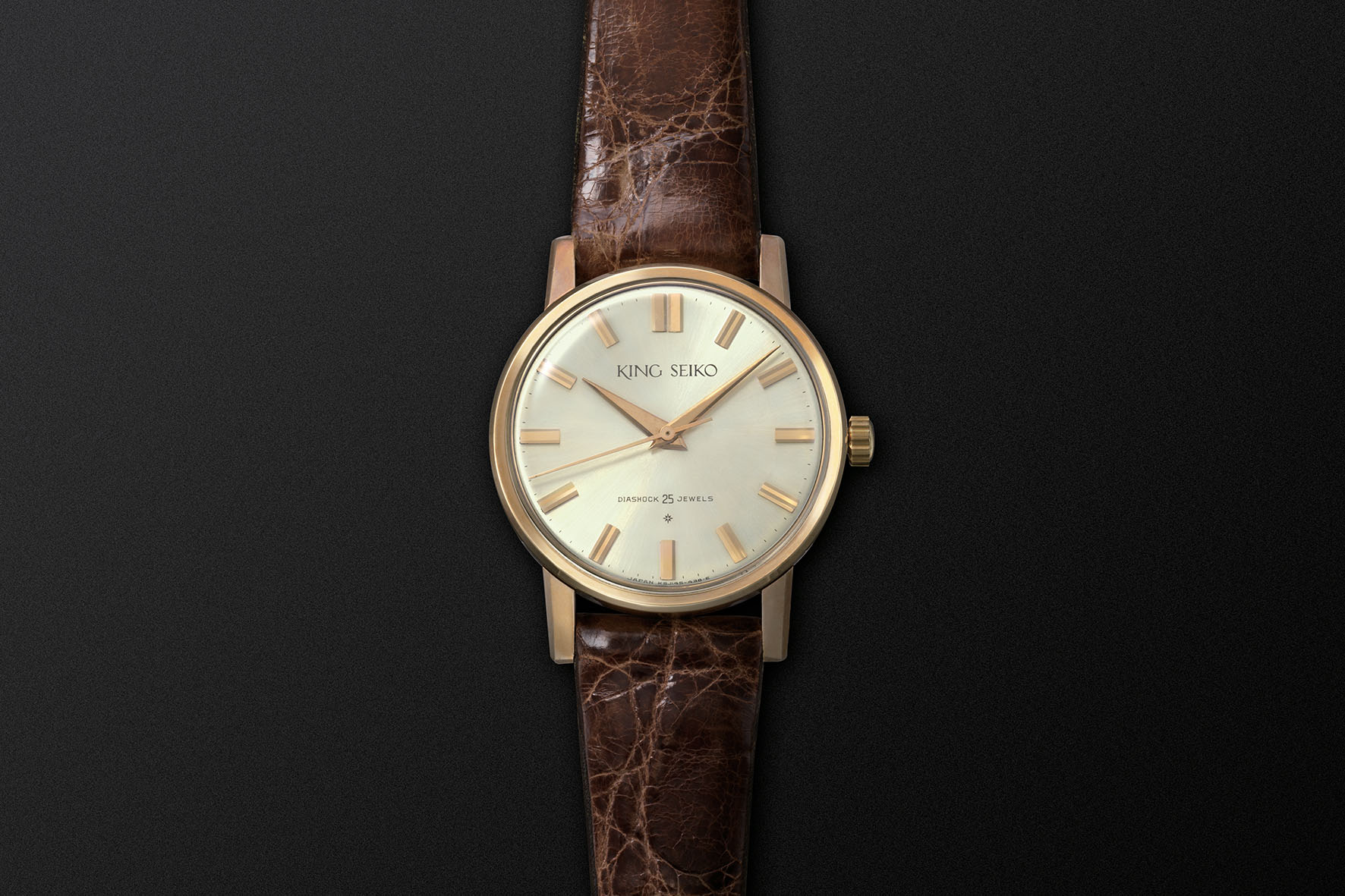
It was in the mid-20th century that Seiko began producing a series of innovative watches that laid the foundations for its future. The Seiko Super was launched in the early 1950s, later evolving into the Seiko Marvel. In 1960, the first Grand Seiko was introduced, followed by the King Seiko and Lord Matic lines. By the early 1970s, Seiko had established itself as a leading player – if not a pioneer – in the quartz revolution, which would go on to transform watchmaking in ways no one could have foreseen. Seiko’s innovations left an indelible mark, building a lasting legacy within the industry. From quartz wristwatches to automatic movements, from materials research to collaborations with designers and the consolidation of its brand identity, Seiko stood at the forefront of this revolutionary era.
In the late 1950s, Seiko set out to develop watches that were more accurate than conventional mechanical models. This goal became even more central following the introduction of tuning-fork watches, which used vibrations generated by a battery-powered metal tuning fork as their signal source. Along this path of innovation, the company focused on perfecting time measurement through the use of a quartz oscillator. It was a long journey that, through numerous stages, countless prototypes, and constant technological progress, led to the commercial launch of the first quartz wall clock in 1968 and, the following year, the Quartz Astron 35SQ – destined to become the world’s first commercially available quartz wristwatch. This success was made possible by Kintaro Hattori’s philosophy, which the company continues to uphold: “Always one step ahead of the rest.”
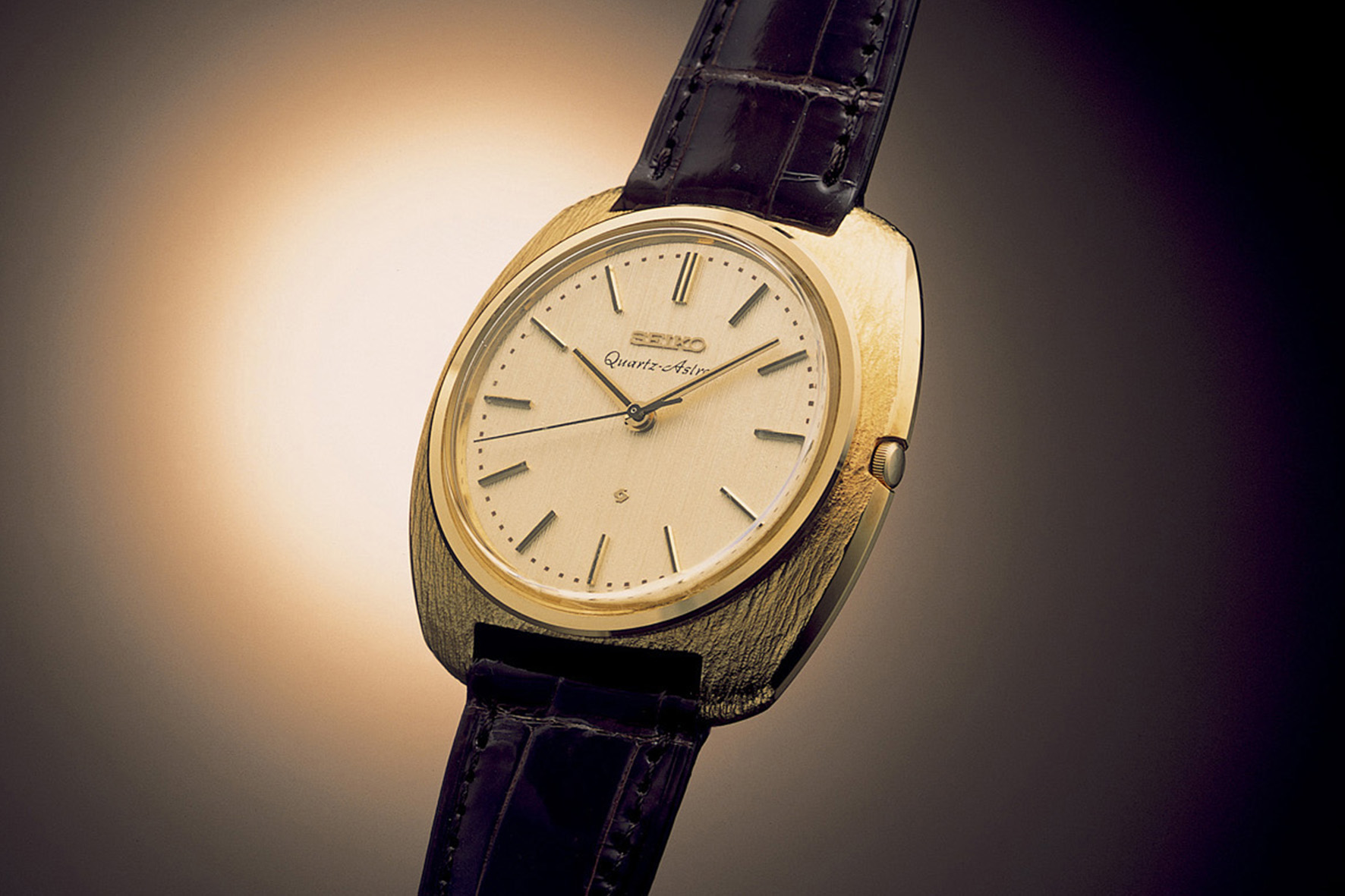
This innovation not only transformed the way watches were powered, but also brought significant advantages in terms of accuracy and reliability, as quartz timepieces keep time with greater consistency than mechanical models. Unsurprisingly, Seiko’s sales increased substantially, with customers drawn to products offering unprecedented convenience and performance. While remaining faithful to the heart of mechanical watchmaking, the quartz revolution marked a decisive milestone in the company’s history. Thanks to technological advances and meticulous attention to detail at every stage—from product development to marketing—Seiko became even more synonymous with excellence on the global stage.
CUTTING-EDGE TECHNOLOGIES
The subsequent introduction of hybrid technologies allowed Seiko to combine mechanical and electronic components within a single movement, further increasing accuracy without compromising robustness or reliability. Innovations in materials then made it possible to produce lighter watches with superior durability and greater resistance to water and shocks. Further breakthroughs – such as the development of radio-controlled watches, which rely on signals from atomic clocks, and timepieces capable of receiving signals from GPS satellites, such as the new Astron launched in 2012 – ensured precise timekeeping without the need for manual intervention or complex adjustments.
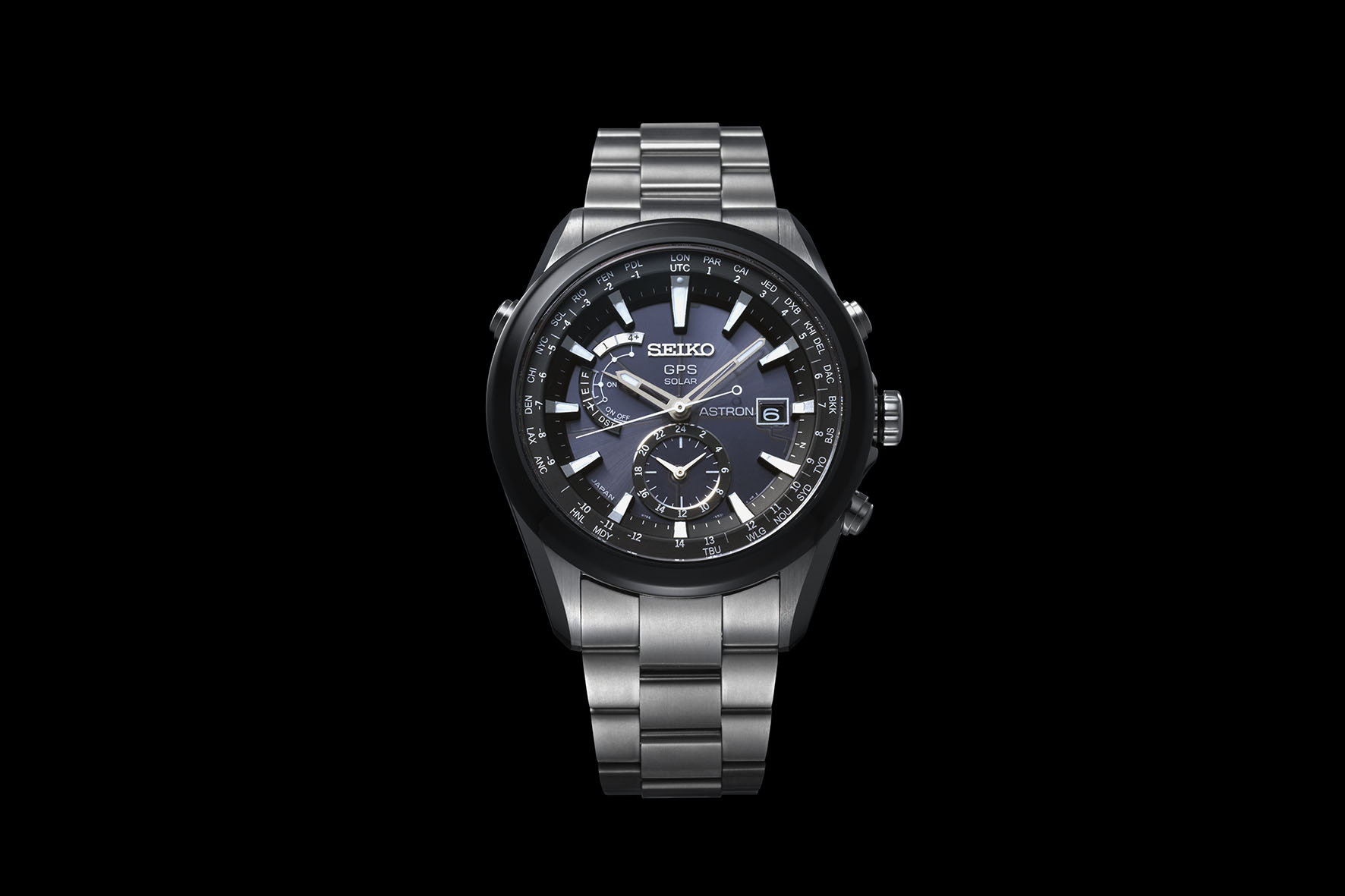
By combining traditional craftsmanship with modern technology, Seiko has designed innovative and refined watches throughout its 145-year history. This approach has enabled the company to capture the attention of consumers and enthusiasts worldwide. Seiko’s successful global expansion has also been strengthened by its commitment to sustainable manufacturing practices and corporate social responsibility initiatives. Through the use of advanced technologies, the brand aims to reduce energy consumption and minimise waste.
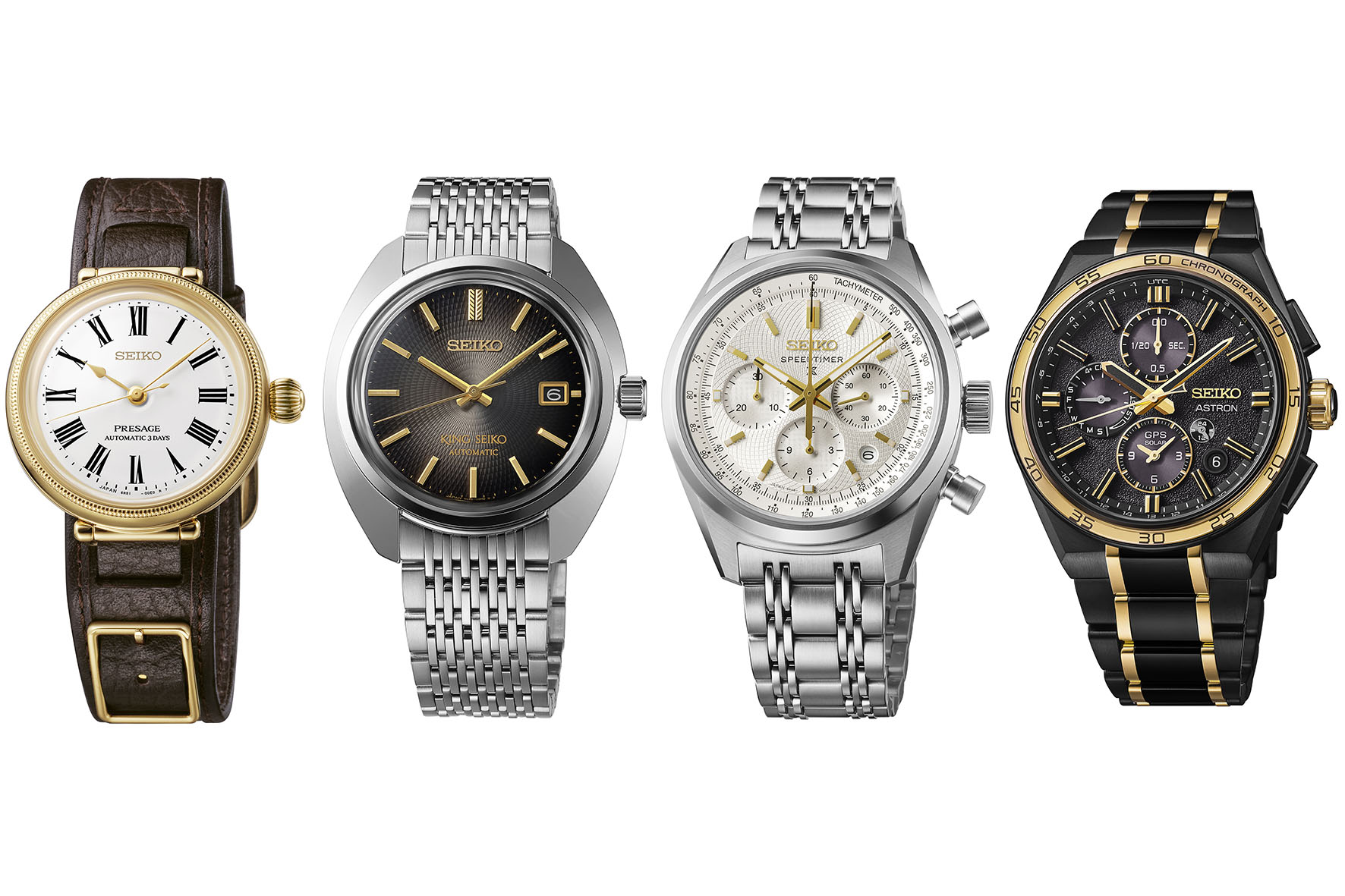
Today, Seiko continues to stand out as a leader in innovation and sustainability within the watchmaking industry. Drawing on Japanese culture and emphasising both craftsmanship and technological excellence, the company remains faithful to the high standards it has upheld over its 145-year history, celebrating this anniversary with what it does best: four exclusive limited-edition models created for the occasion.
SPEEDTIMER MECHANICAL CHRONOGRAPH 145° ANNIVERSARY LE
The Speedtimer Mechanical Chronograph 145th Anniversary LE is a mechanical chronograph from the Prospex collection that blends classic colours with patterns inspired by Kintaro Hattori’s vision. It features a sporty flow-type case and a multi-row bracelet reminiscent of the Panda chronograph launched by Seiko in 1972. Made from scratch-resistant steel and water-resistant to 10 bar, the case measures 42 mm in diameter and 14.59 mm in thickness – 0.5 mm slimmer than the previous model equipped with the 8R46 calibre – thanks to a redesigned 3-degree angle that reduces overall thickness.
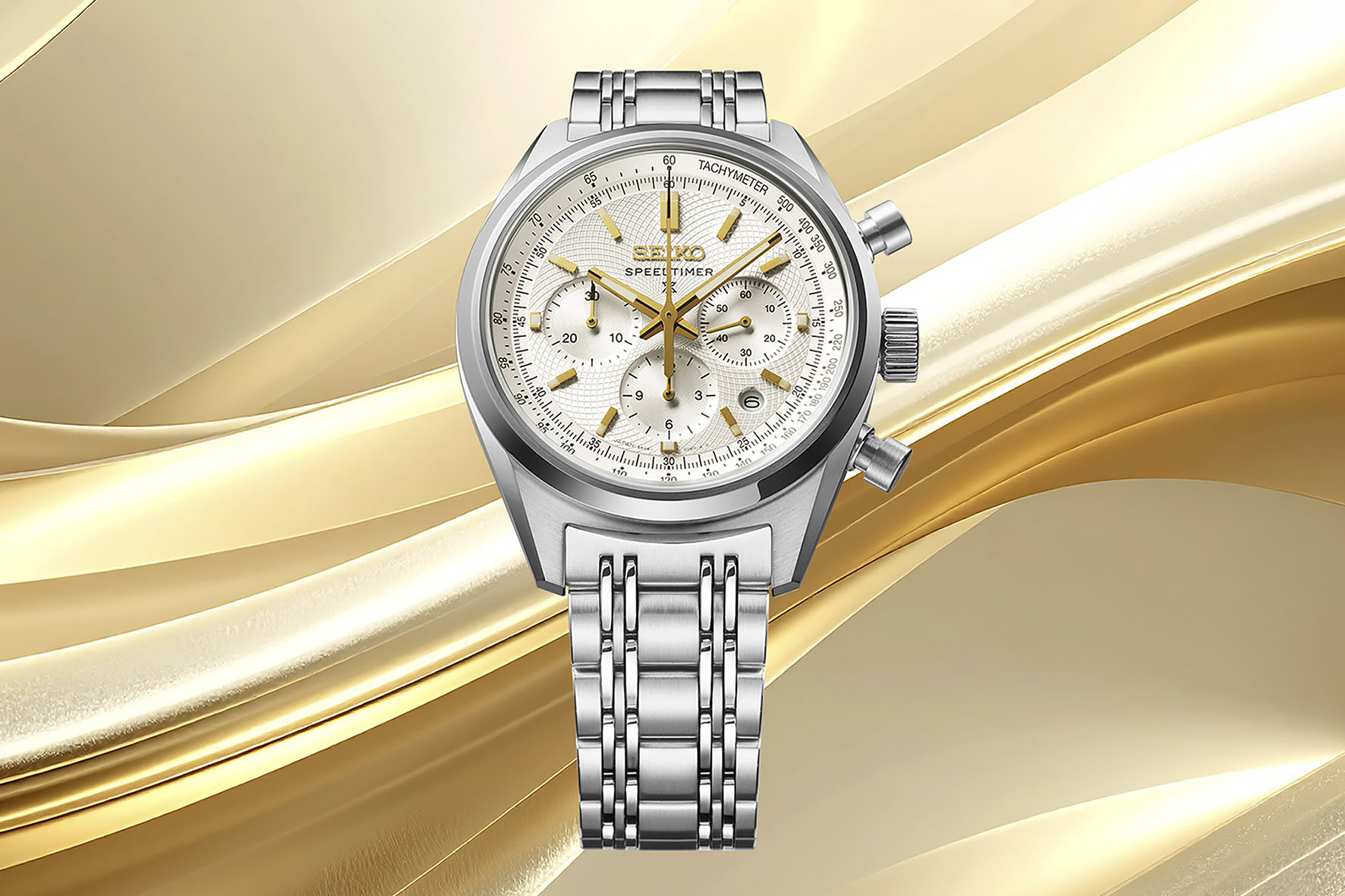
Inside beats the Calibre 8R48, an automatic chronograph movement equipped with a vertical clutch and column wheel, operating at 28,800 vibrations per hour and offering an accuracy of +25/–15 seconds per day with a 45-hour power reserve. The dial is decorated with the traditional nanako motif, a pattern of small hand-engraved dots reminiscent of fish eggs and inspired by the first pocket watches produced by Seikosha. The gold accents on the monochrome dial traditionally symbolise trust. This Speedtimer is produced in a limited edition of 700 pieces and is priced at €. 2,700.
KING SEIKO KS1969 145° ANNIVERSARY LE
The King Seiko KS1969 145th Anniversary LE is a refined model that embodies the pioneering spirit of Kintaro Hattori and is further enhanced by elegant gold accents inspired by the novel Golden Time, dedicated to the life of Seiko’s founder. The monochrome dial features a grey-brown tone that evokes the “cornerstone” from which Japanese watchmaking originated and is enriched by the nanakodecoration. The index at 12 o’clock, crafted with an arrowhead-inspired motif, is a distinctive Seiko detail symbolising the company’s path toward the future, its vision, and its ambition.
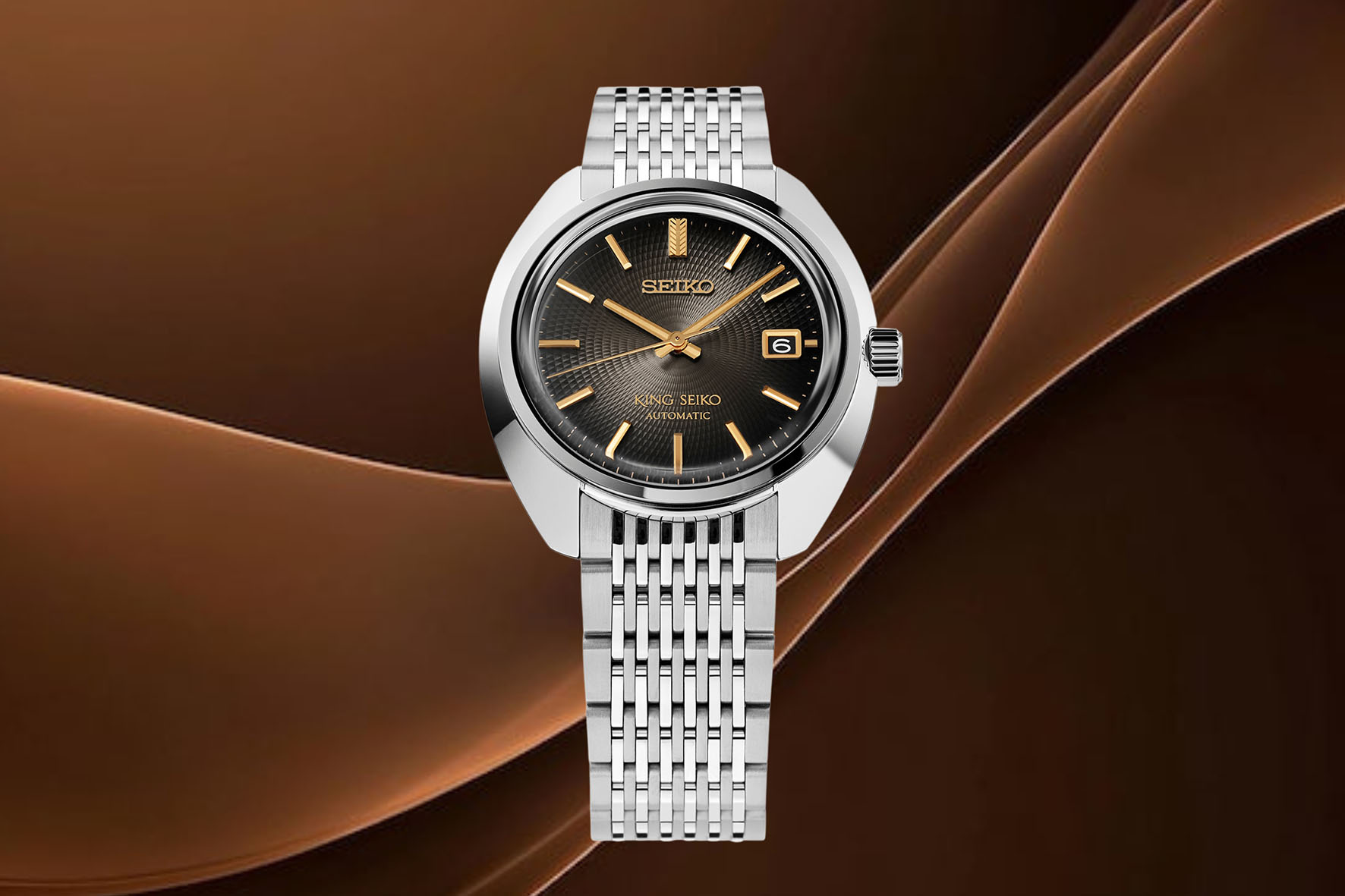
The steel case, characterised by a particularly curved silhouette, measures 39.4 mm in diameter and 9.91 mm in thickness. Its lines are designed to sit comfortably on the wrist while highlighting the slim profile of the automatic Calibre 6L35, a time-and-date movement operating at 28,800 vibrations per hour with a 45-hour power reserve. The case clearly echoes the cushion shape of the 45KCM launched in 1969, one of Seiko’s most influential designs of the 1960s. Taken from the KS1969 line in the brand’s current King Seiko collection, the cushion-shaped case is enhanced here by a satin finish that contrasts with the polished bezel, accentuating its enveloping design. The steel bracelet offers excellent comfort, while the box-shaped sapphire crystal features an anti-reflective coating on the inner surface. This King Seiko is produced in a limited edition of 800 pieces and is priced at €. 460.
PRESAGE 145° ANNIVERSARY LE
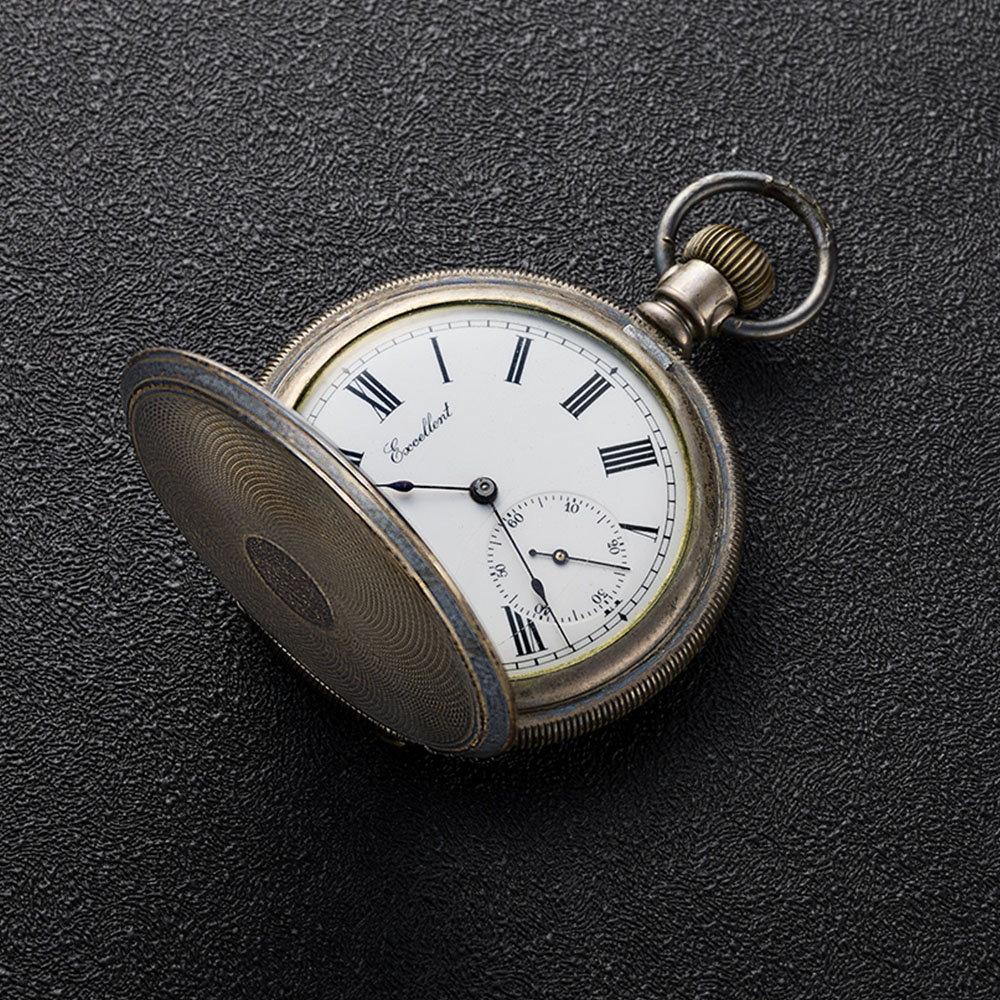
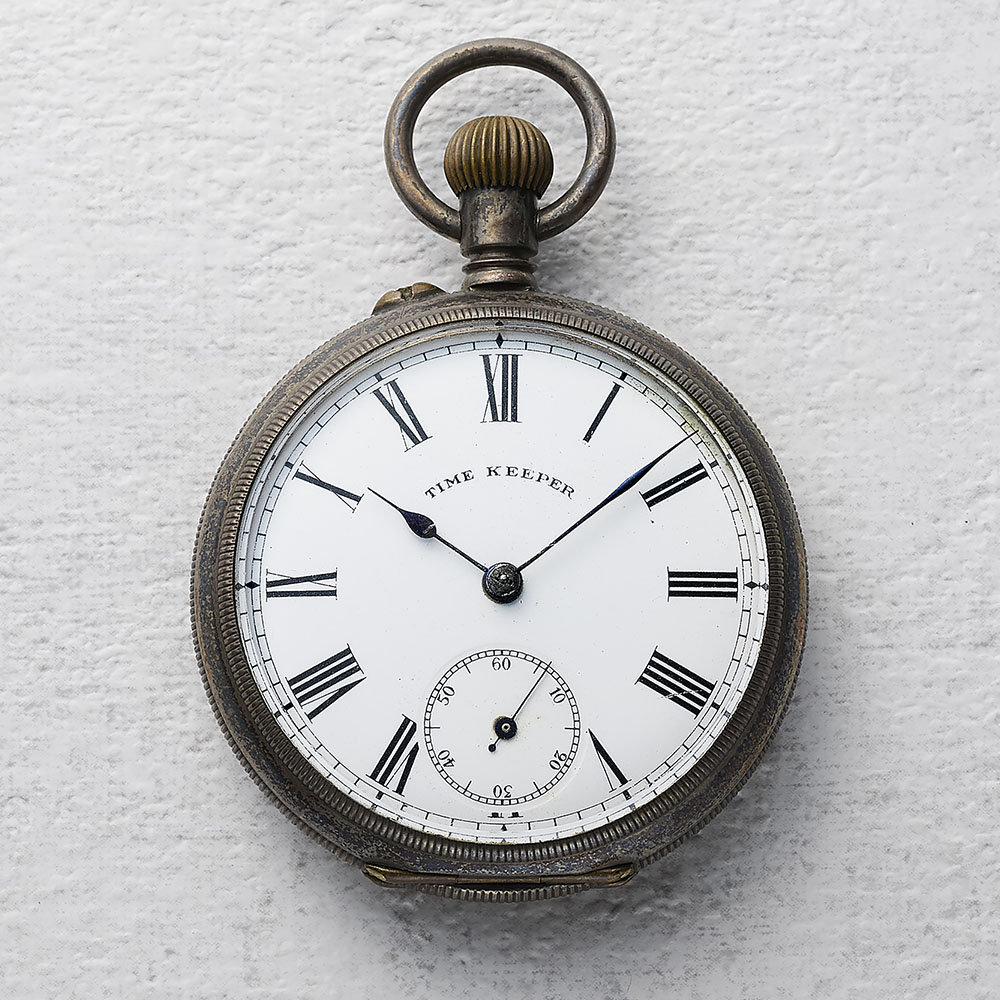
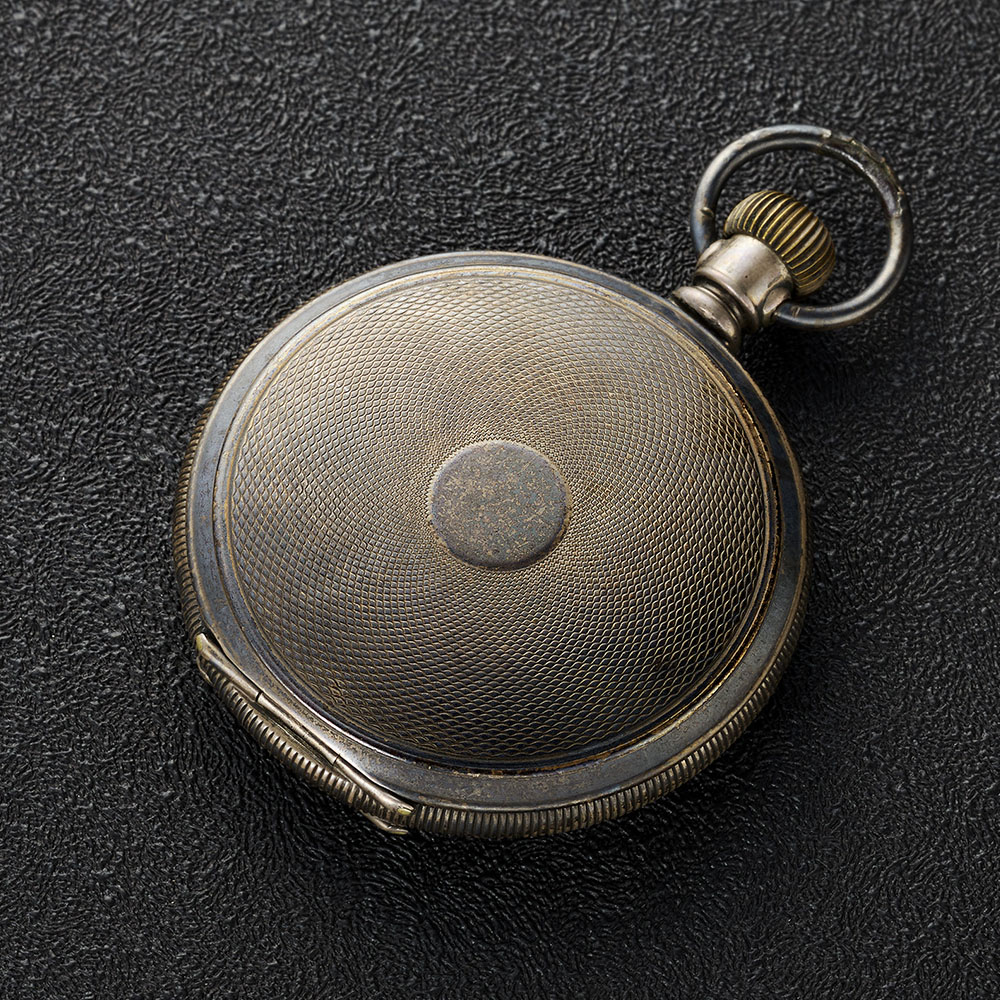
The commemorative Presage model is particularly precious. The Presage 145th Anniversary LE pays homage to the first Japanese pocket watch, The Timekeeper. That model—once the symbol of the ambitions of Kintaro Hattori and chief engineer Tsuruhiko Yoshikawa—is reinterpreted here as a wristwatch with a design that evokes the atmosphere of the era. The case, hands, and Seiko logo are gold-plated, while the upper surface of the bezel features knurling inspired by the Timekeeper. The retro style of the large onion crown adds a further vintage touch to the overall aesthetic.
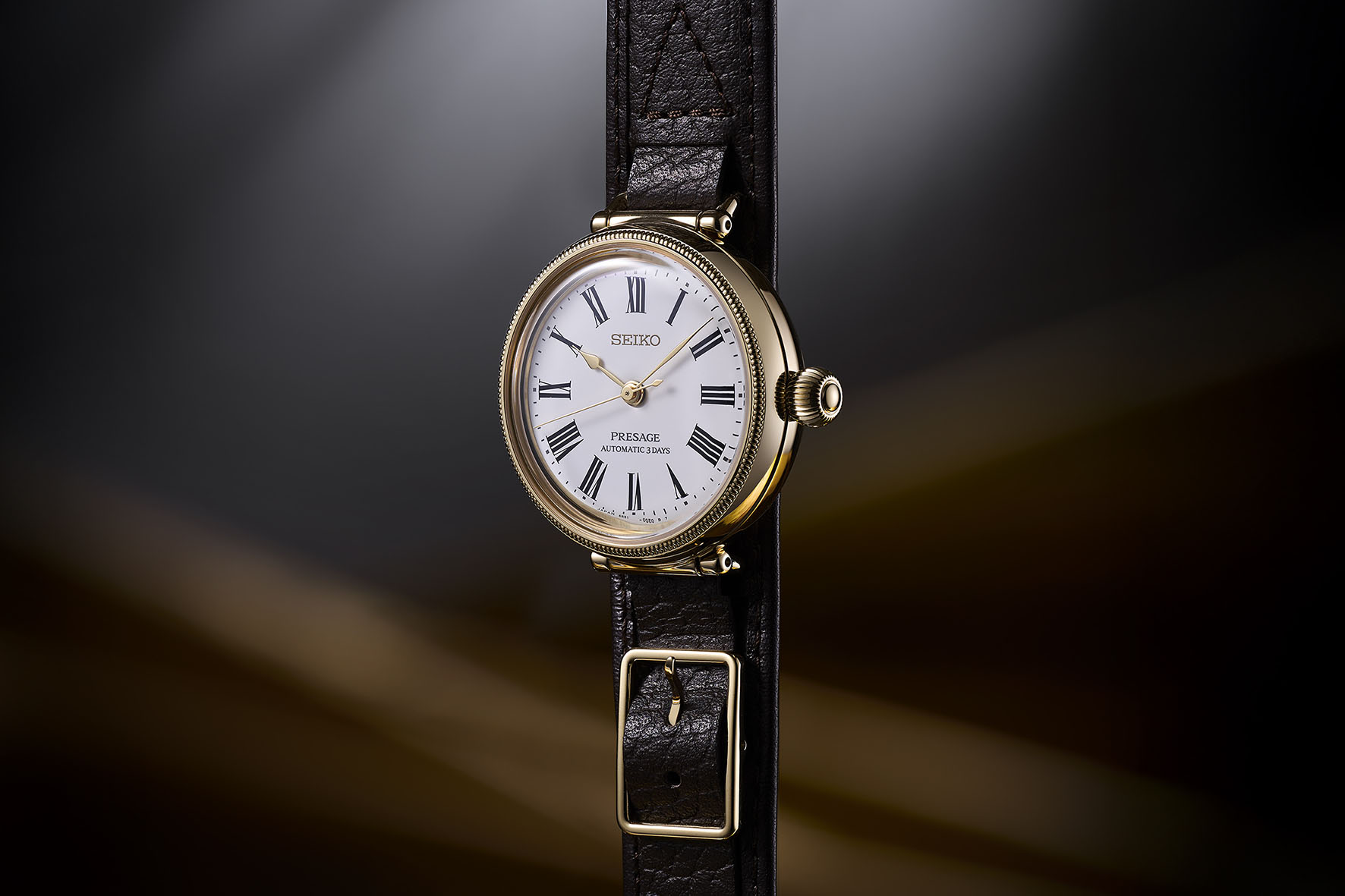
The white enamel dial is adorned with Roman numerals and Timekeeper-style hands, while the vintage character of the watch is reinforced by a brown calfskin strap made from leather sourced from a Leather Working Group (LWG)-certified tannery, widely regarded as the leading international sustainability standard in the leather industry. Powering the watch is the automatic Calibre 6R51, a time-only movement without date, beating at 21,600 vibrations per hour and offering a 72-hour power reserve. The Presage 145th Anniversary LE is produced in a limited edition of 1,450 pieces and is priced at €. 1,800.
ASTRON 145° ANNIVERSARY LE
The Astron 145th Anniversary LE completes the series of commemorative models. For this watch, Seiko has developed a unique graphic concept called “Eclipse,” referring to the birth of Seikosha as a solar eclipse: not an alignment of stars, but the perfect alignment of people, events, and vision. Inspired by this phenomenon, the design plays with gold accents and deep black tones, eliminating superfluous colours to create a cohesive black-and-gold palette. For the first time in the Astron collection, the bezel is fully gold-plated, while the bracelet combines black and gold elements. The dial features an asphalt-like texture inspired by the Moon obscuring the Sun, and the UTC indicators at 1, 4, and 5 o’clock are highlighted in gold to commemorate the 145th anniversary.
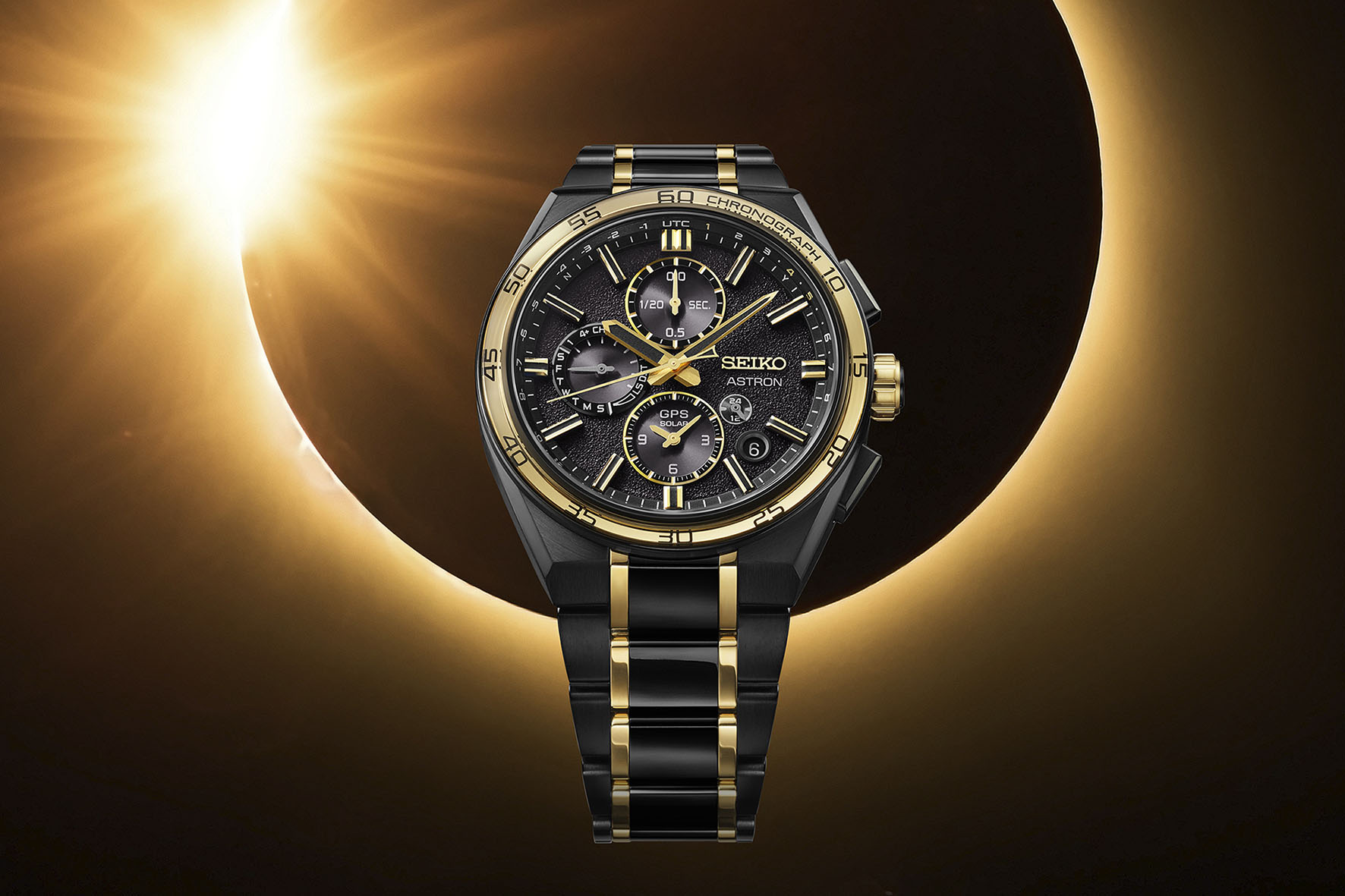
Powering the watch is the Calibre 5X83, a solar-powered quartz GPS movement featuring date display, dual time zone, a multifunction indicator at 9 o’clock for airplane mode control, chronograph, power reserve indicator, and manual time and time-zone adjustment with leap-second reception. It offers a power reserve of up to six months, extendable to 24 months in energy-saving mode. The case and bracelet are crafted from titanium with an extra-hard coating; the case measures 44.1 mm in diameter and 14.43 mm in thickness and is water-resistant to 10 bar. This model is produced in a limited edition of 1,450 pieces and is priced at €. 3,400.
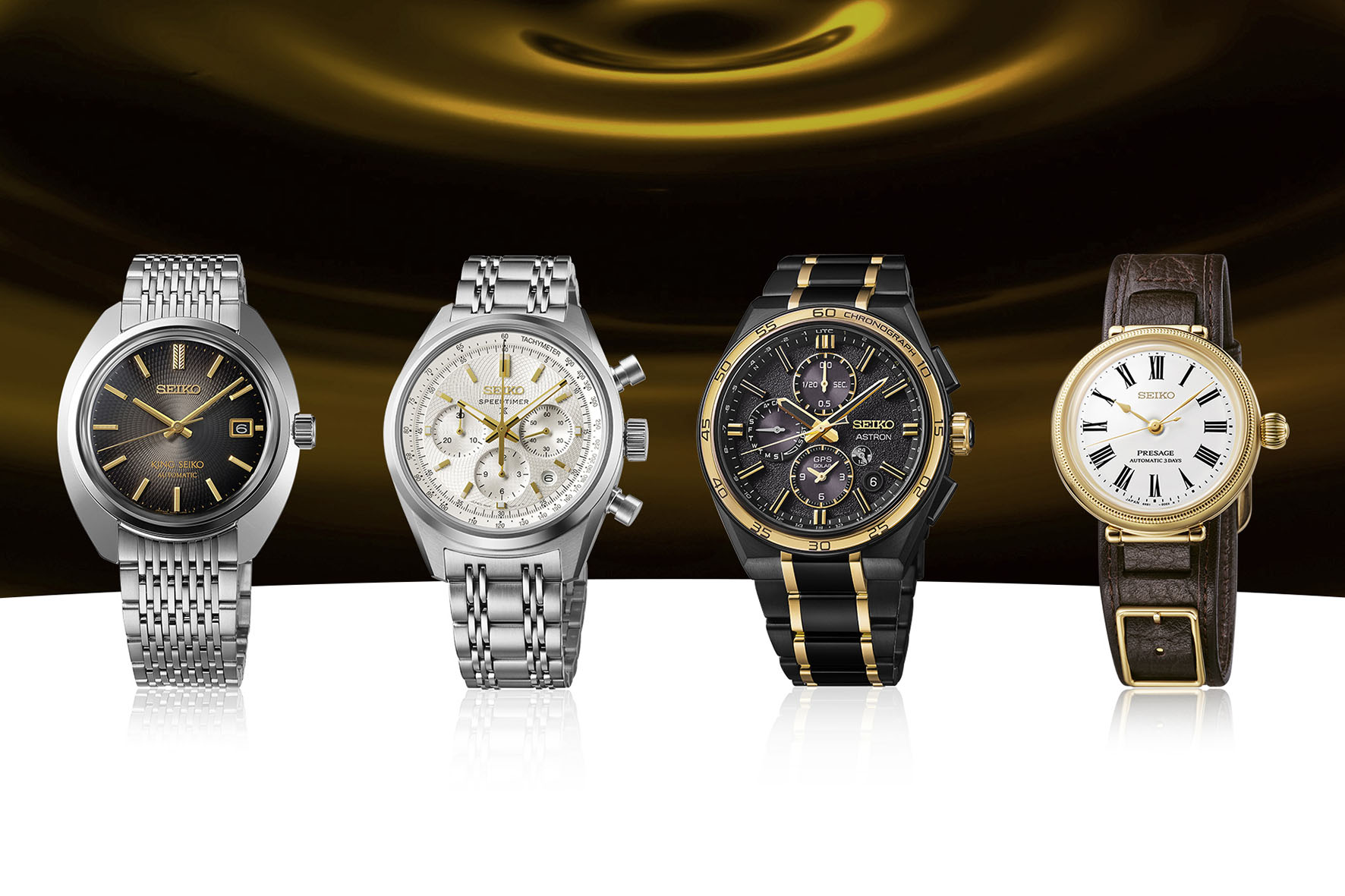
With these four models – each belonging to a collection that fully expresses Seiko’s philosophy – the manufacture officially kicks off its 145th anniversary celebrations. 2026 is already shaping up to be a year filled with new developments for the Japanese brand, with its vast community of enthusiasts around the world eagerly awaiting what will be unveiled throughout the year. We are confident there will be plenty to come, ensuring that Seiko remains “always one step ahead of the rest,” just as Kintaro Hattori envisioned.
By Davide Passoni