
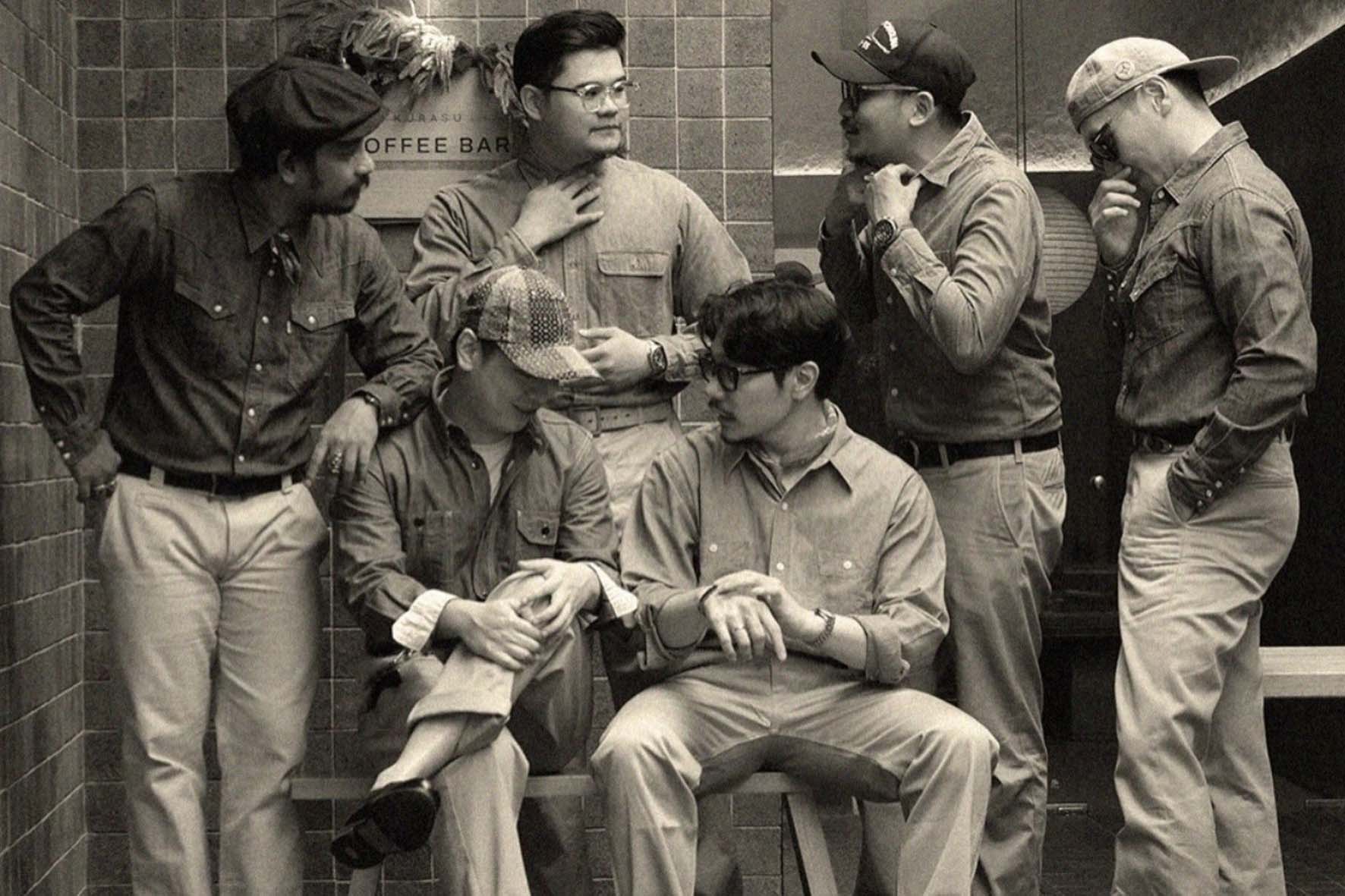

Ametora is defined by an obsession with detail. It is an aesthetic built on the quality of materials, archival research, and an almost scholarly respect for tradition. It goes beyond clothing—it’s a way of looking at objects. No, we are not talking about watches. Or at least not yet.
Before getting to timepieces, it is essential to understand what this cultural phenomenon truly is: born in Japan, yet deeply rooted in American culture. Ametora has influenced menswear, design, and collecting, evolving over time into a true aesthetic language. It is no coincidence that many watch enthusiasts identify with this philosophy: much like vintage watchmaking, Ametora is grounded in authenticity, balanced proportions, and respect for history. In both cases, the value lies not only in the object itself, but in the cultural depth behind it.
WHAT IS AMETORA
The term Ametora is the Japanese abbreviation of American Traditional and refers to a style that developed in Japan between the 1960s and 1980s, reinterpreting classic American casual clothing. At the heart of this aesthetic lies the Ivy League world, composed of navy blazers, Oxford button-down shirts, chino trousers, loafers, and essential knitwear. To this universe are added other elements of American culture such as denim, military clothing, and sportswear.
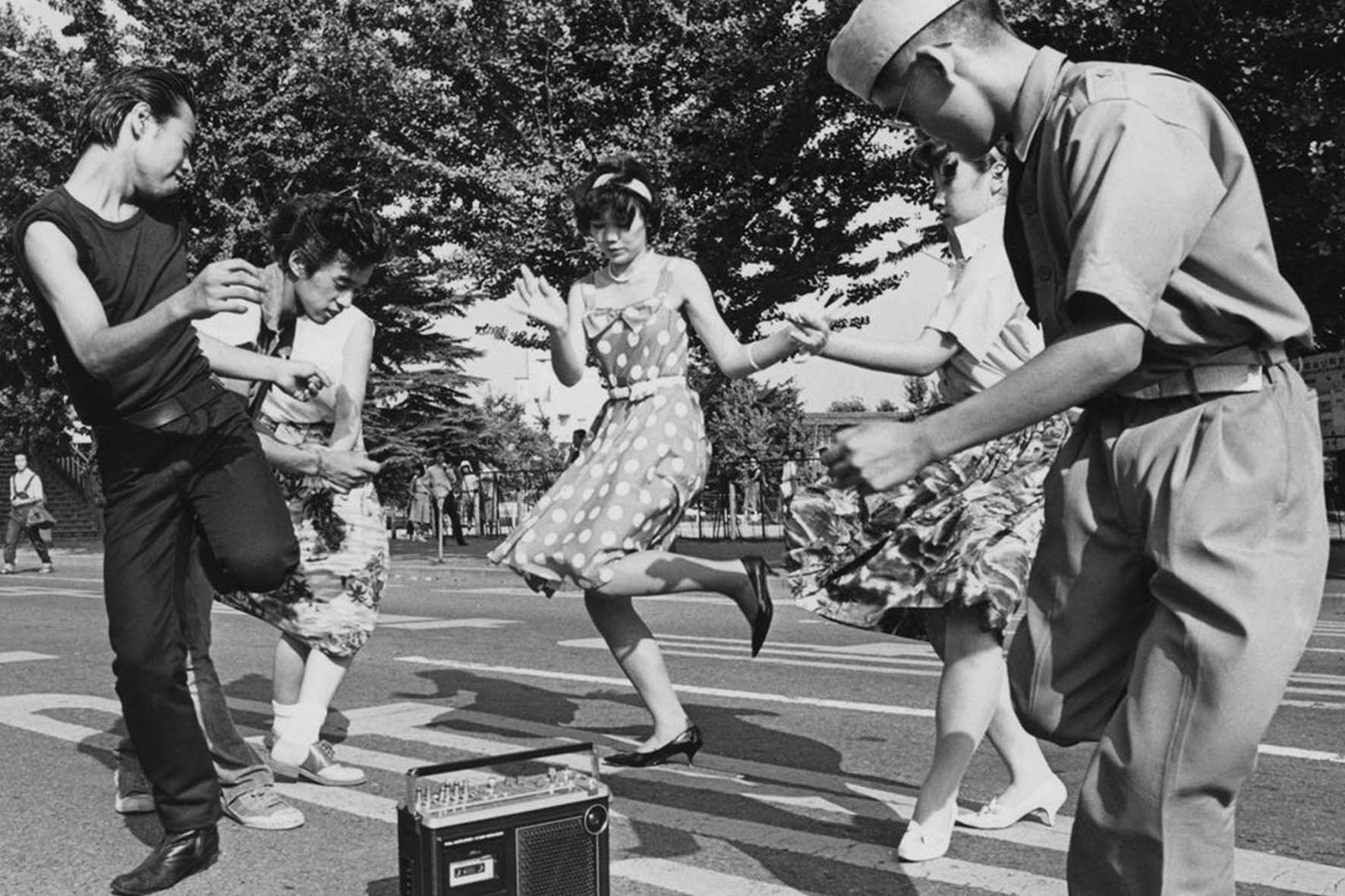
What truly makes Ametora unique, however, is the Japanese reinterpretation of these aesthetic codes. Garments are studied, analysed, and reproduced with near-archival precision, often surpassing the quality of the originals. Ametora is therefore not a simple imitation of American style, but a true cultural evolution built on historical research, attention to materials, and a deeply Japanese aesthetic sensibility.
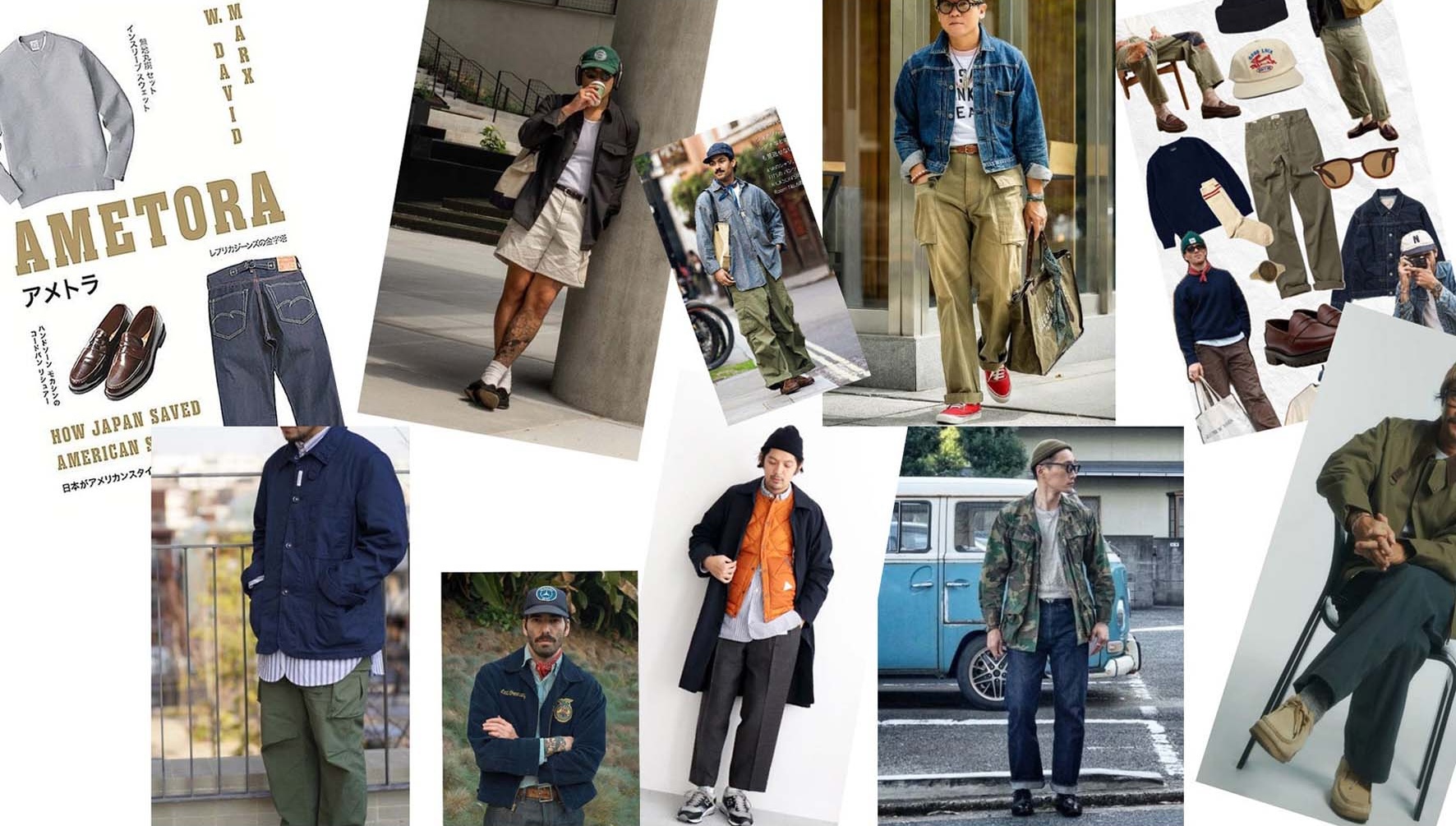
This interpretation of American style has also been explored in depth by fashion historian W. David Marx in the book Ametora: How Japan Saved American Style, considered one of the key references for understanding how Japan reinterpreted and preserved American Traditional aesthetics. According to Marx, it is precisely the Japanese obsession with detail and fidelity to originals that allowed many elements of American style to survive and evolve—often more coherently than in their country of origin.
THE ORIGINS: FROM AMERICA TO JAPAN
To understand the birth of this phenomenon, one must return to the end of World War II, when Japan was occupied by the United States between 1945 and 1952. During those years, American culture entered the country on a massive scale, deeply influencing younger generations. Many U.S. soldiers sold or traded their clothes in Tokyo’s black markets, including Levi’s 501 jeans, military uniforms, T-shirts, and American accessories, which quickly became objects of desire among Japanese youth.
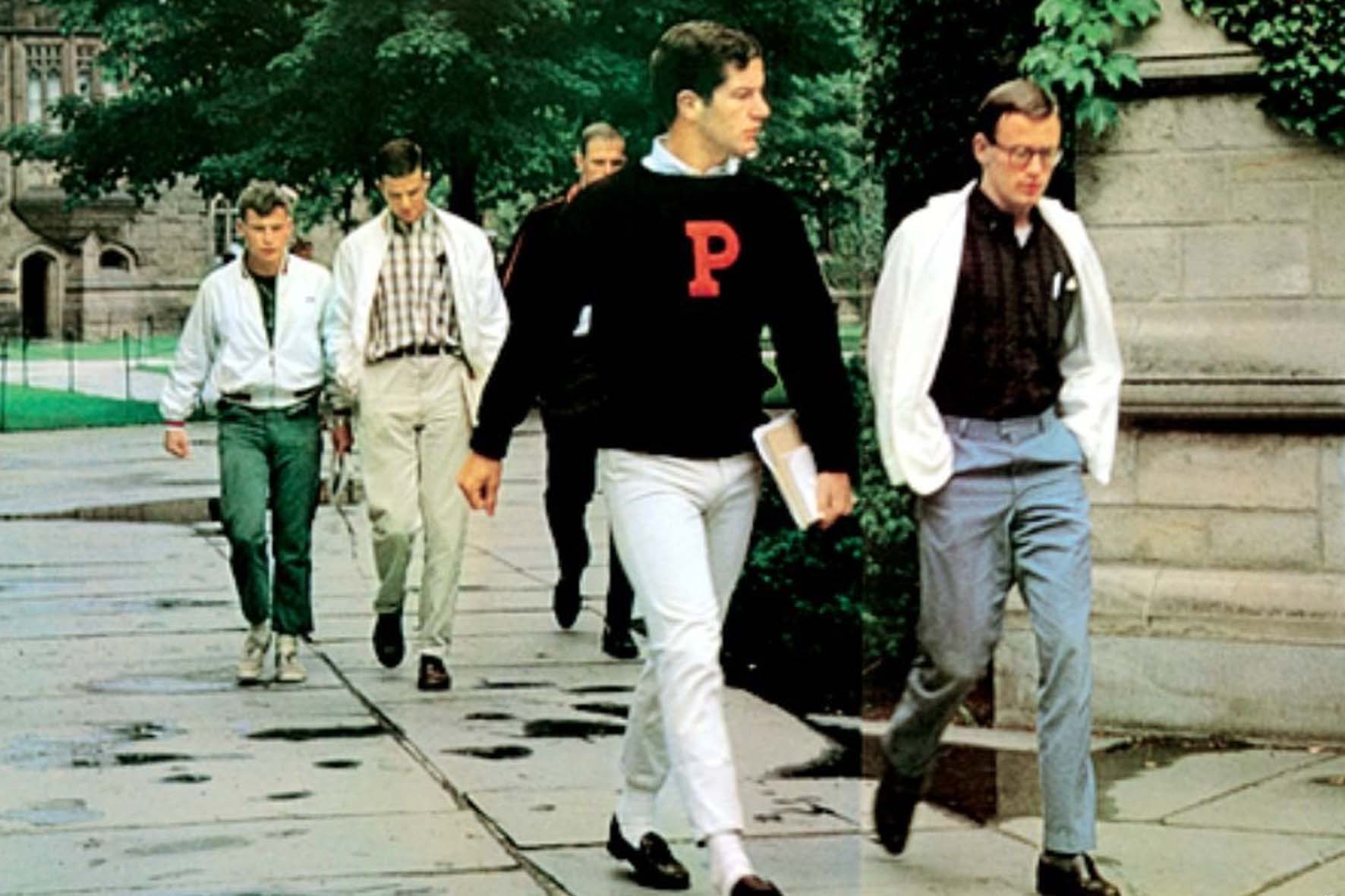
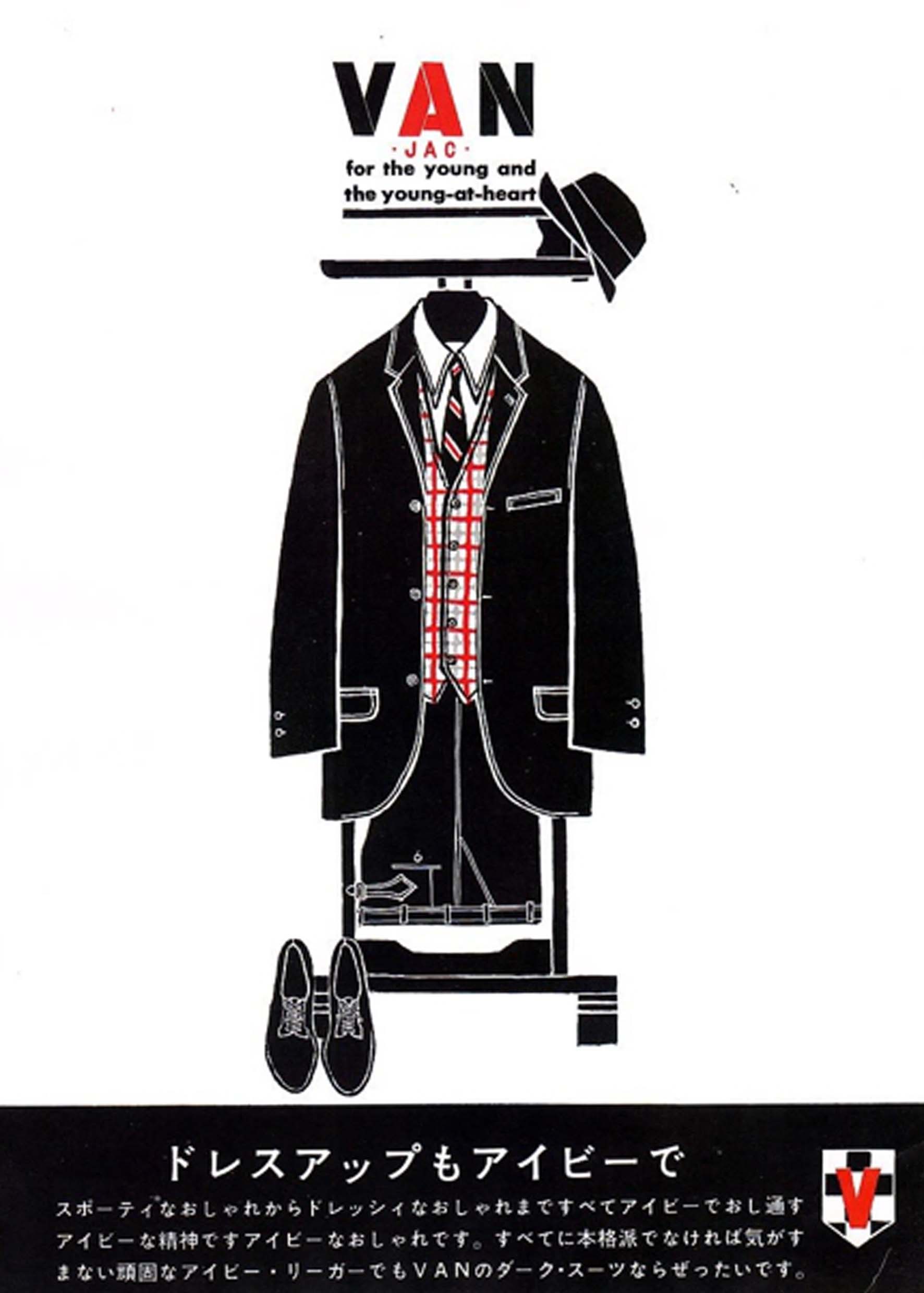
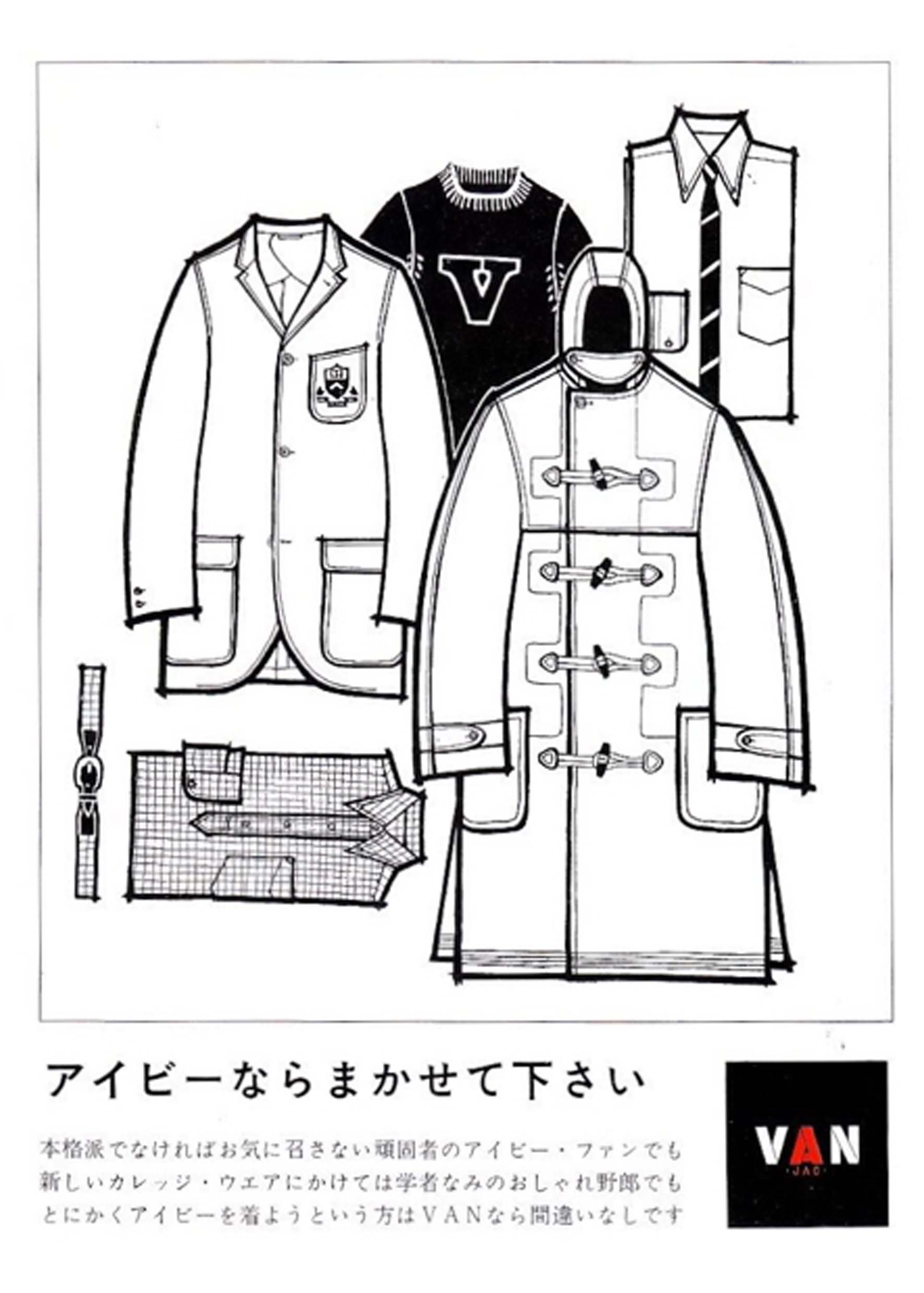
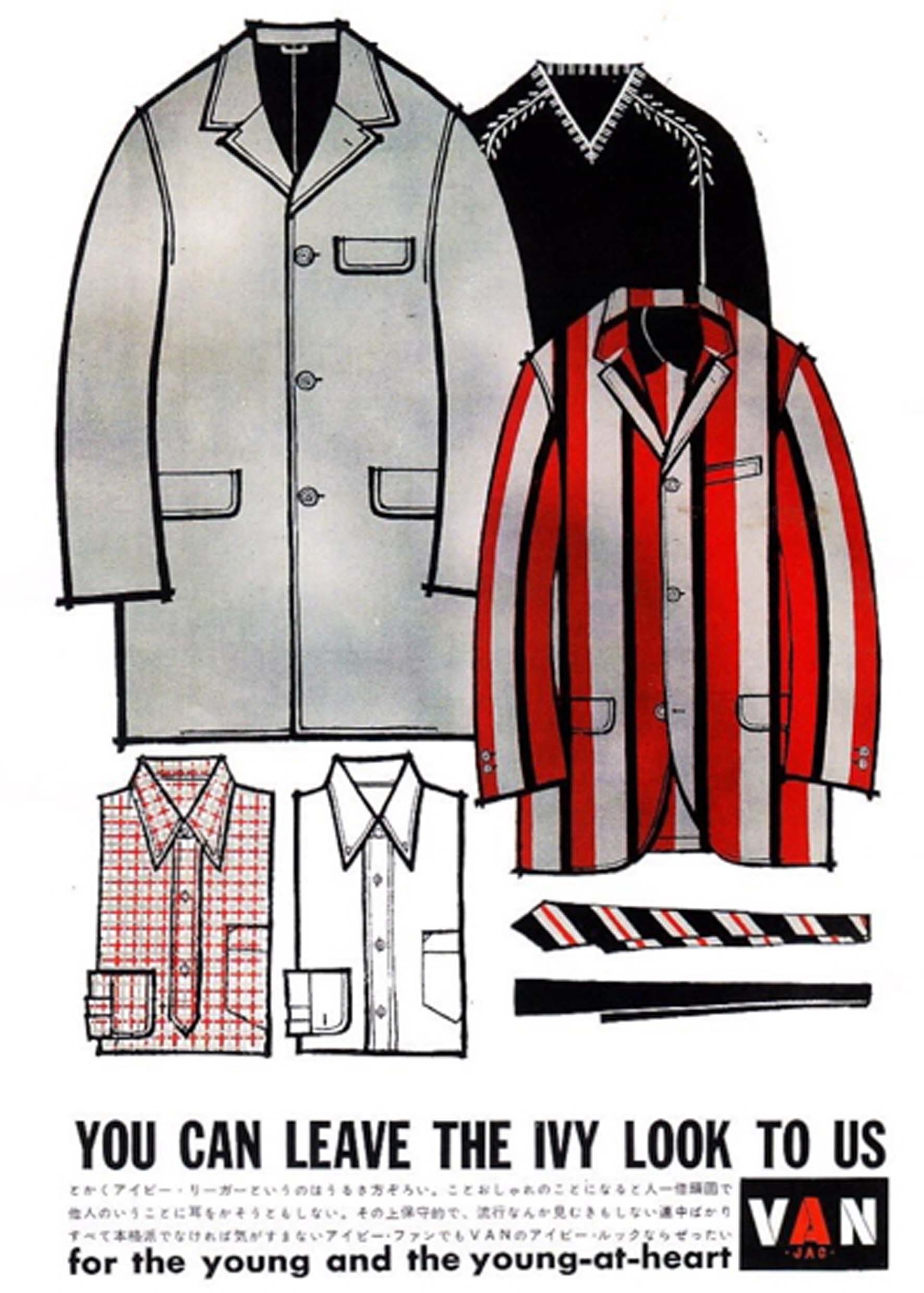
In this context emerged the figure of Kensuke Ishizu, founder of the brand Van Jacket. Fascinated by the casual elegance of American students, Ishizu visited the United States and Ivy League campuses, later deciding to import that style into Japan as a symbol of modernity. The brand VAN Jacket dominated the Japanese fashion scene between the 1960s and 1970s, playing a decisive role in spreading Ivy style among Tokyo’s youth.

The decisive moment came in 1965 with the publication of the photographic book Take Ivy, documenting the daily life of American university students and eventually becoming one of the most important references in menswear history. Images from the campuses of Princeton, Yale, and Harvard introduced Japanese youth to a new concept of elegance: spontaneous, relaxed, yet highly codified.


Alongside Take Ivy, the Japanese magazine Men’s Club also contributed to spreading this imagery, explaining in meticulous detail the rules of Ivy style: the correct trouser length, blazer structure, and tie width. Dressing became a discipline in itself, rooted in observation and knowledge.
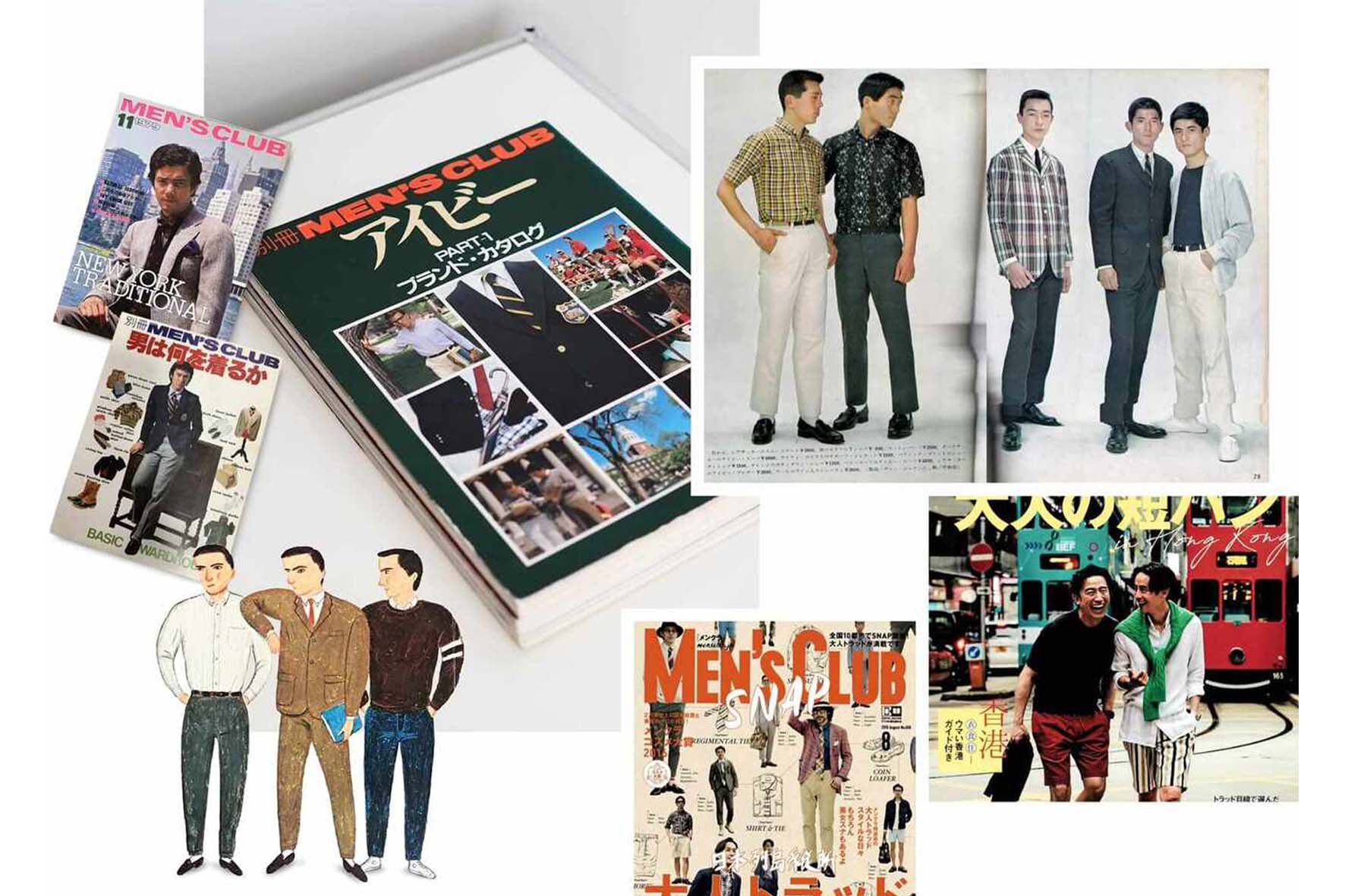
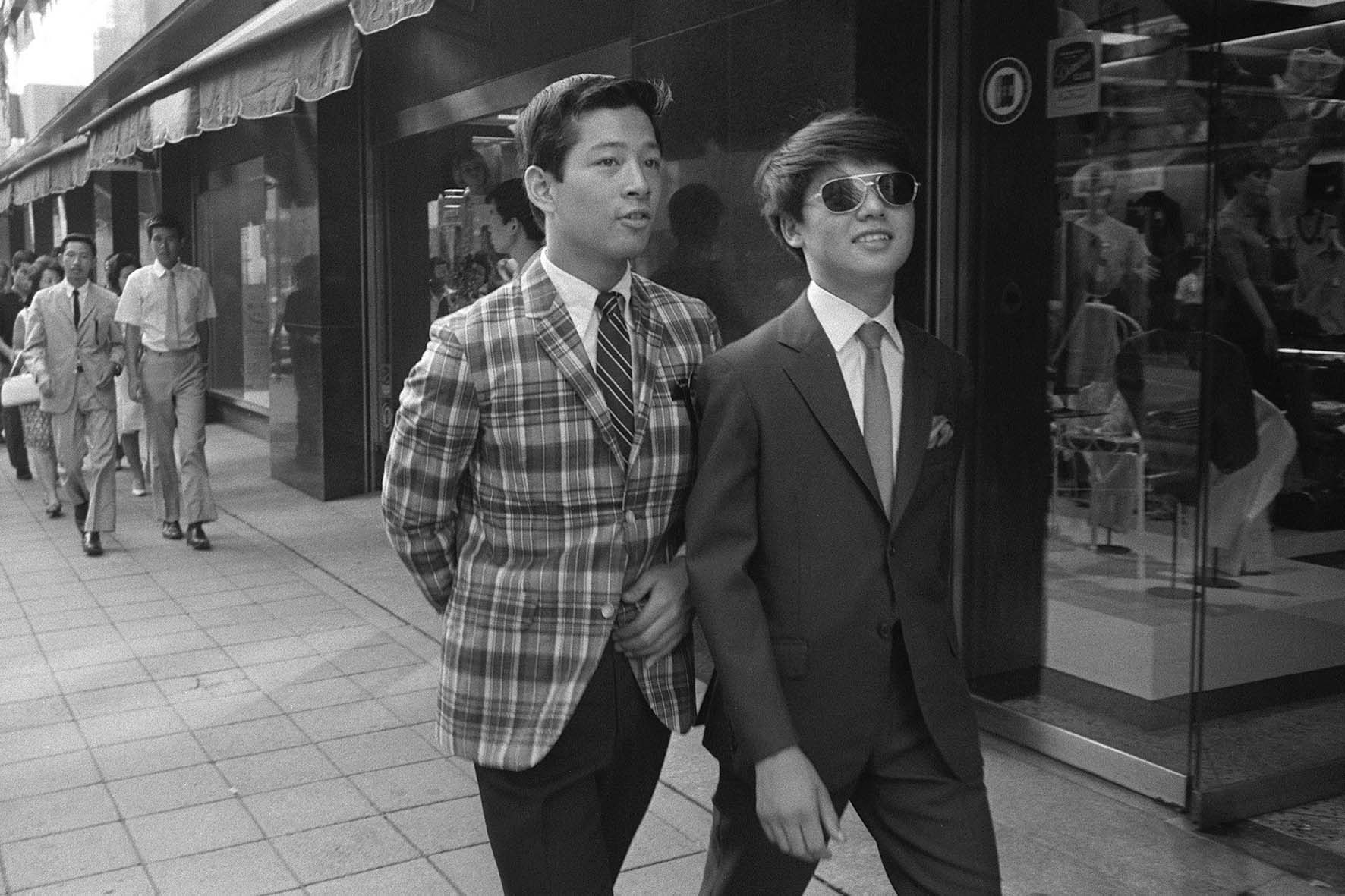
In the 1960s, Ivy style began spreading among Japanese youth, particularly among the Miyuki-zoku, groups of young people who gathered along Miyuki Street in Tokyo’s Ginza district. Wearing blazers, chinos, and loafers was not just an aesthetic choice, but a gesture of rebellion against rigid school uniforms and the formal style of the previous generation.
THE BIRTH OF AMETORA CULTURE
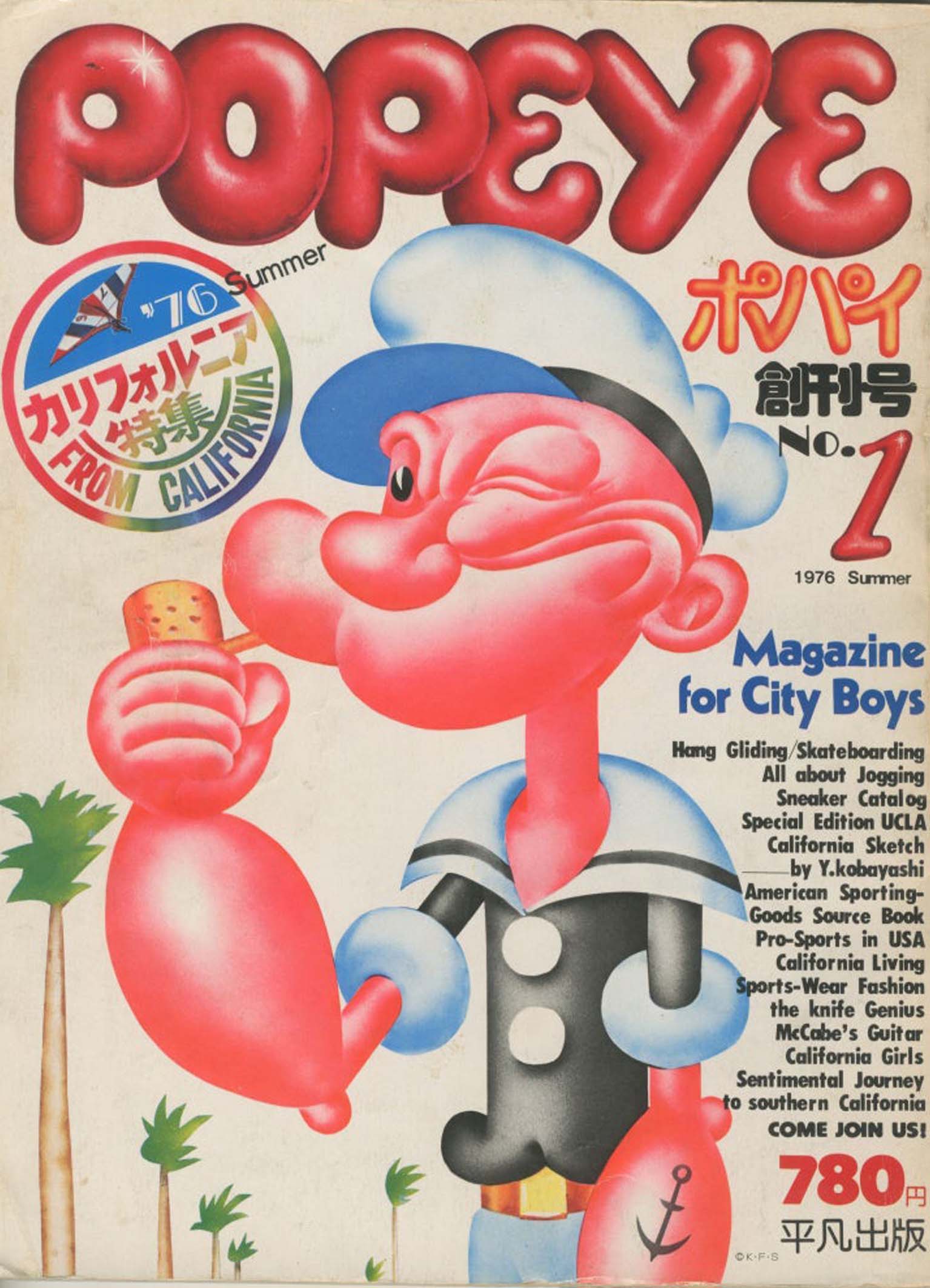
In the following years, Ametora style spread further thanks to key players such as Beams, one of the most influential retailers in promoting American style in Japan, and Popeye Magazine, founded in 1976 and often described as “the style guide for the urban boy.” Through editorials, reports, and shopping guides, Popeye helped consolidate the American Traditional imagery, telling not only about clothing but also the lifestyle surrounding it.

At the same time, in the 1990s, the Harajuku district became one of the global centres of vintage culture. Specialised stores emerged, dedicated to sourcing American vintage garments and building true archives of denim, workwear, and military clothing. Many shops imported vintage Levi’s jeans, military pieces, and workwear directly from the United States, contributing to the rise of one of the most refined vintage scenes in the world.

In many of these stores, garments were not simply sold but studied, catalogued, and archived, turning retail into a living archive of American culture. This archival approach deeply influenced the Japanese way of looking at objects: every piece is analysed, studied, and reinterpreted with almost museum-like precision.
It is the same sensitivity found in many disciplines of Japanese design, where proportions, balance, and purity of lines become central elements in the creation of an object.
JAPANESE DENIM AND THE ART OF PERFECTING THE ORIGINAL
One of the most fascinating aspects of Ametora is that Japan did not simply imitate American style – it often perfected it. Japanese designers and manufacturers studied original garments, analysing fabrics, construction, and proportions to reproduce them with often superior quality.
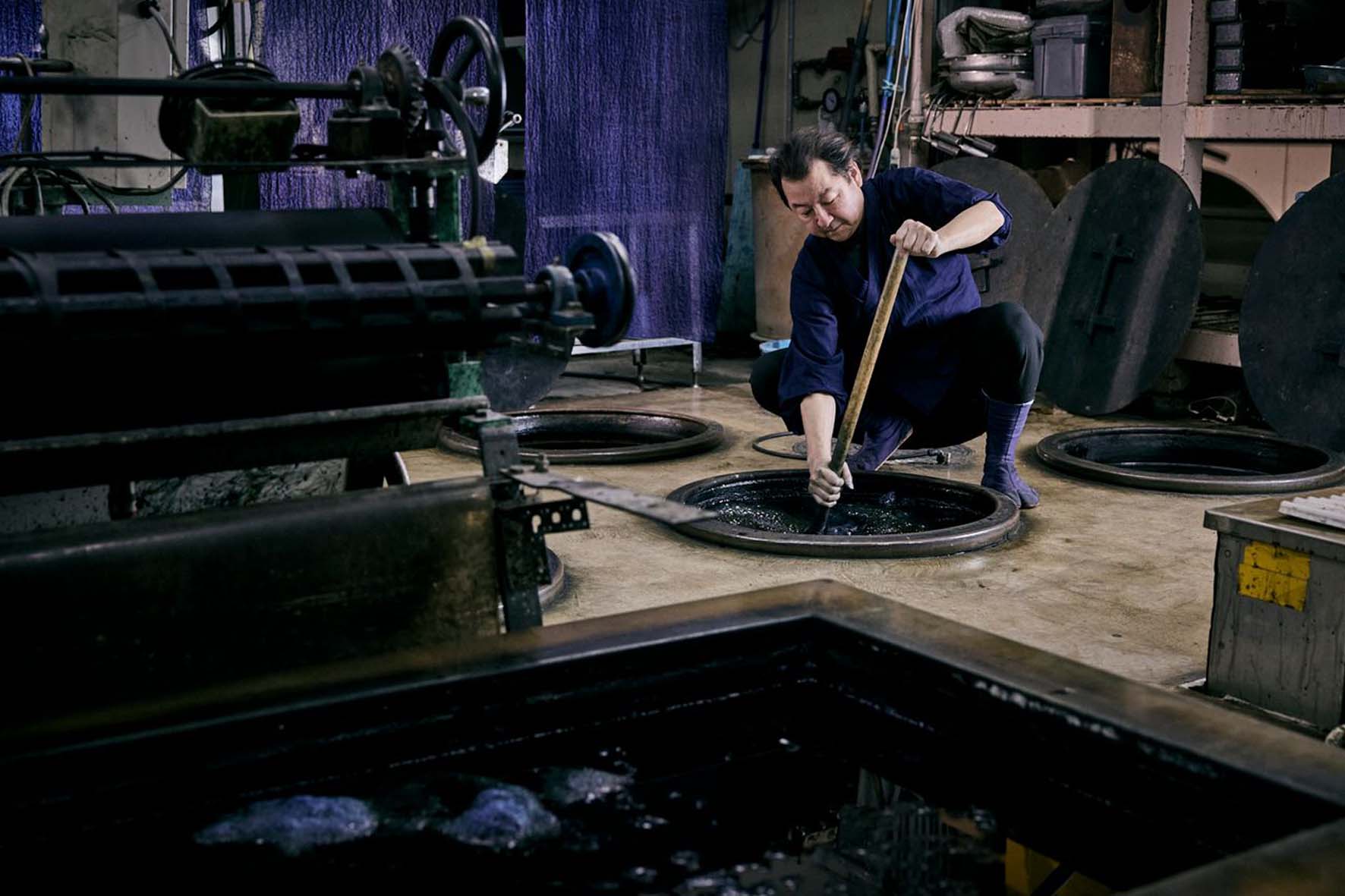
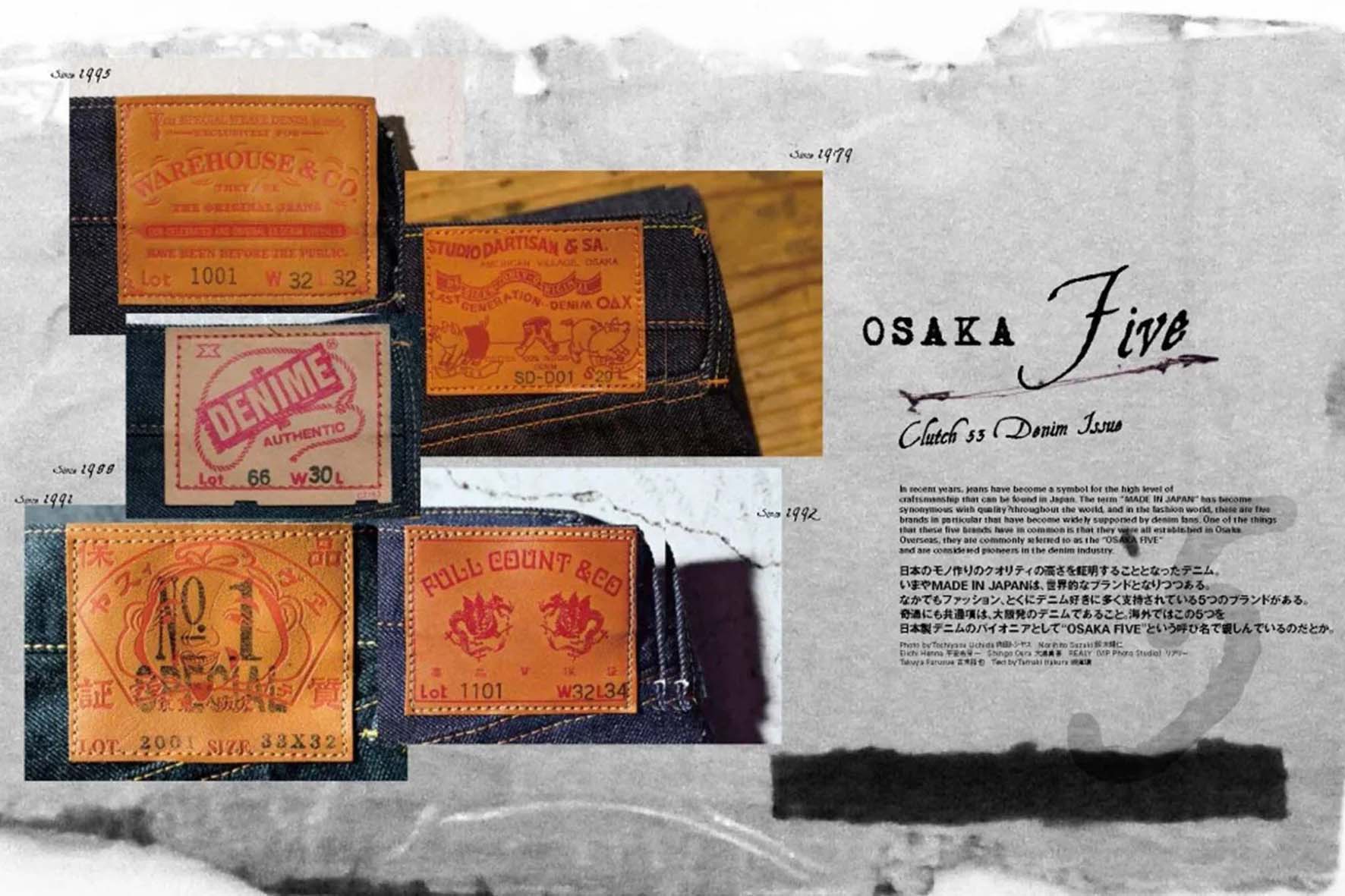
In the 1980s, this approach led to the birth of a true movement dedicated to the philological reconstruction of American denim. Old shuttle looms were acquired to produce selvedge denim, and traditional sewing techniques were revived. From this movement emerged iconic brands such as Studio D’Artisan, Denime, Evisu, Fullcount, and Warehouse, often referred to as the “Osaka Five.”
The result was not a mere replication of American style, but its evolution. Japanese manufacturers transformed denim into an almost artisanal object, where every detail—from fabric weight to loom tension—was studied with meticulous precision.
VINTAGE WATCHES IN AMETORA STYLE
It is precisely this approach – based on archive, authenticity, and respect for proportions – that makes Ametora aesthetics surprisingly close to the world of vintage watchmaking.
Within this culture, watches follow a very specific direction: vintage, simple, and well-proportioned. Preferred models are typically time-only watches or classic chronographs sized between 34 and 36 mm – dimensions perfectly suited to the elegant and understated Ivy League style.
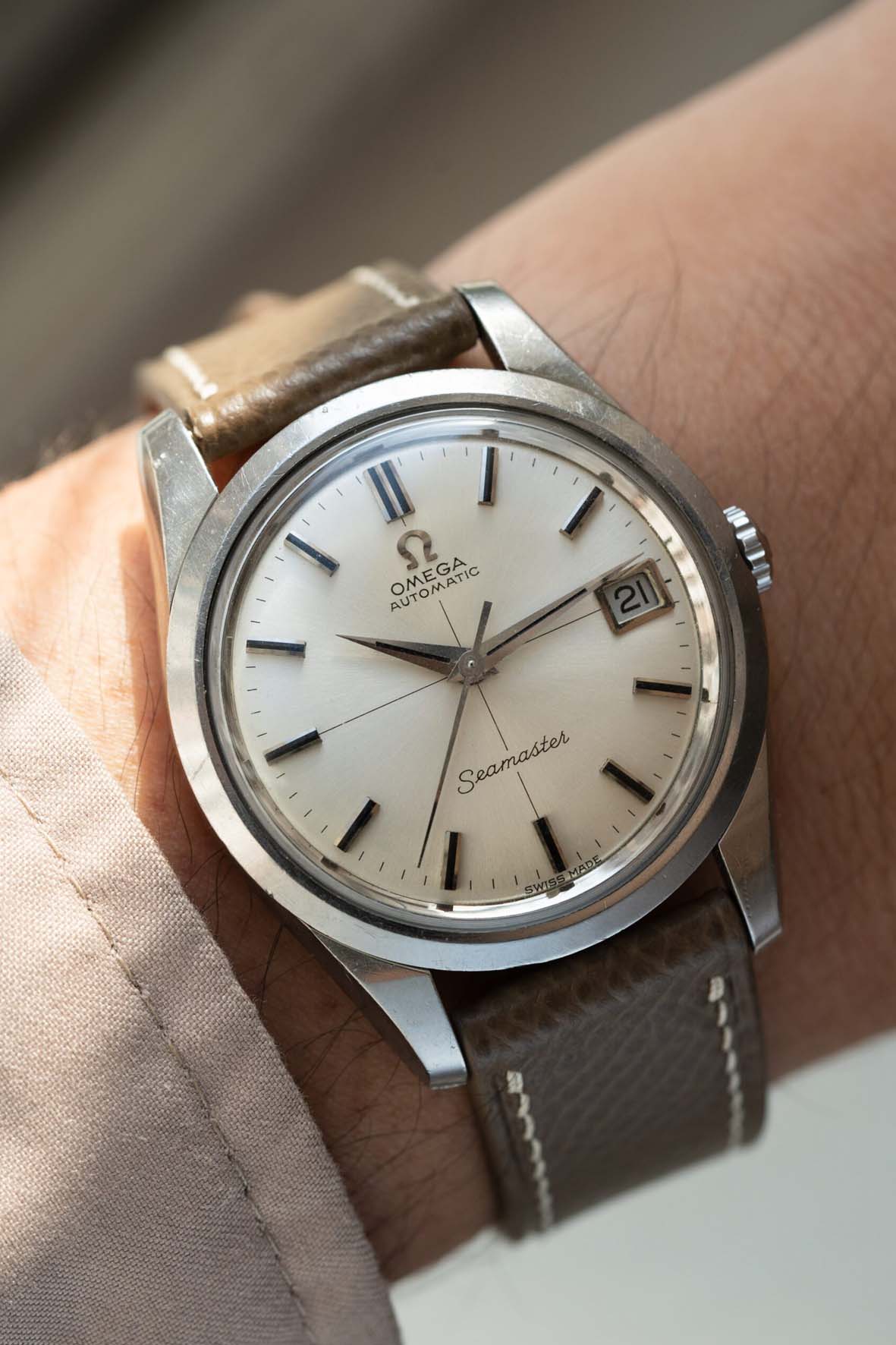
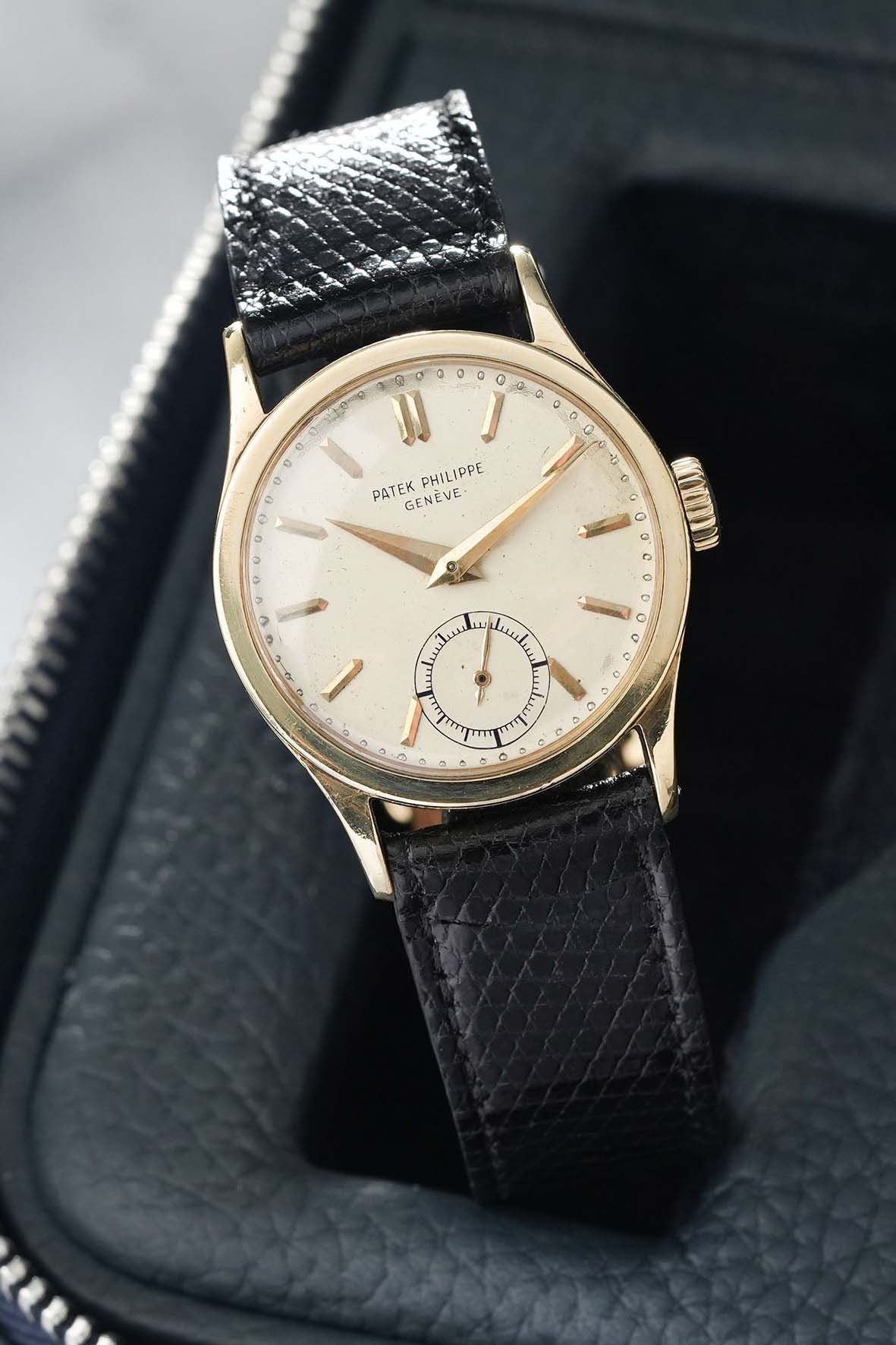
Military field watches are also highly appreciated, often paired with regimental NATO straps, a detail that has become almost iconic in Japanese style. Among the most beloved models by Ametora enthusiasts are 1960s Omega Seamaster references such as the Ref. 166.010, the Rolex Oysterdate Precision Ref. 6694, early 1940s Rolex Bubble Back models, the Jaeger-LeCoultre Reverso, and naturally the Patek Philippe Calatrava Ref. 96 – arguably one of the purest symbols of minimalist elegance.
These are watches that share fundamental characteristics: balanced proportions, essential design, and an almost natural ability to stand the test of time.
JAPAN AND VINTAGE WATCH COLLECTING
Japanese watchmaking itself reflects this same philosophy of precision and refinement. Models such as the Seiko Lord Marvel, the first Seiko diver 62MAS, or the Grand Seiko 44GS – which defined the famous Grammar of Design – perfectly embody this pursuit of balance between technique and minimalism. Likewise, 1960s Citizen Chronomasters represent an example of understated elegance and chronometric precision.
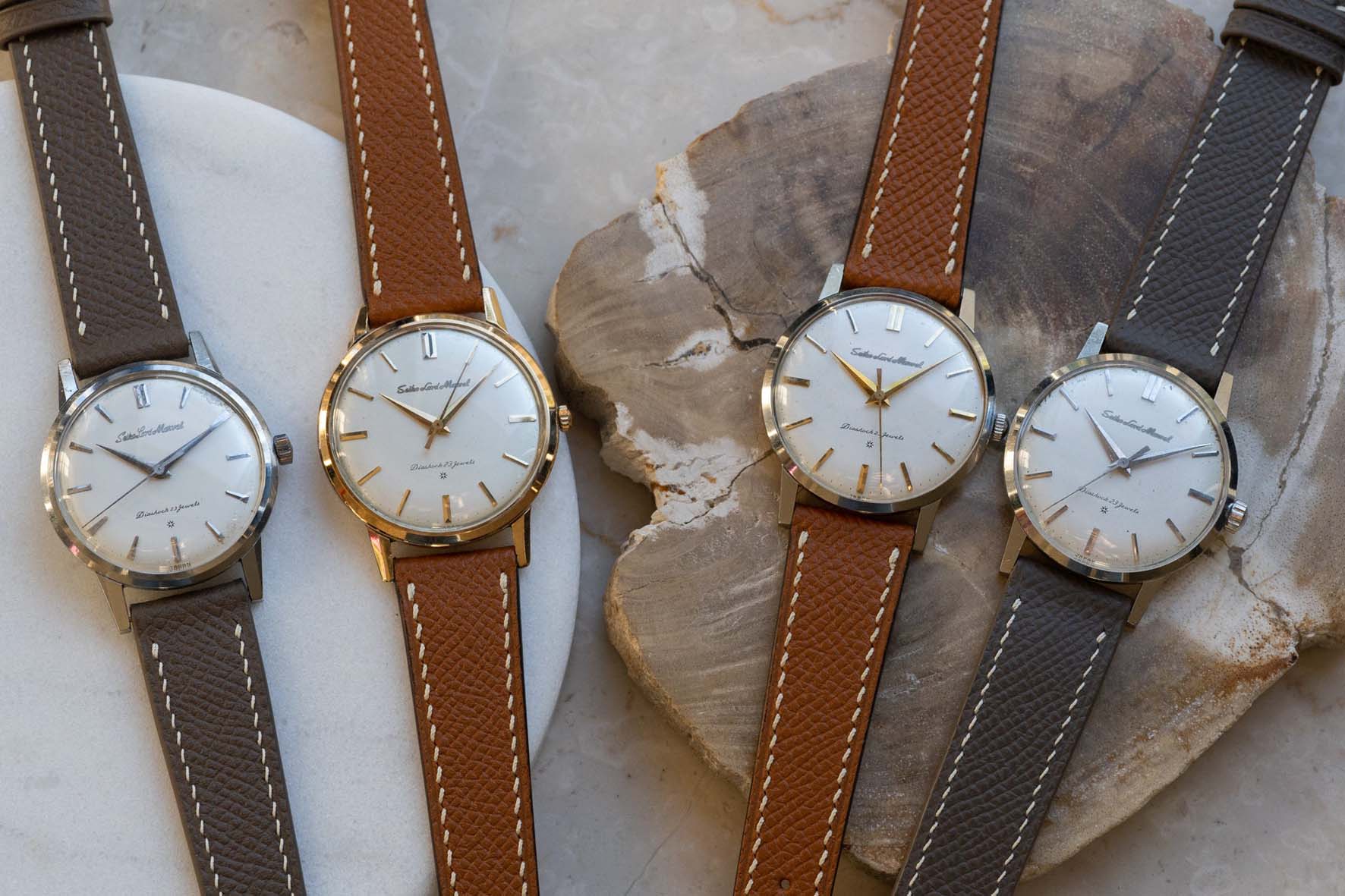
Over the past thirty years, Japan has become one of the most refined markets in the world for vintage collecting. As early as the 1980s, many Japanese collectors began seeking perfectly preserved European examples, contributing to the creation of one of the most demanding and knowledgeable vintage markets globally.
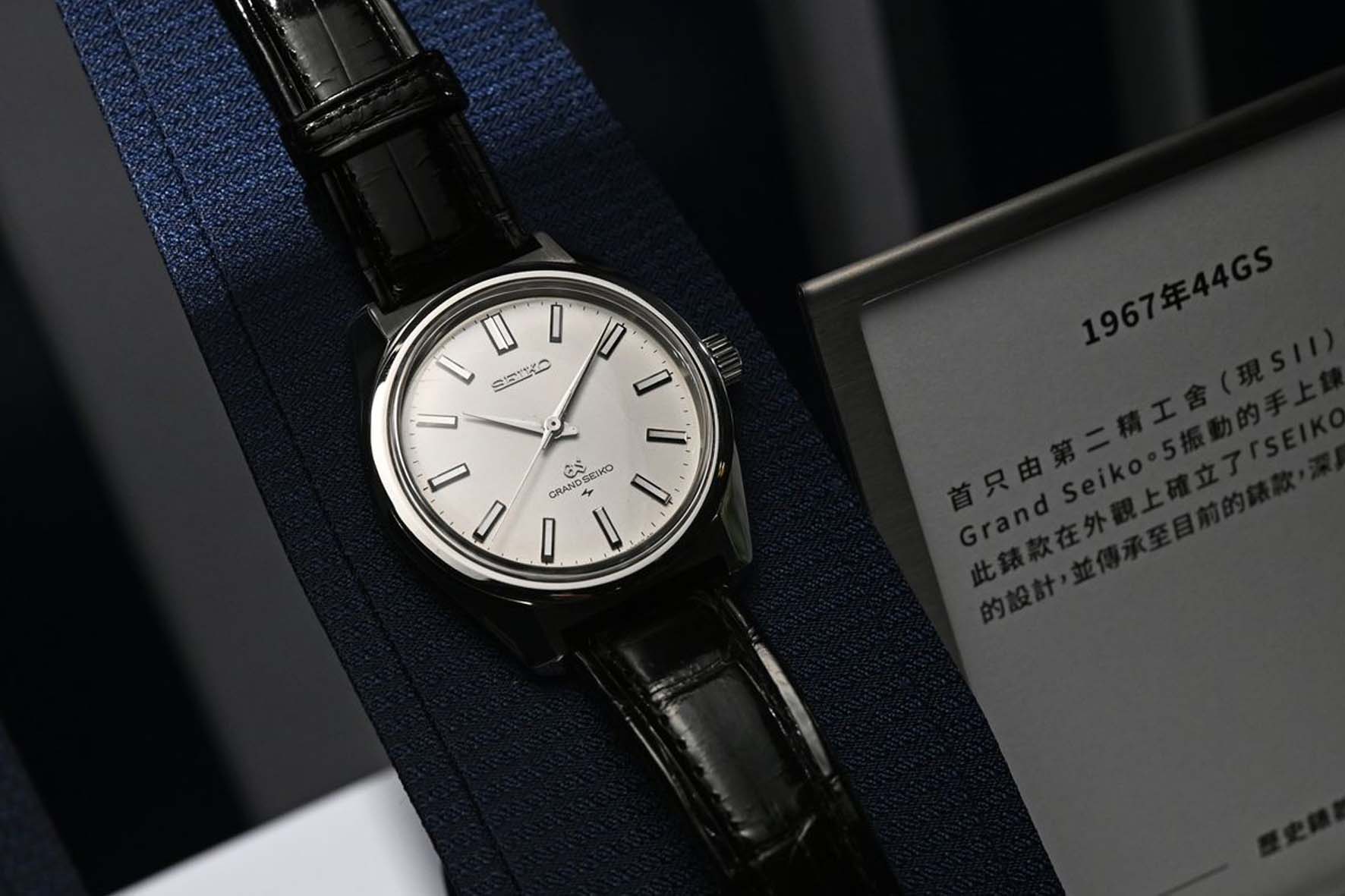
Many of the finest Rolex, Omega, and Patek Philippe examples available today have passed through Japan, where an almost obsessive attention to originality – untouched dials, correct components, and authentic condition – has helped establish new standards in international collecting.
FIVE OBJECTS TO UNDERSTAND AMETORA AESTHETICS
If there is a simple way to truly understand Ametora aesthetics, it is by observing the objects that embody its spirit: the Ivy League navy blazer, a symbol of informal American elegance; Japanese selvedge denim, crafted with meticulous attention to detail; Alden penny loafers, one of the most recognisable icons of American collegiate style; a vintage military field watch, simple and functional; and finally a Rolex Oysterdate or a 1960s Omega Seamaster, watches defined by perfect proportions and essential design.
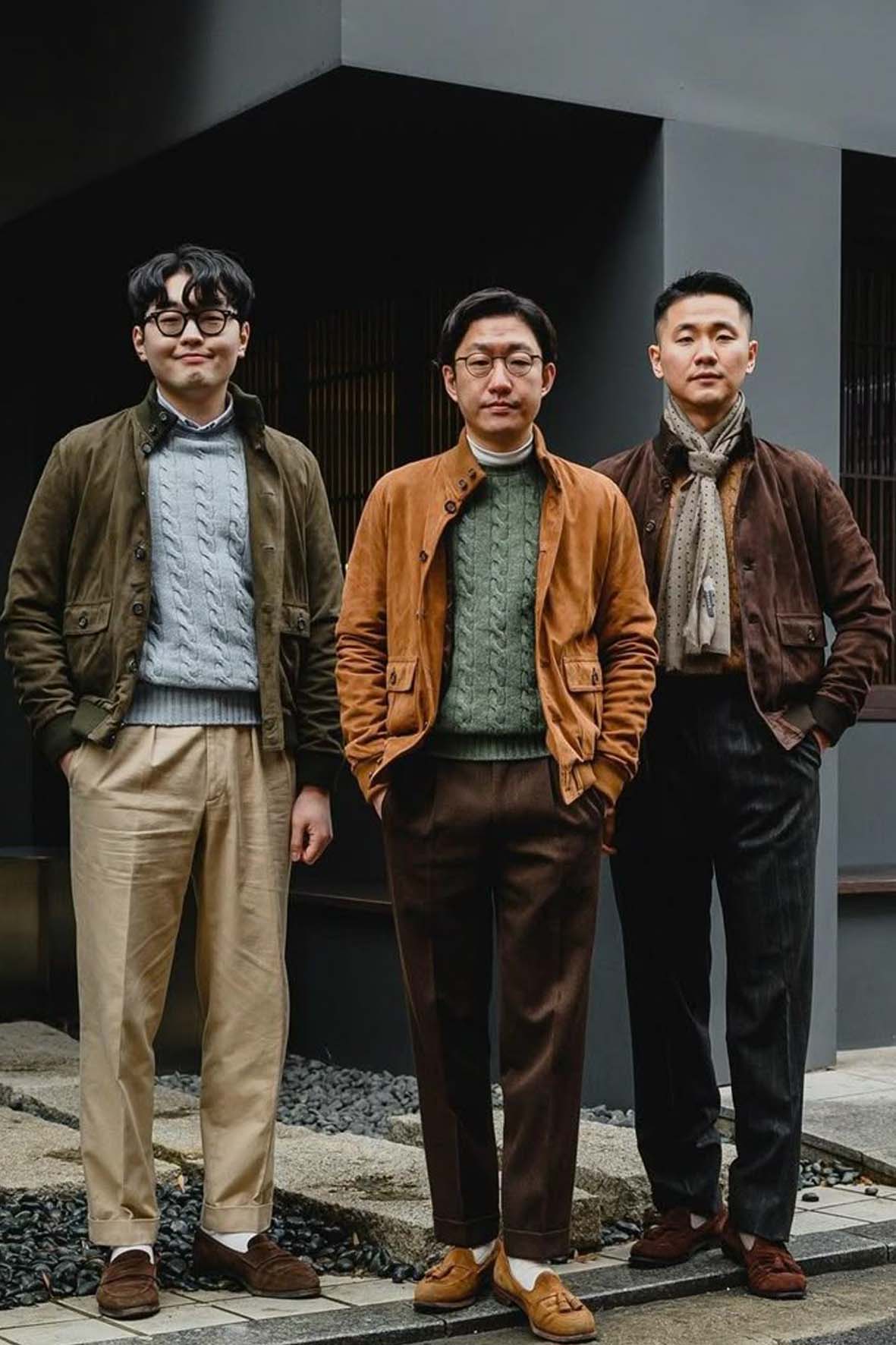

Ultimately, Ametora is not just a style. It is a way of looking at objects with respect, study, and memory. And this is precisely why, when a Japanese enthusiast chooses an Ivy blazer or a vintage Calatrava, they’re not following a trend – they’re continuing a legacy.
By Luca Carolei